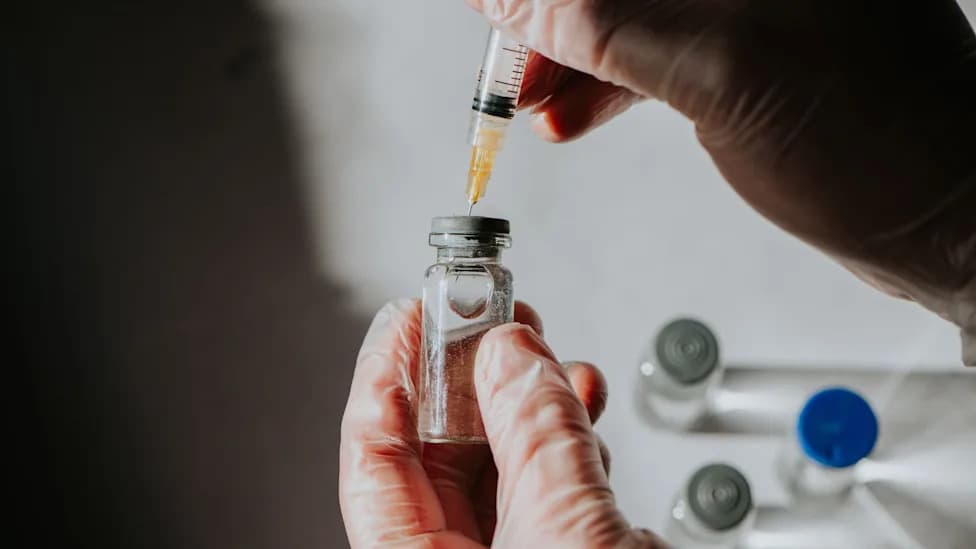
Laura, 36, endured debilitating lupus symptoms for 20 years after glandular fever at 14 but experienced marked improvement after receiving experimental CAR‑T therapy at Addenbrooke's Hospital. The treatment reprograms a patient’s immune cells in the lab, which are reinfused after chemotherapy and can expand in the body to provide long-term relief. Laura, who had tried seven chemotherapies and multiple immunotherapies, calls the result “life‑changing” and hopes the therapy will become available to more patients. A second phase of the trial will expand access and collect more safety and efficacy data.
‘Life‑Changing’ CAR‑T Therapy Puts Debilitating Lupus Into Remission After 20 Years

Laura says the experimental CAR-T cell treatment she received has been life-changing [Shaun Whitmore/BBC]
For two decades, Laura, now 36 and from King's Lynn in Norfolk, suffered severe, life-limiting symptoms after a bout of glandular fever at 14 triggered an autoimmune disease. Her skin was covered in a blistering rash and her pain at times left her unable to sit up, walk or even lift a cup.
About a year ago she became one of the first people in the world to receive experimental CAR‑T cell therapy for lupus at Addenbrooke's Hospital in Cambridge. The treatment — originally developed to treat certain cancers — is being investigated as a potential option for autoimmune diseases that are resistant to conventional therapies.
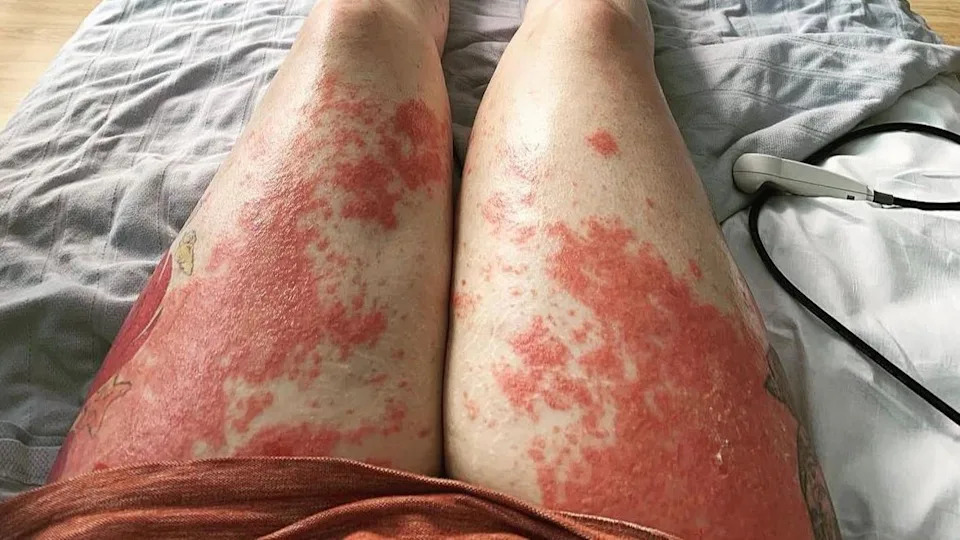
Laura had a blistering rash all over her body [Submitted]
How the Treatment Works
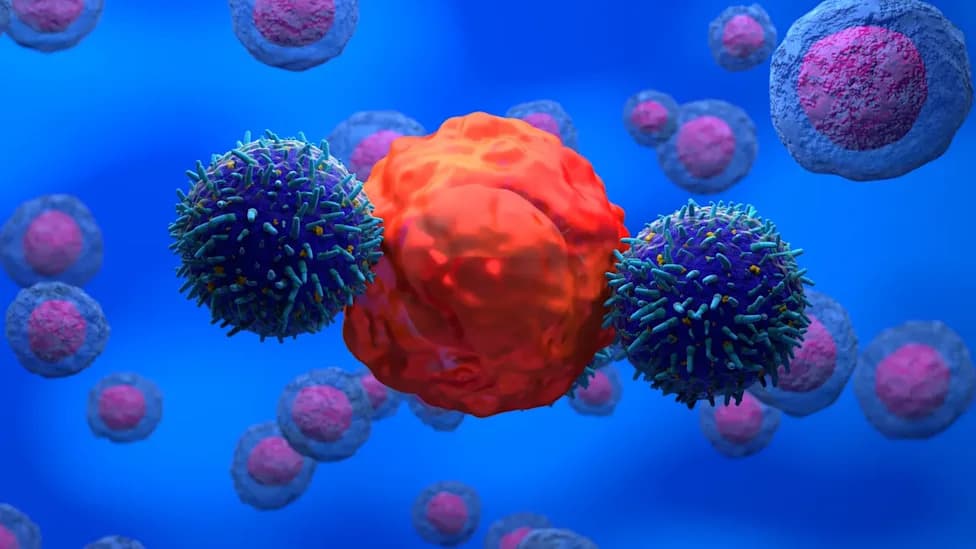
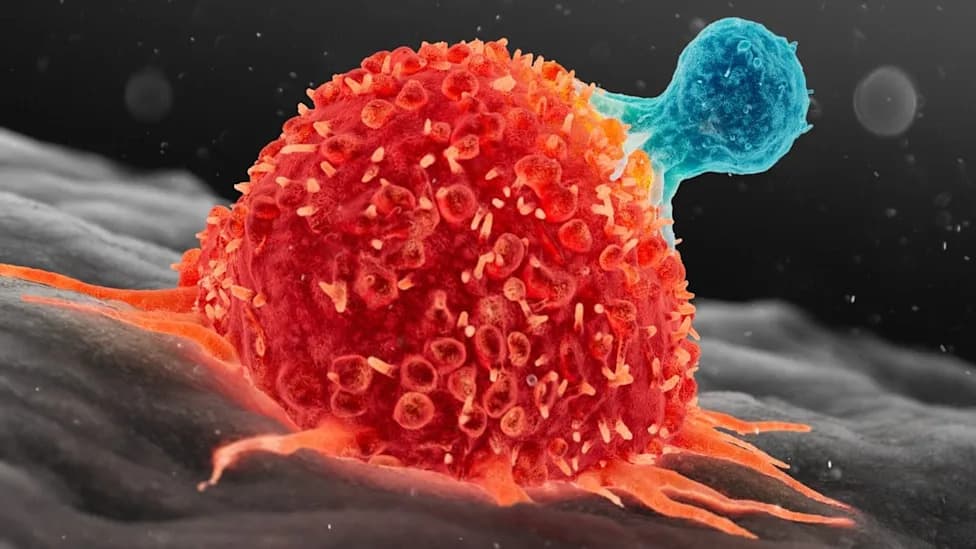
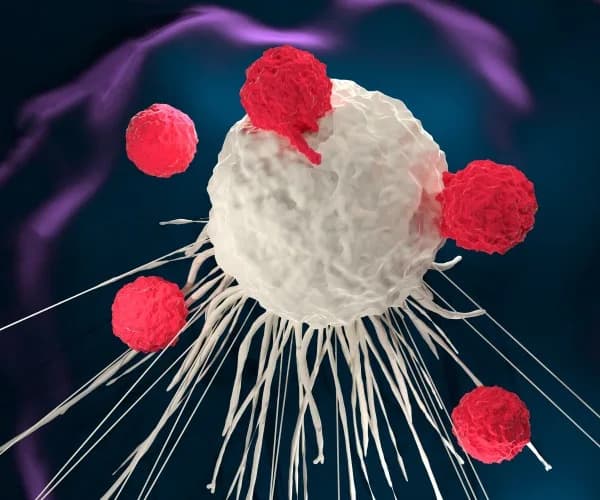
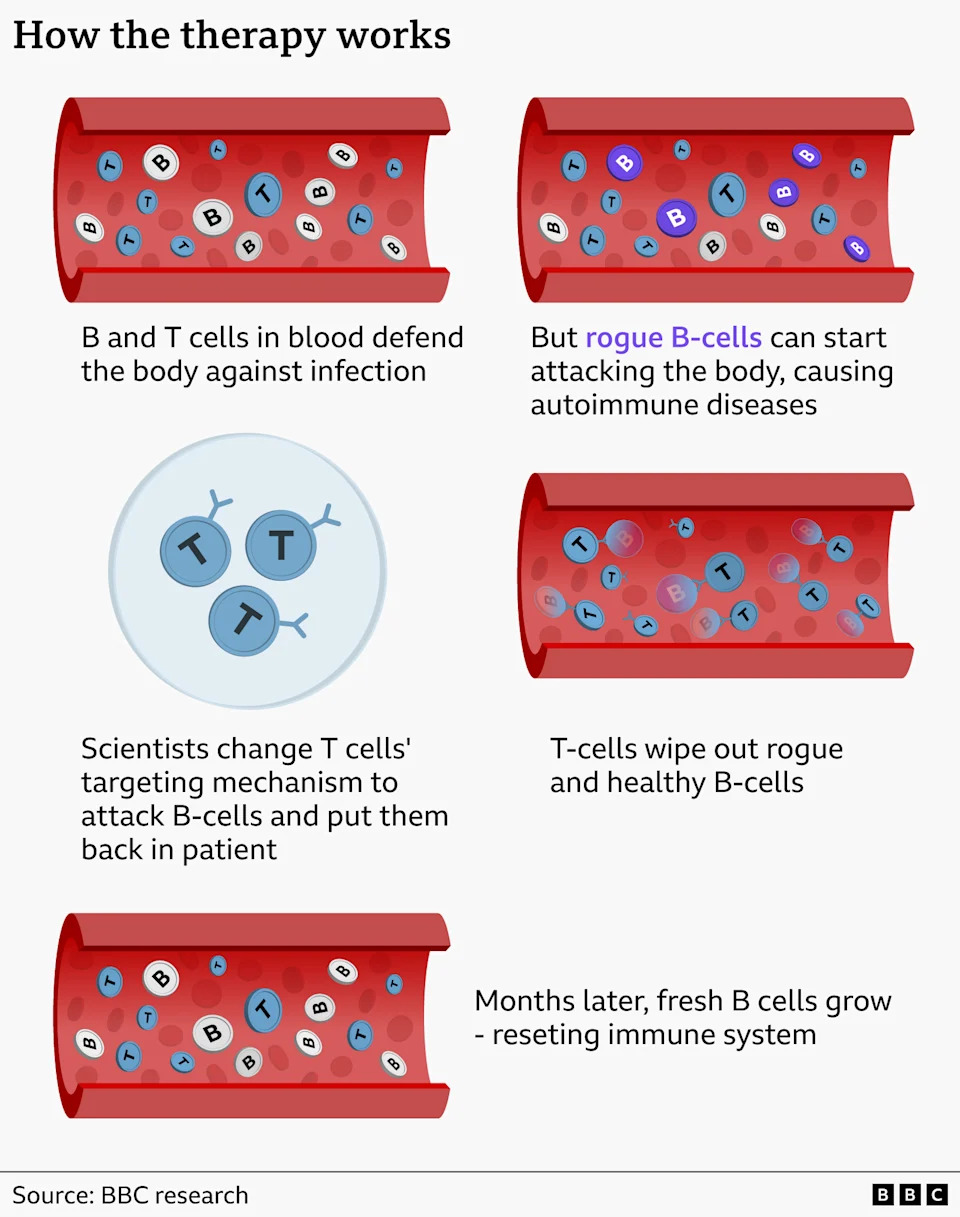
The procedure involves removing selected immune cells from the patient's blood, genetically modifying them in a laboratory to target disease-causing immune activity, and then reinfusing them after a short course of chemotherapy. Once back in the body, the engineered cells can expand and persist, and in many cases a single treatment may provide long-term relief.
Life After Treatment
Laura described the outcome as “life-changing.” After years and seven different chemotherapies plus multiple immunotherapies that failed to produce lasting benefit, she said the CAR‑T infusion has dramatically improved her quality of life. “I wake up and I don't have the sense of dread because my whole body isn't heavy from the aches and I'm not sore,” she said. “I can walk my dog, work more and go out with friends. I still have bad days, but every day isn't a bad day anymore.”
[BBC]
“Laura's case is especially challenging and has proven unusually resistant to standard treatments,” said Prof David Jayne, a lupus specialist at Cambridge University Hospitals. “The CAR‑T trial was an opportunity to try something new and we're very pleased to see how well Laura is doing following the treatment.”
The UK National Health Service estimates lupus affects about 1 in 1,000 people. The chronic autoimmune condition occurs when immune cells attack the body's own tissues and can cause symptoms such as joint pain, severe rashes, fatigue and poor blood circulation. In the most serious cases it can lead to breathing difficulties, cardiovascular complications and kidney damage.
A second phase of the CAR‑T trial is due to start soon, which will broaden access and gather further data on the therapy’s safety and effectiveness for people with severe, treatment‑resistant lupus. Laura said the treatment was her “last hope” and described it as “the best decision I ever made.”
Do you have a story from Norfolk? Contact the local newsroom to share your experiences.
Help us improve.