Mohammad Bagher Ghalibaf accused President Donald Trump of running "theatre diplomacy on loop" after repeated threats of strikes that were later cancelled. Trump said he called off a planned attack amid diplomatic progress and claimed a deal could fully reopen the Strait of Hormuz. Iran and Oman say talks on safe navigation routes are close to finalisation. The episode underscores rising tensions in the Gulf, with energy markets affected and both sides exchanging strong rhetoric.
Iran's Parliament Speaker Accuses Trump of 'Theatre Diplomacy on Loop' as Talks Over Hormuz Advance
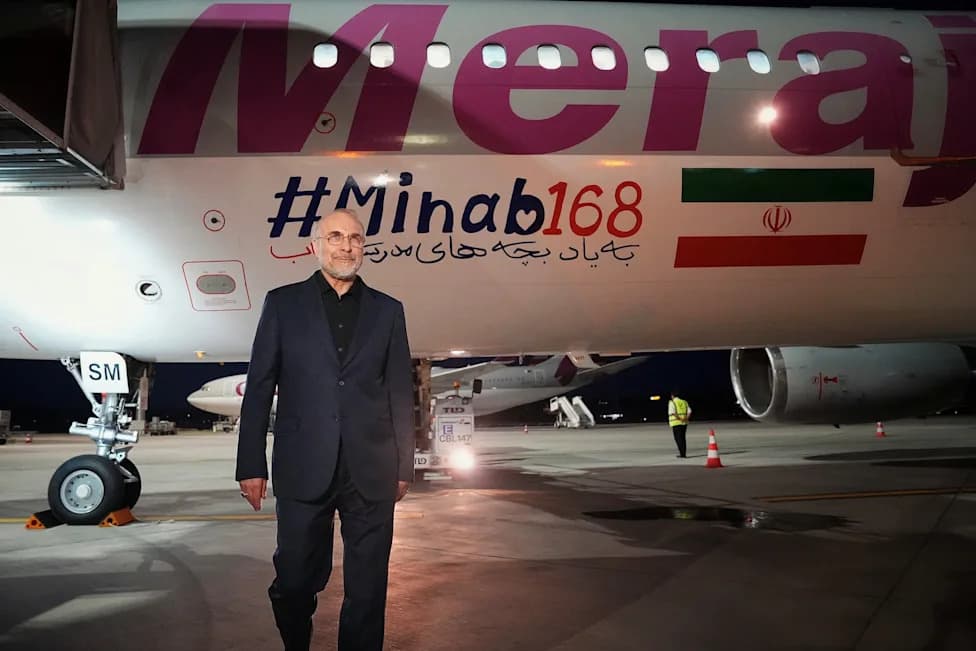
Iranian Parliament Speaker Mohammad Bagher Ghalibaf calls on the US to 'acknowledge the facts' [File: Hamed Malekpour/Iranian Parliament Speaker Office/WANA via Reuters]
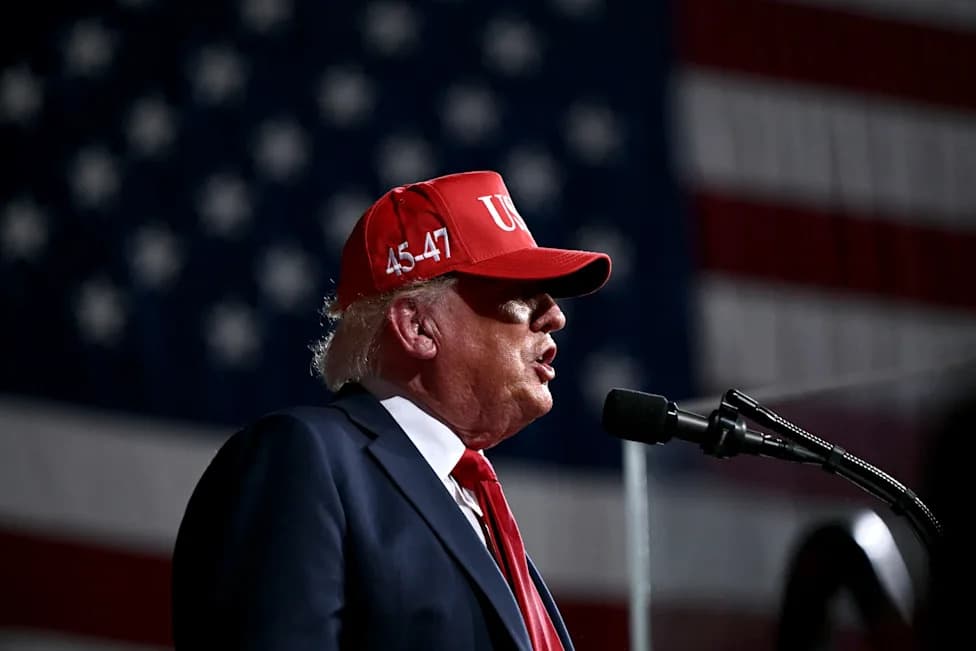
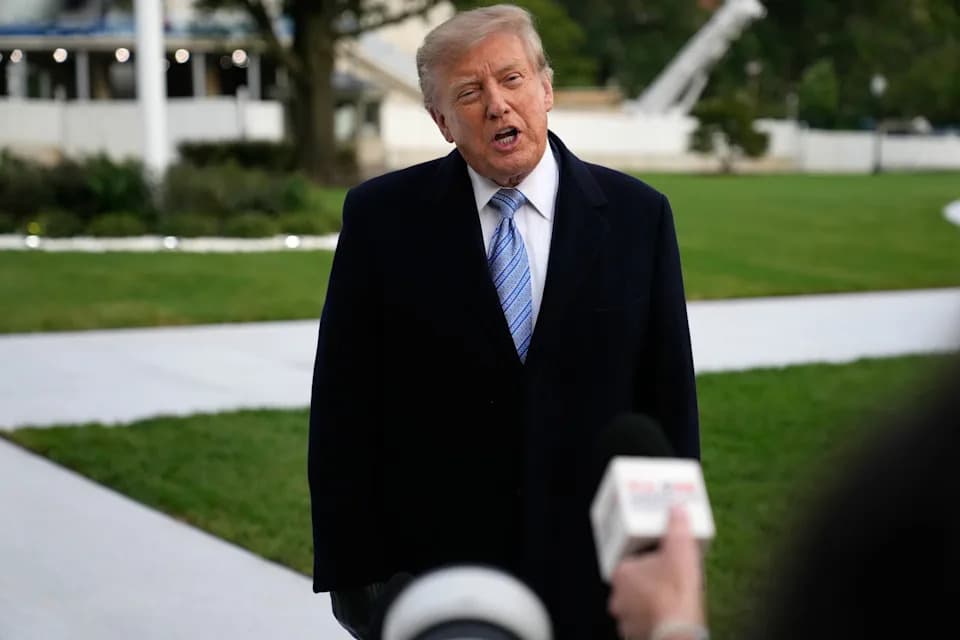
Mohammad Bagher Ghalibaf, Iran's parliament speaker and chief negotiator, accused US President Donald Trump of running "theatre diplomacy on loop" after Trump repeatedly announced planned strikes on Iran only to call them off. Ghalibaf made the remarks in a social media post on X, dismissing what he called a pattern of alternating military threats and last‑minute offers of talks as a failed pressure tactic.
"'Massive attack coming…wait, never mind, they want to negotiate.' That's theater diplomacy on loop,"
"Using bullying + broken promises + fake news as leverage is a failed strategy."
Ghalibaf urged Washington to "acknowledge the facts" and to honour its commitments, framing the US behaviour as inconsistency that undermines credible diplomacy.
Trump Says He Halted Strikes Amid Diplomatic Momentum
On Saturday, Trump announced he had cancelled a planned large‑scale military attack on Iran, saying Tehran and other regional actors had requested a pause as a diplomatic breakthrough neared. Trump described a tentative agreement that, he claimed, would result in the "Immediate, Complete, And Total OPENING OF THE HORMUZ STRAIT" and eliminate "Iran's nuclear threat." He also said he was directly involved in negotiations and predicted the conflict could end soon.
Strait of Hormuz, Talks and Regional Impact
Iran has been negotiating with Oman over safe routes through the Strait of Hormuz and says a deal is "on the verge of being finalised" after both sides reportedly agreed coordinates for navigation. The strait is a vital artery for global energy shipments; recent attacks and closures in the region have disrupted traffic and pushed oil prices higher.
The situation escalated after attacks on February 28 that contributed to a months‑long regional conflict. In the aftermath, Tehran restricted passage through parts of the waterway and asserted control over some areas that lie within Iranian and Omani territorial seas. Both Washington and Tehran have engaged in military and economic pressure as well as diplomatic exchanges, with each side issuing strong public rhetoric: Trump says the conflict is nearing an end, while Iranian officials say they are prepared for a prolonged confrontation.
Context: The developments highlight the fragile mix of diplomacy and deterrence in the Gulf, where navigation, energy markets and regional security remain tightly interlinked.
Help us improve.