Morocco has told state media it will cooperate with Spain and European partners to identify and repatriate unaccompanied minors who crossed into Ceuta during a recent mass influx. MAP said the move follows high royal instructions to interior and foreign affairs ministries. Spanish authorities estimate about 72,000 migrants crossed, while Morocco reported roughly 40,000. Local officials say around 1,100 unaccompanied children remain in Ceuta and cannot be returned immediately without proper identification and child-protection safeguards.
Morocco Pledges Cooperation to Repatriate Unaccompanied Minors After Ceuta Influx
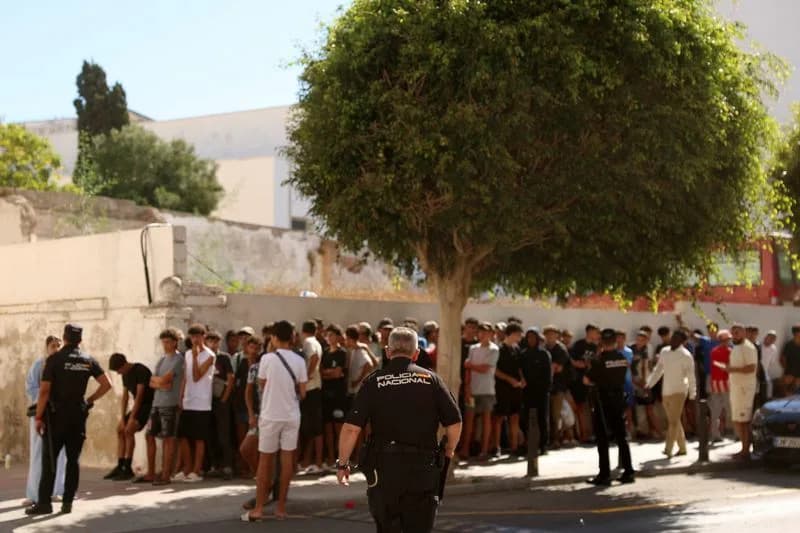
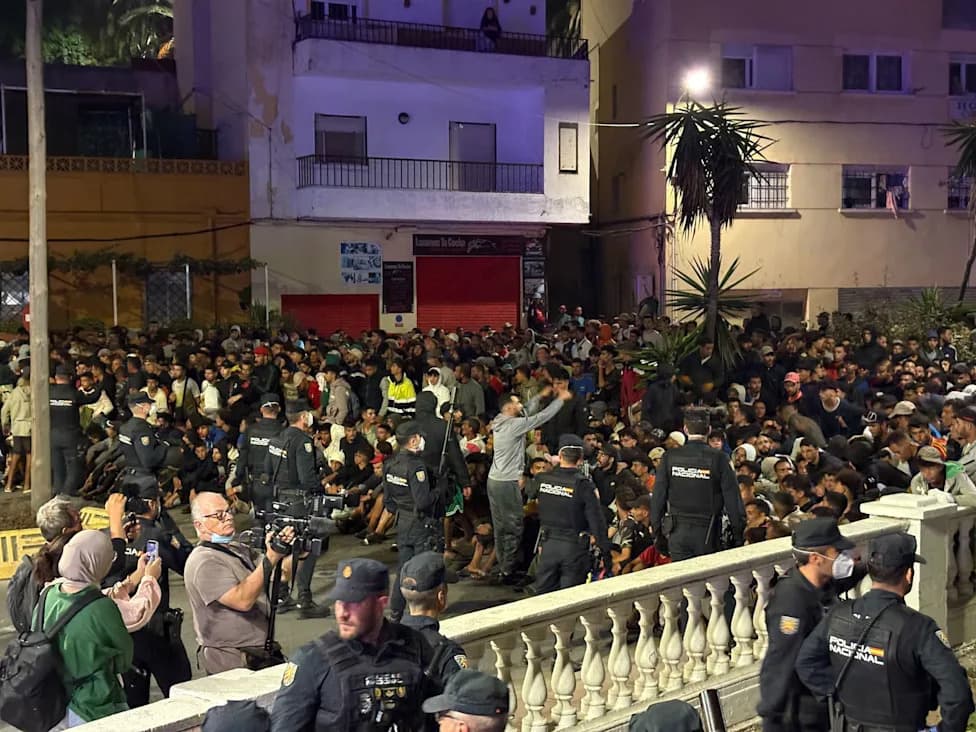
Migrant children queue outside a police station to be registered following mass crossings by migrants on foot and by sea from Morocco into Spanish territory, in Ceuta, Spain, August 6, 2026. REUTERS/Violeta Santos Moura
RABAT — Morocco has said it will work with Spain and other European partners to identify and arrange the return of unaccompanied children who were among tens of thousands of migrants who crossed into the Spanish enclave of Ceuta, state news agency MAP reported on Thursday.
MAP, citing a diplomatic source, said the move follows "high royal instructions" to the interior and foreign affairs ministries to help identify unaccompanied minors with a view to returning them to their homeland.
Numbers and context
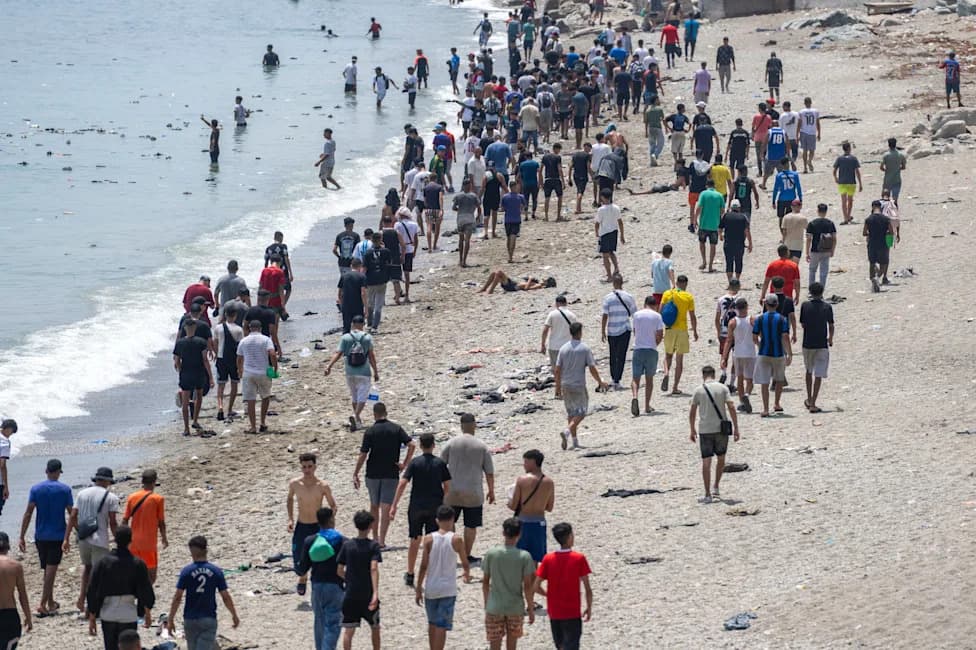
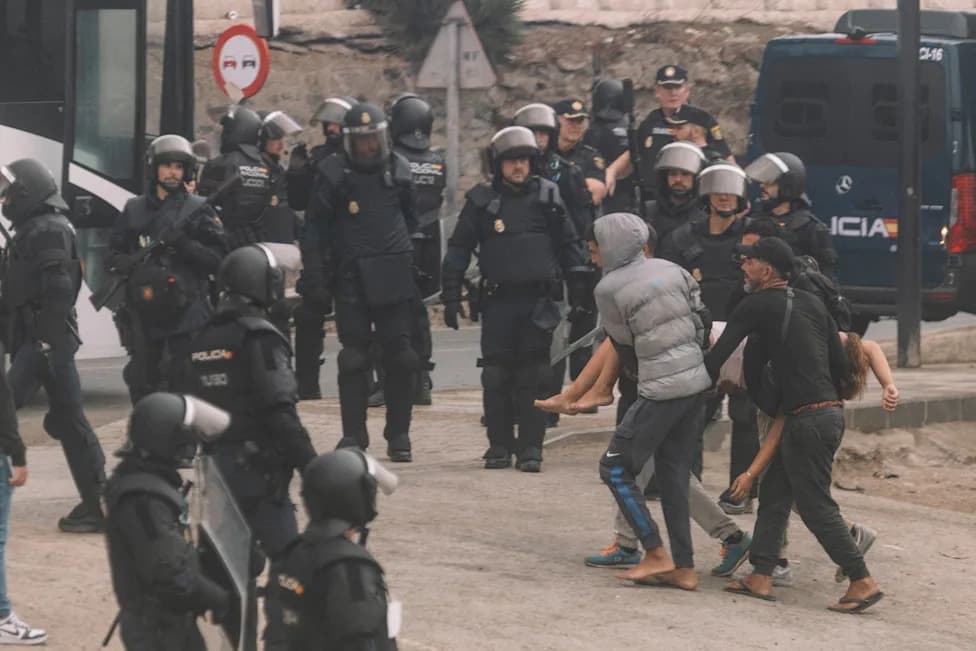
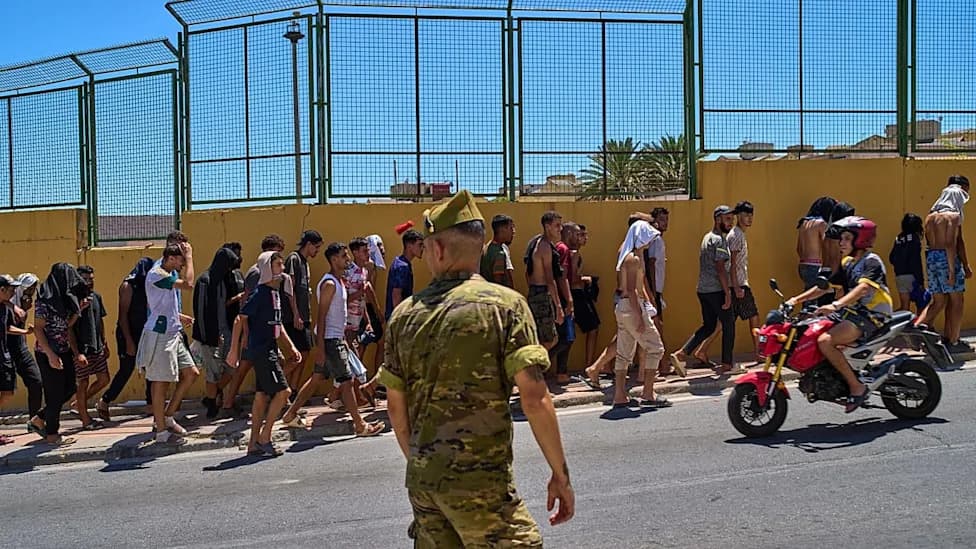
Spanish authorities reported that around 72,000 people crossed into Ceuta during last week's influx, while Moroccan officials put the figure at roughly 40,000. Local officials in Ceuta say about 1,100 unaccompanied minors remain in the enclave; some arrived in the recent surge and others had been there earlier.
The vast majority of migrants who entered Ceuta have since returned to Morocco. Unlike adults, unaccompanied minors cannot be immediately repatriated under existing procedures: they require identification, child protection safeguards and coordination between the two countries.
Next steps and legal safeguards
Morocco's commitment, according to MAP, is meant to support the necessary identification and coordination processes that precede any returns. Authorities on both sides will need to follow child protection protocols and ensure that returnees are transferred safely and in line with international and bilateral obligations.
Reporting by Ahmed Eljechtimi; editing by Chris Reese and Sanjeev Miglani.
Help us improve.