Dr. Erica Schwartz, President Trump’s nominee for CDC director, pledged to expand "abortion surveillance," drawing sharp criticism from privacy and reproductive-rights advocates. The CDC’s abortion reporting is voluntary, and several states — including California, New Jersey and Maryland — do not submit annual totals. Critics warn that increased federal monitoring could undermine patient privacy and worsen care in states with abortion bans, where emergency care distinctions have serious consequences. Supporters argue clearer case definitions could improve data quality; opponents fear the move could be used to restrict access.
Trump’s CDC Nominee Vows Expanded ‘Abortion Surveillance,’ Prompting Privacy and Safety Concerns
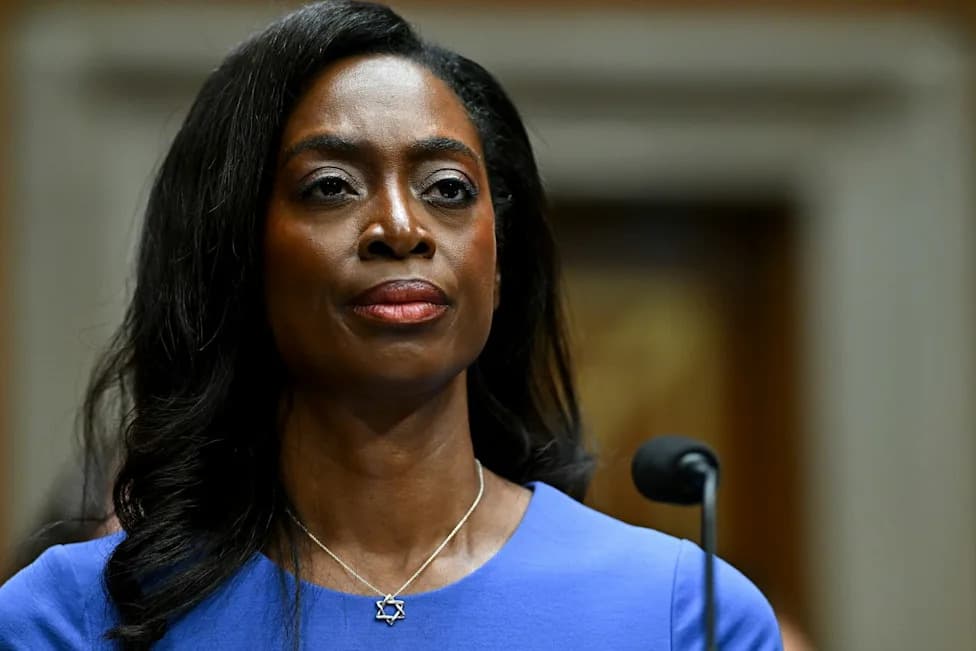
Trump’s New CDC Director Promised Dystopian New Abortion Policy
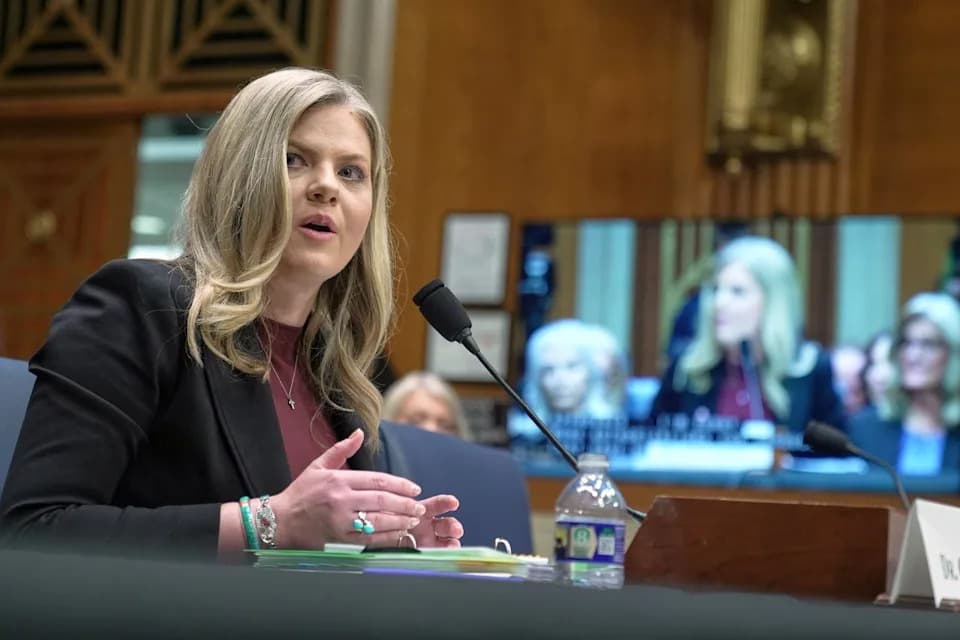
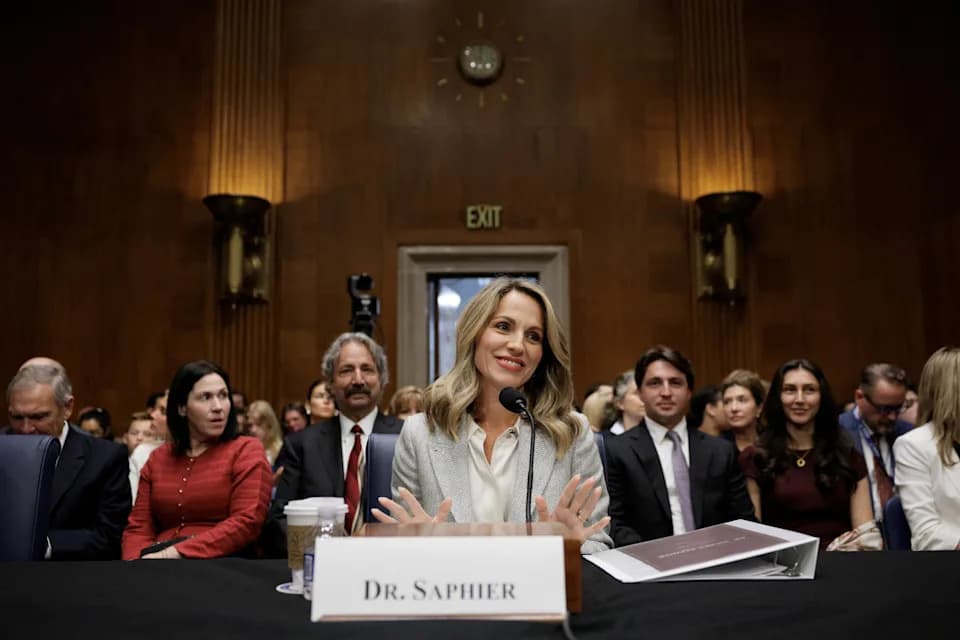
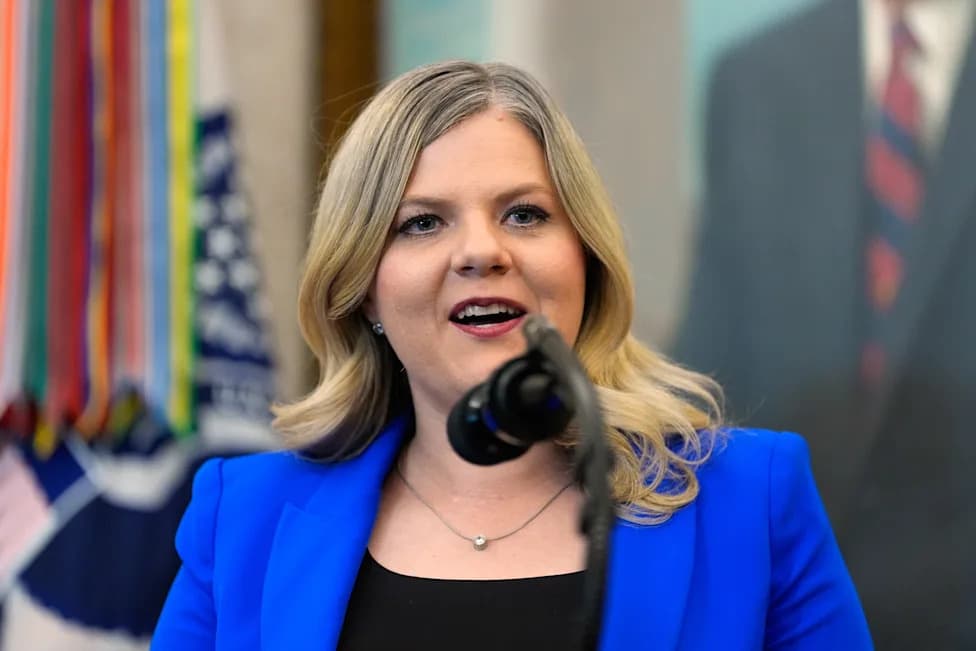
Dr. Erica Schwartz, President Donald Trump’s nominee to lead the Centers for Disease Control and Prevention (CDC), told senators she plans to expand federal "abortion surveillance," a move that privacy advocates and reproductive-rights groups say could jeopardize patient confidentiality and worsen care in states with abortion restrictions.
What Schwartz Said
At her confirmation hearing, Schwartz described abortion monitoring as "absolutely a critical component of what the CDC is currently doing." She added that she wants to ensure "certain states are not conflating emergency services and hiding abortions in that emergency services case definition," arguing that clearer case definitions would make the data more accurate.
"We need to make sure we're pulling out true abortions and making sure that we're really having clear case definitions regarding abortions so the data is actually accurate," Schwartz told lawmakers.
Data, Privacy and State Reporting
Current CDC abortion reporting is voluntary. As HuffPost and other outlets have noted, some states — including California, New Jersey and Maryland — do not submit annual abortion totals to the federal agency. There is no published evidence that states are deliberately "hiding" or routinely misreporting abortion data to the CDC.
Concerns About Safety and Surveillance
Critics say expanding surveillance could have real-world consequences, particularly in states with abortion bans. Reporting and research suggest hospitals in some restricted states have been more likely to delay pregnancy-related emergency care or run afoul of federal life-saving requirements — actions that advocates say increase the risk to pregnant patients.
Mini Timmaraju, president and CEO of Reproductive Freedom For All, said Schwartz’s confirmation "cements an anti-abortion agenda at the center of the CDC's work, rather than containing outbreaks and keeping the public safe." Observers warn that tighter federal monitoring could chill care-seeking behavior and expose patients to legal or administrative risks.
Wider Context
The pledge to step up abortion monitoring comes amid renewed federal interest in surveillance technologies and broader debates about how public-health data should be collected and protected. Last month, acting Attorney General Todd Blanche said he was coordinating with the Department of Health and Human Services on efforts related to the Dobbs decision — and some observers suggest a CDC focused on abortion data could play a role in those efforts.
Bottom line: Schwartz’s comments have intensified an already heated debate over privacy, public-health surveillance and access to emergency and reproductive care in states with abortion restrictions.
Help us improve.