The CDC's workforce is down about 30% since early 2025, with over 1,200 retirements between March 2025 and May 2026, according to The New York Times. Current and former staff say the cuts have weakened outbreak response, vaccine guidance and support for state and local health departments, while chronic-disease and birth-defects centers have been roughly halved. Health Secretary Robert F. Kennedy Jr.'s MAHA initiatives, including scrutiny of ingredients in ultra-processed foods, face delays as White House and HHS reviews continue. The administration maintains MAHA is a priority but acknowledges policies are being refined to be scientifically and legally durable.
Massive CDC Staff Cuts Complicate Kennedy’s 'Make America Healthy Again' Agenda
(Getty Images)
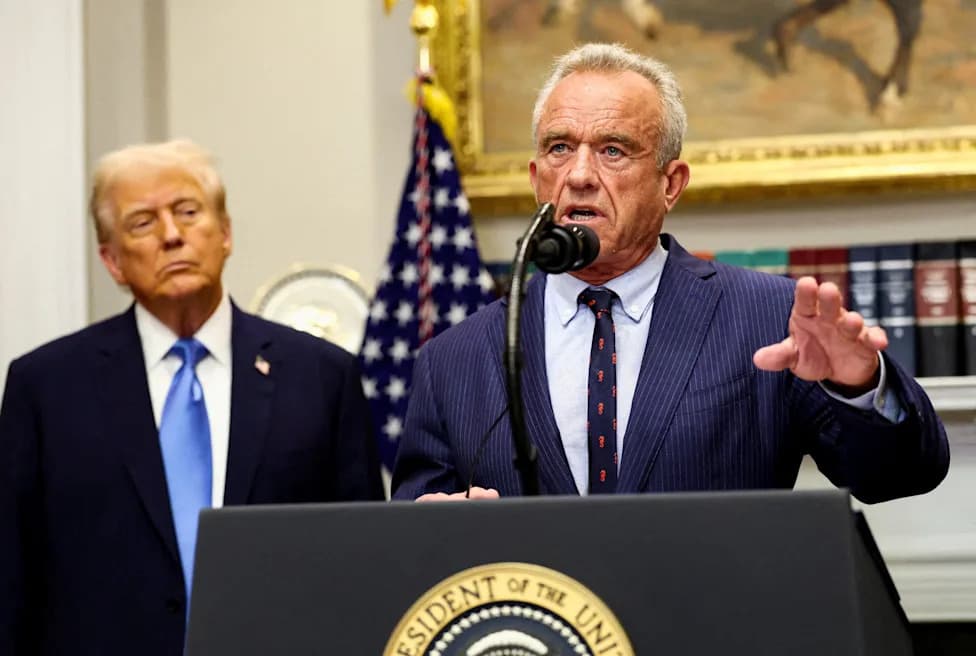
The Centers for Disease Control and Prevention has seen its workforce shrink by roughly 30% since large-scale layoffs began in early 2025, a reduction that officials and former employees say is complicating Health Secretary Robert F. Kennedy Jr.'s ambitious "Make America Healthy Again" (MAHA) agenda.
Sharp Staffing Decline
Personnel records cited by The New York Times show the CDC had about 30 percent fewer employees as of May 2026 compared with pre-2025 levels. The initial round of cuts eliminated roughly 18 percent of the agency's staff; subsequent resignations and an exodus of retirees pushed the total decline much deeper. More than 1,200 staff retired between March 2025 and May 2026 — nearly four times the number who retired in the comparable period two years earlier.
Operational Impact
Current and former CDC employees told The Times the reductions have weakened the agency's ability to respond to infectious disease outbreaks, issue timely vaccine guidance and support state and local health departments. Entire units have been closed, and centers that focus on chronic disease and birth defects — key areas of Kennedy's agenda — have reportedly been reduced to roughly half their prior staffing levels.
"It's a zombified CDC where you have all the bits and pieces, like the body's there, the substance is there, but it's not acting like how an agency like that should act," said Dr. Demetre Daskalakis, former head of the CDC's respiratory disease center.
Dr. Jonathan Mermin, another former senior official, compared the cuts to "losing a third of a city's firefighters and then wondering why downtown is burning."
MAHA Food Policy And Other Delays
One prominent MAHA objective — reducing Americans' exposure to certain ingredients common in ultra-processed foods — has also encountered delays. A March draft letter obtained by The Washington Post showed Kennedy backing a petition from former FDA Commissioner David Kessler that called for greater scrutiny of processed refined carbohydrates. Kennedy described the petition as an "historic opportunity" and requested safety information from manufacturers.
But that proposed response has been under White House review for months, and a separate effort to define "ultra-processed" foods at the federal level has also stalled. Kennedy's draft fell short of Kessler's call for mandatory safety demonstrations by manufacturers; it instead sought industry safety data without setting enforcement deadlines or consequences for noncompliance.
Official Responses
The Department of Health and Human Services disputed the bleak assessments of the agency's capacity, saying the CDC "continues to protect the health and safety of the American people." HHS added that new CDC leadership is reviewing the agency so it can advance both administration priorities and its "core public health mission." The White House says MAHA remains a presidential priority and officials are consulting industry and stakeholders as they develop policy.
What This Means
Taken together, the staffing reductions and policy delays highlight a central tension in the administration's health overhaul: ambitious plans to tackle chronic illness and reshape the nation's food supply are colliding with a public-health workforce that has materially contracted. Agency officials warn that overseeing congressionally funded programs and responding quickly to public-health threats will be more difficult without sufficient personnel and institutional capacity.
Bottom line: The MAHA agenda's goals remain on the administration's agenda, but meaningful implementation — especially in chronic disease programs and food-policy changes — faces both personnel and procedural hurdles.
Help us improve.