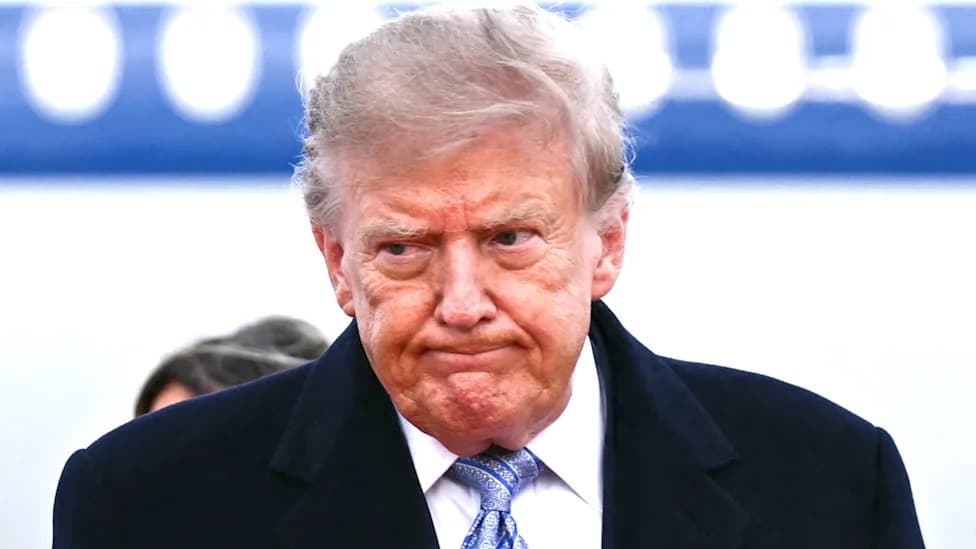
The Smithsonian temporarily closed seven South Mall locations after an outage at a GSA chilled-water plant disrupted cooling and humidity systems needed to protect collections. Affected sites include the Hirshhorn, the National Museum of the American Indian and the Smithsonian Castle; other museums remained open. The shutdowns came amid a wider dispute with the White House over exhibit content, including a 162-page review titled "Saving America's Story" and recent executive orders. Smithsonian officials have defended their scholarship-based exhibits and urged visitors to check the institution's website for updates.
Seven Smithsonian South Mall Museums Temporarily Closed After GSA Chilled‑Water Outage — Closures Come Amid White House Dispute
Smithsonian reveals why it shut down several museums in DC
The Smithsonian Institution said Thursday that seven of its venues along Washington, D.C.'s National Mall were temporarily closed after an outage disrupted the chilled-water supply that supports cooling and humidity controls in South Mall museums.
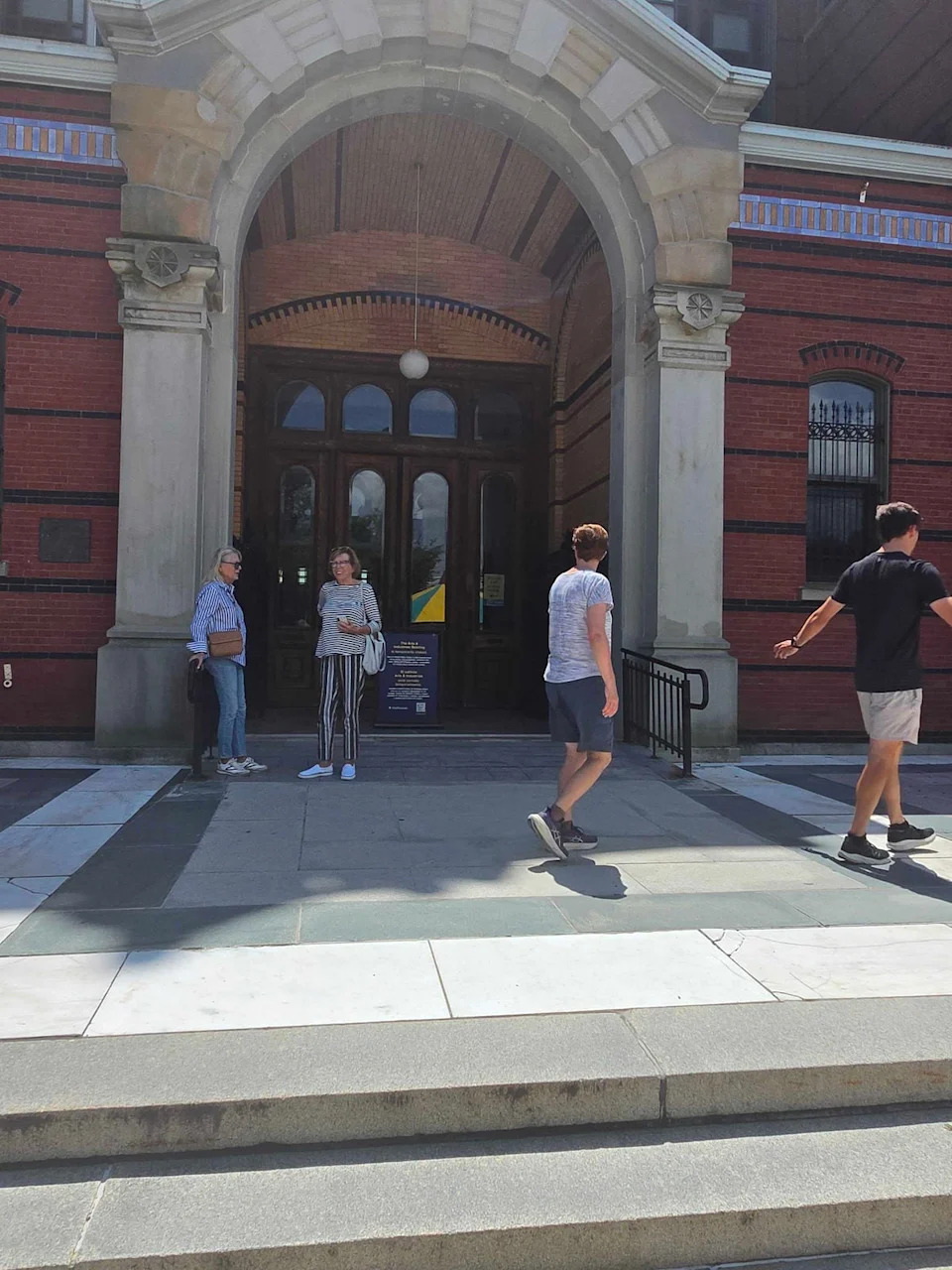
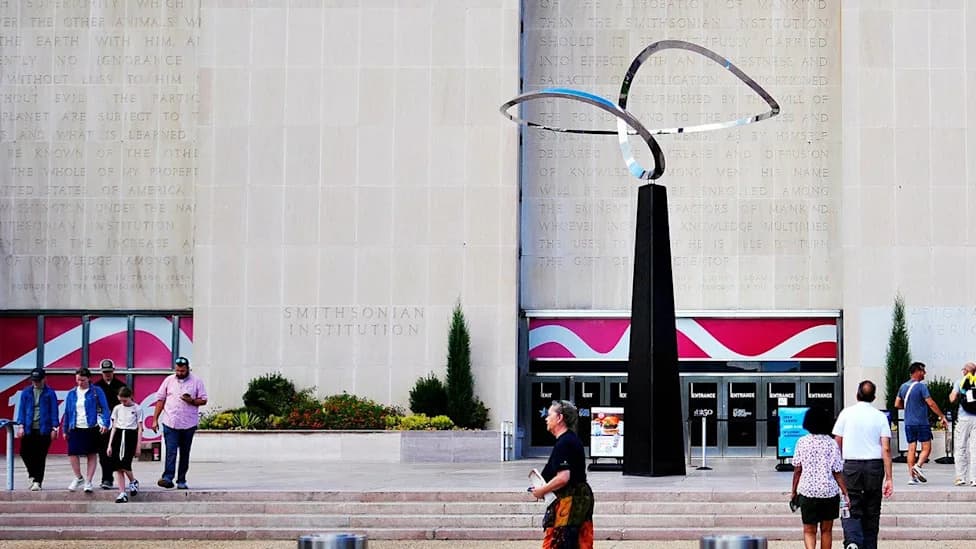
People outside the Smithsonian Arts & Industries Building after it was temporarily closed (John Bowden / The Independent)
In a statement to The Independent, the Smithsonian said the buildings were shut after "an outage at GSA's Heating Operations and Transmission Division plant disrupted the chilled water supply needed to support the Smithsonian's cooling systems and humidity controls in South Mall museums." The institution added: "Once GSA resolves this issue, the Smithsonian will return to normal operations."
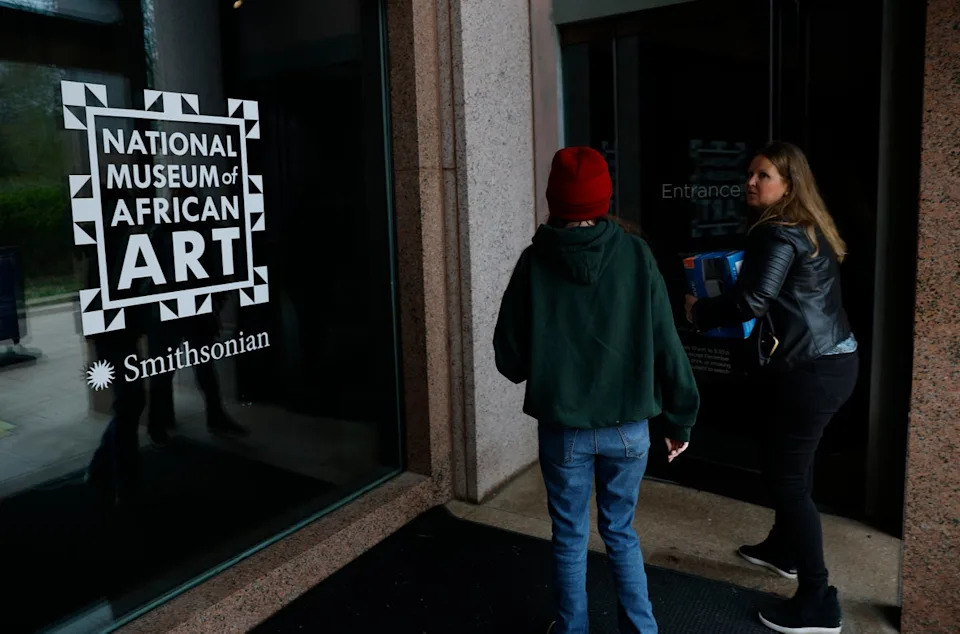
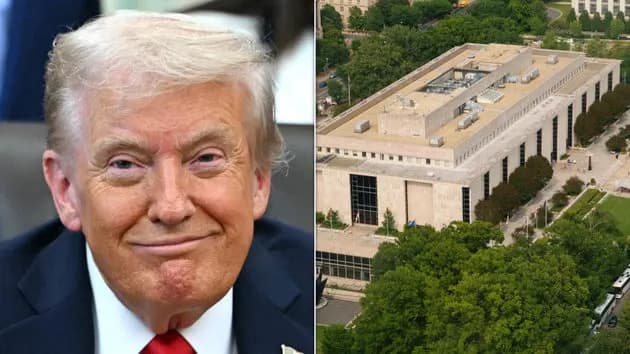
Seven Smithsonian locations along D.C.'s National Mall, including the pictured National Museum of African Art, were closed Thursday due to an unspecified 'mechanical issue' (Getty)
Affected Locations
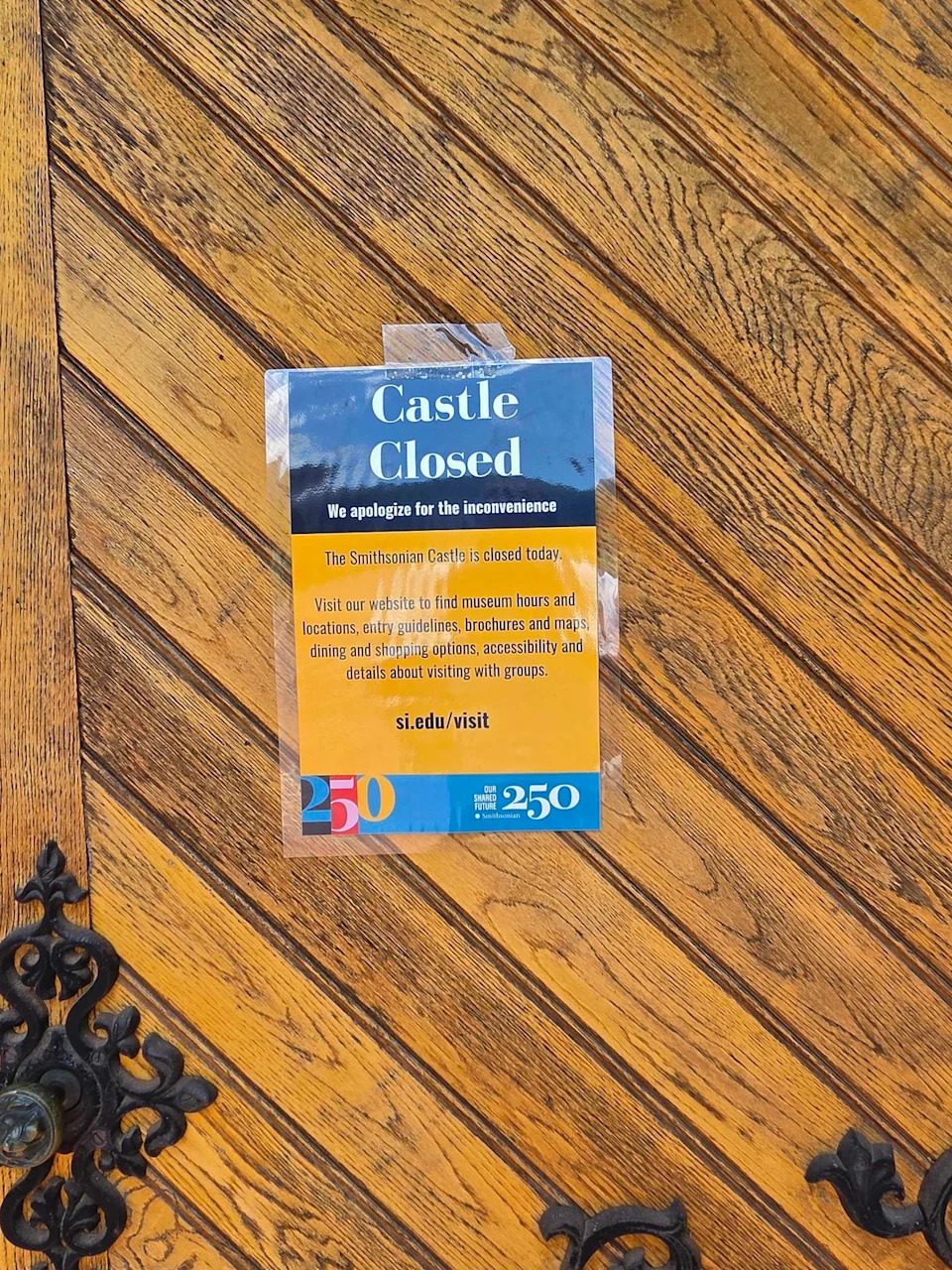
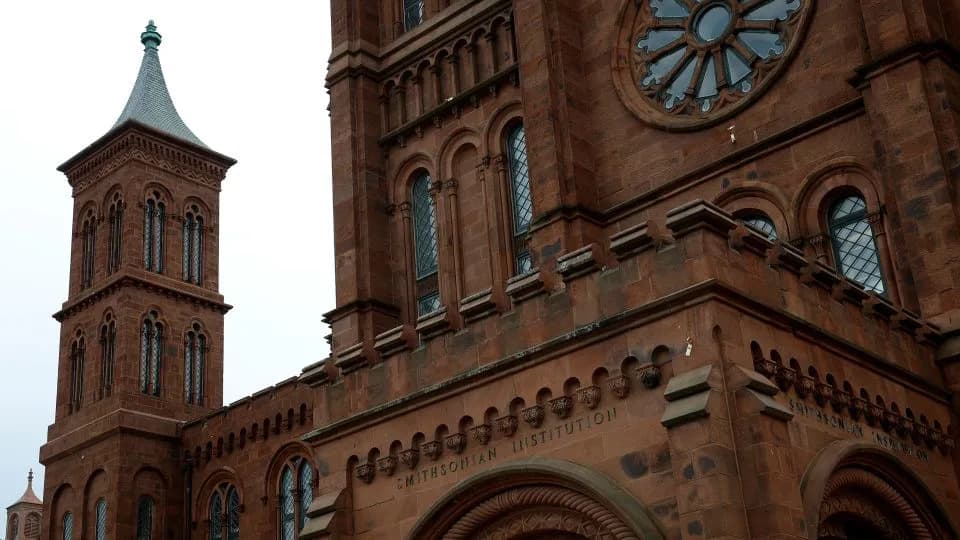
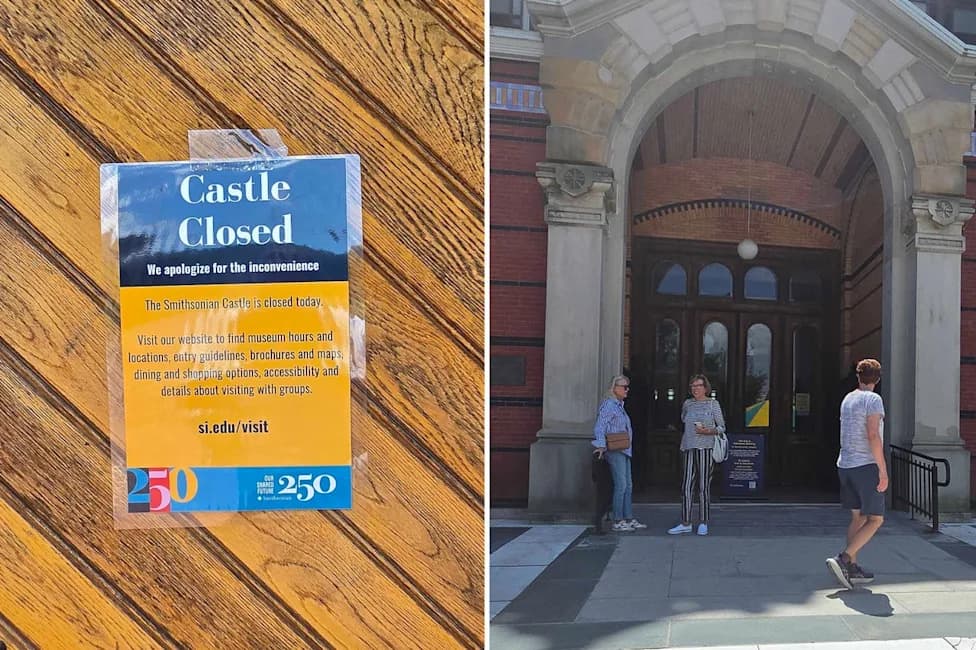
A sign saying the Smithsonian Castle in Washington, D.C., is temporarily closed (John Bowden / The Independent)
- National Museum of the American Indian
- Hirshhorn Museum and Sculpture Garden
- National Museum of Asian Art
- National Museum of African Art
- Smithsonian Castle
- Arts and Industries Building
- S. Dillon Ripley Center
All seven sites are located along the south side of the National Mall on Jefferson Drive SW. The Smithsonian said other museums in its network remained open and were operating on their regular schedules. Visitors were advised to check the Smithsonian's website for updates as crews worked to restore the chilled-water service and associated climate controls.
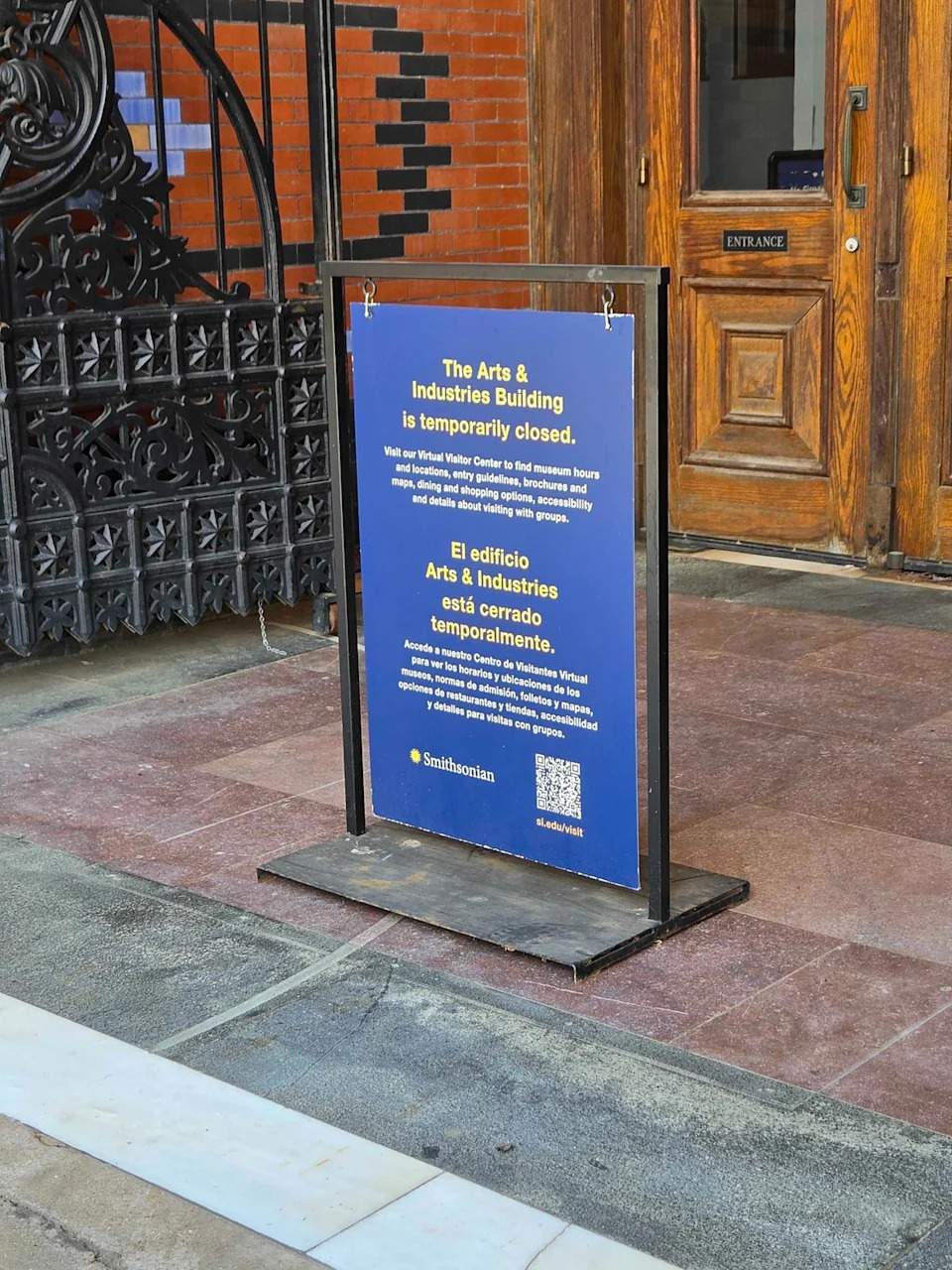
The Smithsonian Arts & Industries Building in Washington, D.C., was also temporarily closed (John Bowden / The Independent)
Political Context
The temporary closures occurred against the backdrop of an ongoing dispute between the Smithsonian and the White House over how American history is presented. The Trump administration has criticized some Smithsonian exhibits as politically biased or "woke," and has pushed for displays that emphasize American achievements ahead of the United States' 250th anniversary in July 2026.
Relations between the administration and the Smithsonian escalated after an earlier White House review of Smithsonian museums, including the National Museum of American History, prompted accusations that the institution had shifted from education toward political activism. On July 4, 2026, the administration released a 162-page report titled "Saving America's Story," outlining its criticisms. On July 25, 2026, the President signed an executive order directing that warning signs be placed in front of certain museums to alert visitors to what the administration described as potentially "inaccurate information" in exhibits.
"As we continue to fact-check the report, we unwaveringly attest that it does not fairly or accurately characterize the full body of work at the museum," said Anthea M. Hartig, director of the National Museum of American History, in testimony before a House Oversight subcommittee on July 21. "There is always room for improvement. But I also know the beauty and the inspiration and the expertise that lies in our collections, our exhibits, and our programming."
The Smithsonian has defended its curatorial choices, saying exhibits are grounded in scholarship and research and that confronting difficult chapters of the nation's past—such as slavery, racism and struggles for justice—is essential to telling a complete and accurate story of America.
Help us improve.