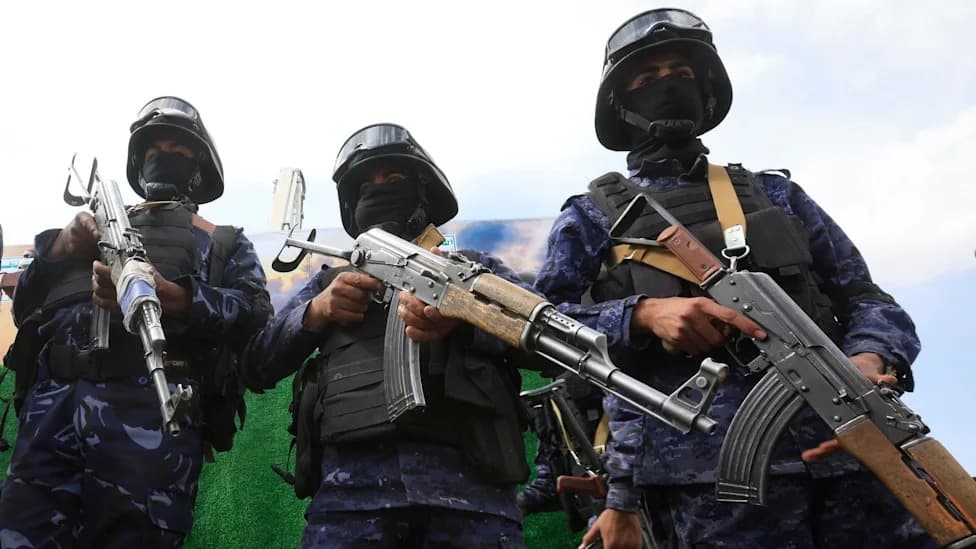
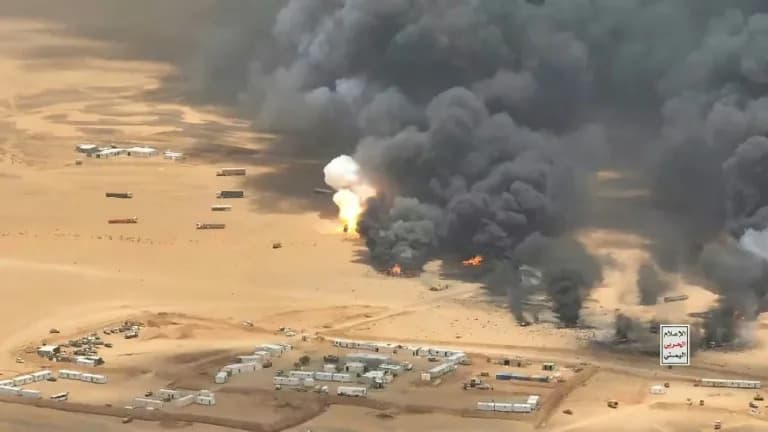
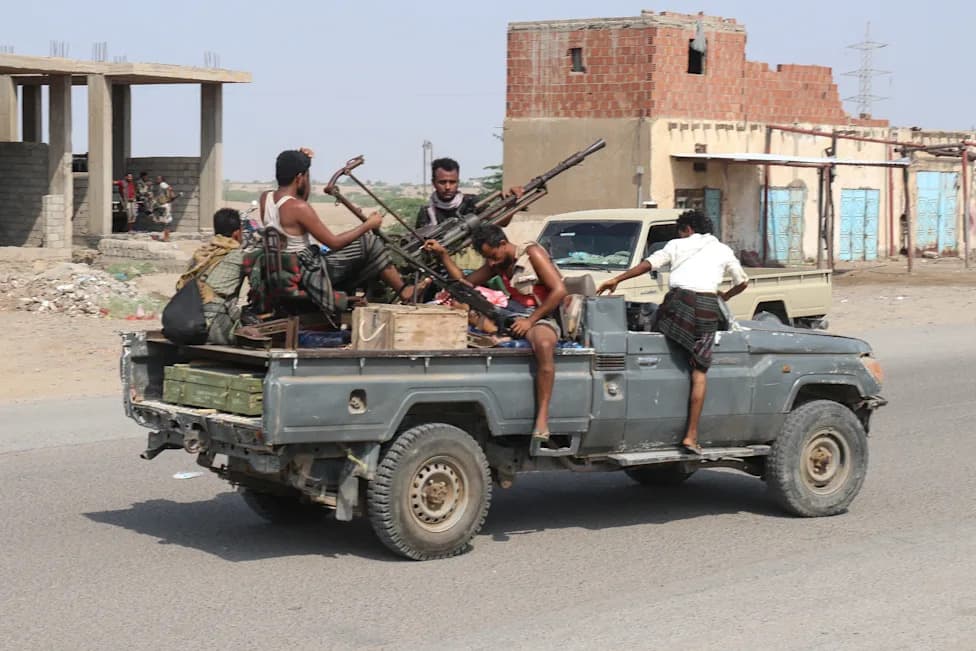
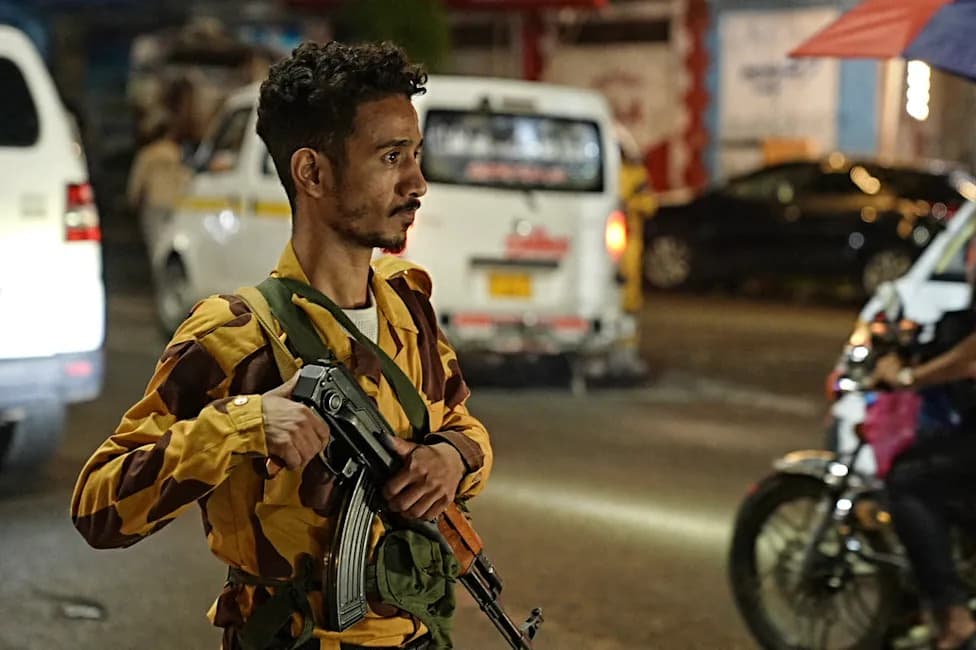
At least 30 Yemeni government troops were reported killed after Houthi forces launched coordinated missile and drone strikes on military camps in central Yemen, the defence ministry said.
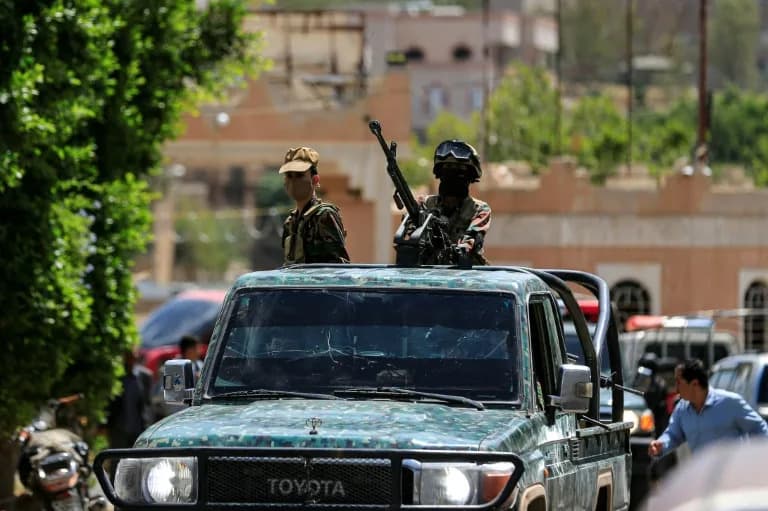
The defence ministry said ballistic missiles and unmanned aerial vehicles struck multiple camps in Marib and Hadramawt provinces, causing deaths and injuries among Yemeni personnel, but it did not provide a single, definitive casualty toll.
Timing and locations: The ministry said the strikes occurred at 10:40 local time (07:40 GMT) on Thursday. A military official speaking to AFP named camps in the al-Ruwaik area of Marib and in the al-Abr, al-Wadiah and al-Thaniyah areas of Hadramawt, near the Saudi border, as being hit.
Conflicting casualty figures: AFP quoted medical sources reporting 38 killed and 29 wounded, while pro-government military sources and outlets cited by Aden al-Ghad and Belqees TV put the death toll at more than 40. Yemen's defence ministry gave the lower figure of "at least 30." The Houthis, for their part, claimed the strikes killed and wounded "hundreds of Saudi enemy mercenaries." The widely diverging numbers have not been independently verified.
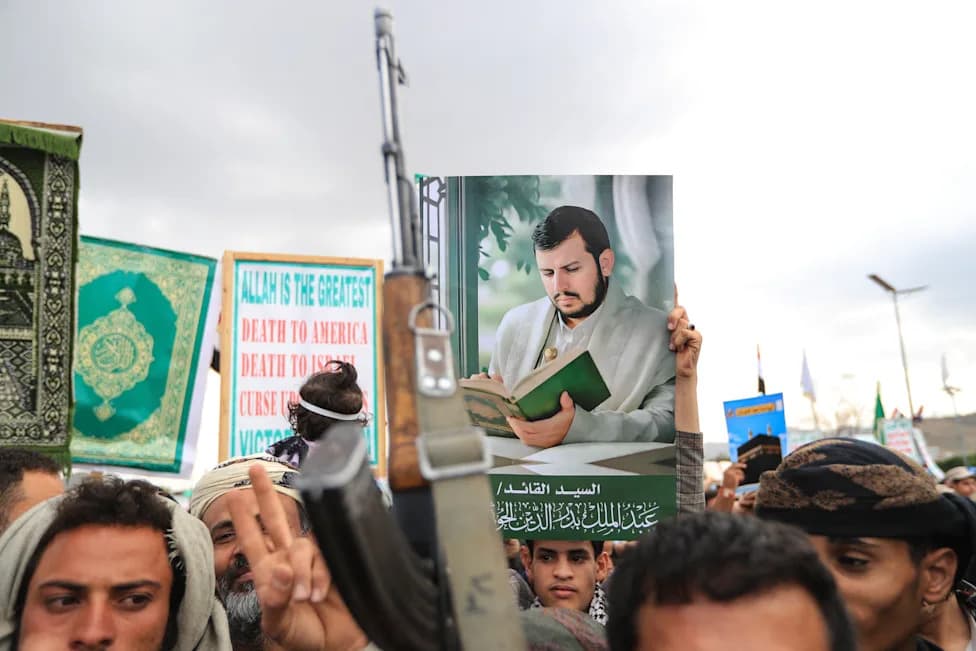
Yahia Sarea, a Houthi military spokesman, said the operation destroyed buildings, weapons and vehicles at the targeted camps and accused what he described as "large Saudi military build-ups" of preparing an offensive.
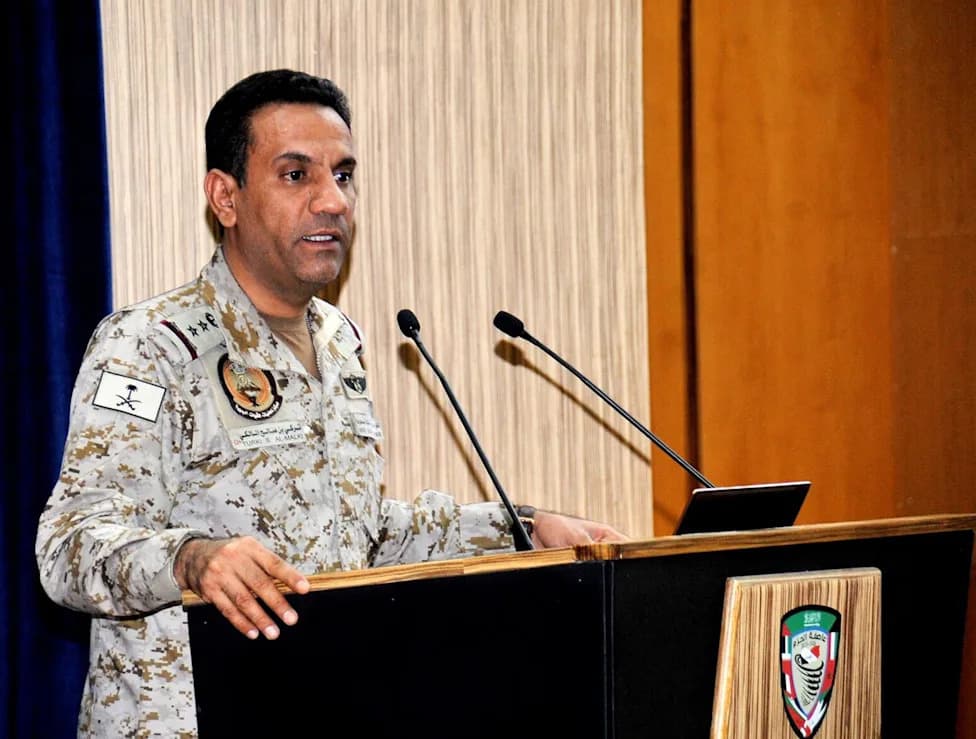
International reactions: Deputy UN spokesperson Farhan Haq urged all parties to exercise restraint and avoid actions that could lead to greater escalation, warning that renewed fighting could reverse the gains made in reducing violence since the 2022 ceasefire. The US mission to Yemen condemned the strikes as "cowardly" and described them as part of what it called Houthi terrorism against the Yemeni people. There was no immediate public comment from the Saudi government or the Saudi-led coalition.
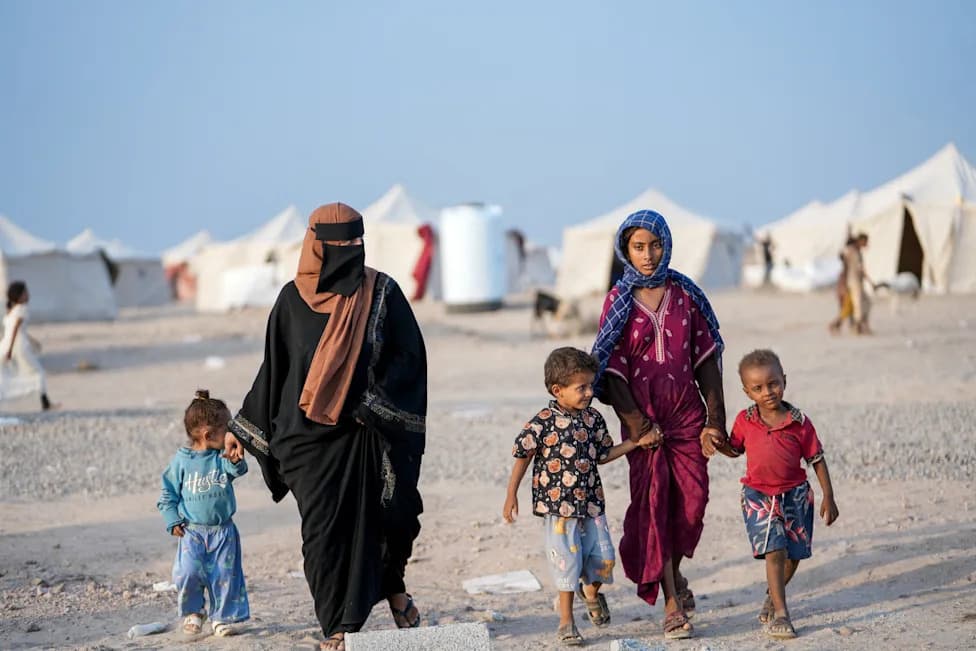
Wider context: Yemen's conflict began in 2014 when the Houthis seized Sanaa and expanded in 2015 after a Saudi-led coalition intervened to restore the internationally recognized government. The war has devastated the country, with UN estimates citing more than 150,000 deaths and over 22 million people in need of assistance.
Violence had largely tempered under a UN-mediated ceasefire from 2022, but hostilities have surged again in recent weeks. On 20 July the Houthis announced a "maritime embargo" on Saudi Arabia and have since launched missile and drone attacks on Saudi airports, oil facilities and shipping in the Red Sea—actions they say are retaliatory for blockades and strikes affecting Houthi-controlled areas.
Riyadh has conducted strikes on Houthi positions and helped form a new naval coalition to protect shipping in the Red Sea and the Gulf of Aden; Saudi state media said representatives from 43 countries attended the coalition's founding meeting, where the commander described the force as "purely defensive."
Other developments: International reporting also links recent clashes to the sinking of an Indian-flagged vessel off Yemen's coast and Houthi claims of missile strikes on Saudi territory—events that have raised concerns about a broader regional escalation with potential global economic consequences.