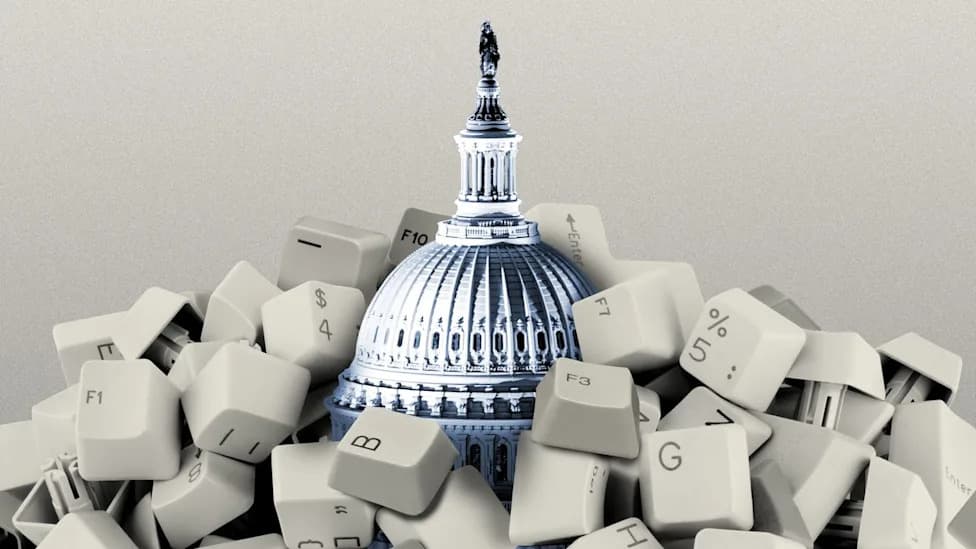
Sabrina Javellana, a former local Florida official, says AI-generated deepfake pornography devastated her life and career. The bipartisan DEFIANCE Act, which would let victims sue creators and distributors of nonconsensual explicit deepfakes, passed the Senate but is stalled in the House amid political resistance. Advocates from Paris Hilton to public figures across the political spectrum urge passage; survivors call for both civil remedies and stronger platform accountability. The debate highlights gaps between rapidly advancing AI harms and current legal protections.
‘Slap In The Face’: Deepfake Survivor Condemns GOP Delay Of AOC’s DEFIANCE Act
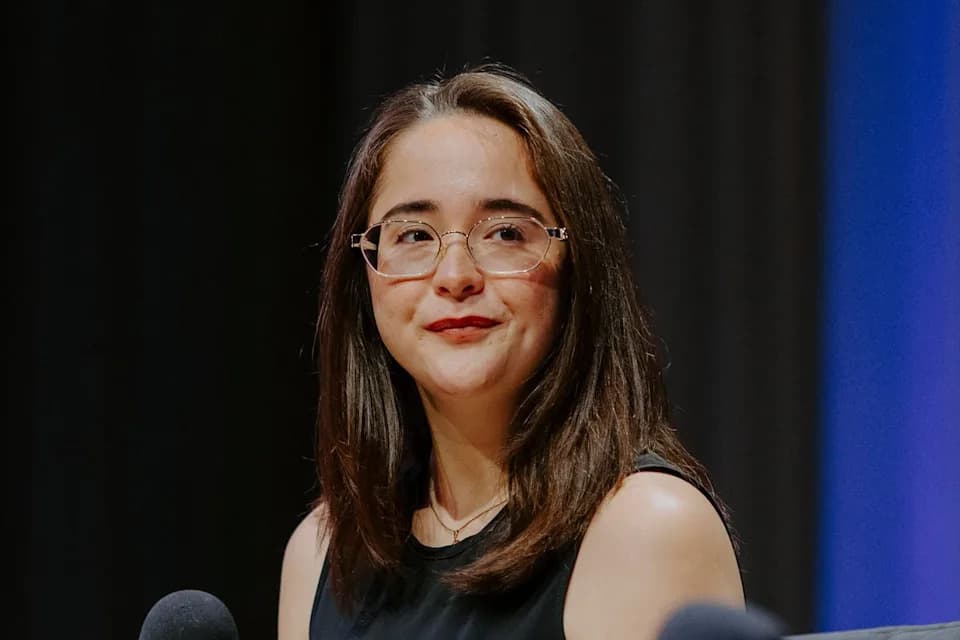
Sabrina Javellana was 23 and working in local politics when she fell victim to AI deepfake pornography in 2021. She said it turned her life 'upside down' (Sabrina Javellana/Getty)
Sabrina Javellana says her life was turned upside down after an AI-generated deepfake sexual image of her — created from a teenage mirror selfie — began circulating online. Her experience has made her one of the most prominent survivors calling for stronger federal protections and platform accountability as nonconsensual sexually explicit deepfakes surge.
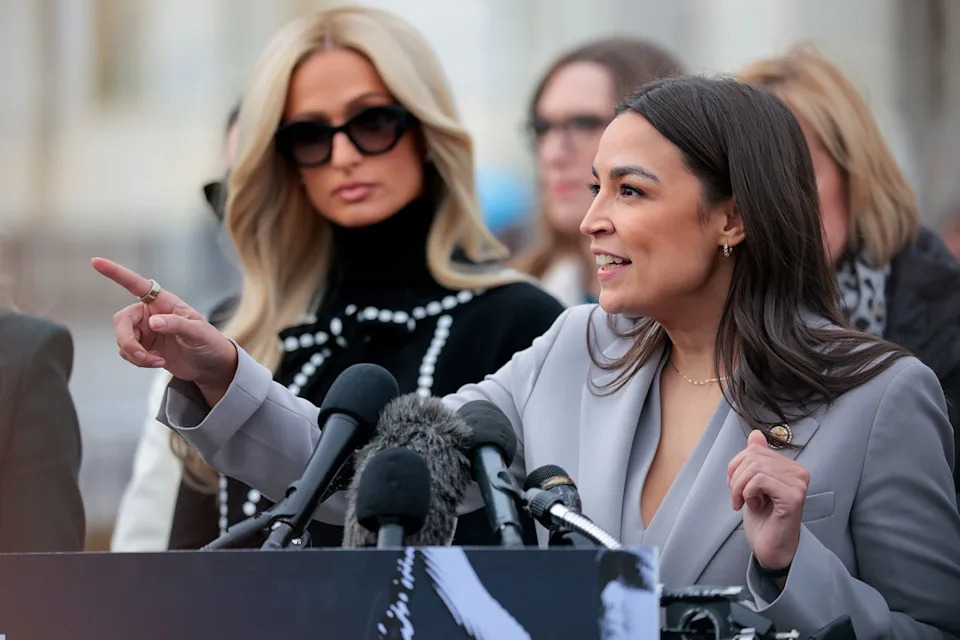
Paris Hilton told The Independent: 'Every day the DEFIANCE Act isn't put on the calendar in the House, more women and girls become victims without a meaningful path to justice' (Getty Images)
The Personal Toll
Javellana, who was 23 and serving in local Florida politics when she was targeted in 2021, describes the deepfake as a form of sexual violence that shattered her sense of safety. Anonymous users reposted doctored images and left violent, degrading comments; she faced fear for her family and home, health impacts and ultimately stepped away from public office.
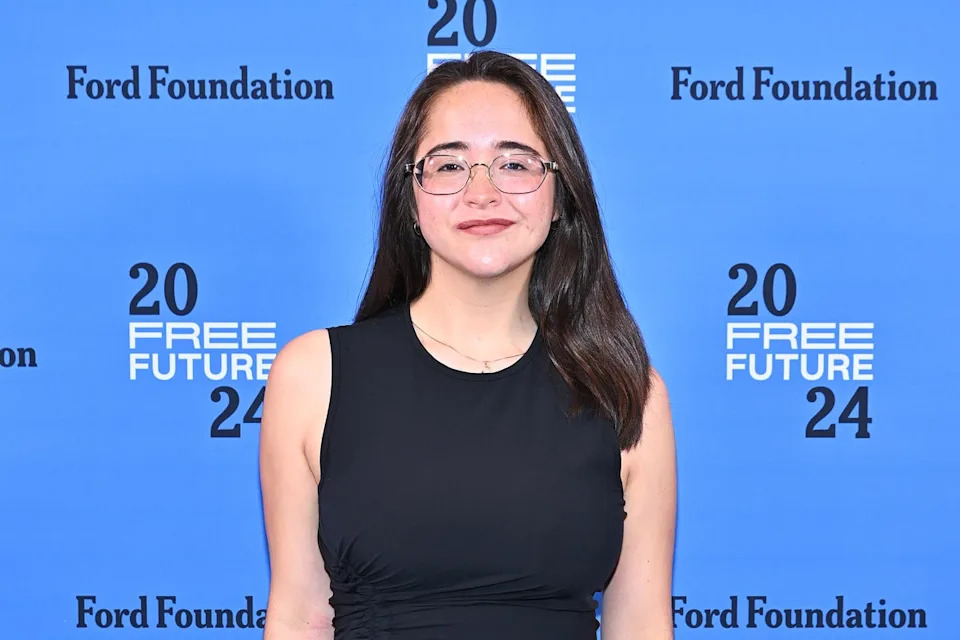
Javellana suffered in silence for a year, not wanting to tell her family or friends about the images. After speaking out, she has joined advocates like Paris Hilton to call for legislation to stop AI deepfake pornography (Getty Images for The Ford Founda)
"It felt like a slap in the face to the women and girls who have spoken so bravely to tell their stories," Javellana told reporters. "I felt like I had no agency over my own body… this was a new form of sexual violence."
How Big Is the Problem?
AI tools and "nudification" apps have made creating realistic explicit deepfakes easier and cheaper. Analysis cited in reporting estimates deepfakes rose from roughly 500,000 in 2023 to as many as 8 million by 2025, and about 99% of identified nonconsensual explicit deepfakes target women.
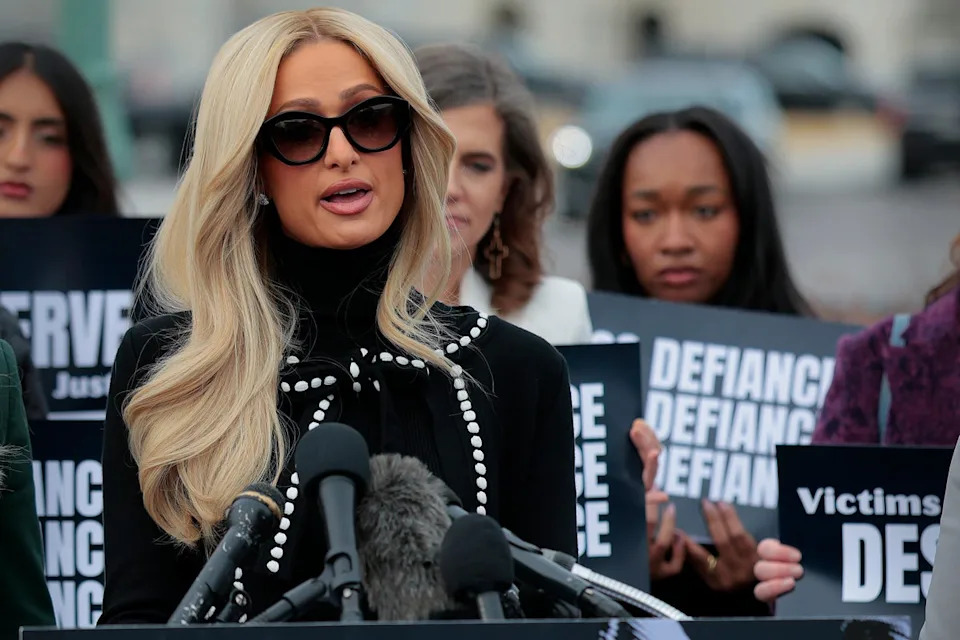
Hilton has hit out at Republican leadership for stalling on the bill. 'Representative Jim Jordan and House leadership have an opportunity to protect millions and send a clear message that people who knowingly create or distribute nonconsensual explicit deepfakes to cause harm will be held accountable,' she said (Getty Images)
Federal Response: Laws Proposed and Stalled
Congress passed the TAKE IT DOWN Act last year, which bars publishing authentic or AI-generated sexual images without consent and requires platforms to remove such content within 48 hours of a complaint. The DEFIANCE Act — sponsored by Rep. Alexandria Ocasio-Cortez (D-N.Y.) with Republican co-sponsor Rep. Laurel Lee (R-Fla.) — would add a civil cause of action allowing victims to sue creators, distributors, and those who solicit these nonconsensual images.
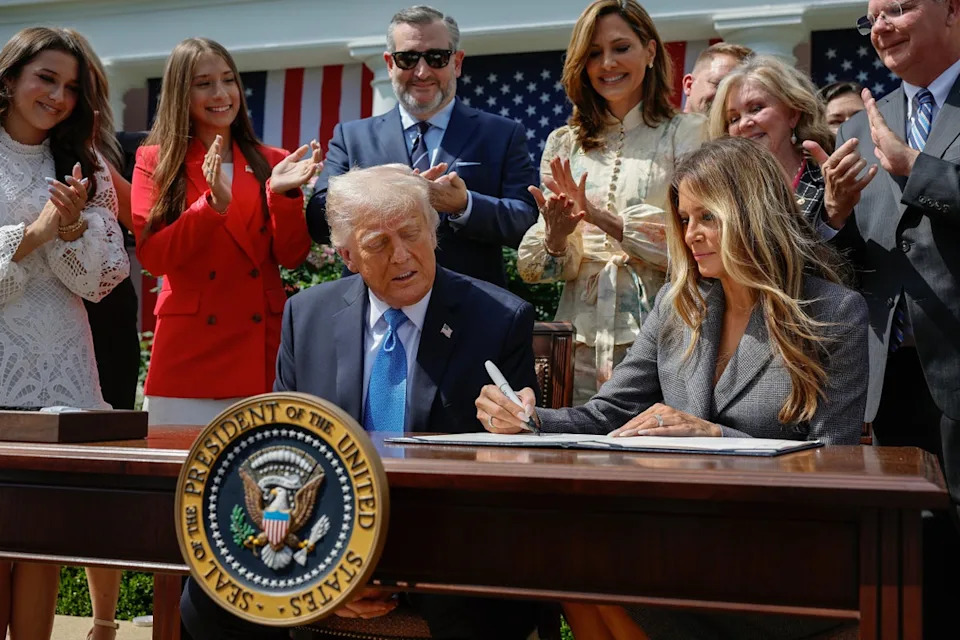
First lady Melania Trump supported the TAKE IT DOWN Act last year, which prohibits the publication of authentic and AI-generated sexual images published without a person's consent, and requires online platforms to remove them within 48 hours of a complaint (Getty Images)
The DEFIANCE Act passed the Senate by unanimous consent in January but has stalled in the House Judiciary Committee as the legislative calendar tightens. Advocates say some Republicans are blocking the bill for political reasons tied to AOC’s sponsorship.
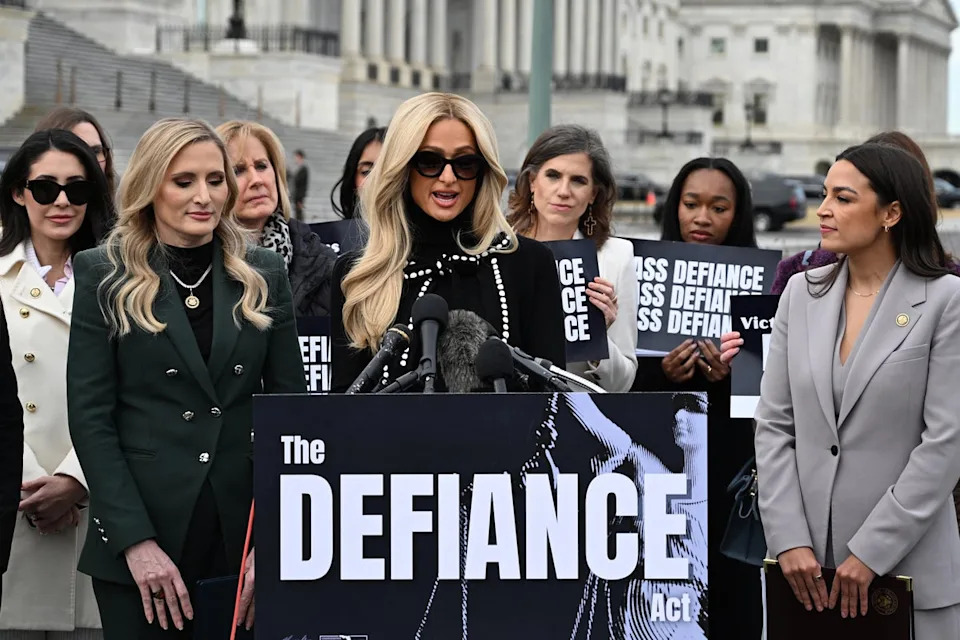
The DEFIANCE Act is flailing in the House and time is running out to pass it. Javellana is calling on lawmakers to get it done (AFP via Getty Images)
Advocates, Critics, And Tech’s Role
Public advocates including Paris Hilton, former First Lady Melania Trump (who backed the TAKE IT DOWN Act), and the Duke and Duchess of Sussex have urged rapid House action. Hilton, who has said more than 100,000 deepfake images of her exist online, warned that every day the DEFIANCE Act remains unacted upon leaves more victims without meaningful recourse.
Industry responses appear mixed. OpenAI CEO Sam Altman said he was "unfamiliar" with the bill during recent meetings in Washington. Separately, Elon Musk’s xAI is suing Minnesota over efforts to ban certain nudification apps. Survivors and lawmakers argue that platform practices and tech industry pushback are part of the reason stronger protections are slow to arrive.
From Local Fight To Federal Push
Javellana helped push Florida legislation after her experience: in 2022, State Senator Lauren Book introduced a bill making creation of sexually explicit deepfakes without consent a felony, and Javellana testified in support. Gov. Ron DeSantis signed the bill into law, a victory she hopes the DEFIANCE Act will replicate at the federal level.
What Survivors Want
Survivors and advocates want both reactive and preventative measures: civil remedies like those in the DEFIANCE Act, stronger platform enforcement and faster takedown procedures, and broader accountability for companies that host or profit from nonconsensual deepfake content. Javellana stresses the fight "isn't about any single lawmaker — it's about protecting people across party lines."
Resources
If you need support, contact the RAINN National Sexual Assault Hotline at 800-656-HOPE (4673) or visit rainn.org.
Help us improve.