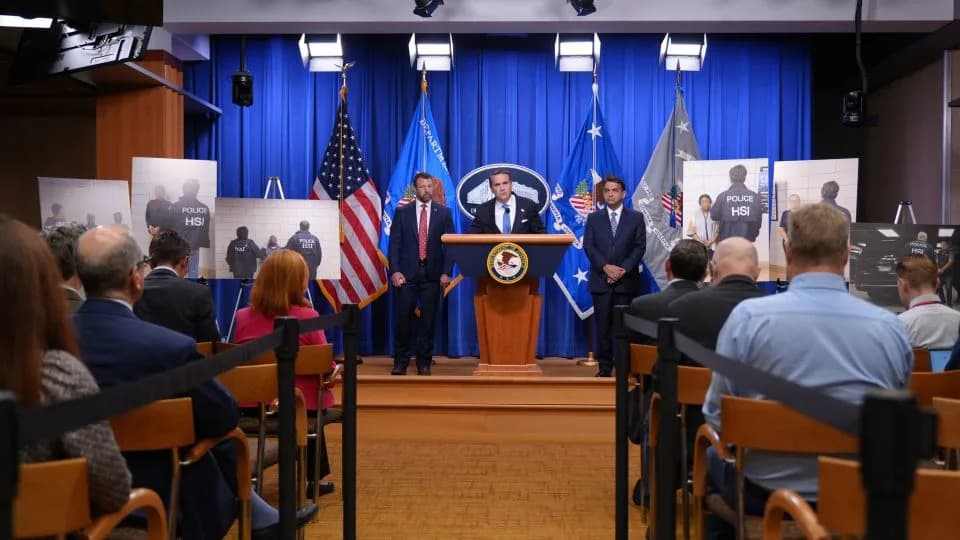
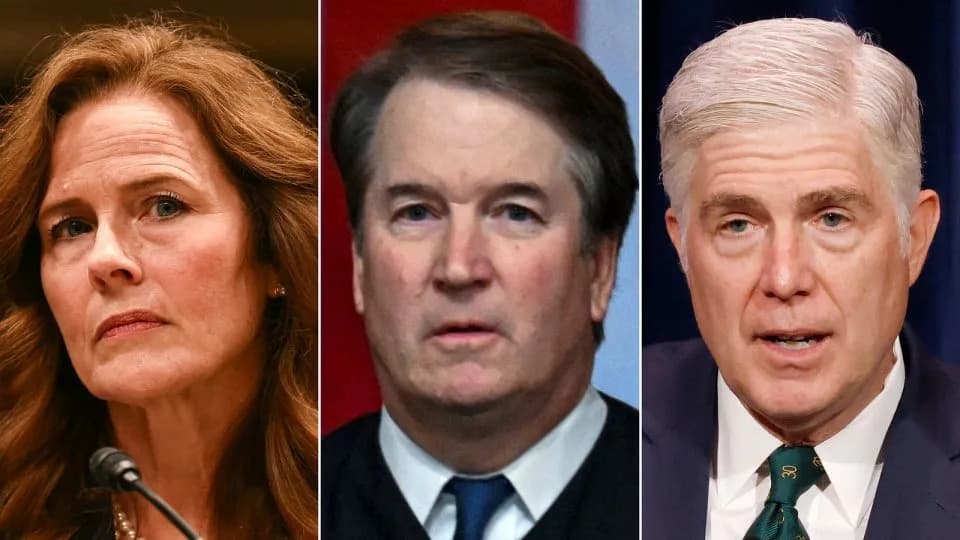
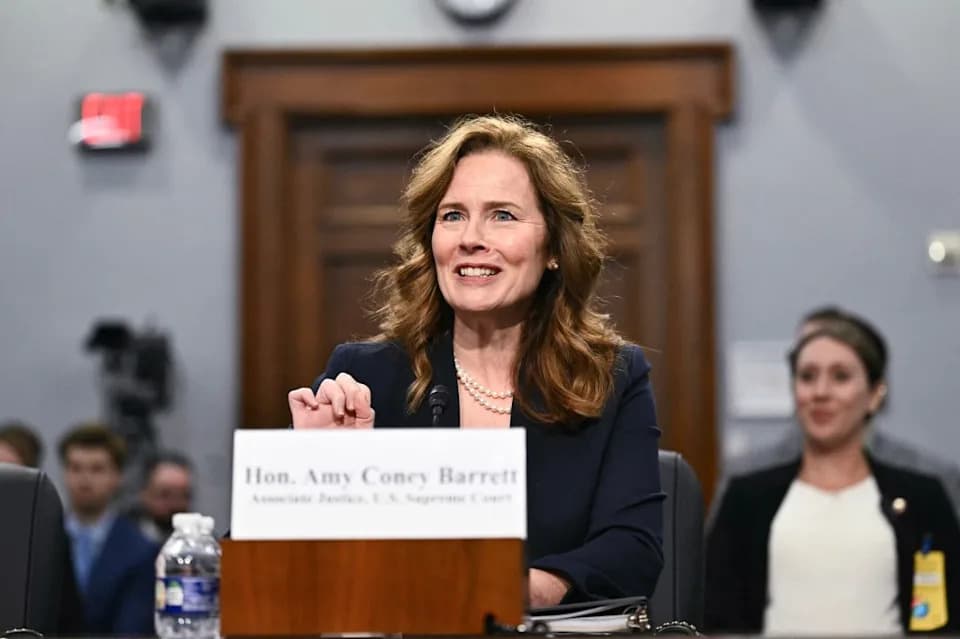
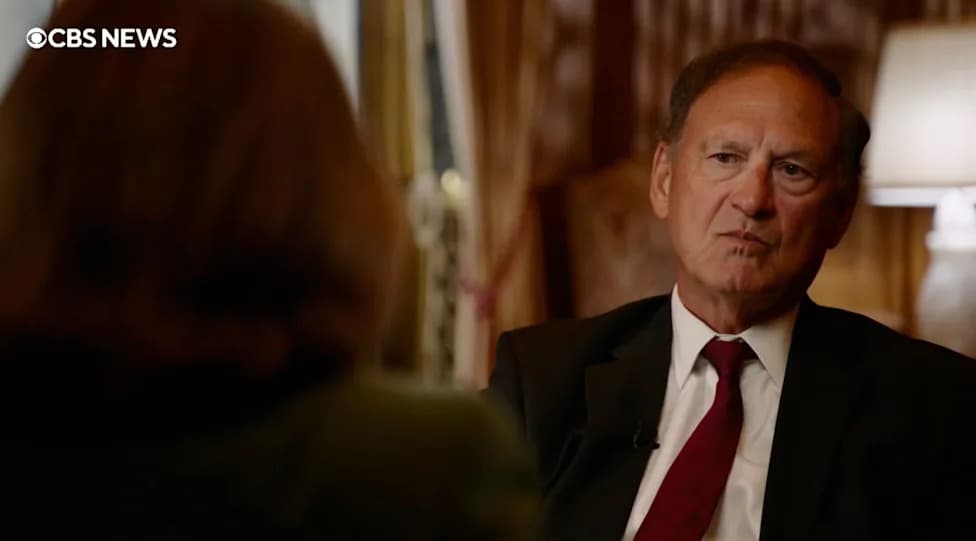
U.S. District Judge John McConnell says hundreds of threatening messages and multiple credible death threats followed his rulings that temporarily blocked the Trump administration's freeze on federal funds. The situation escalated after a social-media post singled out his daughter and was amplified on X, and his office received roughly 400 disturbing calls and emails. The U.S. Marshals Service logged 564 threats against federal judges in FY2025 (up from 509) and reported a 57% rise in serious security incidents. Officials warn that intimidation of judges threatens judicial independence, while the White House rejects claims that public criticism equals threats.
Threats Against Federal Judges Surge — Rhode Island Judge Says His Family Was Targeted
Threats Against Federal Judges Are Rising Under Trump — This Judge Says His Family Became A Target
U.S. District Judge John McConnell, the chief federal judge in Rhode Island, says he and his family were inundated with hundreds of threatening messages and multiple credible death threats after issuing rulings that blocked the Trump administration's freeze on trillions in federal funding.
McConnell told The Washington Post that the harassment intensified in early 2025 after he issued a temporary restraining order and later warned the administration that failure to comply could expose officials to criminal contempt charges.
"We're just doing our job," McConnell said. "What's unusual is the dehumanization, the threats, the personalization of our doing our jobs."
That same night, far-right activist Laura Loomer posted on X (formerly Twitter) accusing McConnell of abusing his authority and included a photo of his daughter, who previously served as a political appointee at the U.S. Department of Education. The post was amplified when Elon Musk, then the owner of X, reshared it to millions of followers.
McConnell said he expected criticism, but when his daughter was singled out he felt it personally. "I signed up for whatever, I'll take the lumps," he told The Washington Post. "But when my daughter became a target, I felt like someone put a dagger through my heart."
Escalation and Security Concerns
Following the social-media posts, McConnell's office received roughly 400 disturbing calls and emails. The U.S. Marshals Service identified at least six credible death threats, including one that specifically targeted his wife and another involving someone searching for his home address on the dark web.
McConnell also received unsettling contact at his residence. An unsolicited pizza was delivered under the name "Daniel Anderl" — a reference to the son of U.S. District Judge Esther Salas, who was fatally attacked in 2020 when a disgruntled litigant targeted her family. Officials said similar unsolicited deliveries were reported at judges' homes in at least seven states.
The U.S. Marshals Service logged 564 threats against federal judges in fiscal year 2025, up from 509 the prior year. The agency also reported a 57% increase in security incidents described as "significant concern." These figures have raised alarms among judges and court officials about the growing threat environment facing the judiciary.
Responses From Officials
The Trump administration and the president have repeatedly criticized judges whose rulings went against them. White House spokeswoman Abigail Jackson rejected the idea that public criticism equates to threats, telling The Washington Post, "The implication that President Trump sharing his opinions about judges is akin to making threats is deeply unserious and should be dismissed by anyone with half a brain. No one understands the dangers of political violence more than President Trump. The Trump Administration cares deeply for the safety of all members of the Judicial Branch."
McConnell and other court leaders say the pattern of intimidation undermines judicial independence. "Attempts to intimidate judges strike at the very heart of the constitutional role of the courts as the preserver of the rule of law in our country," he warned.
Judicial security officials continue to monitor threats and to adjust protective measures for judges and their families, while legal and civic leaders debate how best to balance transparent public discourse with the safety and independence of the courts.
Help us improve.