Extreme heat is turning electricity into emergency infrastructure, forcing grid operators to decide who stays powered when supply is tight. Recent actions — including a DOE emergency order allowing backup generation across a 17-state region and demonstrations in Texas and Arizona — show data centers can be flexible grid resources, but not all workloads are equally critical. The article urges transparent rules that prioritize life-sustaining services, protect medically vulnerable households, limit diesel generator use, and require data centers to identify essential tasks.
When Heat Pushes the Grid to the Brink: Who Keeps Power — and Who Gets Cut Off?
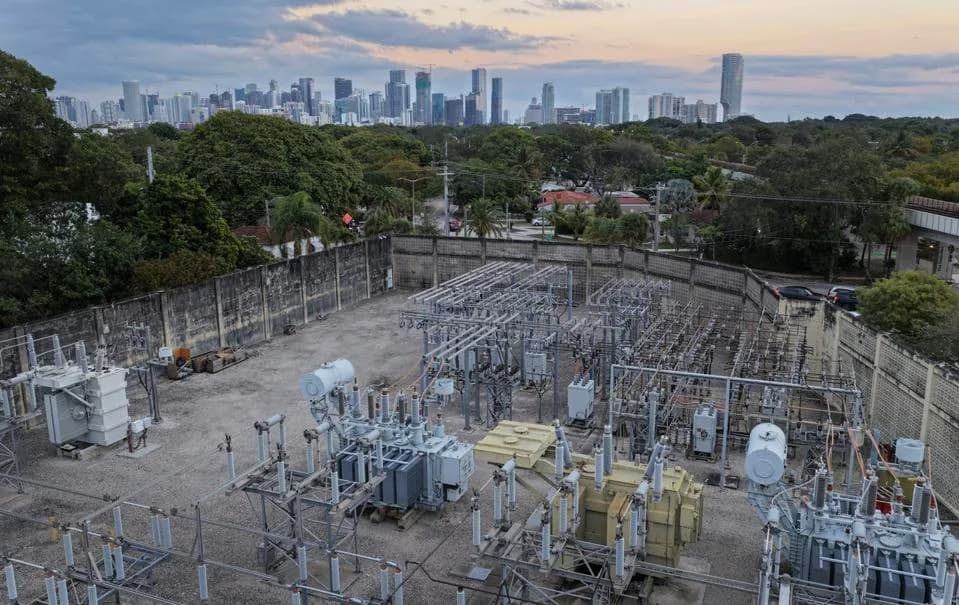
MIAMI, FLORIDA - JANUARY 14: In an aerial view, high voltage power lines run through a sub-station along the electrical power grid on January 14, 2026 in Miami, Florida. U.S. President Donald Trump announced that AI tech companies need to 'pay their own way' when it comes to their electricity consumption so that Americans don't 'pick up the tab' for their data centers. (Photo by Joe Raedle/Getty Images)Getty Images
Extreme heat is transforming electricity from a routine household service into critical emergency infrastructure. As temperatures climb, air-conditioning demand soars just as some power plants and transmission equipment become less efficient, forcing grid operators to make difficult choices about which resources to dispatch, which customers to ask to cut usage, and — in the most severe cases — where to impose outages.
How Heat Creates Grid Stress
During prolonged heat waves, multiple factors can coincide to strain the grid: higher demand from air conditioning, falling wind generation, plant outages, and reduced imports. Utilities that once planned for a handful of peak hours now need generation, transmission, storage, and reserves that can sustain stress for several consecutive days.
Recent Emergency Actions
In late July, the U.S. Department of Energy issued an emergency order allowing the Southwest Power Pool to bring idle and backup generation online across a 17-state region serving roughly 20 million people. The directive permitted backup generation as a last resort before rotating outages and allowed the operator to call on backup resources at data centers and other large commercial and industrial facilities.
Data Centers: New Demands and New Flexibility
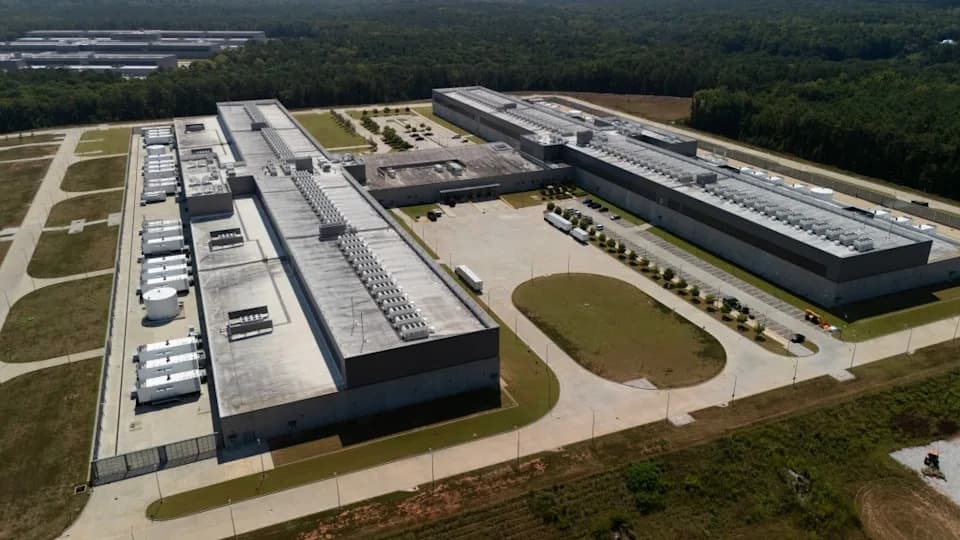
Large data centers are adding substantial new loads to regional systems, yet recent demonstrations show they can be flexible assets. In Texas, regulators approved standards requiring large data centers to disconnect in a controlled way during certain grid events. An Arizona demonstration found an AI-focused data center could reduce consumption by about 25% for three hours during a simulated peak event.
That flexibility is valuable, but not all workloads are equally essential. A center that stores hospital records, supports emergency communications, or runs water-control systems performs a public-safety function very different from one executing nonurgent, commercial compute tasks that can be delayed or moved.
Compounding Weather Risks and Lifelines
A multiyear study of U.S. outages reported that compound weather events dramatically raise outage risk: an outage lasting at least eight hours was nearly 52 times more likely when unusual heat, severe precipitation, and tropical-storm winds coincided than on normal days. Because electricity supports other community lifelines — water, communications, food, shelter, and health services — grid emergencies often cascade into broader public-health crises.
Broadband and cellular networks act as resilience infrastructure: people need connectivity to receive warnings, find cooling centers, request transport, use telehealth, and check on relatives. Communications facilities may therefore deserve priority power, but operators should distinguish genuinely critical functions from deferrable workloads.
Health, Equity, and Local Air Quality
Directing large facilities to run onsite backup generation can rapidly reduce grid demand, but it can also concentrate pollution in nearby neighborhoods. Many facilities rely on stationary engines or combustion turbines for backup power; older diesel generators in particular emit significant pollutants and are regulated under the Clean Air Act. Concentrated generator operation during heat emergencies can worsen local air quality precisely when residents are most vulnerable.
Millions of people depend on electricity for life-sustaining medical equipment. According to HHS’s EmPOWER program, many Medicare beneficiaries rely on oxygen concentrators, ventilators, powered mobility devices, and home dialysis systems that cannot be paused until the grid is restored. Vulnerable households — poorly insulated homes, renters who cannot make upgrades, and families unable to afford continuous cooling — face higher risks even before outages begin.
Policy Recommendations
To reduce harm and improve resilience, grid operators and regulators should adopt explicit, transparent rules before the next crisis:
- Rank electrical loads by consequences for human safety and community functioning so life-sustaining services receive top priority.
- Require large, flexible users — including data centers — to participate in demand-response programs and to identify which workloads are essential versus deferrable.
- Protect medically vulnerable households from disconnection and prioritize rapid restoration for people dependent on electricity for medical care.
- Prefer batteries, cleaner onsite generation, and load reduction over extended use of diesel backup generators.
- Build clean microgrids for cooling centers, water systems, clinics, and communications facilities to ensure local resilience.
- Require public reporting whenever emergency backup generation runs, including duration and estimated emissions, to make environmental burdens visible.
Conclusion
Extreme heat makes electricity allocation a public-health and equity decision as well as an engineering challenge. Policymakers and grid operators should adopt clear priorities: protect life-sustaining services first, shift flexible demand next, and make the costs and tradeoffs of emergency operations transparent to the public.
Help us improve.