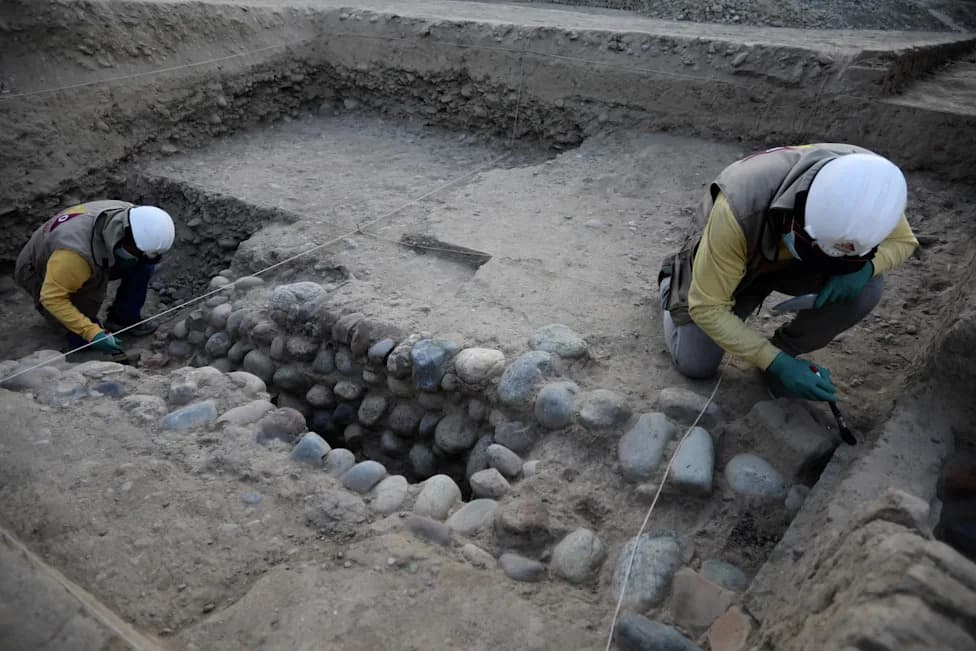
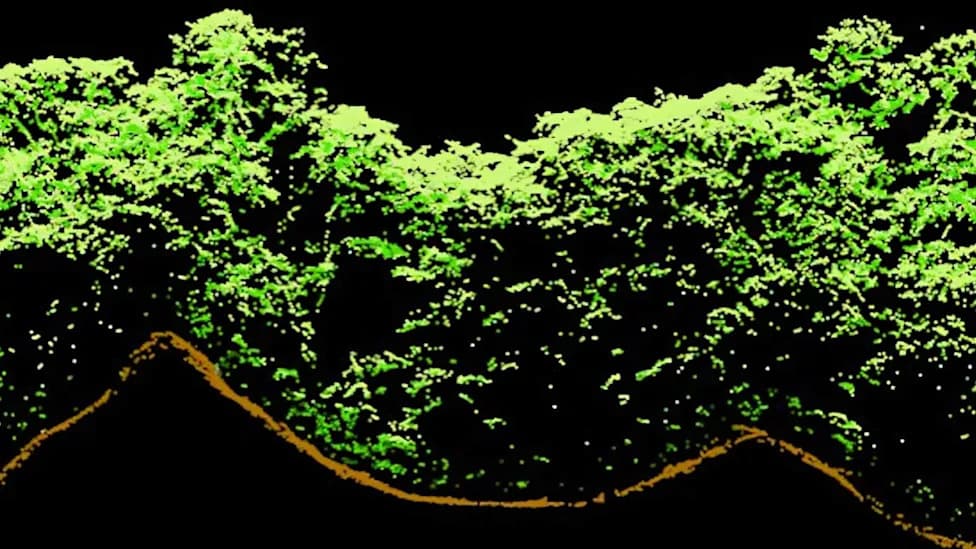
The Nature study documents 432 geometric earthworks in southwest Amazonia — nearly 400 of them newly recorded — revealing a large, organized society researchers call the Aquiry. Surveying 1,736+ square miles in Acre, Brazil, investigators estimate the cultural landscape once held 24,000–30,000 built features and may have supported 1.25–3 million people between 100–300 CE. Sites likely served ceremonial, political and athletic purposes and were abandoned around 850–950 CE.
Lost Amazonian Civilization Unearthed: Nearly 400 Geometric Earthworks Reveal Sophisticated 'Aquiry' Society
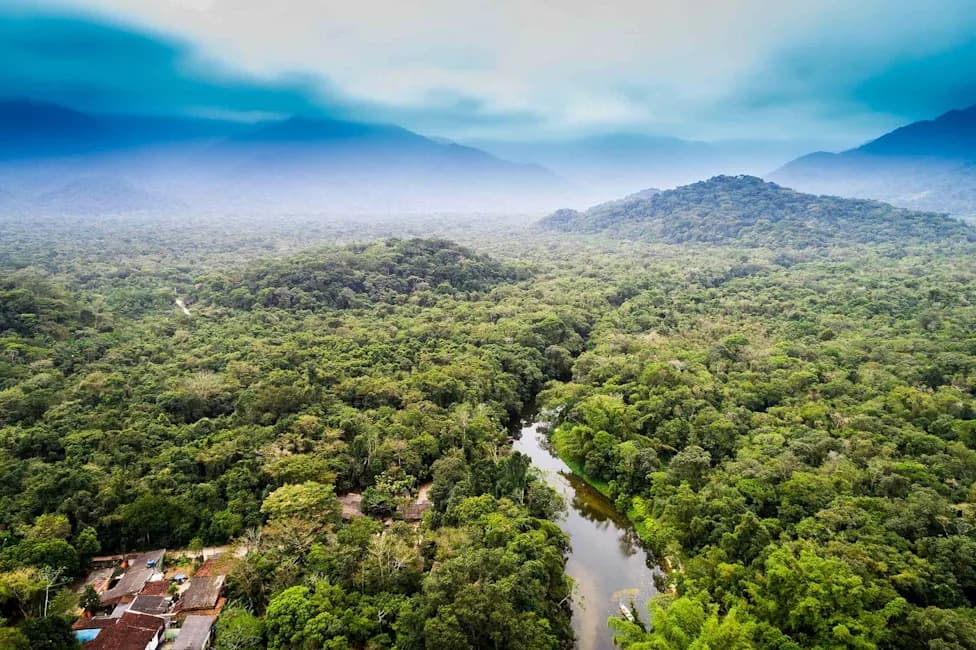
The Amazon RainforestCredit: Getty
A major new study published in Nature reveals an extensive network of geometric earthworks across the southwest Amazon, overturning long-held ideas of an untouched rainforest. Researchers documented hundreds of plazas, enclosures and roads linked to a previously little-known culture researchers call the Aquiry.
In 2024 teams surveyed more than 1,736 square miles of dense forest, concentrating on the Brazilian state of Acre. Fieldwork and remote sensing recorded 432 distinct geometric constructions — squares, rectangles and octagons — of which only 36 had been noted previously, meaning nearly 400 were newly documented.
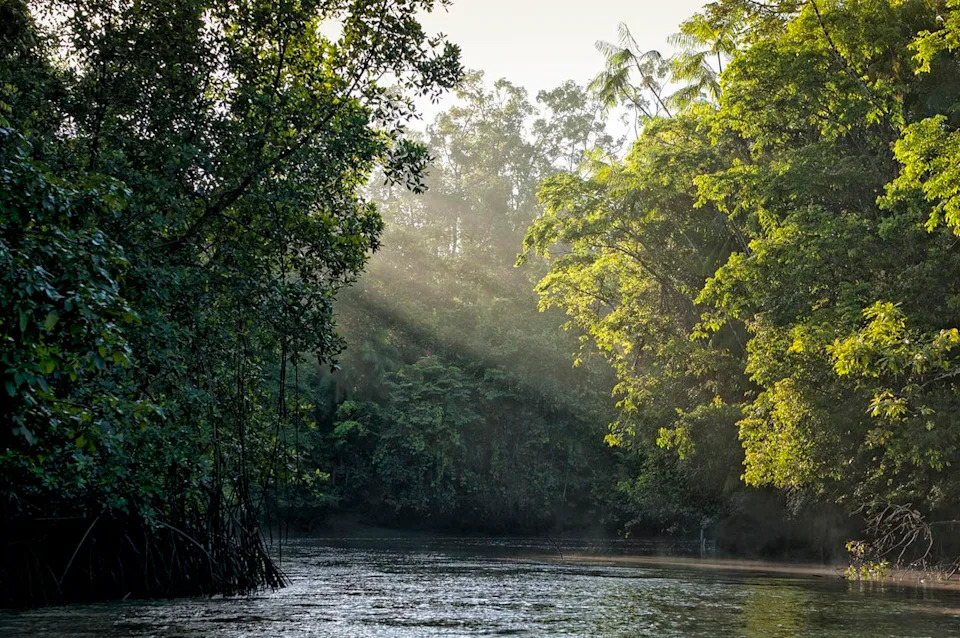
A river in the Amazon RainforestCredit: Getty
After combining on-the-ground mapping with satellite imagery and modeling, the authors estimate the Aquiry cultural landscape may once have included roughly 24,000–30,000 built features across southwest Amazonia. The modeling also suggests that constructing an average-sized enclosure would have required the coordinated effort of about 300 people, pointing to substantial labor organization and social complexity.
"These earthworks totally change our understanding of the supposedly pristine Amazon," said lead author Martti Pärssinen of the University of Helsinki. He compared the Aquiry network to ancient Greek city-states in the sense of many politically distinct centers sharing cultural practices.
Researchers propose that many geometric sites functioned as public ceremonial and political centers that hosted invited visitors. Excavation and comparative evidence suggest they were venues for ritual dancing, music, feasting, displays of chiefly generosity, athletic contests and ball games, and they were often connected by engineered roads.
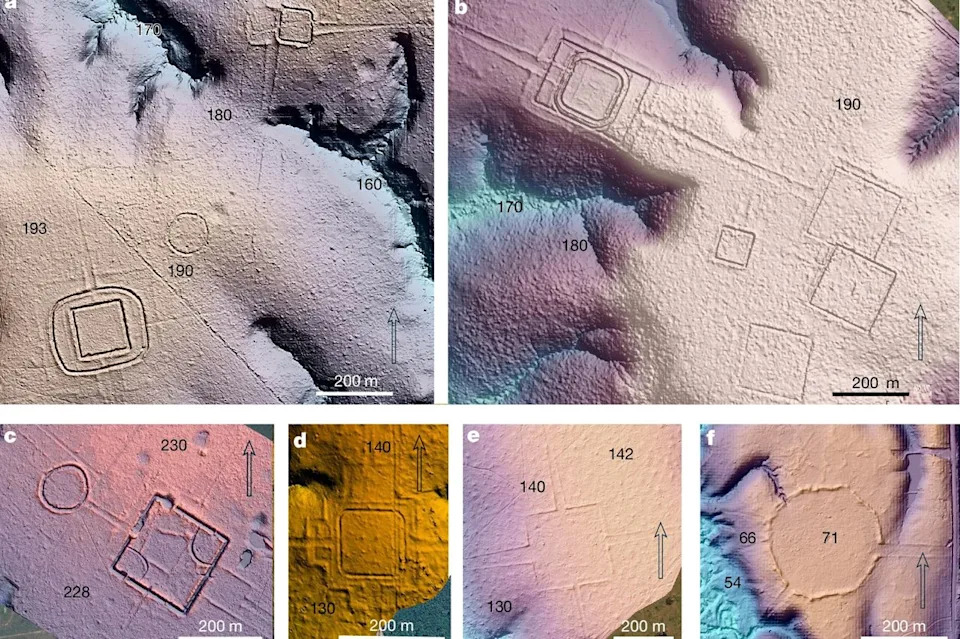
Over 20,000 precolonial earthworks in the Southwest Amazonia taken from some of the earthworks, which researchers speculated may have been the sites of ceremonial gatherings.Credit: Martti Pärssinen et al / Springer Nature
Population estimates derived from the study indicate the wider region may have supported roughly 1.25–3 million people between about 100 and 300 CE. The Aquiry constructions appear to have been largely abandoned between roughly 850 and 950 CE, consistent with a relatively rapid societal decline observed in other precolonial Amazonian contexts.
This discovery reframes precolonial Amazonian history: rather than scattered small groups, parts of the rainforest supported dense, organized societies capable of large-scale engineering and sustained cultural activity.
Help us improve.