MI6 has been ranked Europe’s top intelligence service in a peer review of 60 professionals from 25 countries, ahead of France’s DGSE. Experts attribute its lead to deep archival knowledge, selective recruitment that seeks an elusive "X-factor," strong operational focus and extensive international cooperation. Observers also note that cultural prestige—helped by fictional portrayals like James Bond—aids recruitment, though some warn that shrinking British global influence could complicate future talent acquisition.
How MI6 Topped France to Lead Europe’s Spy Rankings
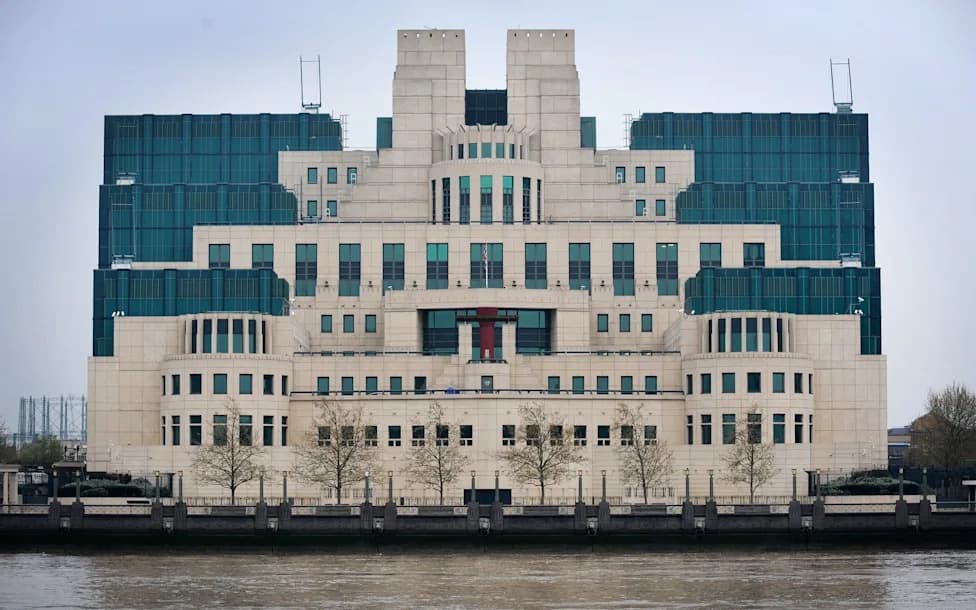
The London headquarters of MI6, which was established in 1909 - Tim Ireland/PA Wire
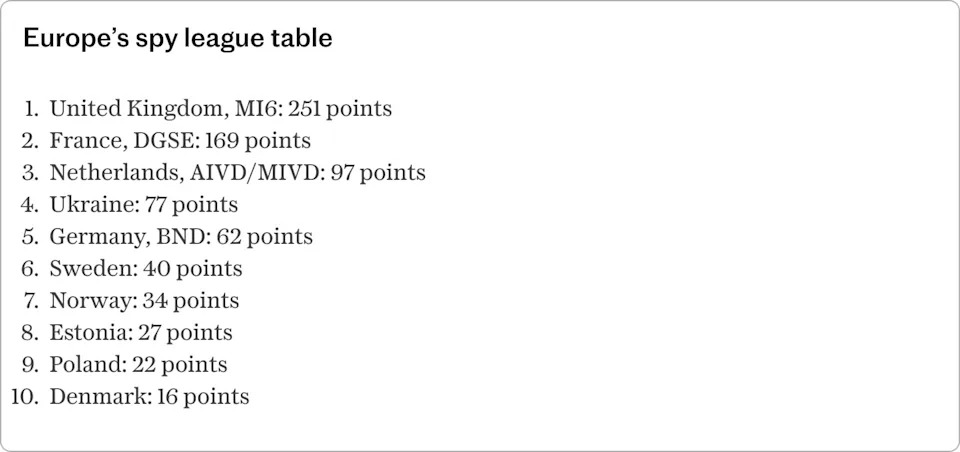
MI6 has been judged Europe’s most powerful intelligence service in a peer review of 60 intelligence professionals from 25 countries, placing Britain ahead of France’s DGSE, the Dutch AIVD, Ukraine’s FISU and Germany’s BND. The survey, conducted by French magazine l'Express, highlights several reasons former officers and experts give for MI6’s edge: deep institutional memory, focused recruitment, operational strengths and sustained international cooperation.
What the Survey Found
The peer review ranked MI6 first and DGSE second, with the Dutch AIVD, Ukraine’s FISU and Germany’s BND completing the top five. The respondents praised MI6’s ability to recruit high-level human sources and to penetrate complex targets in countries such as Russia, China, Iran and Turkey.

Richard Dearlove: 'MI6 is frankly the best intelligence organisation in Europe' - Heathcliff O'Malley for The Telegraph
Institutional Strength and Historical Depth
"It has historical depth, an unbroken archive that no other European service has that goes back to 1909," said Richard Dearlove, who served as head of the Secret Intelligence Service (SIS) from 1999 to 2004. "It has learned good lessons from its failures, it is extremely well integrated into government... and it is regarded as a prestigious career."
Former officers point to MI6’s long institutional memory and established processes—such as the Joint Intelligence Committee—for turning intelligence into policy as important advantages over many continental services.
Recruitment: Looking For An "X-Factor"
Recruitment is repeatedly cited as a core strength. Matthew Dunn, a former MI6 officer who contributed to the survey, says the service recruits people who already think like spies. Intellect, interpersonal skills and problem-solving matter, but MI6 often seeks an elusive "X-factor." Where recruitment used to be a closed, headhunting process, today applicants can apply online—broadening the pool while retaining selective standards.
The James Bond Effect
Fictional portrayals—from Somerset Maugham and Graham Greene to John Le Carré and, of course, James Bond—have helped mythologise MI6. While former officers joke that the Bond films are "training movies," they concede the popular image contributes to the service’s prestige and can make recruitment and foreign liaison work easier.
Cooperation and Global Reach
Analysts and former officers emphasise MI6’s willingness to work closely with international partners. Philip Ingram, a former senior intelligence and security officer in the British Army, said MI6 has built a strong reputation for cooperative relationships with equivalent agencies around the world—an operational multiplier that enhances the service’s reach.

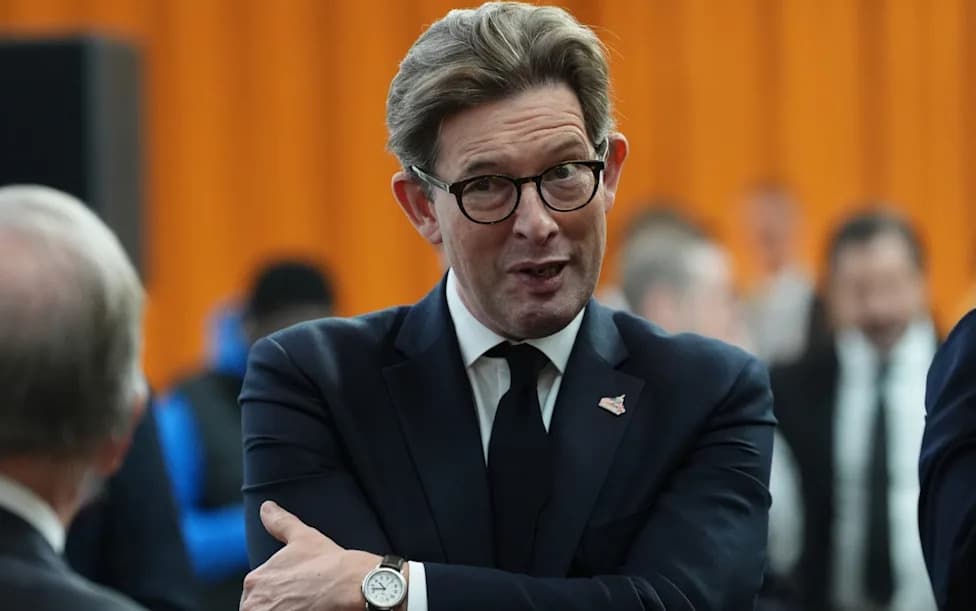
Matthew Dunn, a former MI6 intelligence officer, says recruiters look for the 'X-factor' in potential spies - Paul Grover
How France Sees It
French perspective is broadly respectful. Olivier Mas, a former senior DGSE officer, said MI6’s operational focus and hands-on training influence many Western services and explained that DGSE devotes relatively more resources to analysis and government briefings. Observers note that DGSE’s slightly lower ranking reflects differences in international collaboration rather than capability.
Warnings and Future Risks
Despite praise, some experts warn of long-term challenges. One former SIS officer, speaking anonymously, argued that a relative decline in British global influence could make the job of persuading potential recruits—who want to have an impact on world affairs—less attractive than it was two decades ago.
Overall, the l'Express peer review highlights a combination of history, recruitment, operational focus and alliances as the reasons MI6 topped the poll. The result is as much about institutional culture and partnerships as it is about individual tradecraft.
Help us improve.