James M. Thomas argues that white families often avoid frank conversations about race—while Black families commonly give children "the talk" about navigating white-dominated spaces. Drawing on interviews with 100+ white Southerners (median age 42), Thomas finds that roughly 30% reported no family discussions about race, about 10% recalled explicit racist messages, and about 44% relied on color-blind "just people" rhetoric. He contends that ignoring race obscures structural racism and leaves white children less able to recognize or challenge racial harm.
When White Parents Say "Race Doesn’t Matter": How Color-Blind Messages Hide Everyday Racism
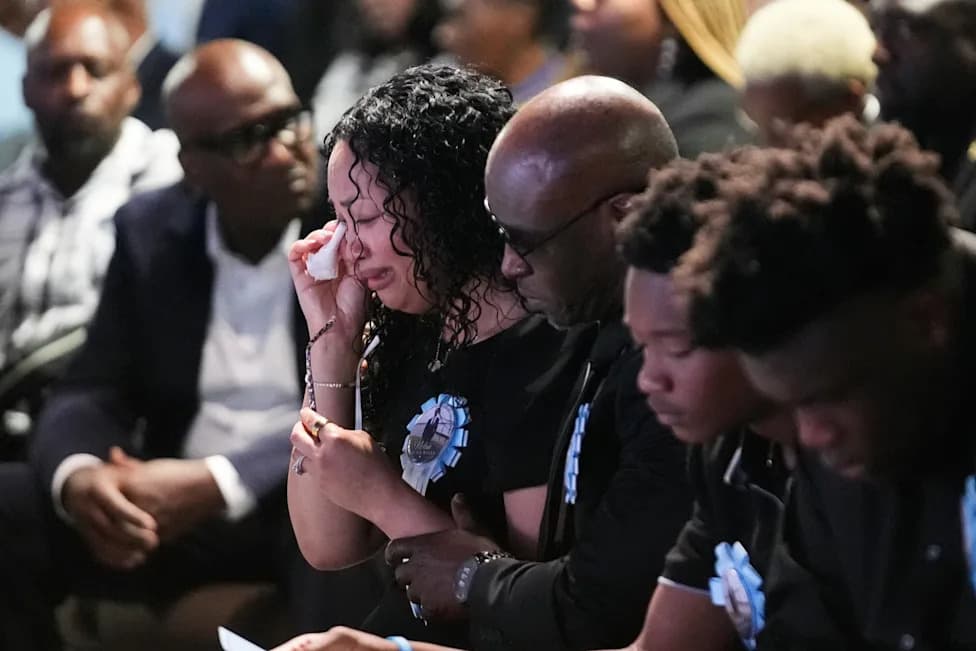
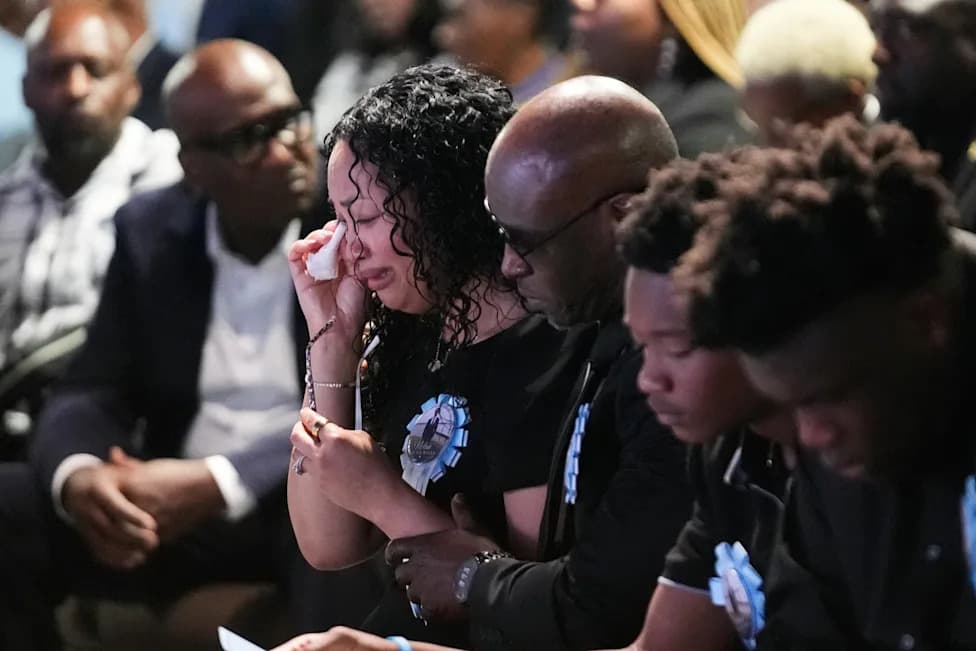
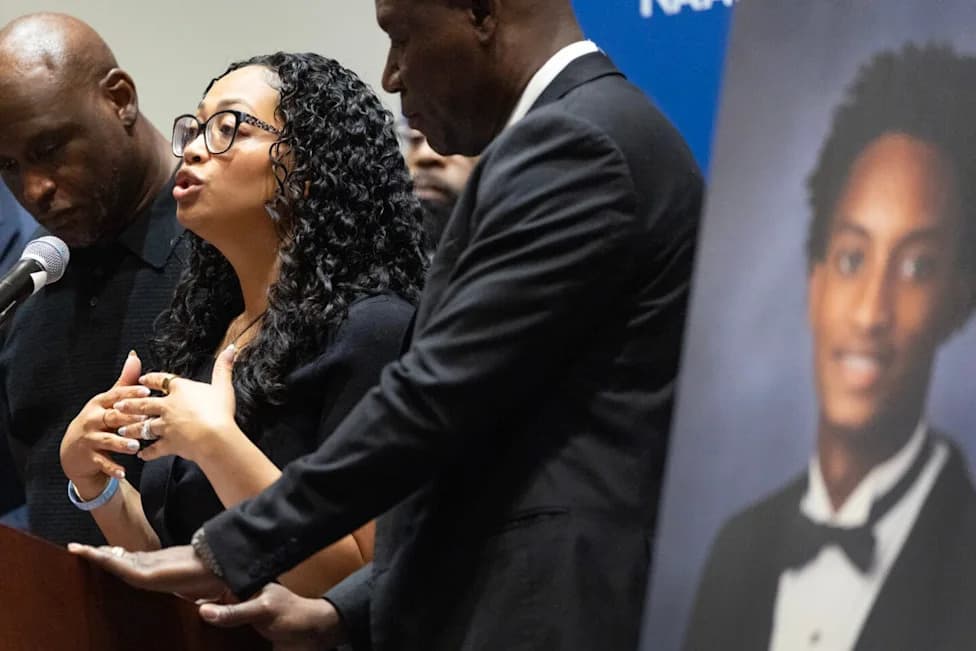
The family of Nolan Wells, during a July 20, 2026, service in Ocean Springs, Miss., for the 18-year-old found dead after taking a July 4 boat trip with friends.AP Photo/Gerald Herbert
"Look around."
"Pay attention."
"Be mindful of where you are and who you are with."
"Check in. With us. With yourself."
For many Black parents, these short directives are part of a recurring, practical ritual often called "the talk": a set of lessons that teach children how to navigate a society shaped by white dominance and the risks that can accompany it.
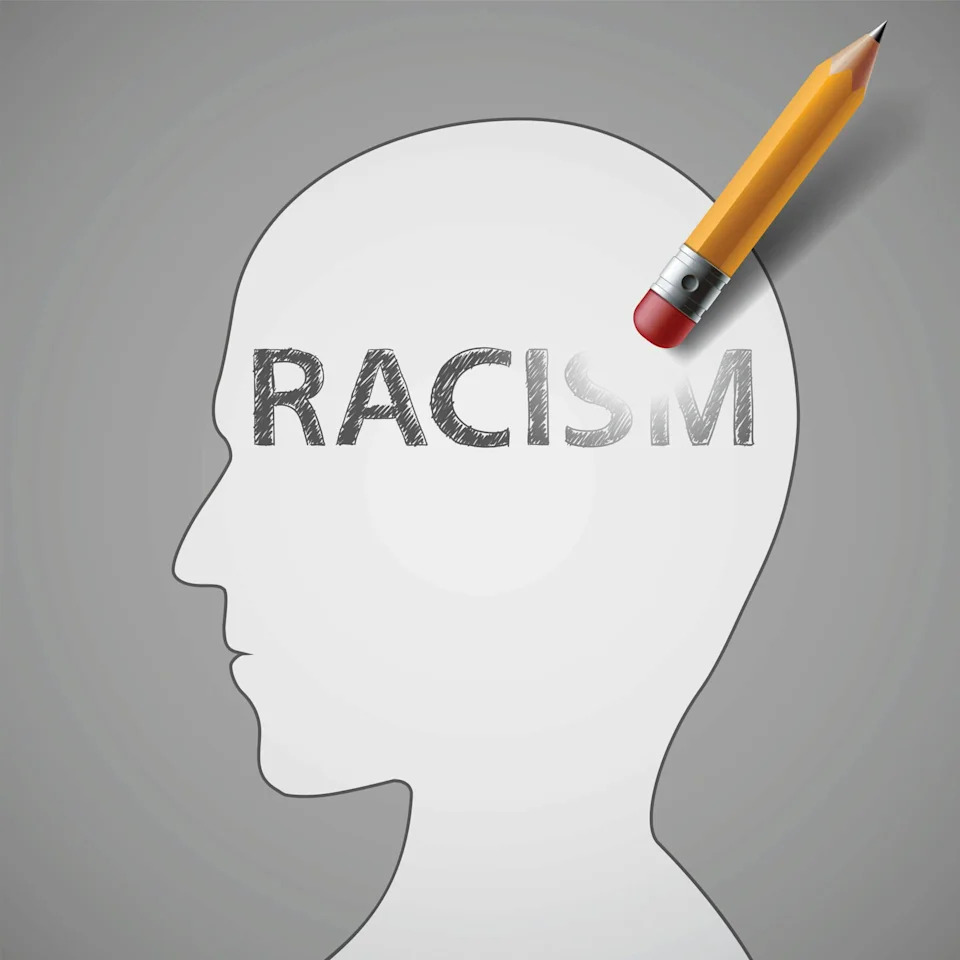
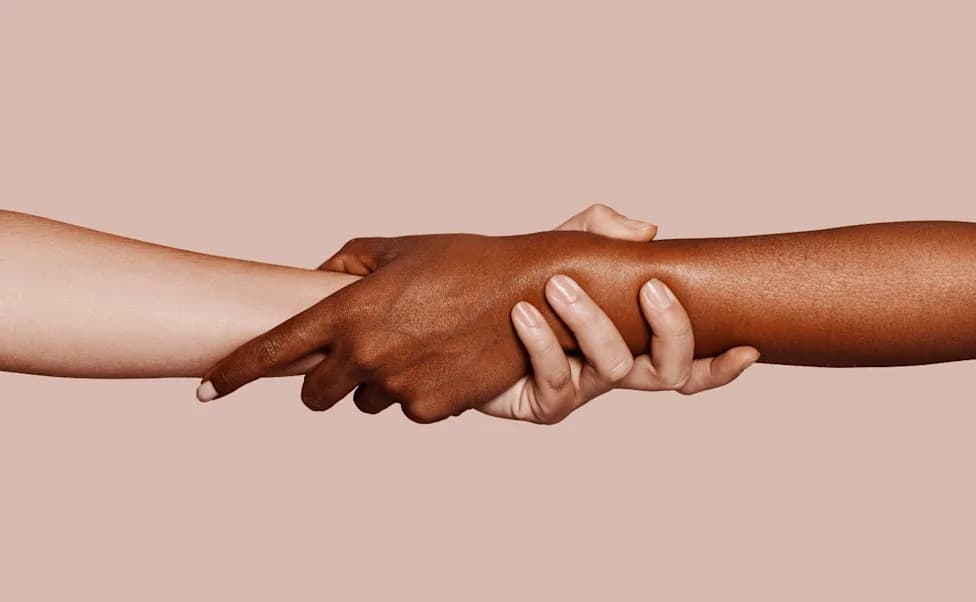
When white parents tell their children that race does not matter, they are implying that racism does not exist.Trifonenko/Getty Images Plus
The July death of 18-year-old Nolan Wells, who disappeared on July 4 while on a boat trip along the Mississippi Gulf Coast and whose body was found two days later, has pushed the significance of that ritual back into public conversation. Mississippi's long history of racially motivated violence has fueled intense online speculation about what happened. Official investigations are ongoing, and authorities have not publicly determined the cause or circumstances of his death.
Research On How White Families Talk About Race
I am a sociologist who studies race and racism. Over five years my research team interviewed more than 100 white Southerners ages 18 to 88 (median age 42), with many respondents living in Mississippi. We asked whether and how they spoke with their children about race and what it means to be white, and what lessons they remembered from their own parents.
Key patterns emerged:
- About 30% said they never discussed race with either their parents or their children.
- Roughly 10% described explicitly racist messages passed down in their families (for example, counsel to “stay with your own” when it came to marriage).
- The largest share—about 44%—reported race-neutral, color-blind messages encouraging children to see people as "just people," or that "race doesn't matter."
Many respondents' comments illustrate these patterns. Some insisted "race is just a descriptor" and avoided making it a topic of family conversation. Others described stories and fears passed down across generations—sometimes expressed as caution about Black men or warnings to remain within white social circles.
"We’re all God’s children, there’s nothing special about us," said one respondent who favored color-blind language. Another remembered being told to "stay with the whites."
Why Color-Blind Messages Matter
On their face, race-neutral messages may seem morally desirable or nonjudgmental. But Americans live inside institutions and social structures where race is tightly interwoven with outcomes: where people live, which schools they attend, what jobs they can access and whom they encounter regularly. In this context, teaching children that "race doesn't matter" often obscures the reality of structural racism.
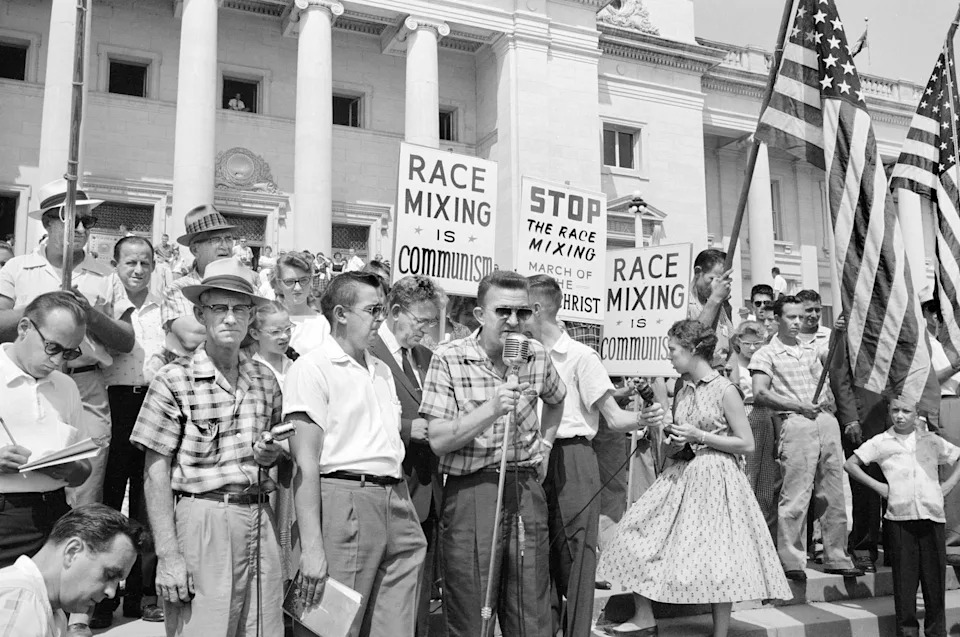
The racism and resentments fueling resistance to school integration still linger in the South today.Circa Images/GHI/Universal History Archive/Universal Images Group via Getty Images
Functionally, color-blind lessons can produce outcomes similar to openly racist teachings: they make it less likely that white children will recognize how racist systems shape opportunity, or understand the role they could play in challenging injustices. This means white children may be less prepared to notice the risks Black children face in majority-white spaces or to act when they see harm.
What A Different Conversation Would Look Like
Having "the talk" with white children means explaining plainly what it means to be white in a racially stratified society: why many white families live in mostly white neighborhoods, why many schools remain segregated in practice, and how historical and institutional forces shaped those patterns. It also means teaching concrete behaviors—listening to people of color, speaking up when you witness bias, and using privilege to reduce harm.
We cannot say whether different upbringing or greater awareness would have changed the circumstances around Nolan Wells' death. The point is that the moment Wells boarded a boat as the only Black person present, an underlying racial context was in place—one that, according to our research and other scholarship, is often misunderstood or unacknowledged by many white people.
This analysis draws on funded research from the National Science Foundation and the Russell Sage Foundation. The findings aim to deepen public understanding of how everyday family lessons shape racial awareness and the possibilities for change.
— James M. Thomas, University of Mississippi
Help us improve.