The ECB is redesigning euro banknotes and asking Europeans to choose between two themes: portraits of cultural figures or nature scenes of rivers and birds. An online survey runs until Sept. 21, and the ECB aims to select a final design by the end of 2026. If the cultural package wins, American‑born soprano Maria Callas would appear on the €5 note. The redesign emphasizes security, sustainability and accessibility and is the first major update since 2002.
Europeans Weigh Putting American‑Born Maria Callas on a New Euro Banknote — Public Survey Closes Sept. 21
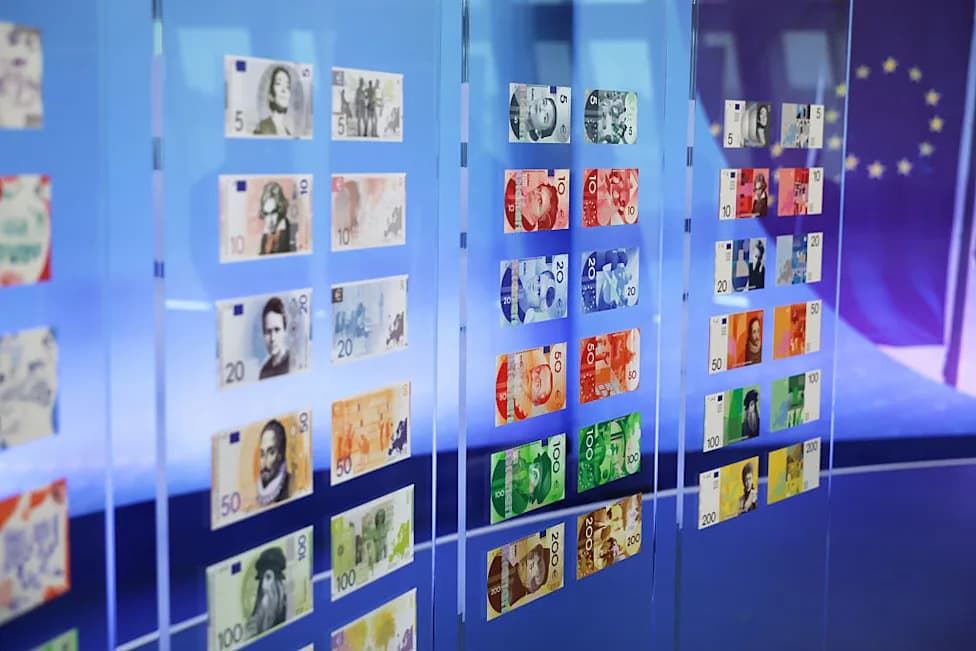
The shortlisted designs for new euro banknotes during an unveiling at the European Central Bank (ECB) in Frankfurt, Germany, on July 23, 2026. —Alex Kraus––Getty Images
The European Central Bank (ECB) is redesigning euro banknotes for the first time since 2002 and has invited Europeans to help decide how the new series will look. Two distinct design packages are under consideration for all six denominations (€5, €10, €20, €50, €100 and €200): one celebrating European culture with portraits of influential figures, and the other highlighting nature with images of rivers and birds.
How the Decision Will Be Made
Europeans can submit their preferences through an online survey that closes on Sept. 21. The ECB’s Governing Council will consider public feedback alongside recommendations from an independent jury and a technical review. A final design decision is expected toward the end of 2026. The chosen notes will be tested and — if approved — issued while remaining fully interchangeable with the current euro series.
What the Redesign Aims to Achieve
According to the ECB, the redesign aims to:
- Better express Europe’s identity and values,
- Introduce enhanced security features,
- Improve environmental sustainability, and
- Make banknotes more accessible and easier to use for everyone.
The Two Design Packages
Nature (Rivers and Birds): This option pairs river scenes with wildlife found across the continent. Proposed species include the wallcreeper, kingfisher, bee-eater, white stork, avocet and northern gannet set against tranquil landscapes that evoke Europe’s waterways.
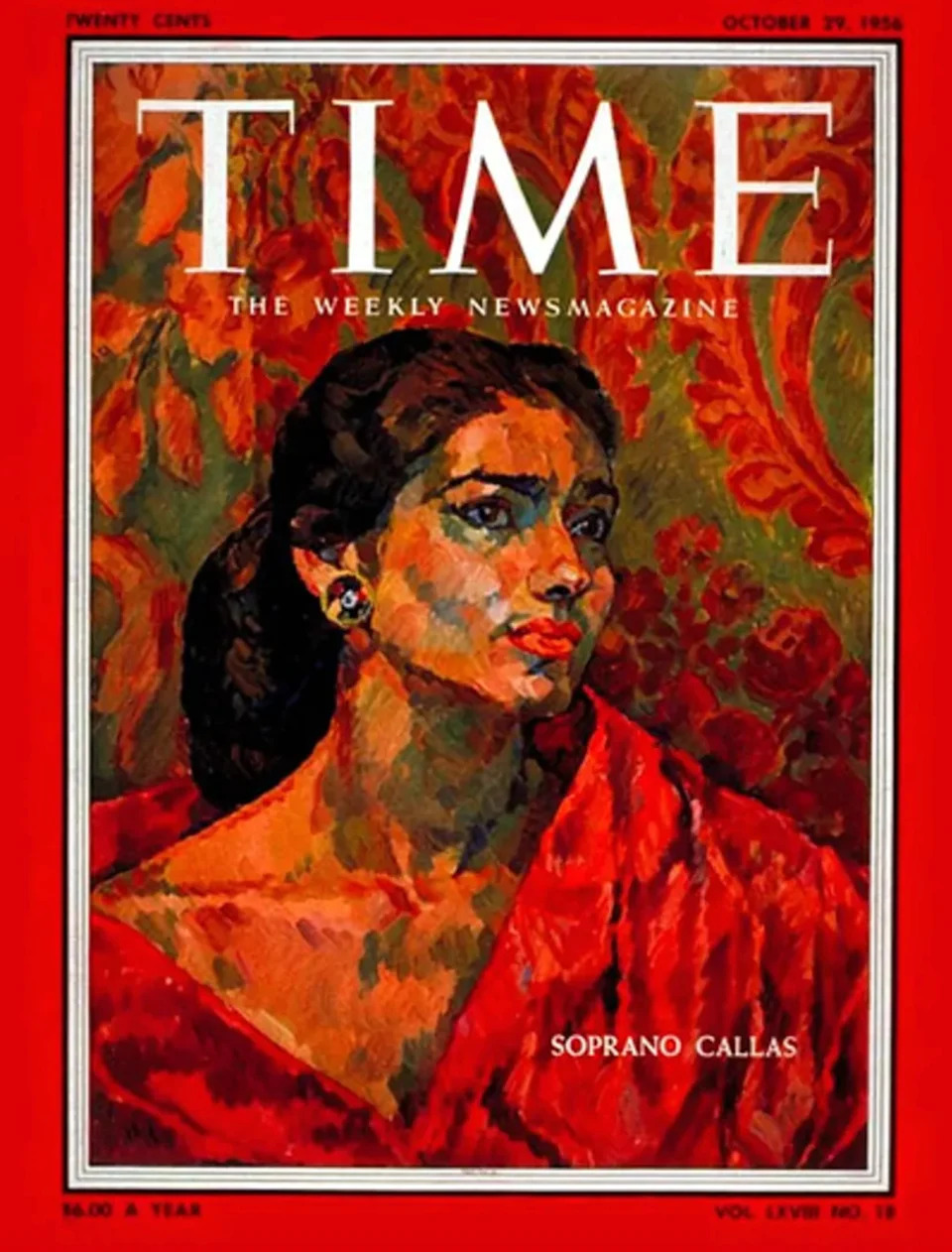
The Oct. 29, 1956, cover of TIME —HENRY KOERNER
European Culture (Portraits): This set would place portraits of people who helped shape Europe’s cultural and scientific heritage across denominations. Proposed figures include Ludwig van Beethoven, Marie Curie, Miguel de Cervantes, Leonardo da Vinci and Bertha von Suttner. If this package is chosen, American‑born soprano Maria Callas would appear on the new €5 note.
About Maria Callas
Maria Callas was born in New York in December 1923 to Greek parents and moved to Athens as a teenager. She studied at the Athens Conservatory under the Spanish soprano Elvira de Hidalgo and went on to a celebrated international career. Callas made her official La Scala debut in 1951 in Verdi’s I Vespri Siciliani and performed at leading houses including the Royal Opera House, the Metropolitan Opera and the Paris Opera. Critics and institutions have praised her dramatic intensity and vocal versatility:
The English National Opera said she was “able to deliver a wide range of vocal colours depending on the mood or type of music she was singing.”
TIME magazine featured Callas on its Oct. 29, 1956 cover, calling her “the undisputed queen of the world’s opera.” She gave her last major recital in Sapporo in 1974 and later lived in Paris, where she died of a heart attack in 1977 at age 53. Her legacy continues internationally: Greece’s Ministry of Culture secured inclusion of Callas’s centenary in UNESCO’s 2023 commemorations, and Angelina Jolie portrayed her in the 2024 Netflix biopic Maria.
What Happens Next
After the survey closes, the ECB will synthesize public input with expert and technical advice and aim to announce a decision by the end of 2026. Any new notes would then undergo practical testing before being released into circulation.
Help us improve.