The Democratic Alliance has filed a court challenge to South Africa's Expropriation Act, arguing the law breaches international investment treaties and was passed with procedural flaws. The statute, enacted in early 2025, permits the state to seize private land for public use and, in some cases (for example, abandoned properties), to do so without compensation. Land ownership remains highly contentious — roughly 72% of private land is held by white South Africans, who make up about 7% of the population. The law also provoked a sharp U.S. response: President Trump ordered agencies to consider refugee options for white Afrikaner farmers and froze some aid, intensifying a diplomatic rift.
Democratic Alliance Mounts Court Challenge To Expropriation Act, Deepening Political And Diplomatic Rift
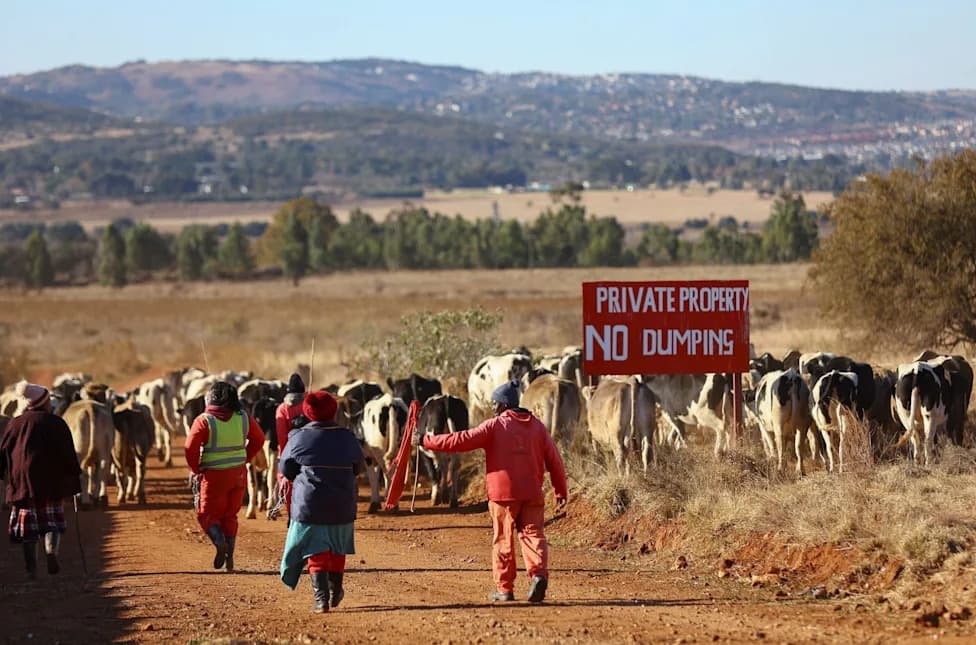
South Africa's Democratic Alliance leads land reform lawsuit
The Democratic Alliance (DA), South Africa's main opposition party, has launched a high-stakes legal challenge to the newly enacted Expropriation Act, setting up a courtroom clash that could test the cohesion of the governing coalition and intensify a diplomatic dispute with the United States.
What The Lawsuit Says
The DA contends that the Expropriation Act — passed in early 2025 — violates international investment treaties and was adopted through flawed parliamentary procedures. The party has partnered with several lobby groups in the case, arguing the law's passage lacked proper legislative safeguards and transparency.
Key Provisions Of The Law
The statute grants the state broader powers to take private land for public use. In specific circumstances, such as when properties are deemed abandoned, the law allows expropriation without monetary compensation. Supporters say the measure accelerates land reform; critics warn it creates legal uncertainty for property owners and foreign investors.
Why It Matters
Land ownership in South Africa remains a deeply sensitive issue more than three decades after the end of apartheid. The government's most recent land audit indicates about 72% of privately held land is owned by white South Africans, who constitute roughly 7% of the population. The dispute over restitution and redistribution has been a persistent source of political tension.
International Fallout
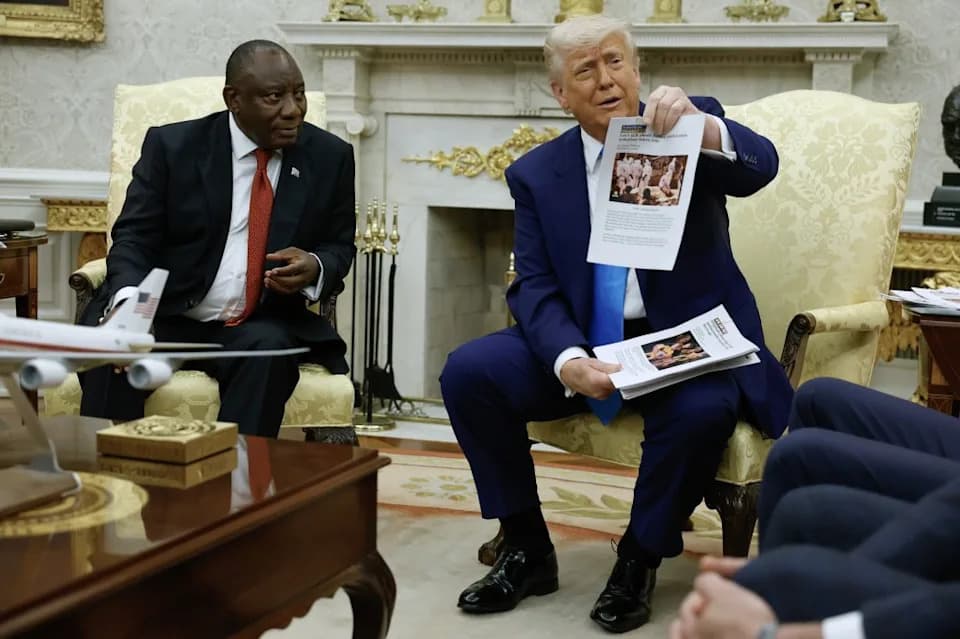
The law prompted a swift reaction from Washington. President Donald Trump directed federal agencies to explore options including potential refugee status for white Afrikaner farmers and issued executive orders freezing some forms of aid to South Africa. That response has escalated diplomatic tensions and raised concerns about economic and investor confidence.
Implications
The court challenge will be watched closely by domestic and international audiences. A ruling in favor of the DA could force amendments to the law or limit its implementation; a defeat could embolden the government to push ahead with broader expropriations. Observers say the case is likely to influence investor sentiment, intra-coalition politics, and South Africa's diplomatic relationships.
Who Is Watching: Political analysts, affected landowners, foreign investors, and international partners are all monitoring the proceedings for signals about property rights, the rule of law, and South Africa's political stability.
Help us improve.