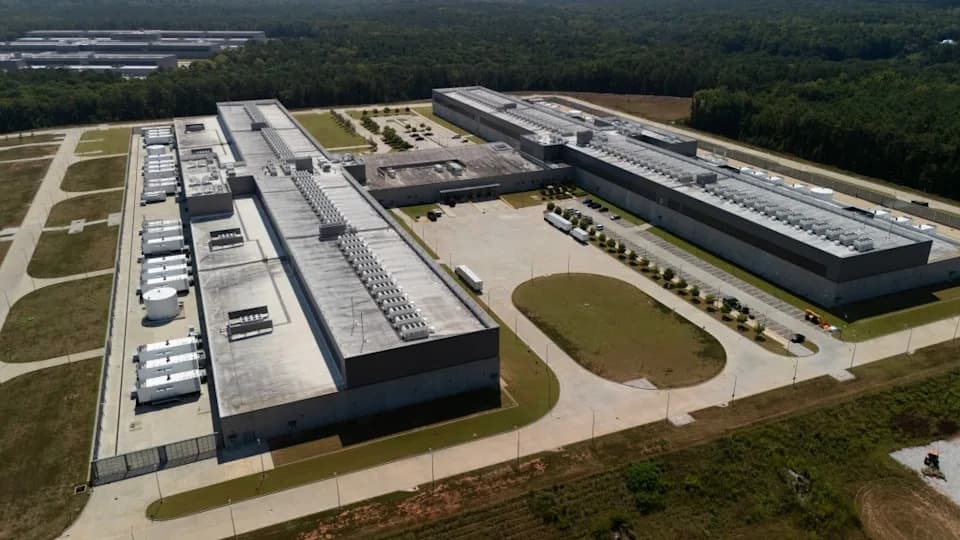
Pittsburgh and Allegheny County officials are approaching a wave of AI data center proposals with caution, citing concerns about electricity demand, water use and rising utility bills. Several nearby municipalities have enacted moratoriums or new regulations to pause development while impacts are studied. Local brownfields that might host such facilities are largely already developed, narrowing site options. Leaders want clearer impact studies and community input before approving large-scale projects.
Pittsburgh Wary of AI Data Center Boom: Power, Water and Rate Concerns Mount
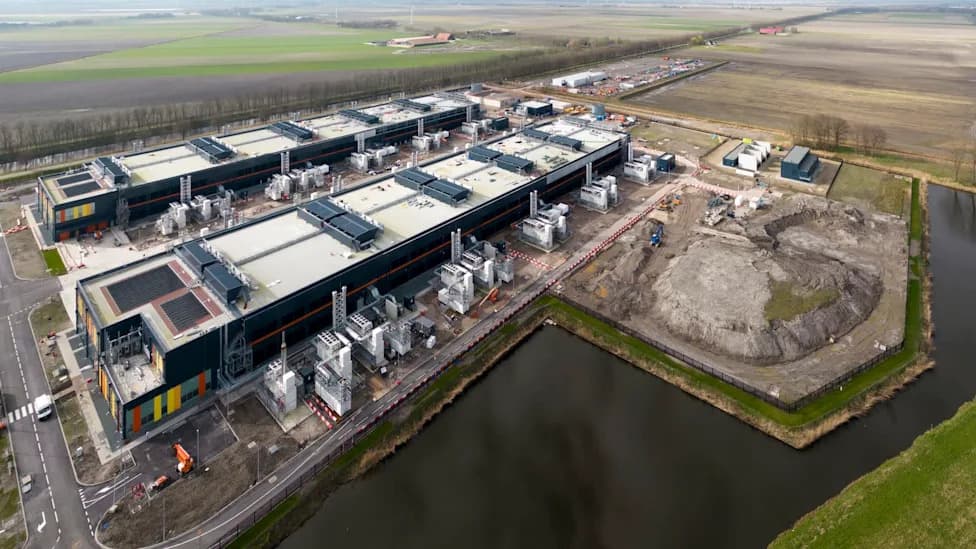
Photo Credit: iStock
Local leaders across Pittsburgh and Allegheny County are responding cautiously to a surge of proposals for AI-focused data centers, balancing potential economic benefits against concerns about power, water and higher utility bills, according to reporting by TribLIVE.
Local Reaction
Developers say these facilities can bring investment and help support next-generation computing. But municipal officials are weighing what rapid growth could mean for public infrastructure and residents’ costs.
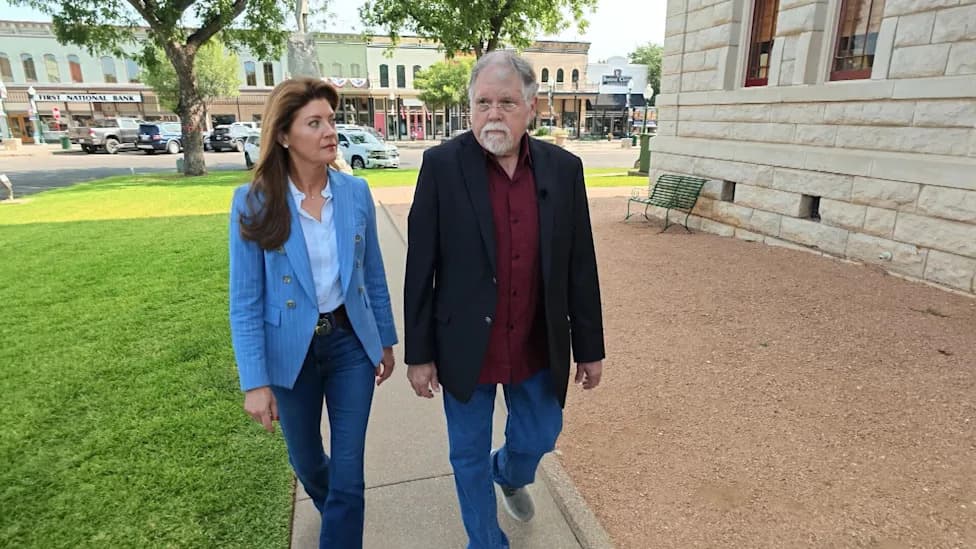
“I would not support a data center happening in the city of Pittsburgh,” Mayor Corey O'Connor told TribLIVE.
Several southwestern Pennsylvania communities—including Murrysville, Gilpin, Oakmont, East Deer, Tarentum and Upper Burrell—have moved to limit or pause new projects by adopting moratoriums or updating zoning and permitting rules to buy time for study and public input.
Siting Challenges
Many data centers nationwide are located on redeveloped industrial properties (brownfields). But as Brian Kennedy, Senior Vice President at the Pittsburgh Technology Council, noted to TribLIVE, “Our brownfields in the city have been largely developed.” That reality narrows suitable locations in and around Pittsburgh and complicates site selection.
Technical And Community Concerns
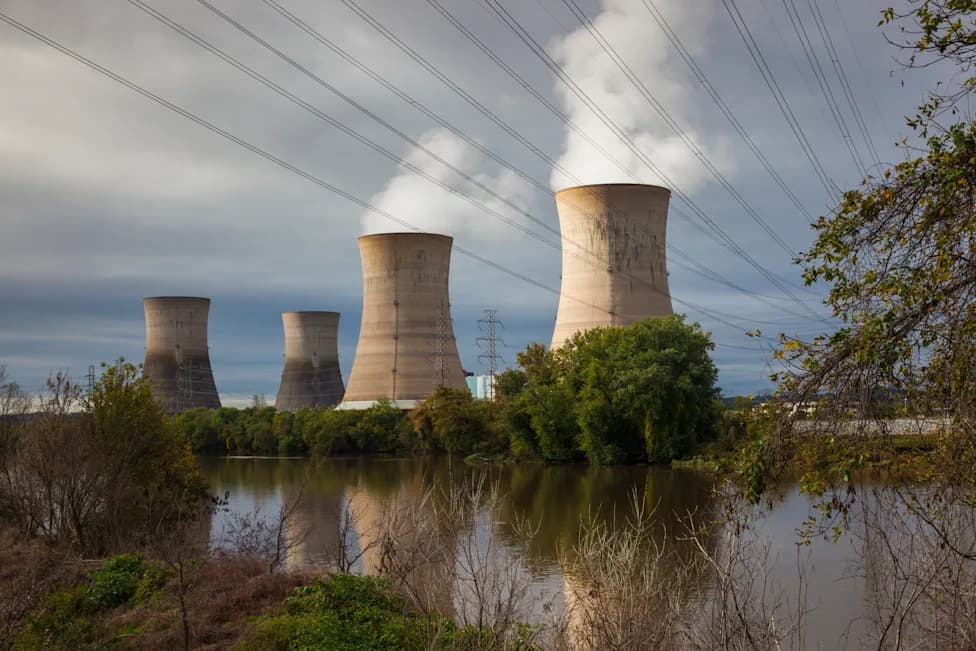
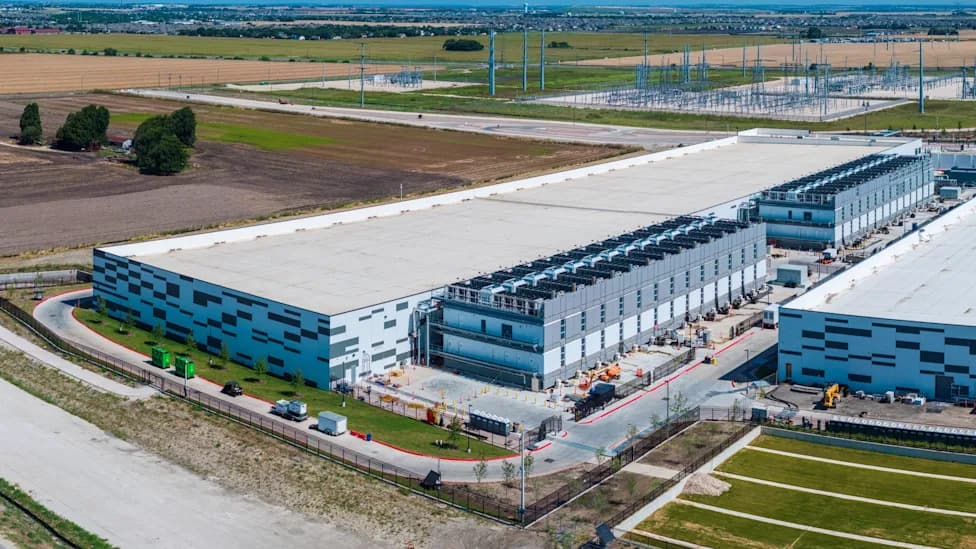
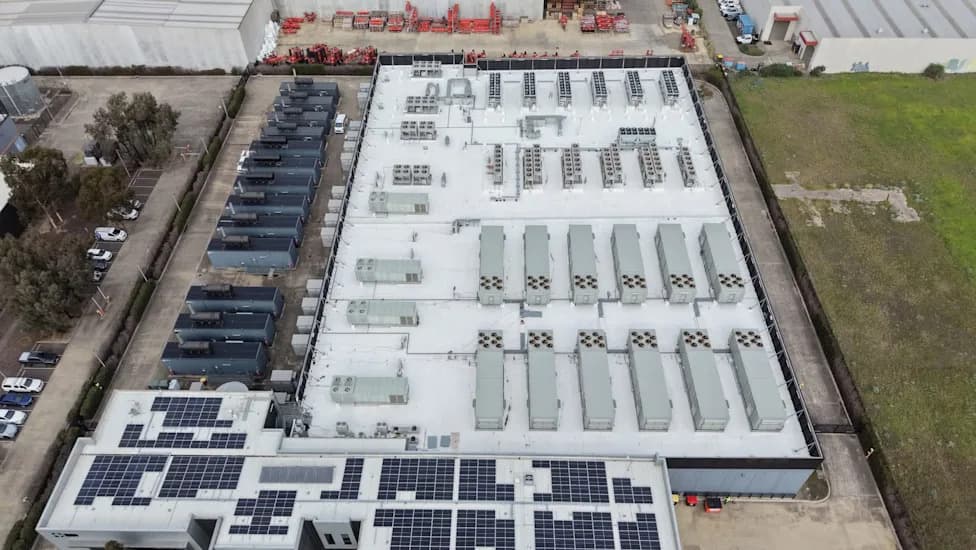
AI systems rely on large banks of servers that run continuously and require significant electricity and cooling. Key concerns for communities include:
- Increased electricity demand that could strain local grids and require costly upgrades.
- Substantial water use for cooling systems in some designs.
- Potentially higher utility rates if grid improvements are passed to ratepayers or if fossil-fuel generation is added to meet demand, slowing emissions reductions.
- Limited public understanding of tradeoffs when large industrial facilities move into residential or mixed-use regions.
Officials and residents are asking for clearer impact studies, transparent cost-sharing arrangements, and stronger community input before approvals move forward.
Outlook
Places with available industrial sites, strong grid connections and ambitions for economic development may see benefits from data center investment. But Pittsburgh-area leaders say they prefer to slow the pace, investigate long-term infrastructure and environmental impacts, and protect residents from unexpected costs before embracing a rapid buildout.
Help us improve.