Nine years after she was raped at 13, Cara became dependent first on benzodiazepines and later on opioid painkillers. In the summer of 2022, desperate for a solution, her family accepted a referral to Yes We Can, a private residential treatment clinic in the Netherlands that markets a 10-week international programme to troubled young people.
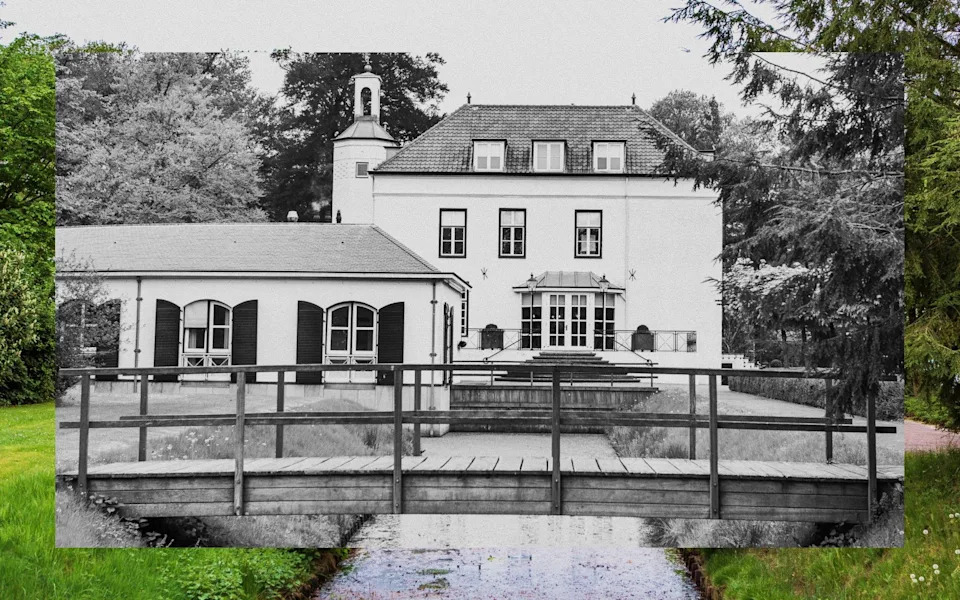
The Yes We Can clinic boasts an idyllic woodland setting - Jet van Gaal
What Patients Say Happened Inside
Former British patients and two ex-staff members who spoke to The Telegraph describe an environment that sharply contrasts with the clinic’s curated brochure. They report intense, confrontational group interventions, regular humiliation and—on several accounts—physically degrading exercises that left many young people traumatised, isolated and further harmed.
Yes We Can's treatment methods were, say former clients, 'extreme' and 'aggressive' - Sara Meinz for The Telegraph
'They made me think that what happened in my past was so bad… I deserved abuse and public humiliation,' says Cara. 'I left thinking I didn't deserve friends or a voice.'
Techniques, Isolation And 'Impact' Letters
Alleged practices include isolation from family for the first five weeks, supervised 10-minute calls after a midpoint 'bonding day', and the use of so-called 'impact letters'—family messages presented to fellows in ways that former patients say were weaponised to maximise distress. Several women who had been victims of sexual violence said they were publicly shamed or blamed during group sessions.
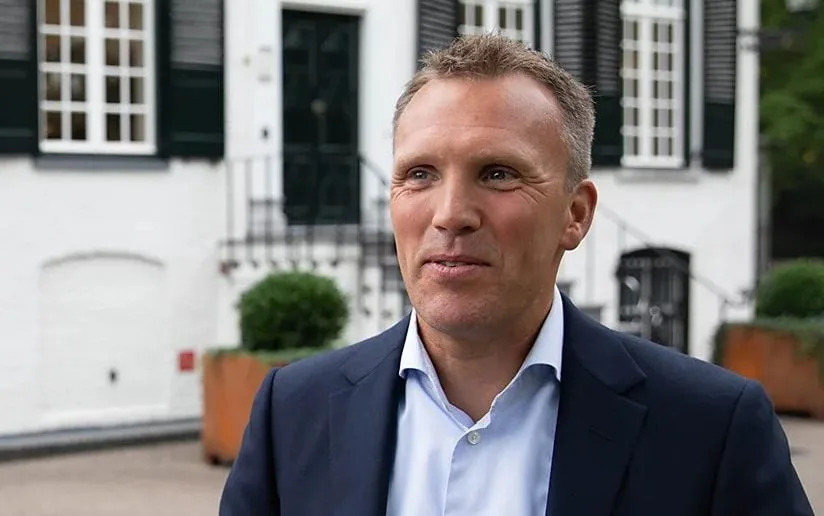
Jan Willem Poot founded Yes We Can after overcoming his own addiction to drugs and alcohol
Examples described to The Telegraph include physically strenuous tasks—such as wearing water-filled backpacks and being forced to climb sand dunes while shouted at—and exercises in which a fellow in a harness was yanked on ropes while disclosing insecurities. Multiple accounts also allege verbal abuse by counsellors and coached peer humiliation.
One criticism of the clinic is that it takes a one-size-fits-all approach that, in many cases, actually does more harm than good - Sara Meinz
Staffing, Training And Culture Concerns
Yes We Can’s international programme uses a mix of qualified one-to-one therapists and a smaller group of daily coaches, some of whom are 'experts by experience'—people with lived experience of addiction. Former employees say recruitment sometimes emphasised personal stories over professional training, contributing to an unprofessional atmosphere and inconsistent supervision. One former coach described discovering a fellow after a suicide attempt and criticised communication failures about risk.
Former patients who spoke to The Telegraph describe an environment of humiliation, intimidation and unorthodox therapy - Sara Meinz for The Telegraph
Accountability And Investigations
The allegations gained wider attention after BOOS, a Dutch investigative programme, published a documentary featuring more than 80 former patients. That film helped prompt an ongoing probe by the Dutch Health and Youth Care Inspectorate. Yes We Can posted an apology in Dutch addressing the BOOS programme and says it has treated more than 10,000 fellows over 15 years with 'predominantly positive outcomes'. The clinic rejects claims that humiliation and coercion are structural and says individual incidents are investigated.
Verbal abuse by counsellors was a recurring allegation made by former Yes We Can patients who spoke to The Telegraph - Sara Meinz for The Telegraph
Costs, Growth And Commercial Pressure
The international 10-week programme costs €74,000, with an optional €2,000 aftercare package. Financially, the group has expanded rapidly: reported revenue rose from €22m in 2021 to €56m in 2024. Private-equity investment and plans for international expansion have prompted concerns among some former staff that commercial pressures could affect clinical decision-making.
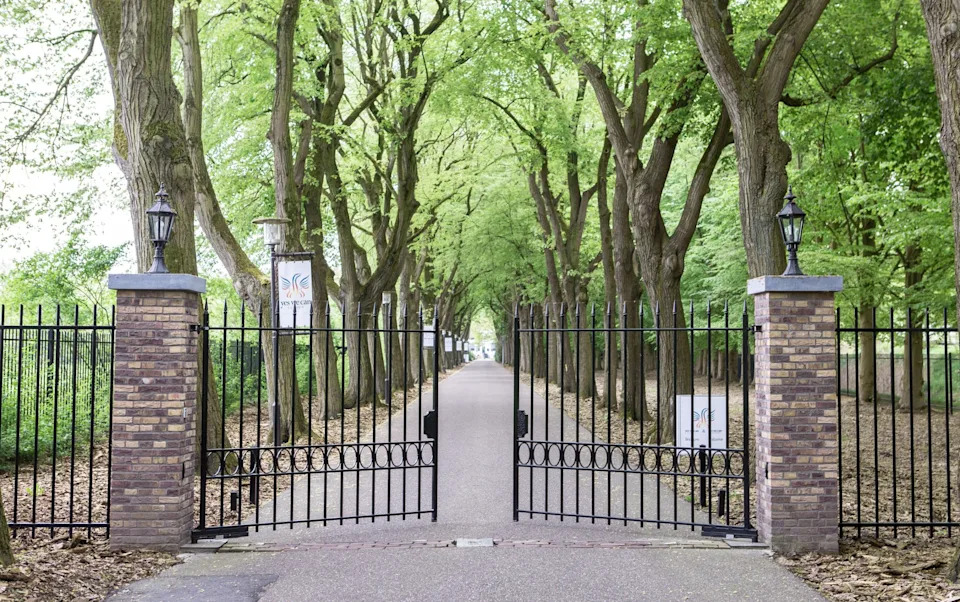
The private clinic lies at the end of a boulevard near the picturesque town of Hilvarenbeek, close to the Belgian border - Jet van Gaal
Expert Views And Mixed Outcomes
Independent academics and clinicians emphasise the importance of evidence-based, trauma-informed care for young people in crisis. Professor Harry Sumnall notes that a one-size-fits-all, confrontational model is not generally supported by the evidence and can undermine therapy. Some professionals and former patients do report positive outcomes from the programme, but many of those interviewed by The Telegraph required further treatment and described lasting damage to family relationships and self-worth.
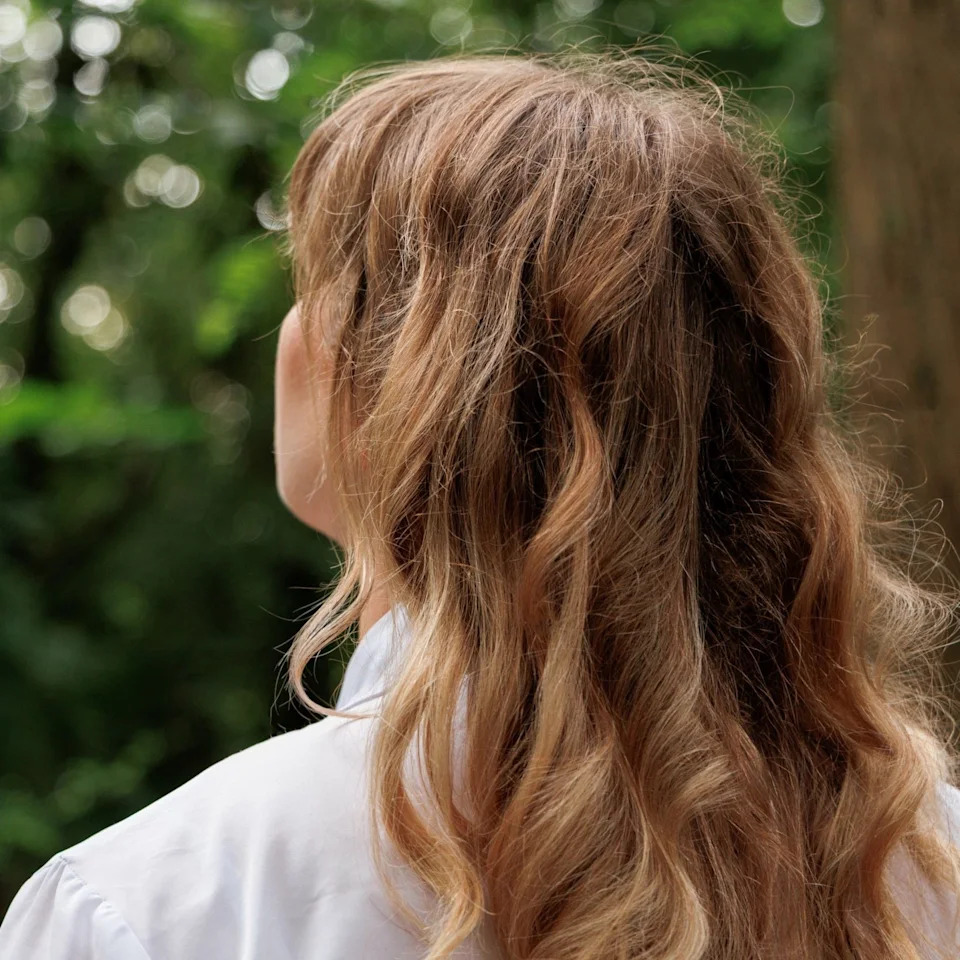
Former patients allege staff used distressing and damaging psychological techniques - Elena Heatherwick for The Telegraph
Where Things Stand Now
Yes We Can says it is a registered mental hospital under Dutch law, employs psychiatrists and psychologists, and conducts regular audits. The organisation also says new management has implemented revised clinical policies since 2025. Dutch regulatory inquiries continue, and the full outcomes of those investigations will be central to determining whether reported incidents were isolated failures or indicative of systemic problems.
Recovery and perspective: Several former patients—including Cara—said their recovery improved after receiving specialist, evidence-based therapy for trauma and addiction outside the clinic. Their accounts underline the risks of high-intensity, non-individualised interventions when applied to vulnerable young people.
Note: Names in this article have been changed to protect identities.