While climate change increases the likelihood of wildfires, land-management choices can determine whether small ignitions become uncontrollable blazes. Abandoned grazing, blocked drains and blanket non-intervention can raise fuel loads—Molinia, rank heather and bracken—that burn intensely and damage peat and biodiversity. The author calls for balanced, landscape-scale management: targeted grazing, licensed controlled burning, maintained fire breaks, and greater accountability for land managers funded with public money.
Rewilding Is Increasing Wildfire Risk — Why Non‑Intervention Isn't Always the Answer
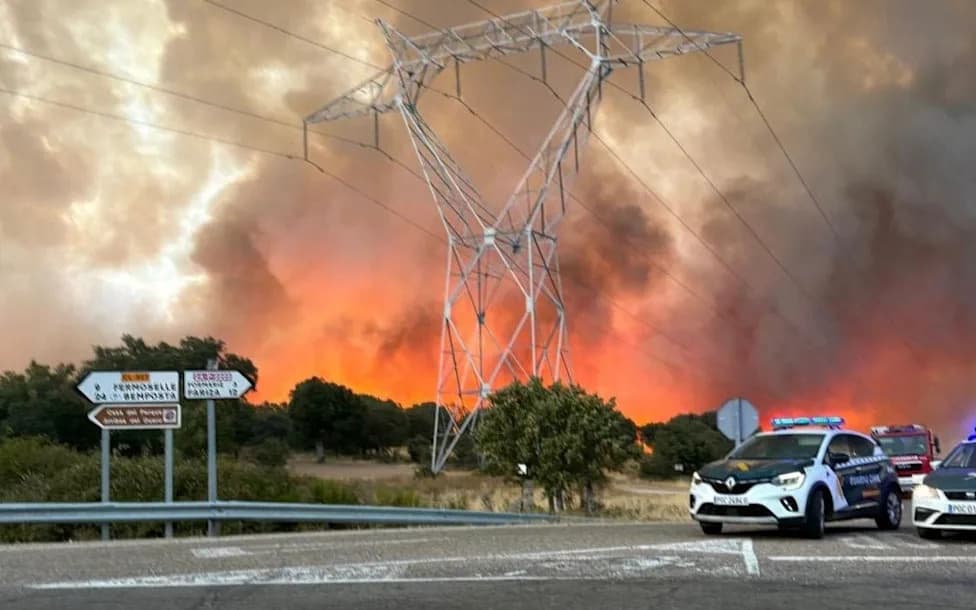
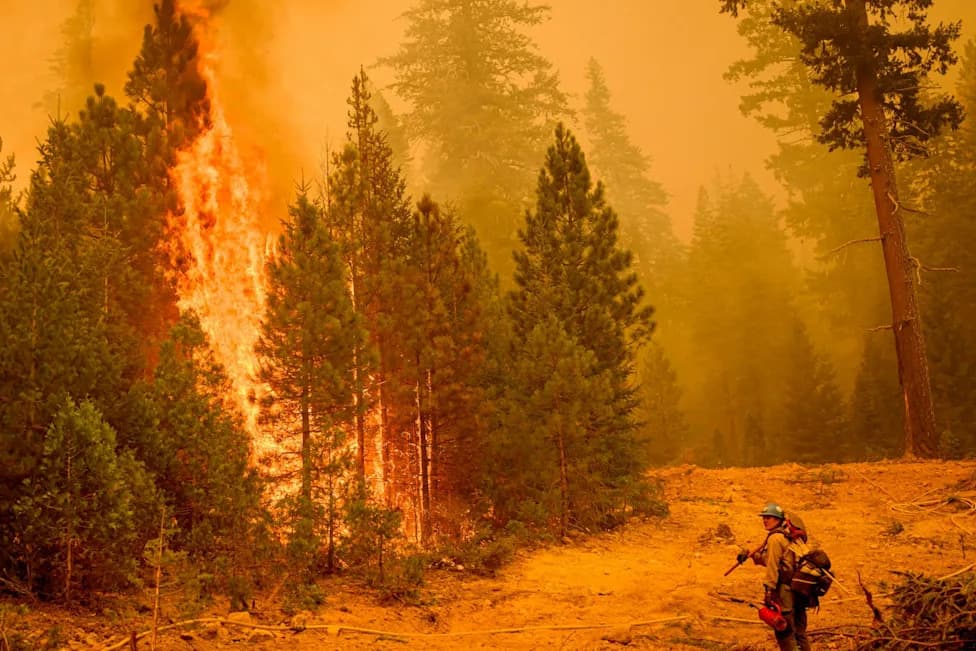
France, Spain and Greece are struggling to contain a series of wildfires that have put hundreds of thousands of people in harm's way - SPANISH CIVIL GUARD/HANDOUT/EPA/Shutterstock/Shutterstock Editorial
This year has seen extraordinary wildfires across the UK and Europe. While climate change is a major factor, it does not fully explain why some blazes become so large and difficult to control. Land management choices—particularly long-term reductions in grazing, removal of firebreaks and restrictions on controlled burning—can increase fuel loads and make fires far more intense.
How Management Affects Fire Behaviour
A doubling of dry vegetation can roughly quadruple a fire's intensity and allow flames to penetrate peat, releasing large amounts of carbon and damaging habitats that take decades to recover. Effective landscape design—fire breaks, active grazing, rotational or licensed controlled burning and drainage management—can limit fire spread and reduce severity.
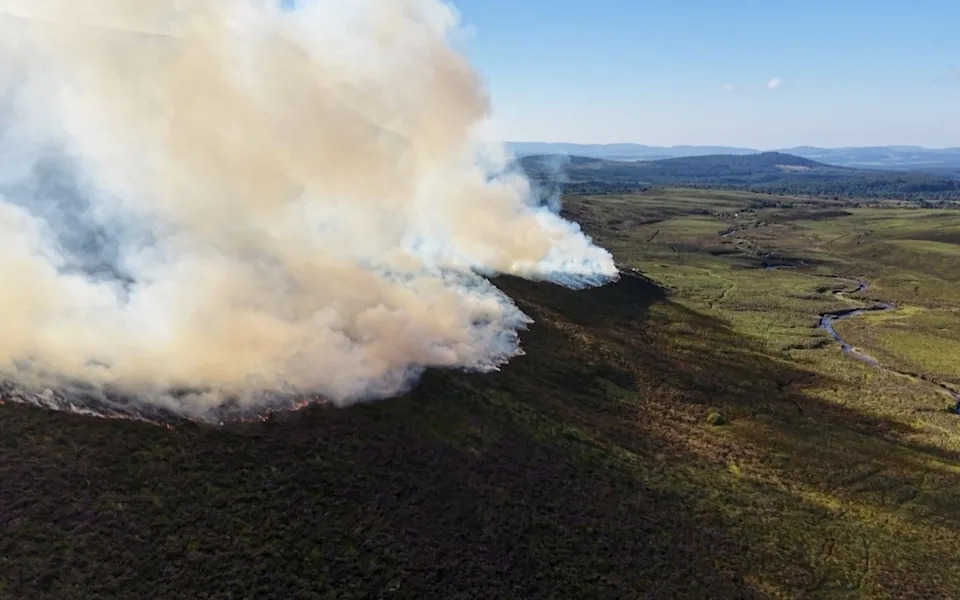
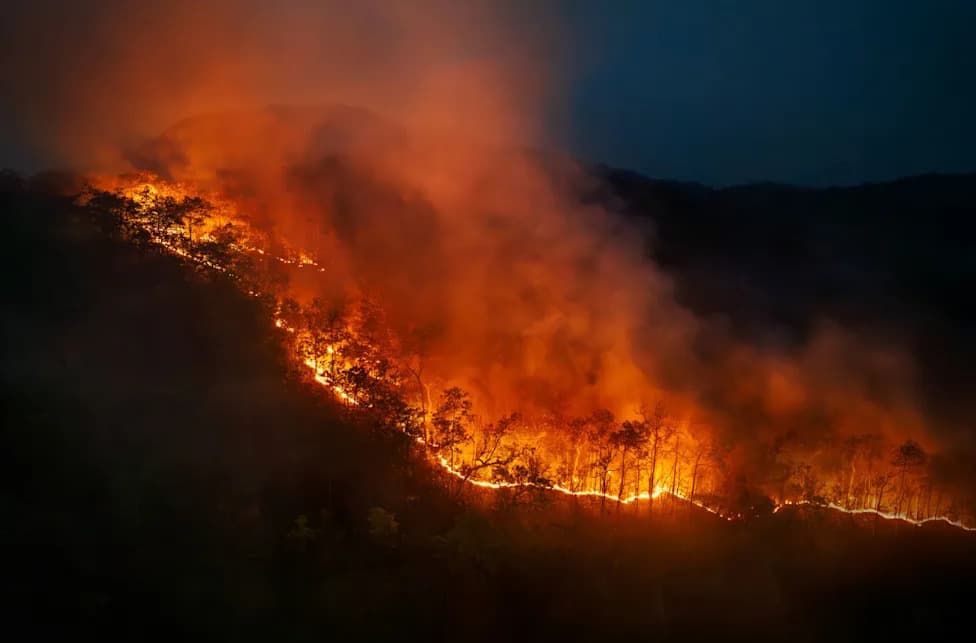
Hundreds of people were evacuated from their homes as fire swept across the Cairngorms - AFP
Recent Examples
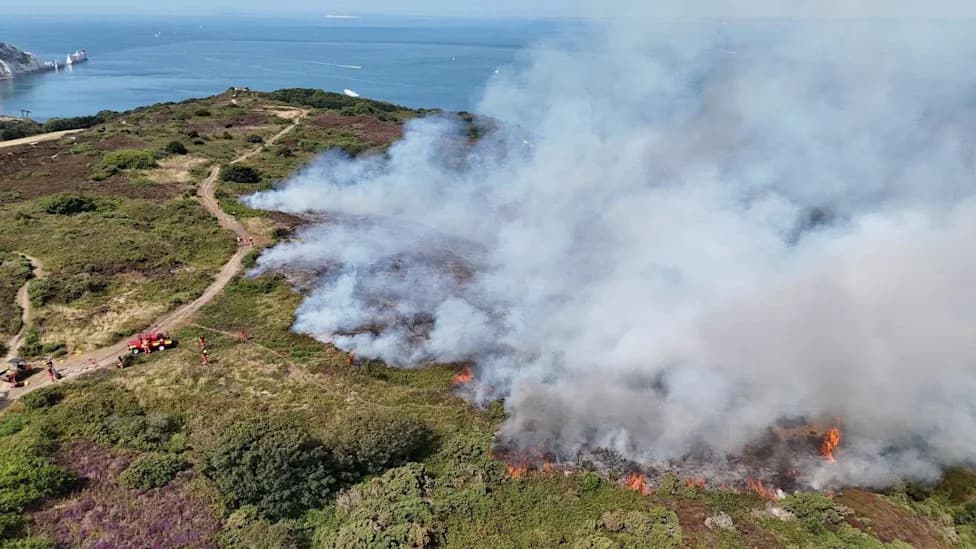
Two recent incidents illustrate the problem in the UK: a weeks-long wildfire in the Cairngorms National Park and a substantial fire on National Trust land at Dunwich Heath, Suffolk. Reporting suggests many recent major fires have occurred on land managed by charities, NGOs or within National Parks, where non-intervention policies are sometimes favoured.
Case in point: areas once kept short by grazing have reverted to Molinia grass, rank heather and bracken—vegetation that can carry intense fires and is less valuable for many ground-nesting birds.
Conservation, Rewilding and Balance
Rewilding aims to restore natural processes and can deliver real conservation benefits. But absolute non-intervention across entire landscapes can be risky. A balanced approach can create a mosaic of habitats—managed heather and bilberry moorland maintained by periodic, licensed burning; sphagnum-rich bogs; and pockets of natural woodland—so that biodiversity goals and wildfire resilience are both supported.
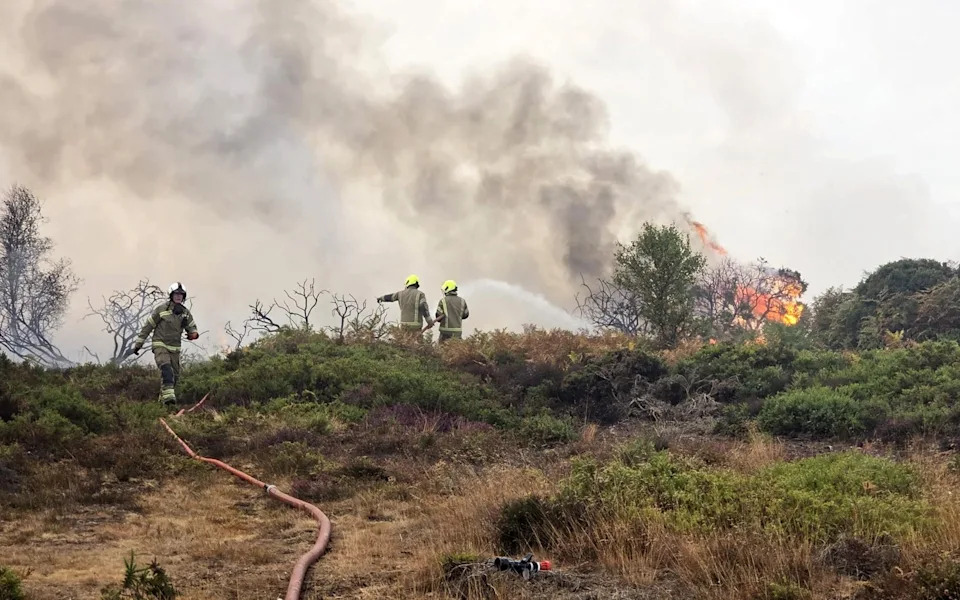
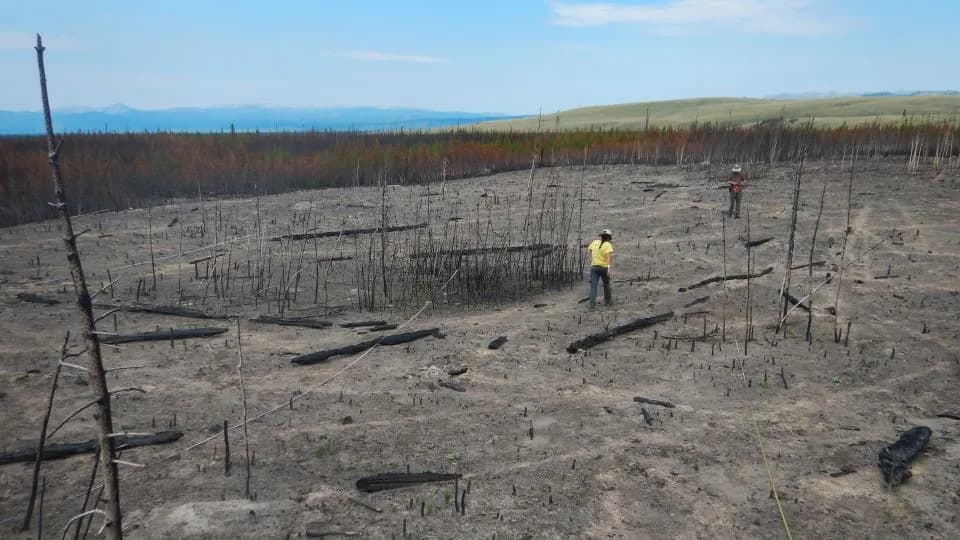
The National Trust has lost acres of Dunwich Heath in Suffolk to a wildfire - AFP
Private landowners in parts of the Highlands have long used phased, local regeneration—deer-fencing small plots, allowing tree regeneration, then moving the fence—to spread risk and protect assets. That kind of pragmatic, small-scale intervention contrasts with attempts to apply non-intervention at landscape scale without adequate mitigation.
Accountability And Policy Recommendations
Where charities and public bodies manage land with taxpayer support, there is a public interest in ensuring their practices do not increase wildfire risk. Practical measures include:
- Retaining licensed, controlled burning and active grazing where these reduce fuel continuity;
- Maintaining fire breaks, access routes and drainage systems that reduce ignition and spread;
- Requiring greater transparency and accountability from land managers funded by public money; and
- Aligning the costs of firefighting and remediation with the decision-makers responsible for land management, so incentives favour risk reduction.
Often, the first responders to moorland and heath fires are neighbouring shepherds and gamekeepers. Better-resourced, coordinated responses and clearer management responsibilities would help protect communities, budgets and the species conservation seeks to save.
Author: Jamie Blackett, farmer in Dumfriesshire and chair of Ground Cry (Campaign to Save Meadow Birds, Waders and Other Ground-Nesting Birds).
Help us improve.