Kansas voters rejected a proposed constitutional amendment that would have allowed statewide popular elections for Supreme Court justices, a move many framed as a bid to undermine abortion protections. The 2019 court ruling that found the Kansas Constitution protects abortion and the 2022 defeat of an anti‑abortion amendment made judicial selection a central battleground. Opponents warned elections would invite big‑money influence, while supporters argued for greater accountability. State data show about three‑quarters of abortions in Kansas in 2024 were for out‑of‑state patients.
Kansas Voters Reject Bid To Elect State Supreme Court Justices, Preserving Abortion Protections

A field organizer places "Vote No" signs before an election watch party in Overland Park, Kansas, on August 2, 2022, when voters rejected a constitutional amendment that would have eliminated state protections for abortion rights.(DAVE KAUP/AFP/Getty Images)
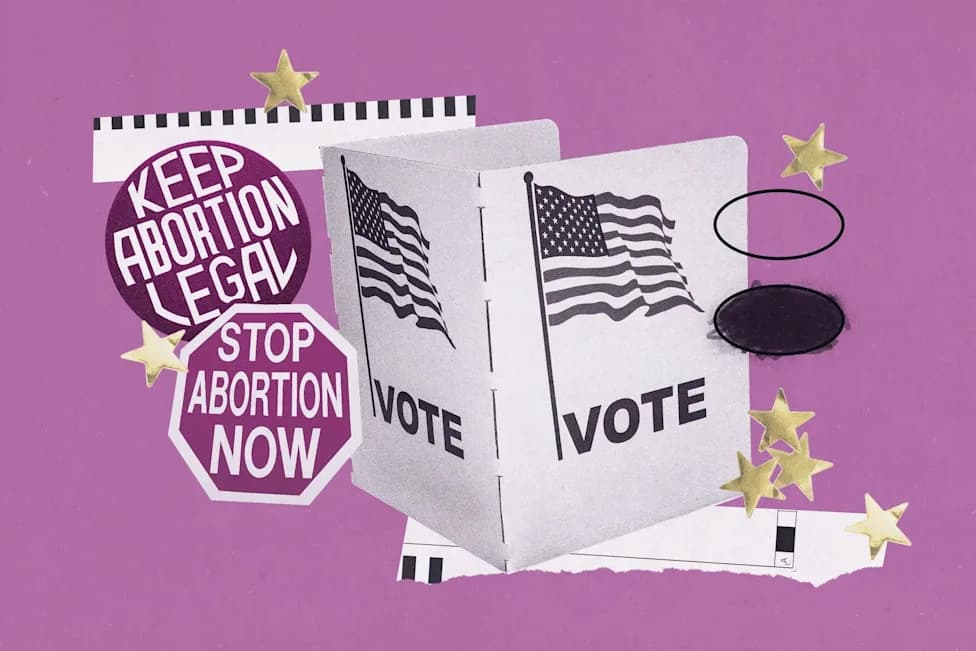
Kansas voters rejected a ballot measure that would have shifted selection of the state Supreme Court to popular elections, Decision Desk HQ projects. What began as a seemingly technical change became a high-stakes proxy fight over the future of abortion rights in the state.
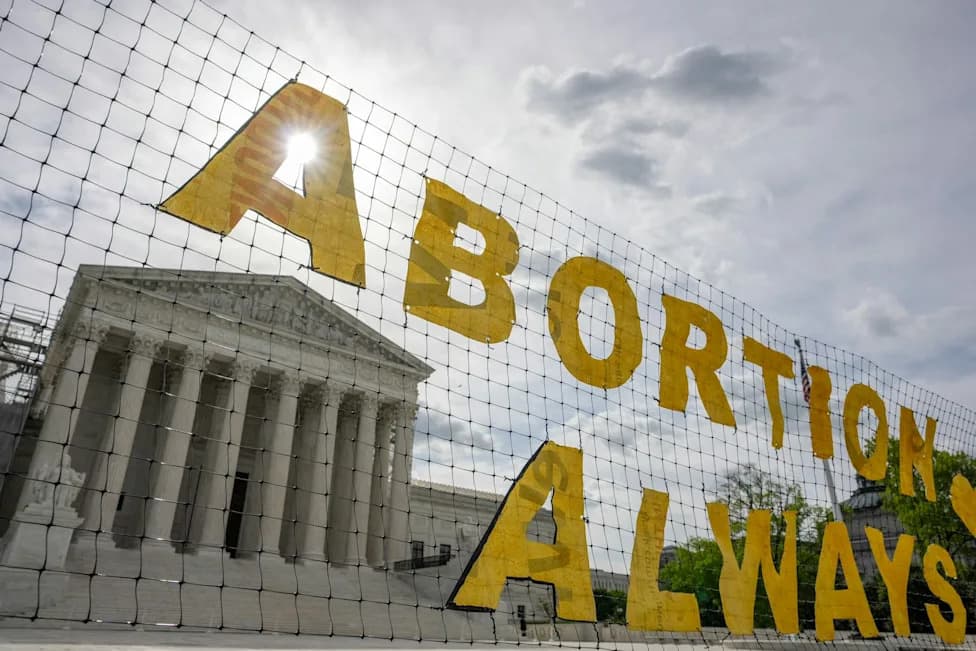
Conservative lawmakers in the Republican-led legislature advanced the proposal as a way to remake the high court that, in 2019, issued a landmark ruling finding the Kansas Constitution protects the right to abortion. Voters had already defeated a related constitutional amendment in 2022 that sought to overturn that ruling, helping to establish Kansas as a destination for people seeking abortion care from neighboring states with strict bans.
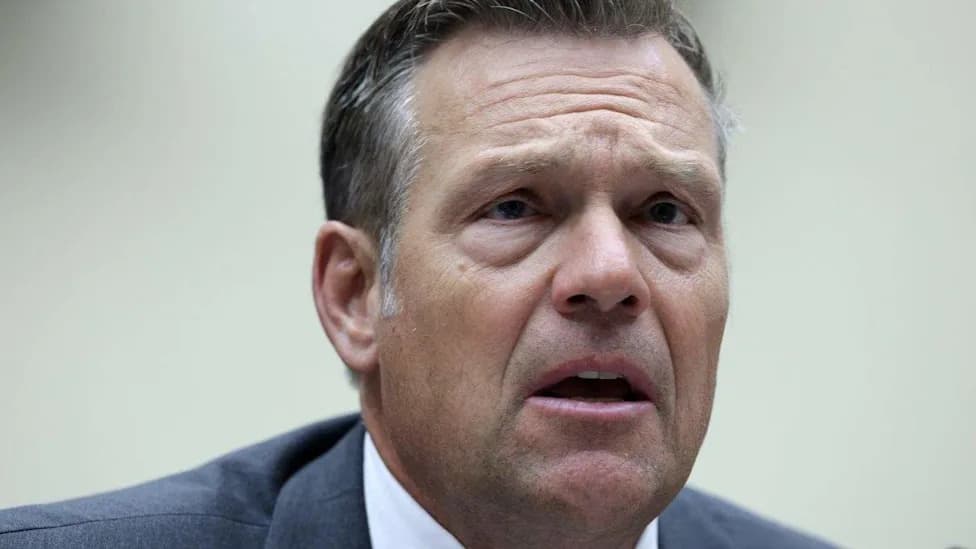
Kris Kobach’s Strategy
Kris Kobach — then a candidate for attorney general — suggested in 2022 that anti‑abortion activists should pivot to changing the composition of the state Supreme Court. He argued that electing justices could allow lawmakers and allies to "slowly and quietly" develop an anti‑abortion judiciary that might ultimately reverse Kansas' abortion‑rights protections.
What The Vote Means
Because the measure failed, Kansas will keep its current appointment system: the governor appoints justices from a list provided by a nine‑member nominating commission. That commission includes lawyers elected by their peers across the state and non‑lawyer members appointed by the governor.
Supporters in the state GOP said electing justices would add transparency and accountability to the selection process. Opponents countered that direct elections would invite massive spending from wealthy donors and special interests to influence who sits on the bench — a risk emphasized in television ads from the progressive coalition Kansas United for Impartial Courts.
Broader Context
Experience in other states demonstrates how reproductive rights can dominate judicial contests and how large sums can flow into those races when justices are chosen by voters. In Wisconsin, where justices are elected, the 2023 and 2025 Supreme Court campaigns — both won by liberal candidates who emphasized support for reproductive rights — set new spending records and illustrated, as Douglas Keith of the Brennan Center for Justice put it, "an era of rapidly intensifying state judicial politics."
"Kansas is surrounded by states with abortion bans. We continue to see people coming from out of state for care here," said Emily Wales, president of Planned Parenthood Great Plains. "Abortion rights are clearly the focus of the legislature."
State data for 2024 show roughly three‑quarters of abortions provided in Kansas — about 15,000 of just over 20,000 procedures — were for people from other states, primarily Texas, Oklahoma and Missouri. Since those figures were compiled, Missouri voters have restored state abortion rights via ballot measures; Texas and Oklahoma, by contrast, continue to maintain near‑total prohibitions.
The measure’s defeat preserves the status quo on judicial selection in Kansas but leaves intact a politically fraught debate over how courts shape access to reproductive health care across the region.
Help us improve.