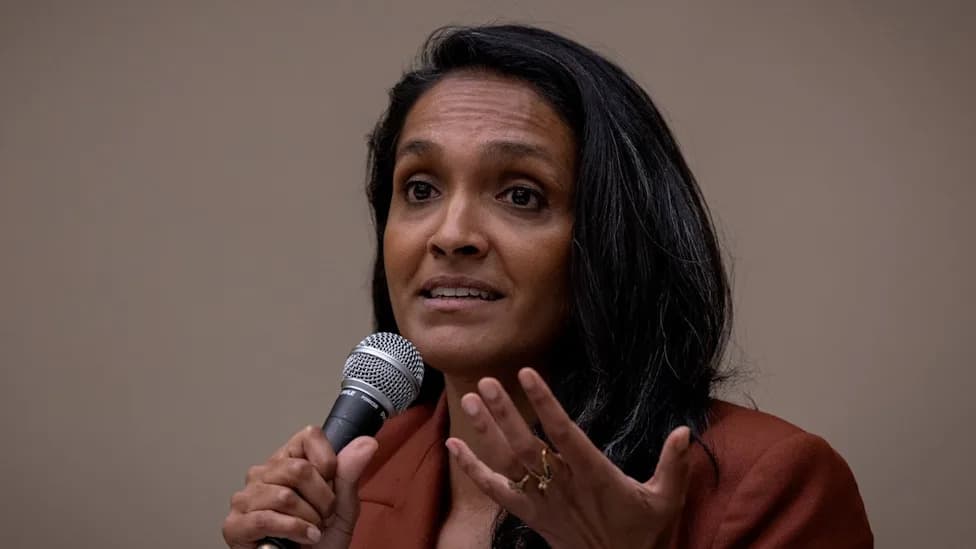
Los Angeles City Councilmember Nithya Raman has been described by critics as a socialist whose policy outlook resembles that of New York City Mayor Zohran Mamdani. As the LA mayoral race approaches, opponents warn that Raman—if elected—could pursue measures similar to those implemented or proposed in New York, with consequences for homeowners, small businesses and municipal budgets.
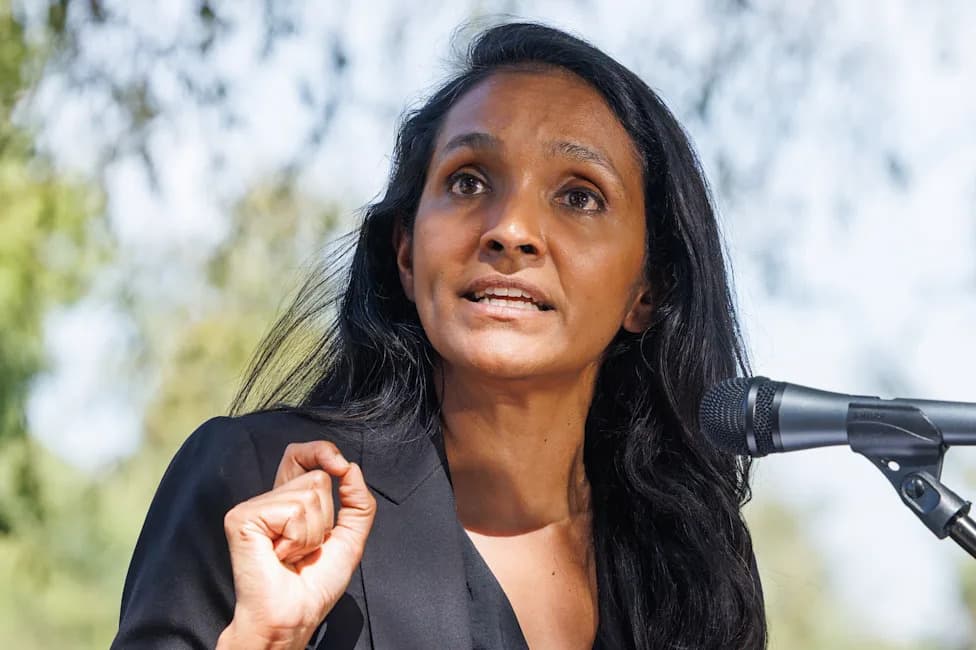
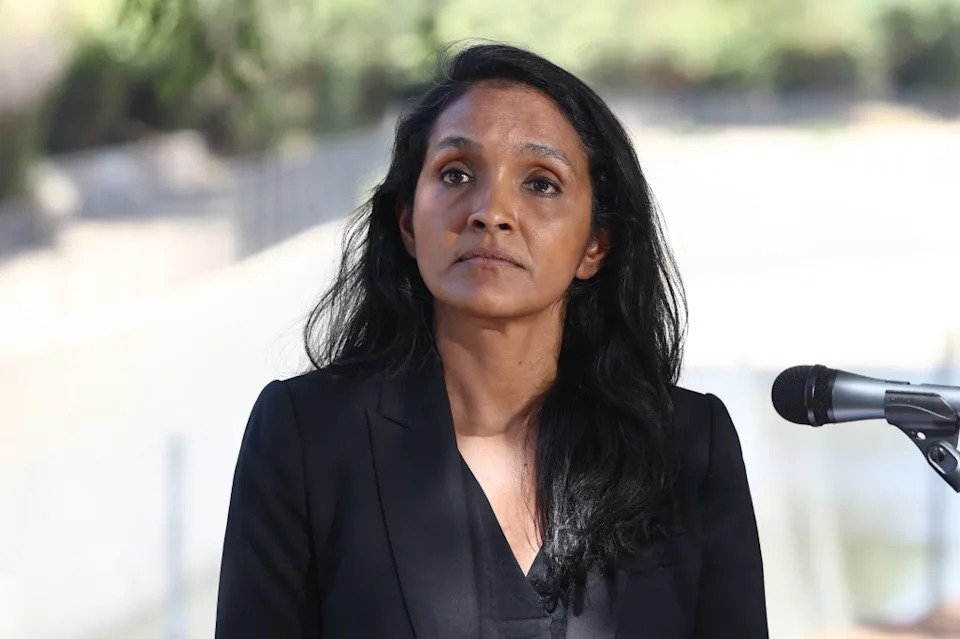
LA Mayoral candidate Nithya Raman speaks at a press conference on Friday, July 24, 2026, in Los Angeles, California. (Jonathan Alcorn) for CA Post
Campaign Positioning and Stakes
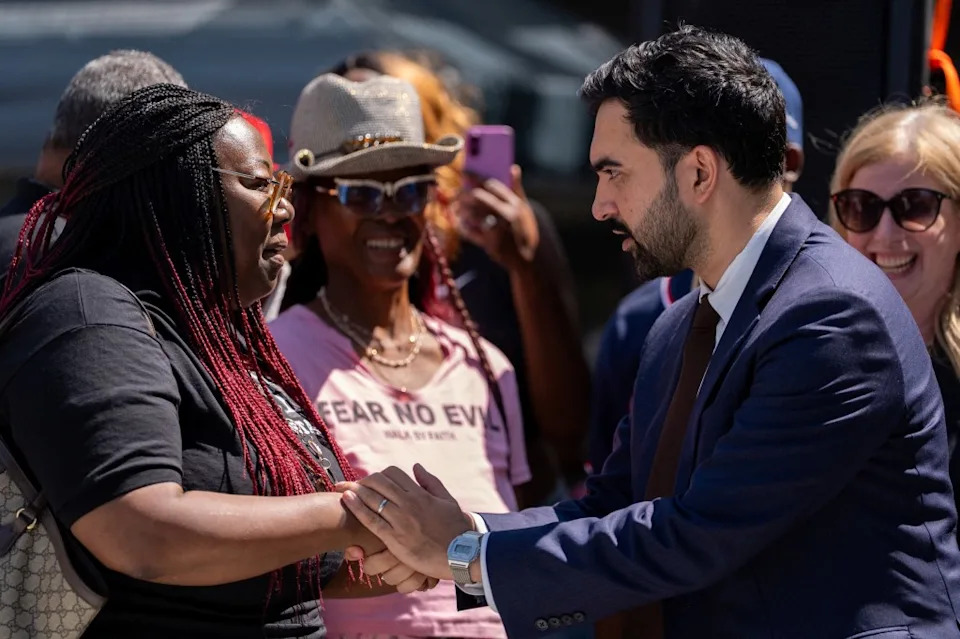
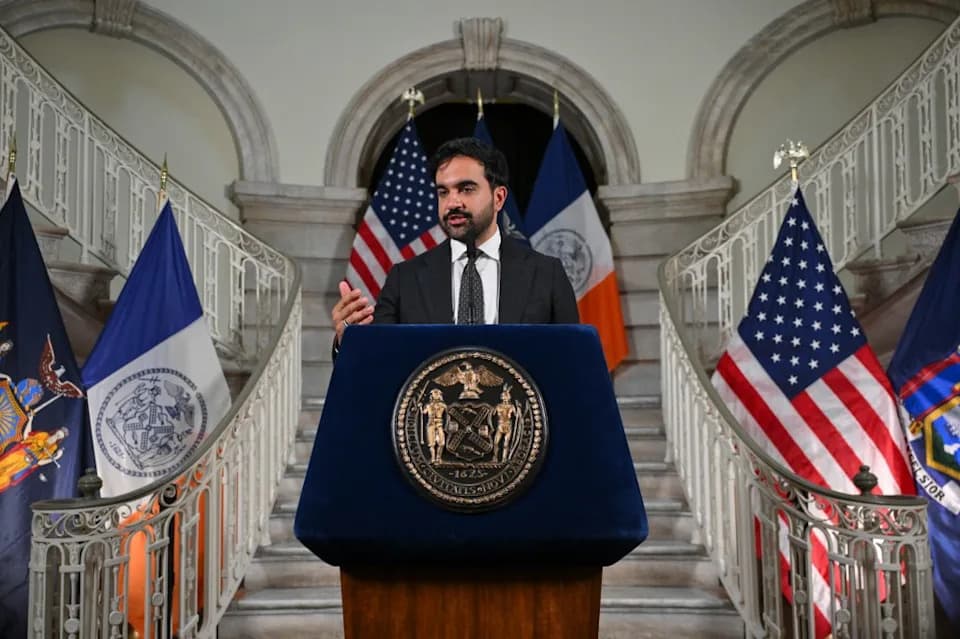
New York City Mayor Zohran Kwame Mamdani speaks to a constituent at the National Night Out Against Crime in the confines of the 79 Precinct in New York City on Tuesday, August 4, 2026. (DAVID DEE DELGADO) REUTERS
Raman has largely avoided detailed public explanations of a comprehensive mayoral agenda during the current campaign, and she emerged from the primary having been outshone by better-known contenders. With Los Angeles facing a worsening homelessness crisis, voters must weigh competing proposals from candidates who have struggled to deliver decisive improvements. For many observers, the November choice feels consequential for the city’s economic and social trajectory.
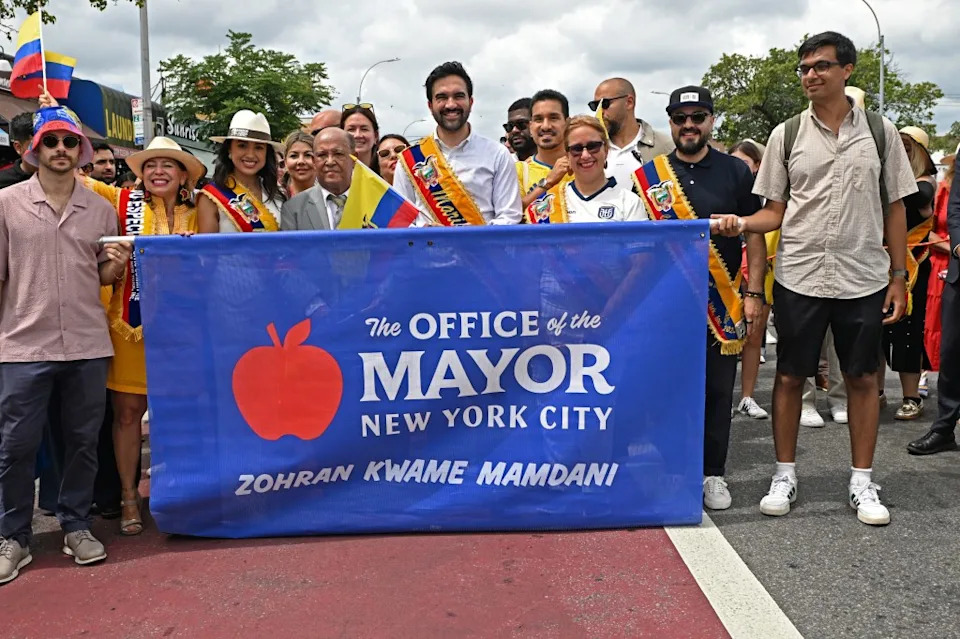
NYC Mayor Zohran Mamdani leads the Annual Ecuadorian Independence Day Parade on Northern Blvd. in Woodside, Queens, on Sunday, August 2, 2026. Thousands of spectators filled both sides of the route along the way. (Represented by ZUMA Press, Inc.) ZUMAPRESS.com
Why Mamdani’s Record Matters to Los Angeles
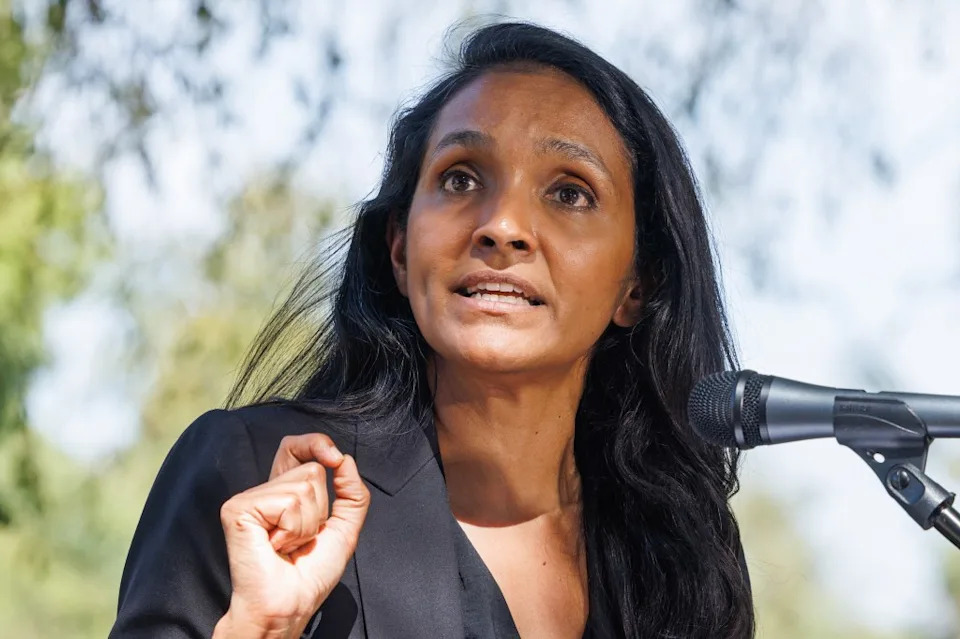
LA Mayoral candidate Nithya Raman speaks at a press conference on Friday, July 24, 2026, in Los Angeles, California. (Jonathan Alcorn) for CA Post
Opponents of Raman point to examples from Mayor Mamdani’s early tenure as a cautionary tale. Critics highlight three flashpoints:
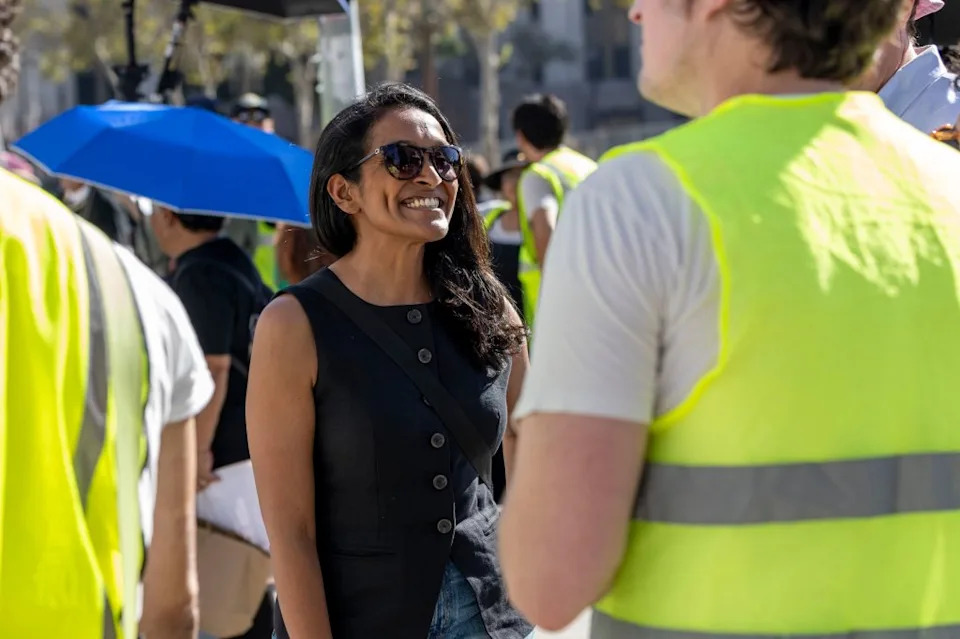
Mayoral candidate and city council member Nithya Raman talks to organizers during a funeral procession and vigil from Los Angeles City Hall to Olvera Street as part of the nationwide 'Justice for Lorenzo. Justice for Johan. Justice for All. Abolish ICE Day of Action' in downtown Los Angeles, California, on Saturday, July 25, 2026. The event called for accountability following the deaths of Lorenzo Salgado Araujo and Johan Sebastian Guerrero during encounters with ICE agents. (Copyright (c) 2026 Shutterstock Editorial. No use without permission.) JILL CONNELLY/EPA/Shutterstock
- High-Profile International Comments: Mamdani drew national attention after a public statement threatening to detain Israeli Prime Minister Benjamin Netanyahu — an action legal experts said a city mayor could not carry out. Mamdani later walked back the threat; opponents say the episode damaged trust and inflamed tensions.
- Vacant-Home Tax And Published Property List: A new tax aimed at unoccupied second homes was presented as targeting some 10,000 properties, but a list released in connection with the measure reportedly contained close to 1 million names and addresses, according to news reports and critics. Opponents faulted the city for how the data was disclosed and said the move could have unintended safety and market effects.
- Proposed City-Run Grocery Stores: Mamdani has proposed municipally operated supermarkets advertised as substantially cheaper than private competitors. Skeptics say details are sparse and worry that such stores could be sustained only through exemptions or subsidies that shift costs to taxpayers and disadvantage small independent grocers.
Local Impacts Cited By Opponents
Critics argue that policies modeled on these examples could prompt property owners to sell, reduce private-sector retail competition and increase long-term fiscal obligations for the city. They also warn that programs funded by municipal subsidies—such as government-run grocery stores or large-scale hotel acquisitions for housing—could put small businesses and neighborhood retailers at risk if losses are absorbed into the city budget.
Context And Counterpoints
Supporters of progressive policies counter that bold interventions are needed to address urgent problems like homelessness and food access, and that municipal initiatives can be structured to protect taxpayers and small businesses. Whether any proposed program would replicate New York’s outcomes depends on policy design, legal constraints and local political checks at the county and state levels.
Whatever the outcome, many observers say the prospect of two major U.S. cities led by officials with similar progressive labels merits close scrutiny, robust debate and clear policy proposals from candidates.
Author: Bruce Bialosky, former presidential appointee and certified public accountant specializing in taxes.