Researchers surveying maerl beds off Cornwall discovered a previously unrecorded, tiny red seaweed in the genus Ceramium. Confirmation required live sampling, laboratory cultivation and DNA sequencing; a second specimen showed reproductive features never seen before. The surveys also recorded rare species and more than 380 surface-dwelling organisms, while whole-genome work and seabed mapping are informing a Cornwall Maerl Conservation Action Plan to protect these ancient, slow-growing habitats.
Tiny Red Seaweed New To Science Discovered In Ancient Cornwall Maerl Beds
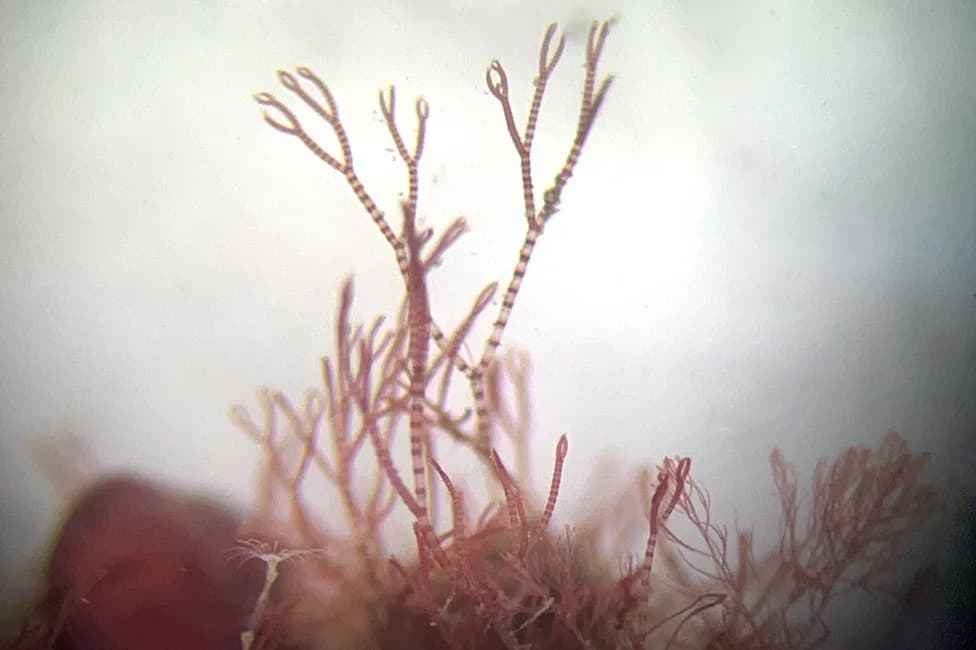
Photo Credit: Francis Bunker
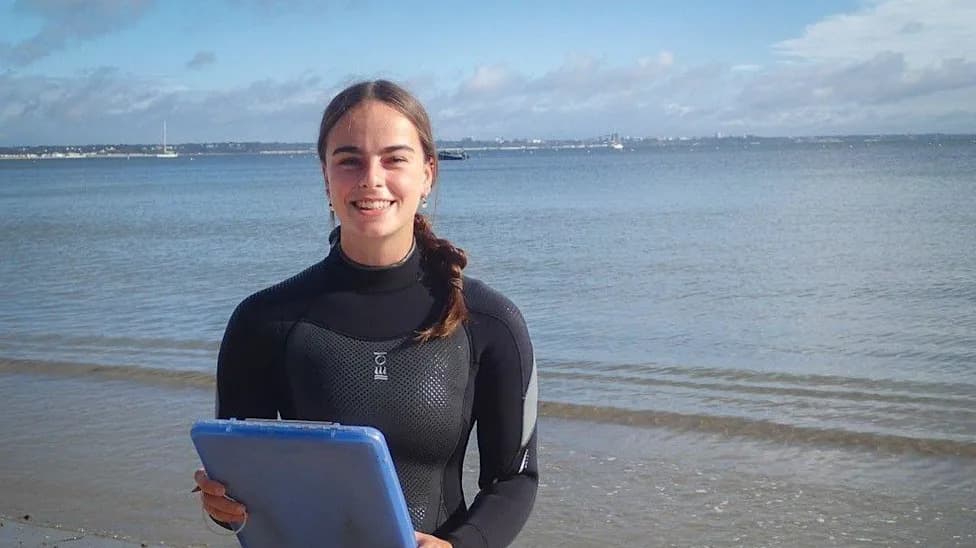
Scientists surveying maerl beds off the coast of Cornwall have identified a minute red seaweed in the genus Ceramium that has never before been formally recorded, Natural England reported. The discovery came during targeted dive surveys of the little-known maerl habitats, an underwater oasis of pink, calcified algae.
Researchers confirmed the organism as a distinct species only after collecting live fragments, cultivating them in the laboratory and sequencing their DNA. The BBC joined the expedition to film the underwater work, and researchers later found an additional specimen that displayed reproductive structures never previously observed for this tiny Ceramium.
Why Maerl Beds Matter
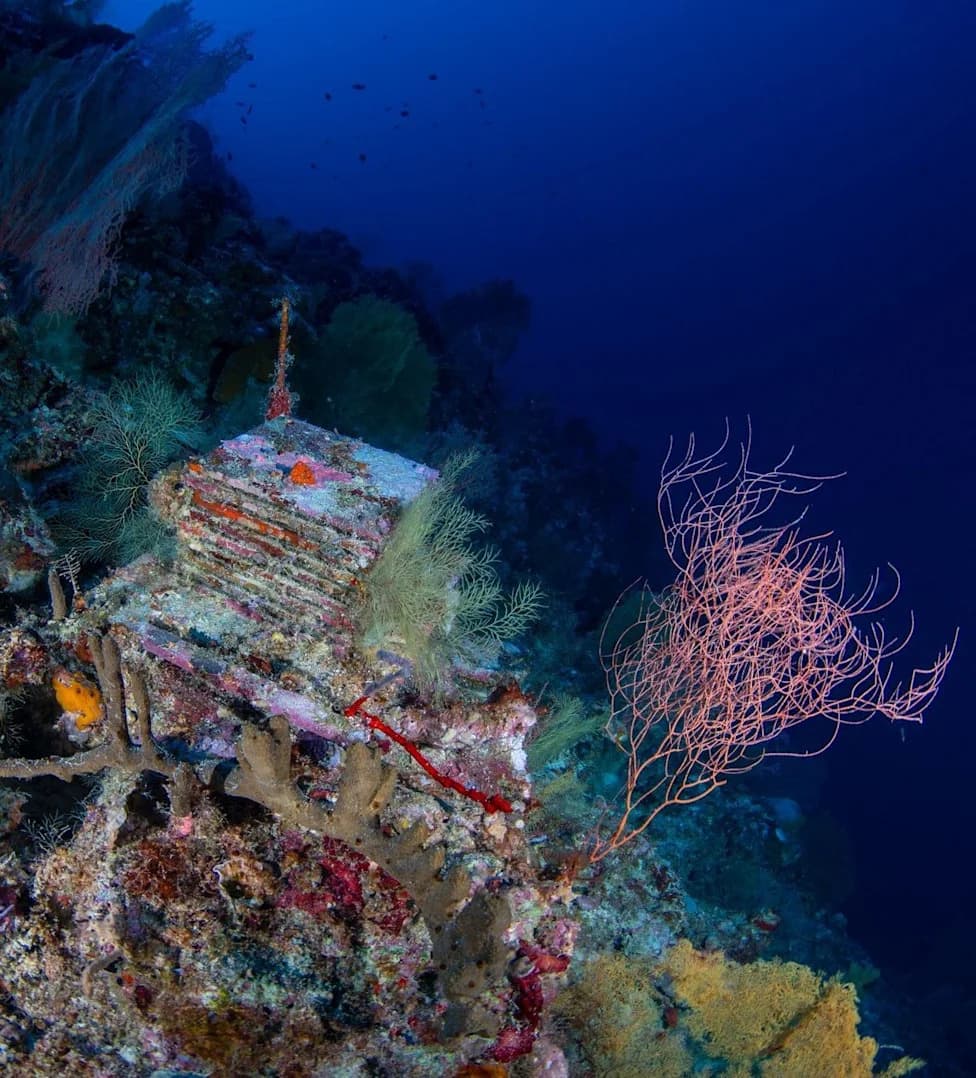
Maerl beds are formed from branching rhodoliths — loose, calcified red algae — that accumulate over centuries to create complex seafloor habitats. These algae grow extremely slowly (about 0.02 inches per year), and some maerl beds in the Fal Estuary may be as old as 4,000 years. The beds function as nursery grounds for juvenile fish and shellfish, provide shelter for a wide array of marine life, and trap carbon within their sediments.
"I first encountered this tiny Ceramium in the early 1980s, and I have been wondering about it ever since," said Professor Christine Maggs, a specialist in seaweed taxonomy. "Natural England's surveys finally provided the missing piece of a scientific puzzle I've been trying to solve for most of my career."
During the same surveys researchers also recorded other notable species, including Ulva rigida (a sea lettuce not previously confirmed in the U.K.) and Bonnemaisonia clavata, a delicate red seaweed not recorded in British waters since the 18th century.
"We've already recorded more than 380 species living on the surface of the maerl beds, and that's only the beginning," said Angie Gall, senior marine officer at Natural England. "Many more species live within the maerl itself or appear at different times of year."
Conservation and Research
Since 2023, Natural England and partners have combined dive surveys with seabed mapping to chart Cornwall's maerl and inform protection measures. This work has contributed to the Cornwall Maerl Conservation Action Plan, developed through the U.K.'s first forum focused specifically on maerl habitats. The plan coordinates priorities such as sustainable fishing, restoration research and public engagement.
Researchers at the University of Exeter have used whole-genome sequencing to distinguish maerl populations across southwest Britain and identified a genetically distinct population in St Mawes. That genetic insight is helping to shape marine management and conservation objectives.
"Finding species new to science in our waters is thrilling," said seaweed expert Francis Bunker. "But it also shows how much biodiversity is still hidden in these beds and what we stand to lose if these habitats are damaged before we've fully understood them."
The discovery underscores both the scientific value and vulnerability of ancient maerl ecosystems and highlights the importance of continued surveying, genetics-based research and targeted conservation action.
Help us improve.