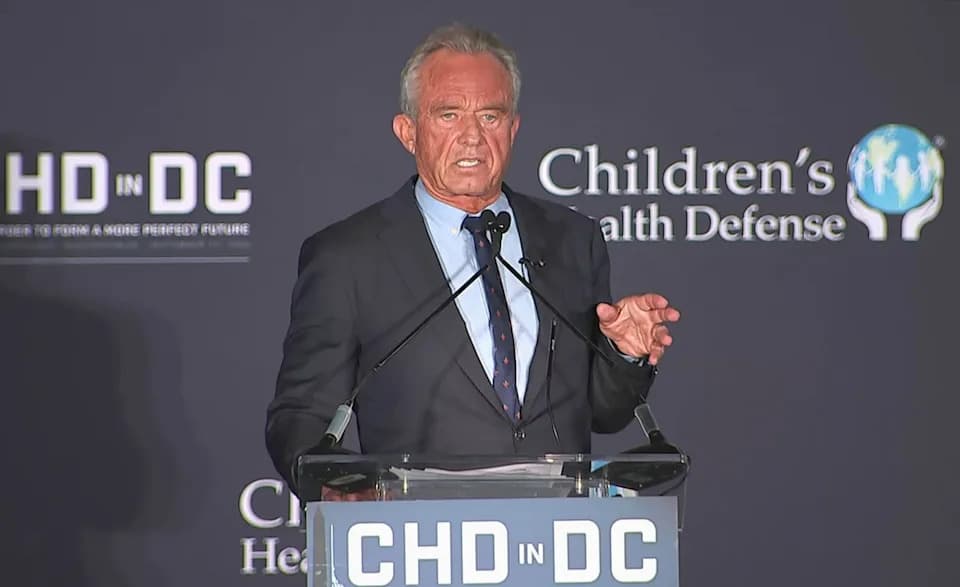
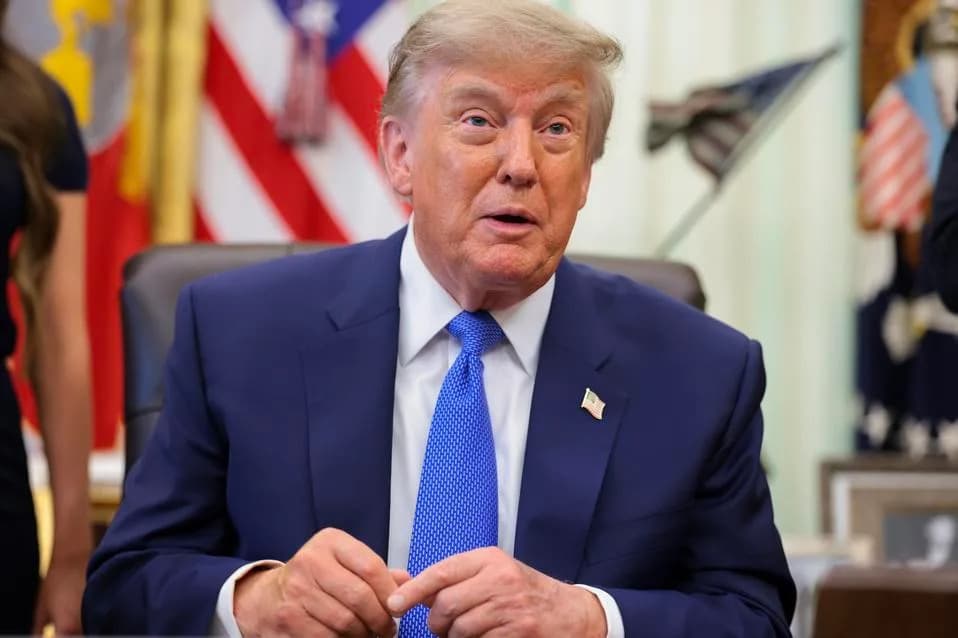
The University of Washington analyzed health records for more than 2.5 million U.S. children and found no link between the MMR vaccine given before age 2 and autism diagnoses. The study supports decades of research and WHO guidance that vaccines do not cause autism. The report comes as measles cases surge and vaccination rates decline, and amid political debate involving President Trump and Health Secretary Robert F. Kennedy, Jr. Federal agencies have launched a broader review into causes of autism.
Large U.S. Study Finds No Link Between MMR Before Age 2 And Autism Amid Renewed Political Debate
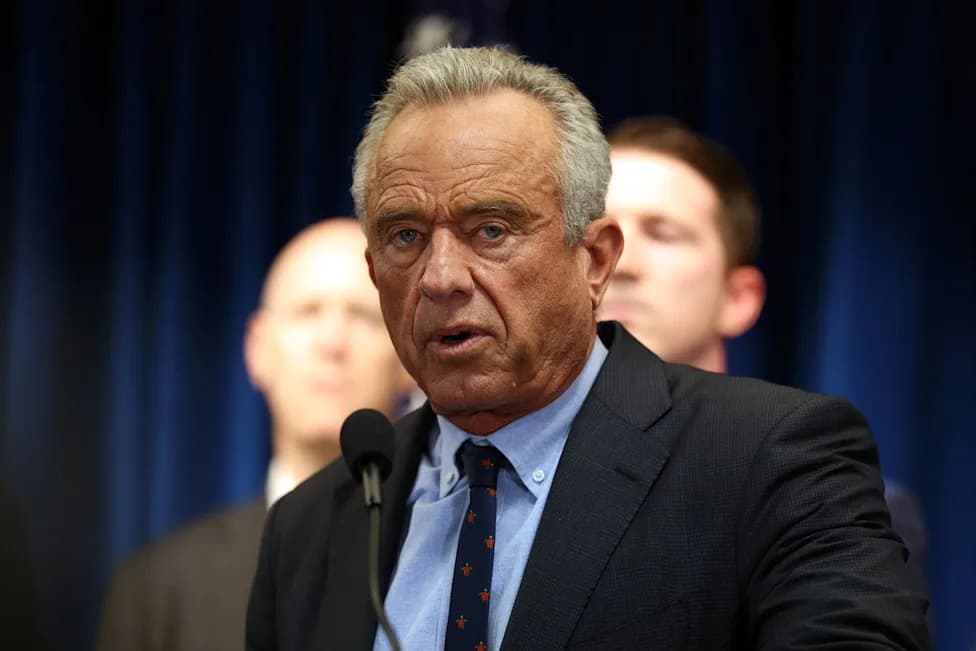
Trump linked MMR vaccines to autism. Ties between the two were just debunked again
A major new analysis of more than 2.5 million U.S. children found no association between receiving the measles, mumps and rubella (MMR) vaccine before age 2 and a later diagnosis of autism. Researchers at the University of Washington concluded the results "reinforce existing evidence supporting the safety of MMR vaccination."
Study Findings and Context
The researchers examined health records from over 2.5 million children and found no increased risk of autism linked to early MMR vaccination. The findings add to decades of research and recent statements from global health authorities, including the World Health Organization, that have found no credible evidence connecting vaccines to autism.
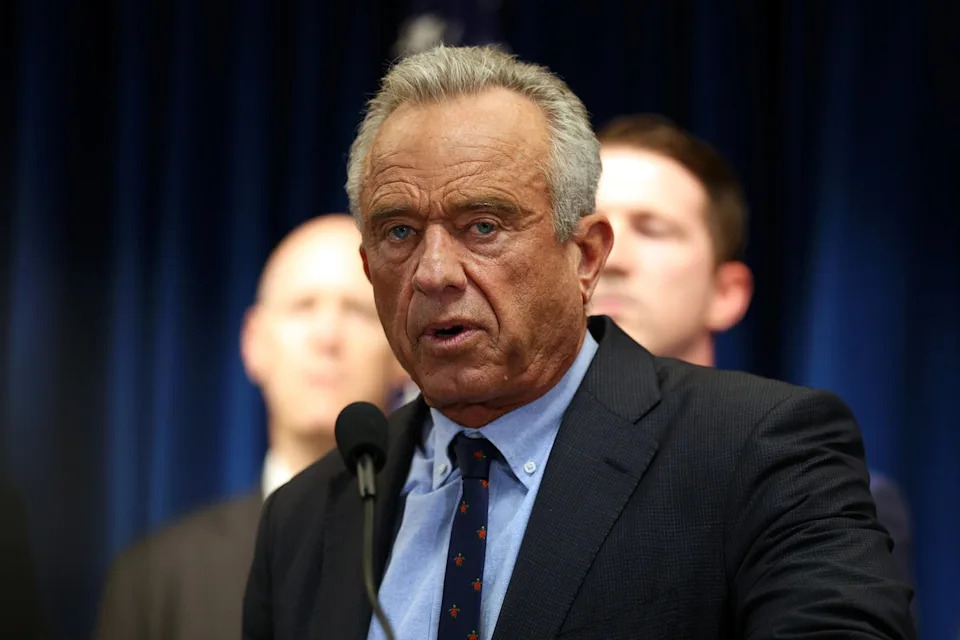
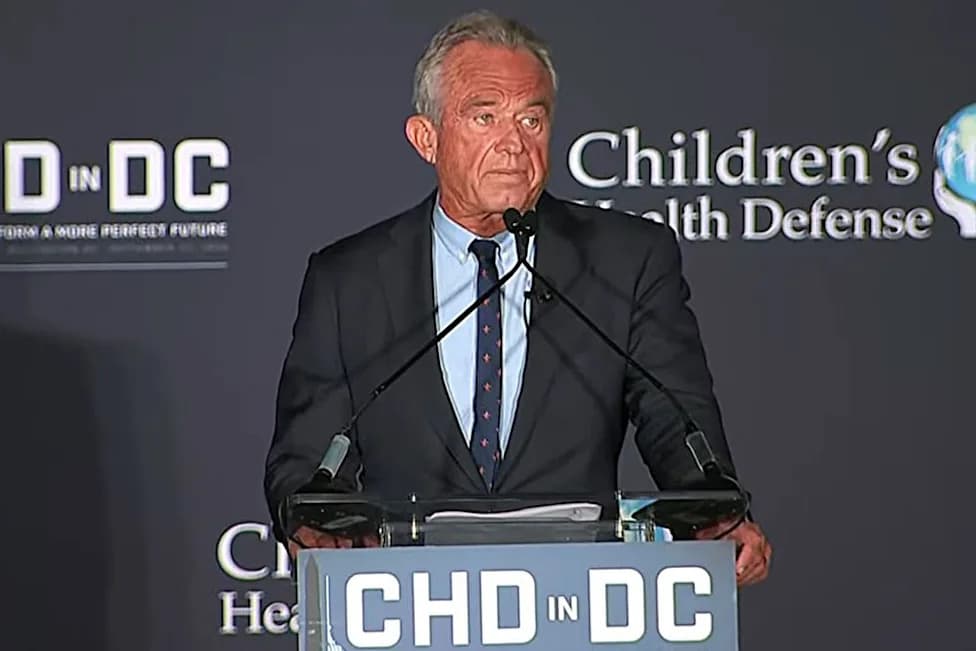
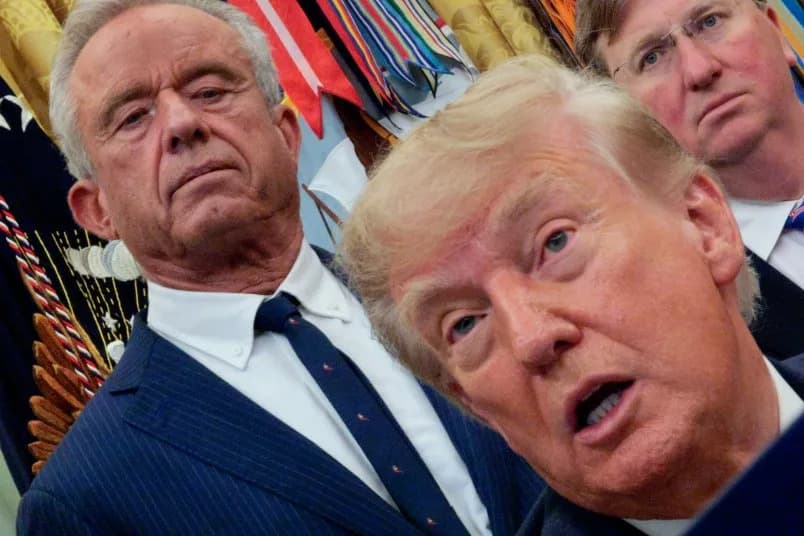
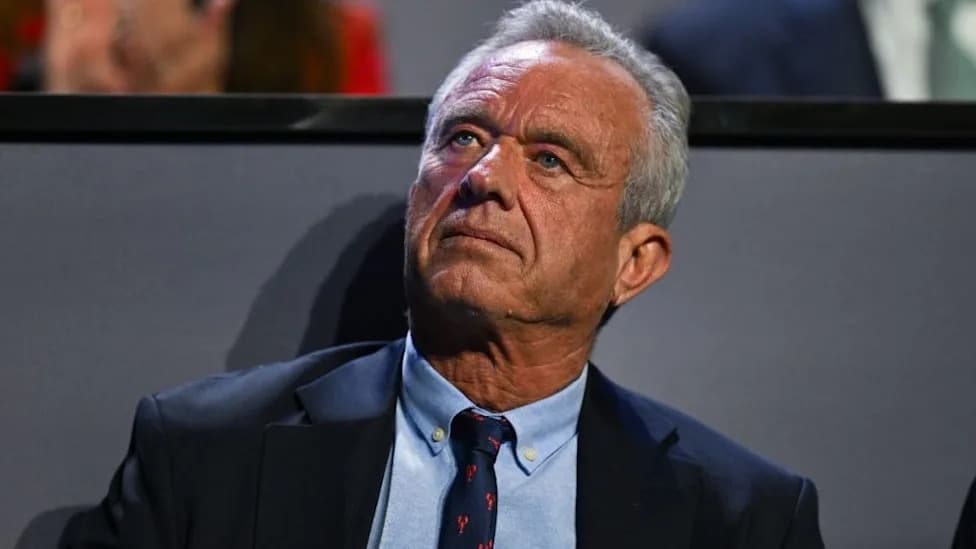
Health Secretary Robert F. Kennedy, Jr. says the President Donald Trump wants the administration to look into any ties between vaccines and autism - despite decades of research showing there's no link. A new study showing no ties between autism diagnoses and the measles vaccine builds on that evidence (Getty)
"These results reinforce existing evidence supporting the safety of MMR vaccination," the University of Washington team wrote.
Public-Health Concerns
The study arrives as U.S. childhood vaccination rates have declined since before the COVID-19 pandemic, and measles cases have reached their highest level in 35 years. Public confusion has been amplified by inconsistent messaging from political leaders and public figures during ongoing outbreaks.
Political Statements and Reactions
Health Secretary Robert F. Kennedy, Jr. urged people on CNN to get the MMR vaccine to protect against measles but has also questioned long-established vaccine safety conclusions when discussing autism. President Donald Trump has previously expressed skepticism about the combined MMR shot and suggested administering its components separately—positions that are at odds with the broad scientific consensus.
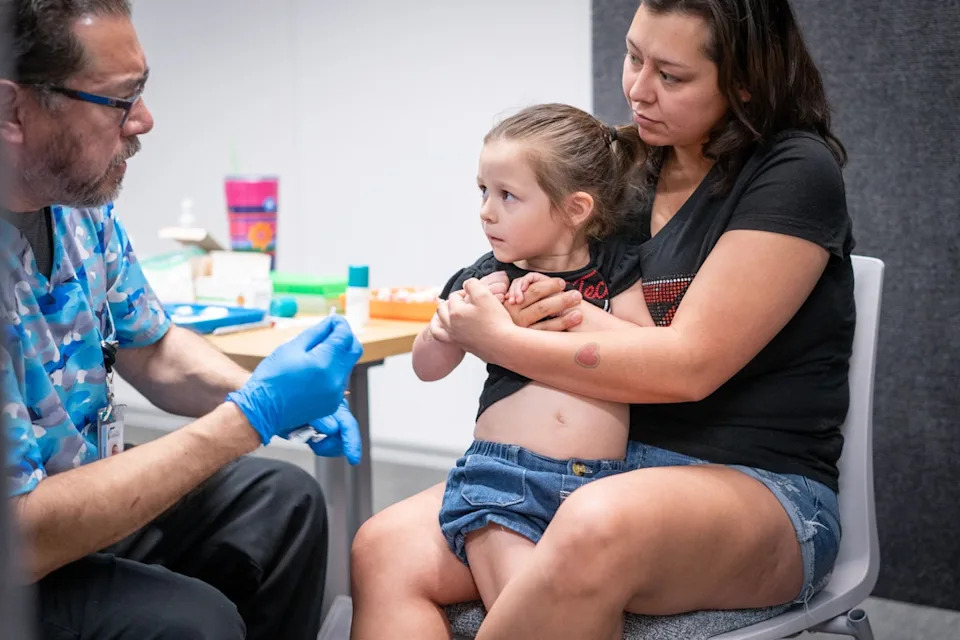
A woman holds her young daughter while she gets the MMR vaccine at a clinic in Lubbock, Texas, last year. Kennedy said parents should give their children the shots on CNN this weekend (Getty Images)
History Of The Misinformation
The MMR vaccine became the focus of autism concerns after a 1998 paper by Andrew Wakefield that suggested a link. That paper was later retracted for serious methodological flaws, and Wakefield lost his medical license. Before retraction, the paper had been cited hundreds of times—an example experts cite when explaining how quickly misinformation can spread.
Federal Review And Scientific Perspective
In November, the Centers for Disease Control and Prevention updated its webpage on vaccines and autism as part of a broader federal review. The Department of Health and Human Services has launched a comprehensive assessment into potential causes of autism, including evaluations of biologic mechanisms and any plausible causal links. Independent fact-checkers note that while not every vaccine component has been tested in isolation for every possible outcome, the extensive body of epidemiological evidence does not support a causal link between infant vaccines and autism.
Bottom line: This large, rigorous study strengthens the long-standing scientific consensus that the MMR vaccine, given before age 2, is not associated with autism—while underscoring the urgent public-health need to address falling vaccination rates and rising measles cases.
Help us improve.