Viral Theory: A right‑wing conspiracy claims USAID funded U.S. rap artists and that the agency’s dismantling caused hip‑hop to drop from the Billboard Hot 100 Top 40. Origin: Rolling Stone traced the narrative to Steve Franssen and others amplified it online. Reality: USAID funded music‑based outreach programs abroad, but analysts say rap’s chart decline stems from long‑term trends and Billboard rule changes, not U.S. foreign‑aid policy.
No, USAID Didn’t Fund American Rap — The Viral Theory Linking the Agency to Hip‑Hop’s Chart Drop Is False
No, USAID Didn’t Fund Rap Music — Despite What This Viral Right-Wing Theory Claims About Its Chart Decline
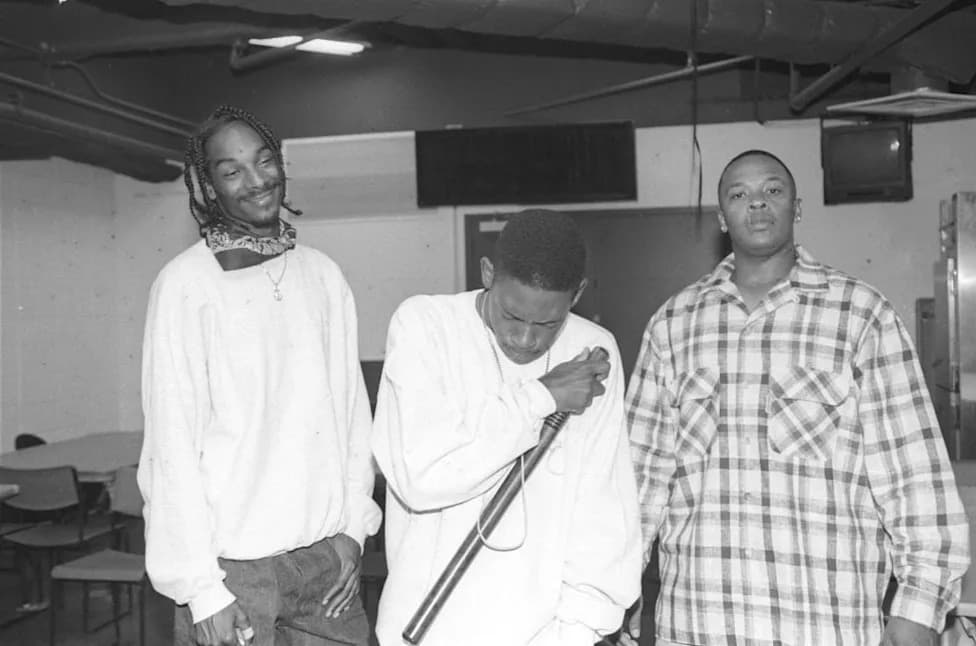
A strange online conspiracy has merged two frequent targets of right‑wing criticism — rap music and the U.S. Agency for International Development (USAID) — to claim that the U.S. government secretly funded American hip‑hop artists and that the agency’s dismantling explains rap’s decline on the charts. That claim is not supported by the available evidence.
Where the Claim Comes From
The theory appears to have grown from real but unrelated examples in which USAID funded programs overseas that used rap music as an outreach tool — for instance, an anti‑HIV public health campaign in Tanzania and a now‑defunct initiative that supported anti‑regime rap artists in Cuba. Far‑right social accounts extrapolated from those foreign programs and began asserting, without evidence, that USAID directly financed U.S. mainstream rap artists.
Rolling Stone traced the online narrative to far‑right figure Steve Franssen, whose May post addressed "proud whites" and claimed, without proof, that rap was a government‑funded effort to "dumb down Middle America." Major conservative podcasters and commentators, including Joe Rogan and Tim Pool, subsequently amplified versions of the idea.
What USAID Actually Did
USAID has funded cultural and public‑health projects abroad that used music — including rap — to reach specific audiences. These are targeted outreach efforts in other countries and are not evidence that USAID financed the U.S. commercial music industry or American chart‑topping artists.
Why Rap’s Chart Presence Changed
Observers noted in late 2025 that rap had fallen out of the Billboard Hot 100 Top 40 for the first time since 1990. Analysts attribute that change to multiple, domestic music‑industry factors that predate any USAID budget cuts: growing competition from global genres, evolving listening habits, and several technical changes to how Billboard calculates chart positions. Billboard altered rules on song longevity and later adjusted how streams are weighted — giving greater priority to plays by paid subscribers — which affected chart placement independently of any foreign‑aid policy.
Political Context And Misinformation
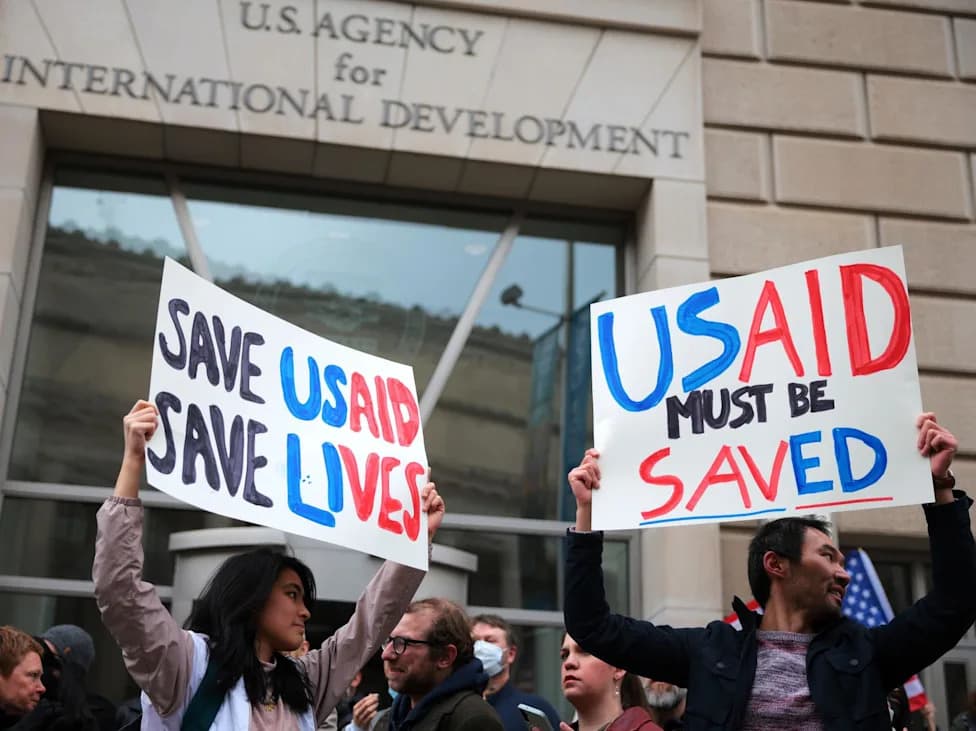
After President Trump returned to the White House, the administration pursued a cost‑cutting reorganization that targeted USAID’s budget and responsibilities. Supporters of those actions — and some high‑profile figures on social platforms — circulated broad allegations about the agency, ranging from claims of political meddling to far‑fetched accusations that lacked credible evidence. Those narratives helped fuel conspiratorial leaps tying USAID to unrelated domestic phenomena, including trends in music charts.
Bottom Line
There is no evidence that USAID funded mainstream American rap artists or orchestrated hip‑hop’s rise or fall on U.S. charts. The viral theory conflates separate facts — USAID’s limited cultural outreach abroad and a real decline in rap’s share of the Hot 100 — and stitches them together with partisan speculation. Analysts point to long‑term shifts in listening patterns and Billboard’s methodological changes as the more plausible explanations for the chart movement.
Note: This article summarizes reporting from outlets including Rolling Stone and music‑industry analysts. It aims to distinguish verifiable facts from online speculation.
Help us improve.