Black Democratic voters — roughly 25% of Michigan’s Democratic electorate — are a decisive bloc in the state's U.S. Senate primary. Progressive Abdul El‑Sayed leads in many polls but has struggled to win majority Black support amid heavy ad spending and establishment endorsements for Haley Stevens. Analysts say endorsements (not ideology) and electability concerns shape Black primary voting, and whoever wins will need that bloc to beat Republican Mike Rogers in November.
Michigan's Primary Hinges on Black Voters — Can Abdul El‑Sayed Win Them Over?
The Crucial Voting Bloc in Michigan’s Primary Today
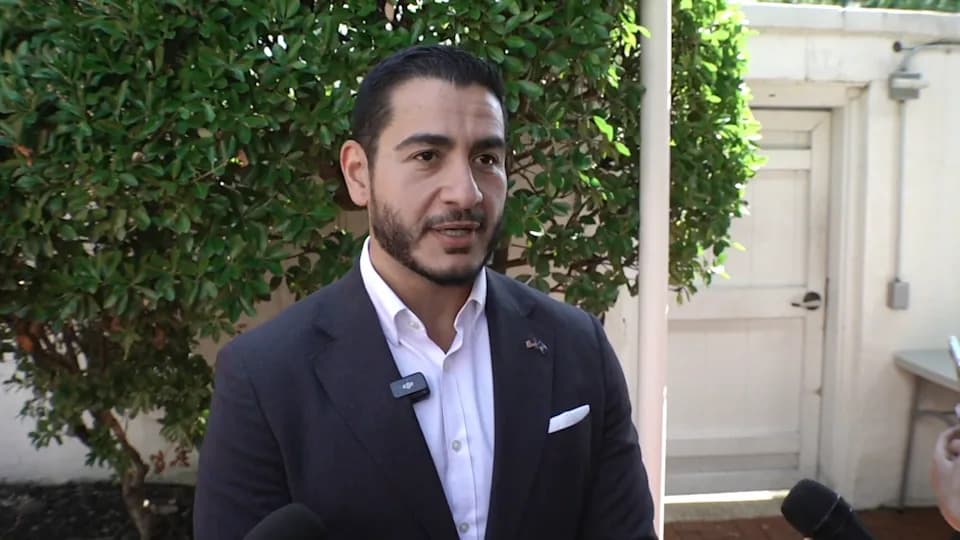
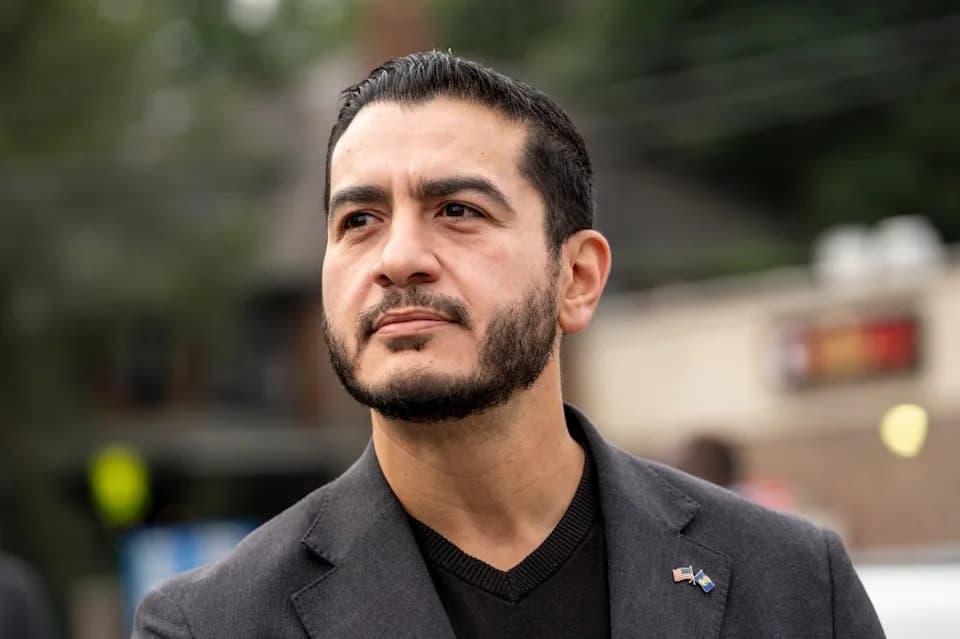
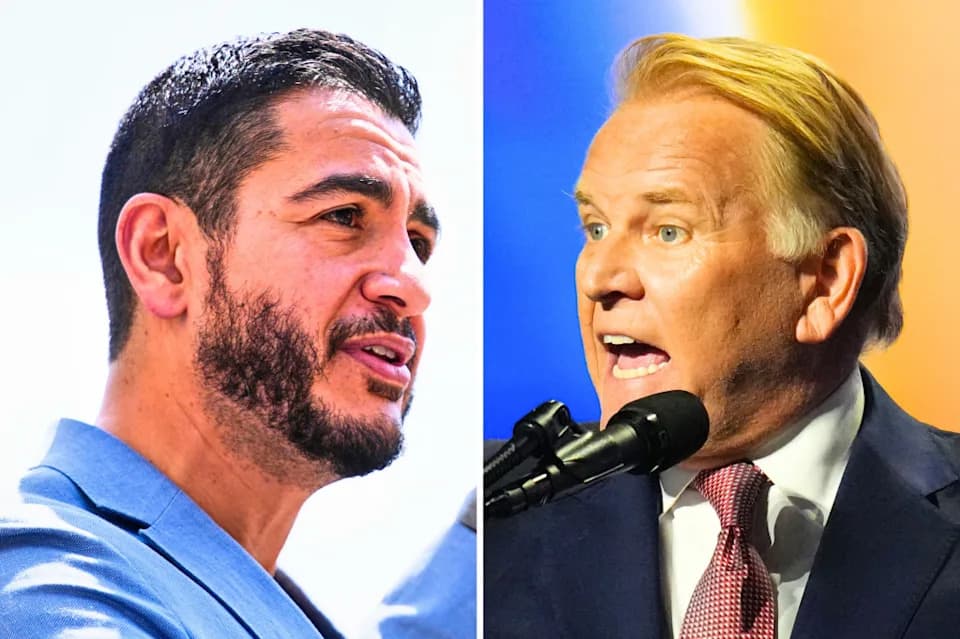
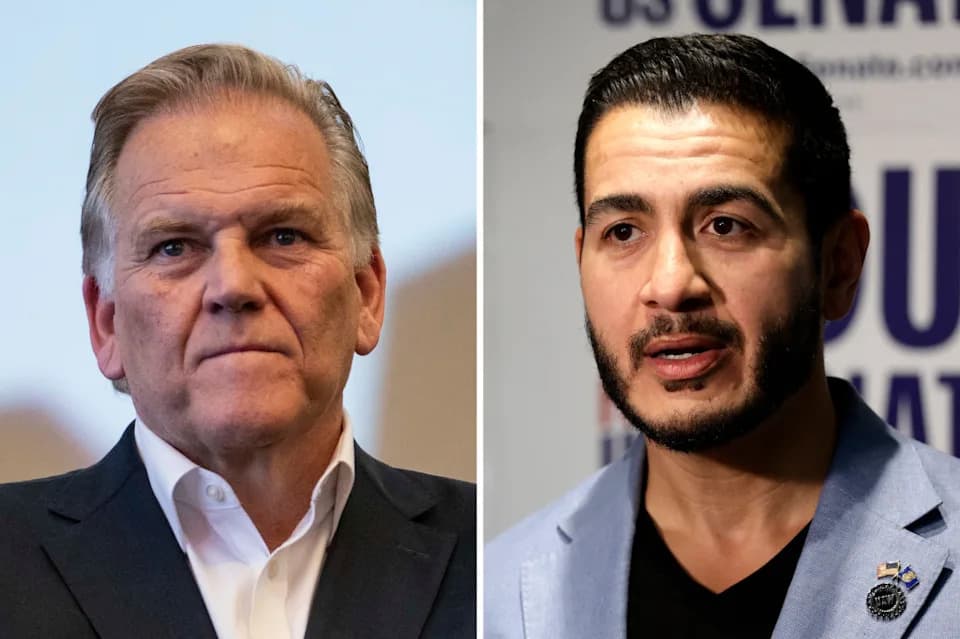
In Michigan's Democratic U.S. Senate primary, progressive Abdul El‑Sayed has led in many polls against establishment‑backed Rep. Haley Stevens. Yet a decisive constituency — Black Democratic voters, who constitute roughly a quarter of the state's Democratic electorate — has not coalesced behind him. How that bloc breaks will likely shape both Tuesday's primary and the November general election.
Why Black Voters Matter
Black voters' turnout and preferences are central to Democratic hopes in Michigan. Political scientists say this group often prioritizes electability and trusted party leaders' cues over ideological labels, especially in primaries where the primary goal can be defeating a Republican in November.
Endorsements, Messaging and Money
Endorsements from respected establishment figures have been influential. Rep. Jim Clyburn — a senior voice in the Congressional Black Caucus — endorsed Stevens and campaigned with her, offering a signal many Black voters heed. "I know what it takes to energize Democratic voters. I know she has what it takes to energize Democratic voters, and we need that," Clyburn said at an event in Detroit.
Advertising and outside spending have also shaped perceptions. United Democracy Project, an AIPAC‑affiliated super PAC, has spent about $30 million supporting Stevens and paid for a $5 million ad that ran nearly 4,000 times featuring President Barack Obama praising her work on the U.S. Auto Rescue Task Force.
Lessons From 2020
Scholars point to the 2020 Democratic presidential primary as a cautionary example for progressives. Joe Biden’s strong support among Black voters in Michigan and elsewhere helped deliver decisive wins. Experts say that when Black voters see a candidate as the most practical route to defeating Republicans, they often coalesce around that option even if they prefer more progressive policy positions in abstract.
How Each Campaign Is Courting Black Voters
Both campaigns have actively courted Black communities: attending church services and highlighting endorsements from Black leaders. El‑Sayed has secured backing from the Council of Baptist Pastors of Detroit and Vicinity and attracted younger, progressive members of the Congressional Black Caucus, including Reps. Summer Lee, Maxwell Frost and Bonnie Watson Coleman. Stevens has leaned on establishment ties and high‑profile ad buys.
Stevens's surrogates have circulated attacks portraying El‑Sayed as dismissive of prominent Black leaders; a United Democracy Project‑funded mailer highlighted an old El‑Sayed remark about Michelle Obama's childhood‑obesity work. El‑Sayed has also faced scrutiny over a February 2024 pledge to vote "uncommitted" in the presidential primary amid the Gaza crisis; he later endorsed Vice President Harris when she became the nominee.
What Comes Next
Whichever Democrat wins Tuesday will need to solidify Black support to defeat Republican Mike Rogers in November. Analysts advise the eventual nominee to emphasize protecting Black communities from GOP policies and focus on electability before expansive policy debates — an approach that aligns with the pragmatic voting behavior many experts attribute to Black primary voters.
Broader context: Voters in Kansas, Missouri, Virginia and Washington also face important contests Tuesday, including left‑versus‑establishment fights and several rematches and primary challenges that could shape House and gubernatorial races this fall.
"Black voters are frequently not familiar with the actual platforms of the candidates. They pay attention to crucial endorsements." — Vincent Hutchings, University of Michigan
Help us improve.