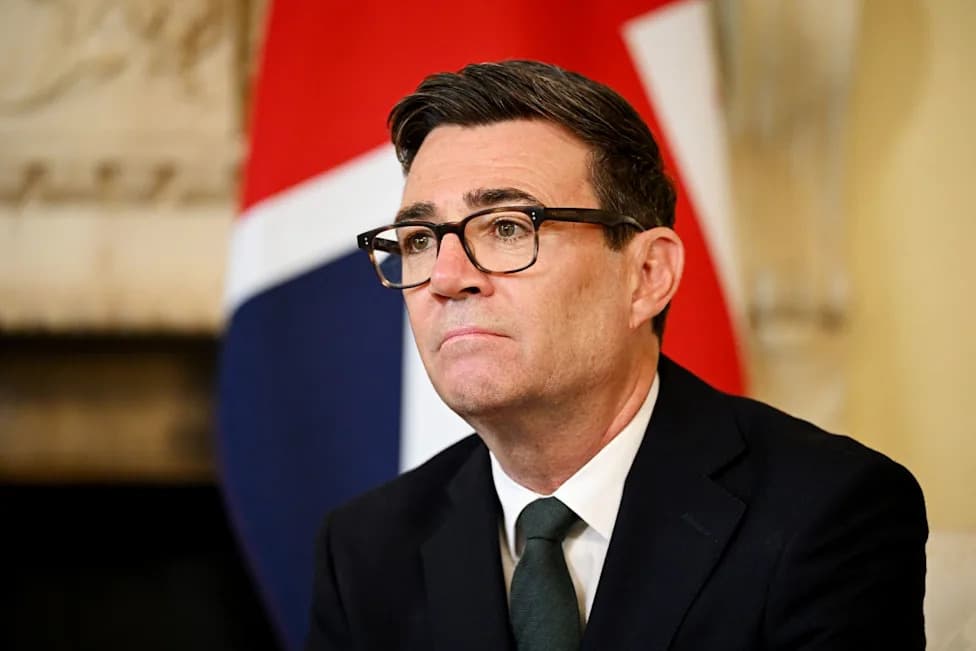
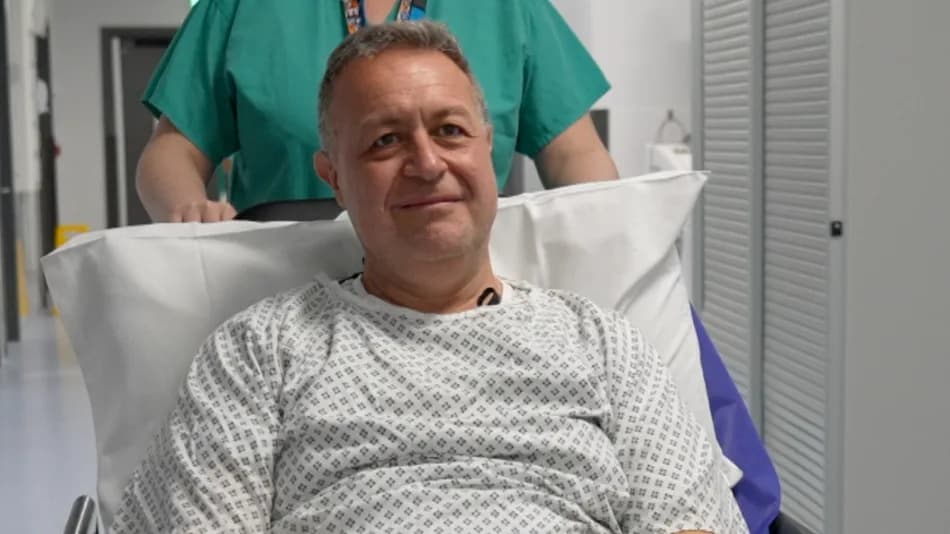
Archie Goodburn, a 25-year-old Commonwealth swimmer with inoperable brain tumours, used a BBC Breakfast interview to urge Prime Minister Andy Burnham to create a national brain cancer lead and increase funding. He warned that UK patients are missing out on clinical trials available in countries such as the US, Australia and China. Goodburn criticized the Rare Cancers Bill for providing only two part-time roles totalling about 36 days a year across 14 cancers, calling that insufficient. His plea followed a seventh-place finish in the men's 50m breaststroke and has drawn widespread public and athlete support.
Archie Goodburn’s Live Plea to PM Andy Burnham: Boost Funding and Appoint a National Brain Cancer Lead
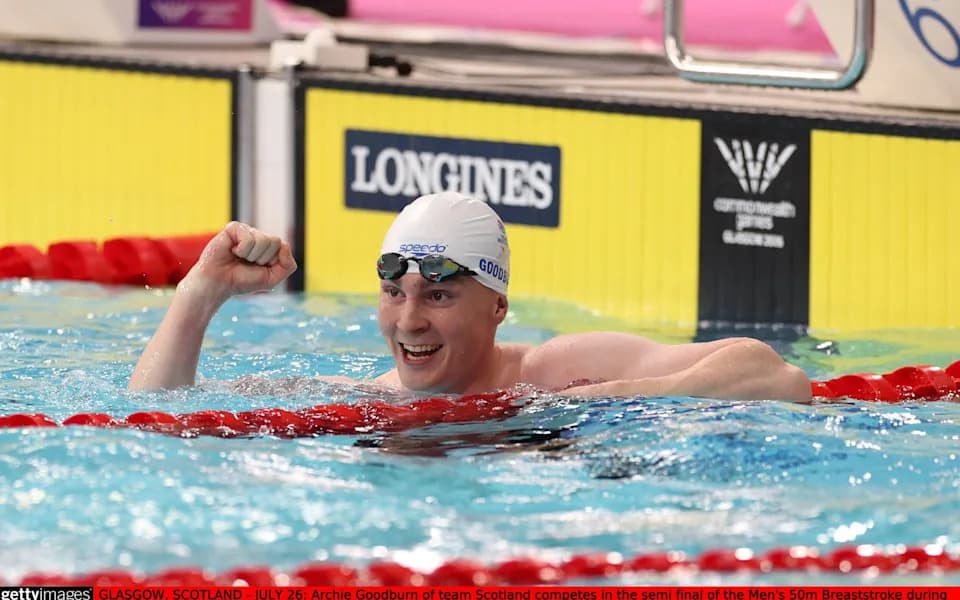
Goodburn finished seventh in the men's 50m breaststroke at the Commonwealth Games in Glasgow last week - Ian MacNicol/Getty Images
Archie Goodburn, a 25-year-old Commonwealth swimmer diagnosed with inoperable brain tumours, made an emotional appeal to Prime Minister Andy Burnham during a live interview on BBC Breakfast. He urged the government to increase funding and to appoint a dedicated national lead for brain cancer to improve access to treatments and clinical trials.
Goodburn described the burden faced by patients and families as "unbearable," warning that brain cancer is the leading cancer killer among people under 40 and that the UK's response lags behind other developed countries.
"Andy Burnham, if you believe and want to make a change and a difference to the future of our country and our young population, please listen to us. Please establish a national brain cancer lead and give us a chance to fight for our lives. There are clinical trials around the world, in the US, in Australia, in China, that could change lives. We are not seeing them in the UK. Please invest and make the difference. I'm on my knees begging for – not just my own life – but for those of my best friends and those that are affected and the families around the country. This has to change. It's been going for too long and the suffering is unbearable."
Goodburn acknowledged recent legislative steps but said they fall short. The Rare Cancers Bill, which became law earlier this year, establishes two part-time national roles: a clinical lead and a research lead. Goodburn noted those roles cover 14 different rare cancer types and amount to roughly 36 days of combined work per year, which he said is insufficient to drive meaningful change—especially for a cancer that, while relatively rare by incidence, causes a disproportionate number of deaths.
On the sporting stage, Goodburn reached the final of the men's 50m breaststroke at the Commonwealth Games in Glasgow last week and finished seventh. His determination and public advocacy have resonated widely.
Fellow swimmer and Olympic champion Adam Peaty praised Goodburn's courage and perspective, calling him 'an incredible inspiration' and highlighting how Goodburn's advocacy extends beyond sport.
Diagnosed two years ago, Goodburn says his relatively longer prognosis has given him the opportunity to speak out and campaign for change. He framed his appeal as urgent: better funding, a dedicated national lead, and improved access to life-changing clinical trials for UK patients.
Why It Matters: Goodburn's plea highlights gaps in policy and access to experimental treatments for brain cancer patients in the UK, and renews calls for focused leadership, sustained investment, and clearer pathways to international clinical trials.
Help us improve.