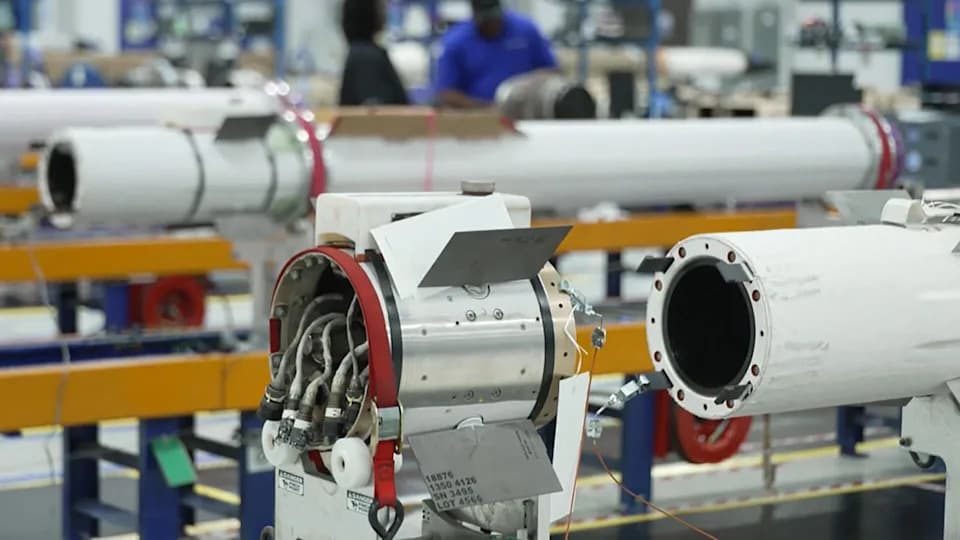
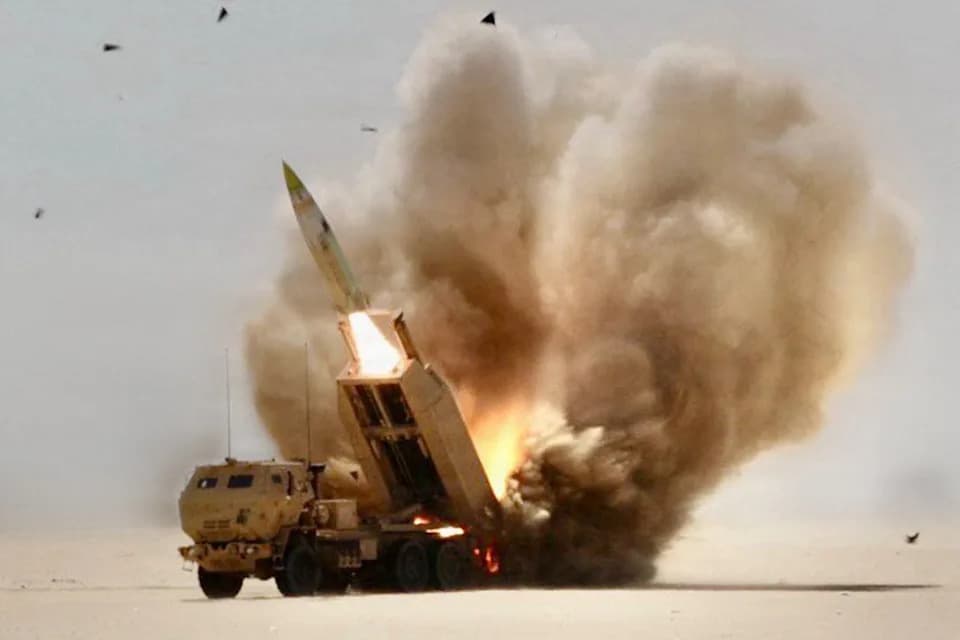
Reuters reports that U.S. stocks of Precision Strike Missiles and ATACMS are "virtually all" spent and about half of Tomahawk missiles have been used, raising concerns about the Pentagon's ability to carry out long‑range precision strikes. The shortfall could force riskier piloted bombing missions and weaken deterrence toward rivals such as Russia and China. The White House disputes the characterization, citing record munitions production, but analysts warn production may not quickly fill gaps in a protracted conflict.
Pentagon Nears Depletion Of Key Long‑Range Precision Missiles amid Tensions With Iran
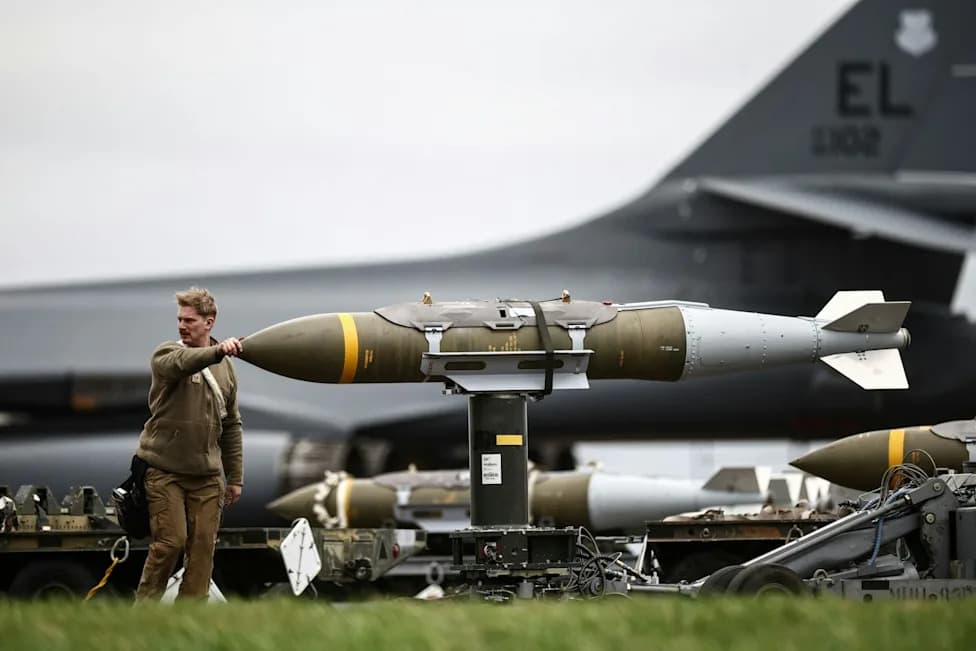
Fresh Panic as Pentagon Depletes Missile Stockpile in Iran War
Reporting from Reuters has raised alarm among defence analysts after suggesting the U.S. has nearly exhausted key long‑range precision missile inventories used in operations tied to the Iran conflict.
What Reuters Reported
According to administration officials cited by Reuters, stockpiles of Precision Strike Missiles (PrSM) and Army Tactical Missile Systems (ATACMS) have been "virtually all" expended. The report also says roughly half of the U.S. inventory of Tomahawk cruise missiles has been consumed. These precision weapons are high‑cost, long‑range systems—each PrSM or ATACMS round can cost more than $1 million—and, the reporting notes, some have been used on targets inside Russia during the war in Ukraine.
Operational And Strategic Implications
Officials and analysts say the depletion of these stocks would constrain the Pentagon's ability to conduct long‑range, precision strikes without relying on piloted bombing missions, which expose aircrews to greater risk. The shortfall could also complicate U.S. deterrence posture toward other major powers, including Russia and China.
Defense leaders reportedly weighed these inventory limits when advising the president. Sources told Reuters that President Trump’s recent decision not to authorize new strikes on Iran was influenced in part by warnings from military advisers about missile shortages, along with pressure from U.S. partners in the Persian Gulf. The Department of Defense has circulated a memo requesting "creative" options for pressuring Tehran, a sign some officials interpret as a need to diversify tools beyond conventional long‑range missile strikes.
"Our defense companies are, at this moment, making more munitions than they have ever made before, in addition to expanding their plants and equipment at record levels," President Trump said in response to the reporting.
Production, Denials And Uncertainties
The White House pushed back on the Reuters reporting, asserting that the United States has "far more munitions than anyone in the world" and "far more than we need." The administration’s statement highlighted record production rates for certain types of ammunition—such as artillery shells and other missiles—but did not directly address the exact status of precision long‑range missile inventories.
Analysts caution that while production is ramping up, scaling manufacturing of advanced precision missiles takes time and may not immediately close the gap if a prolonged, high‑intensity conflict were to materialize. The situation remains fluid, with competing public statements and officials continuing to assess inventories and operational options.
Bottom line: Reuters’ reporting — if confirmed in full by the Pentagon — suggests meaningful constraints on some of the U.S. military’s most capable long‑range precision strike munitions, with potential consequences for risk to aircrews, regional deterrence and the conduct of future operations.
Help us improve.