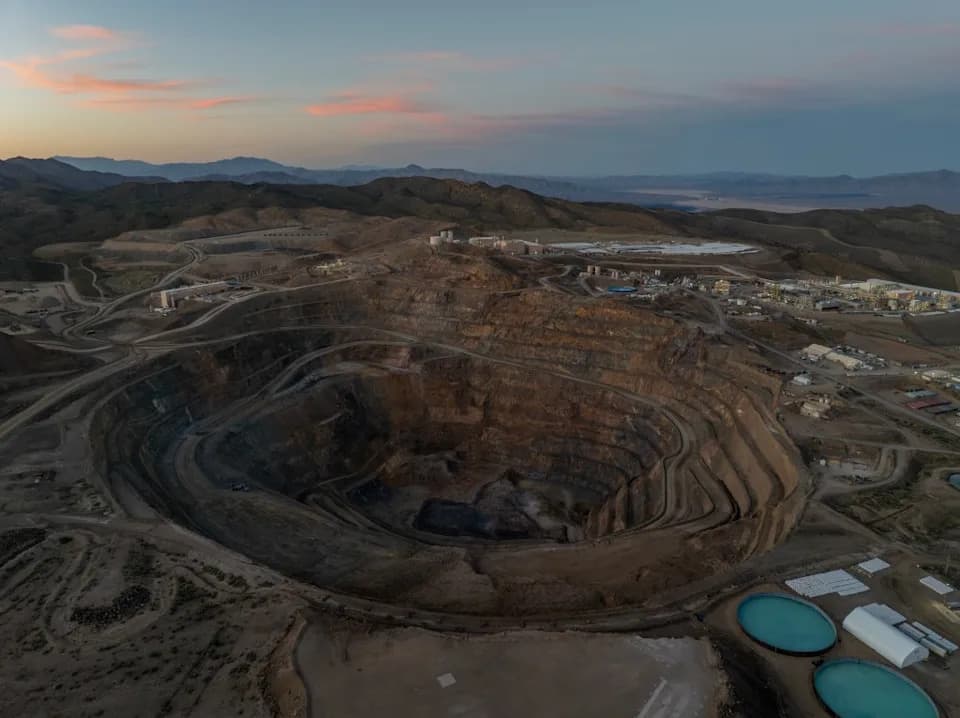
Overview: The U.S. mining boom—anchored by projects such as Nevada's Thacker Pass—is accelerating to secure lithium, uranium, gold and other critical minerals for clean energy and AI infrastructure. Indigenous nations, local residents and environmental groups are contesting dozens of fast-tracked mines over threats to sacred sites, water, air quality and long-term contamination. Federal permitting changes and direct financing have sped development, but social license, remediation and equitable benefits remain unresolved.
Mining Boom vs. Communities: Thacker Pass and America's Rush for Critical Minerals
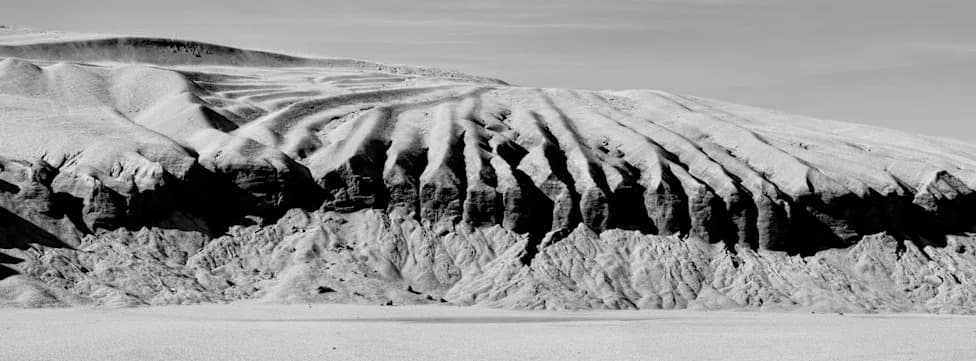
The U.S. is experiencing a renewed mining surge as developers race to secure critical minerals for clean energy, electric vehicles and growing demand from AI data centers. Projects from Nevada to California, Arizona, South Dakota and Idaho are advancing quickly—often under expedited federal permitting—while Indigenous nations, ranchers, rural residents and environmental groups raise urgent concerns about water, air quality, cultural sites and long-term contamination.
Why It Matters
Much of the global supply chain for key minerals runs through China, leaving the U.S. exposed to geopolitical risk. Expanding domestic mining and processing capacity could strengthen energy and technology supply chains, but the methods, locations and speed of development will determine whether benefits are shared or harms are concentrated in frontline communities.
Major Hotspots
Thacker Pass, Nevada
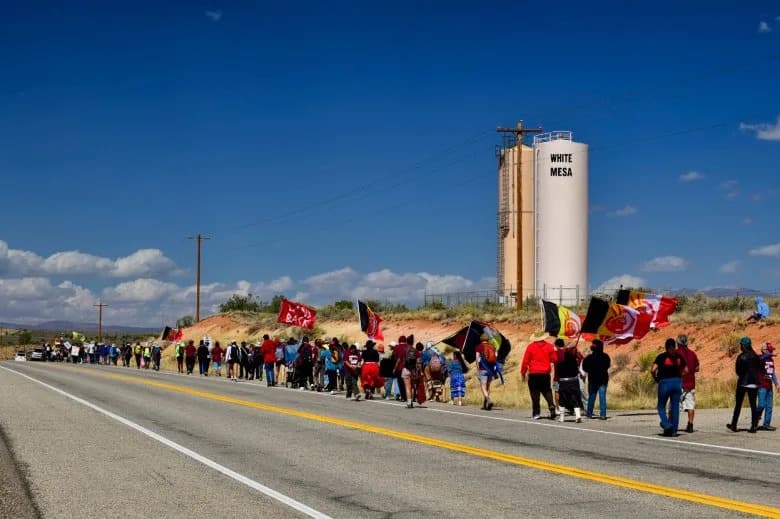
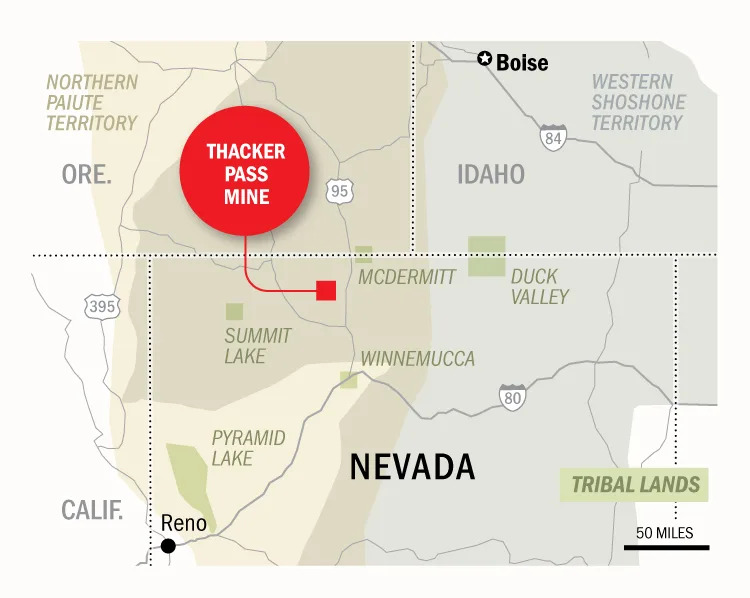
Thacker Pass, an 18,000-acre site in the McDermitt Caldera, is the largest U.S. lithium project developed in decades and a flagship example of the tensions at play. The project broke ground in 2023 with bipartisan support and drew federal investment when the Department of Energy acquired a 5% equity stake in the project and developer. Proponents cite jobs and domestic lithium supply; opponents— including the Fort McDermitt Paiute and Shoshone Tribe and other Indigenous groups—say construction threatens sacred sites, ancestral lands and water resources.
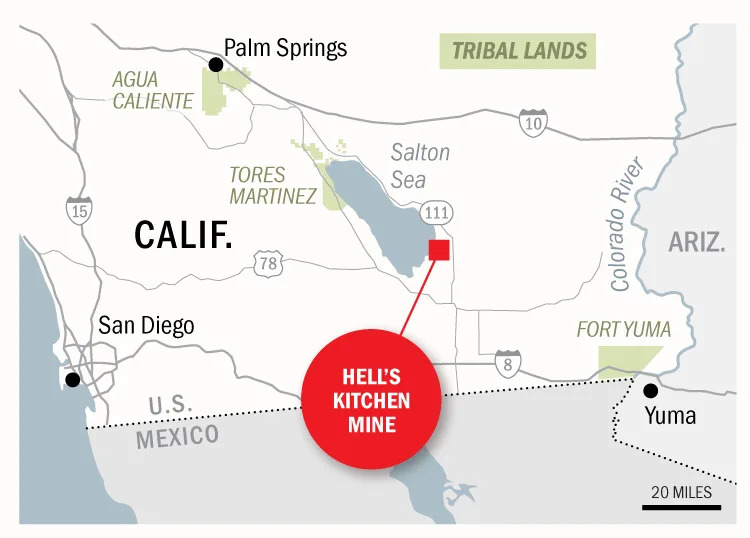
Salton Sea / Hell's Kitchen, California
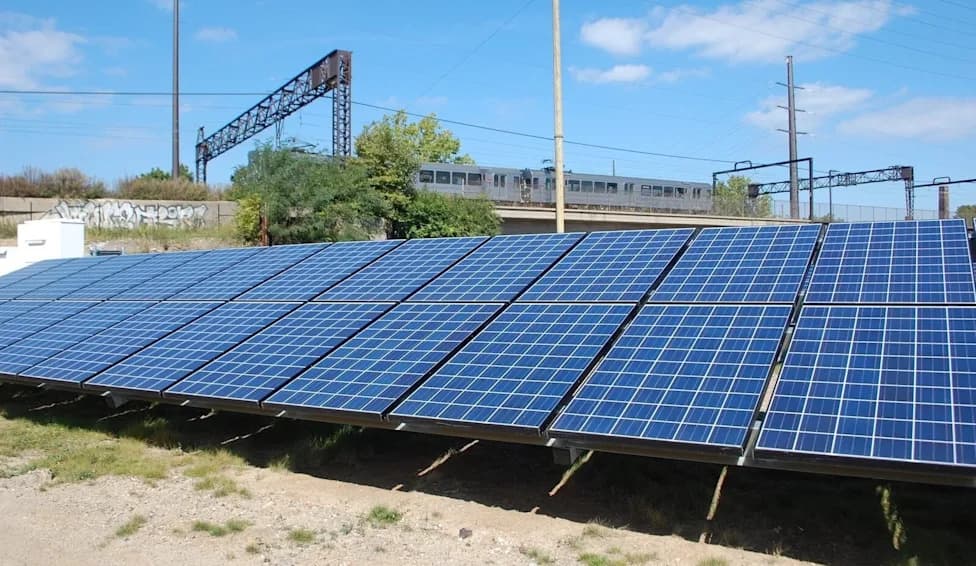
The Hell's Kitchen project pairs geothermal power with lithium extraction from deep brines in the Salton Sea basin. Developers argue it can produce renewable energy and lithium for EVs and data centers; local residents and tribal elders contest water use, air quality impacts, and whether community benefits and safeguards are adequate in an already overburdened region.
Hermosa, Arizona
South32's $2 billion Hermosa zinc-and-manganese project was the first to receive expedited federal permitting under a streamlined process. Planners emphasize underground mining to limit surface disturbance, but neighbors worry about groundwater contamination and biodiversity impacts in a region that supports sensitive species.
Black Hills and Uranium
Gold and uranium projects in the Black Hills region, including the Dewey-Burdock uranium proposal, are drawing renewed interest as prices and demand shift. Tribal nations and local residents point to historic contamination and sacred landscapes when opposing new development.
Stibnite, Idaho
The Stibnite Gold Project revives a WWII-era mining district for gold and antimony—an important defense mineral. The Nez Perce Tribe and conservation groups have filed lawsuits, arguing the permitting process violated treaty rights and that mining threatens salmon restoration and other environmental values.
Legacy Pollution and Community Impacts
Historic sites, such as Tar Creek and Picher, Oklahoma, illustrate how contamination can persist for decades: windblown dust and runoff from old chat piles continue to mobilize lead and other heavy metals, with the EPA estimating multi-decade cleanups in some areas. Residents report long-term health effects, economic disruption and community displacement that often outlast mining booms.
"Indigenous peoples, generational ranchers, rural communities—we shouldn't be sacrificed in the name of the greater good."
—Chanda Callao, Fort McDermitt Paiute Shoshone Tribal member
Permits, Policy and Social License
Federal policy changes—federal fast-track lists, FAST-41 designations and direct government financing—have accelerated some projects. Still, many experts emphasize that legal permits alone are not enough: companies must secure a credible social license to operate by meaningfully engaging tribes and communities, addressing environmental risks and delivering transparent mitigation and remediation commitments.
Tradeoffs and Next Steps
The coming years will test whether the U.S. can expand domestic critical-mineral supply chains while protecting water, cultural heritage and community health. Decisions about consultation, compensation, environmental safeguards and long-term remediation will set precedents that matter far beyond any single mine.
Reporting Note: This article synthesizes reporting from multiple sites and communities to highlight the broad tensions and trade-offs shaping America's mining revival.
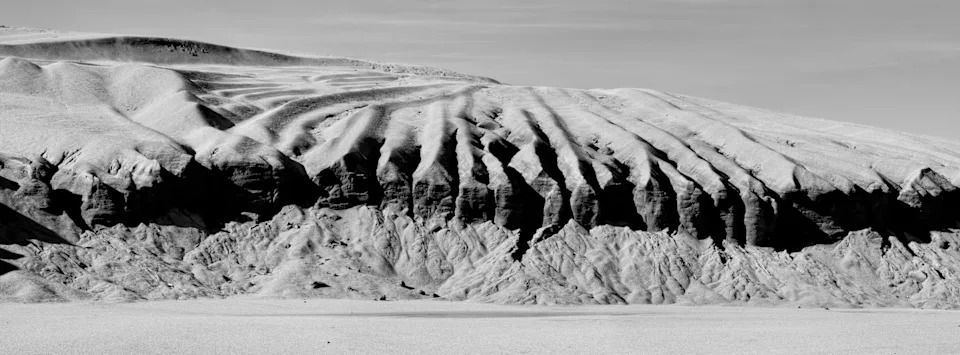
Chat piles from historic lead and zinc mines in Picher, Okla., on Nov. 11, 2024. Windblown dust and rain carry lead and other heavy metals from the piles into the surrounding environment. The EPA estimates cleanup of the remaining chat at the Tar Creek Superfund site will take another 50 years.

Rebecca Jim, executive director of the Local Environmental Action Demanded (LEAD) Agency, on Nov. 14, 2024. LEAD is a community organization advocating for residents affected by legacy mining pollution around the Tar Creek Superfund site.
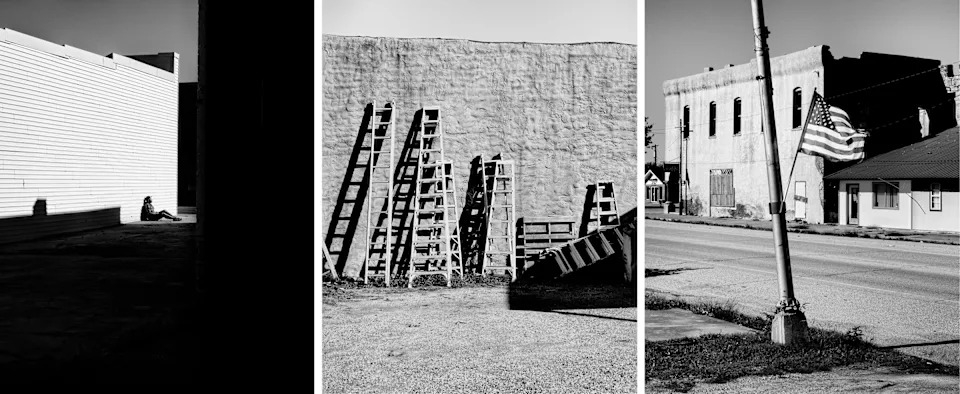
Downtown Miami (left, middle) and Afton (right), Okla., communities within the Tar Creek Superfund site, where residents continue to live with the legacy of historic lead and zinc mining.
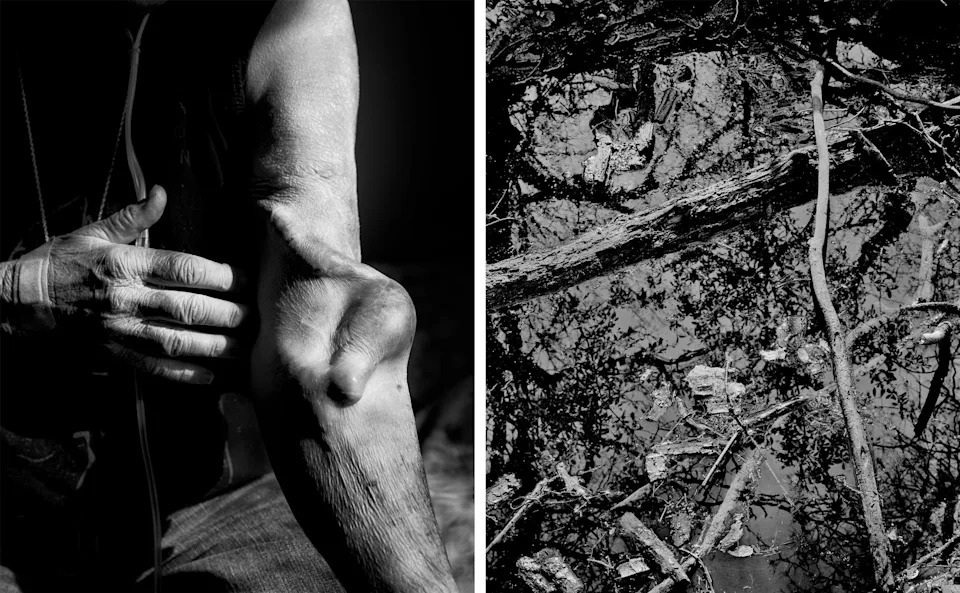
Left: Jill Micka displays the fistula used for dialysis, Nov. 12, 2024. She often swam in Tar Creek while growing up in Miami, Okla., and believed childhood exposure to lead contributed to her kidney disease. Micka died in Dec. 2024. Right: A flooded mine shaft in Picher, Okla., Nov. 11, 2024. After mining ended in the 1970s, abandoned tunnels and shafts gradually filled with groundwater, eventually carrying dissolved metals into Tar Creek.
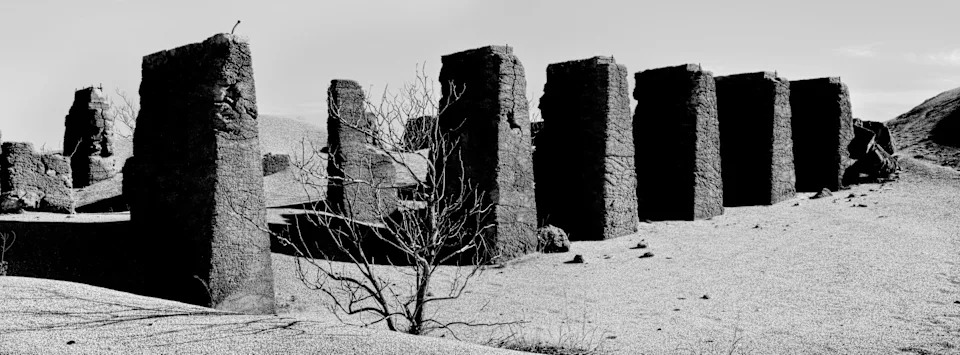
Abandoned mine works in Picher, Okla., Nov. 11, 2024.

Billy Forbis in Dotyville, Okla., on Nov. 17, 2024, revisits the home where he lived while recovering from methamphetamine addiction. Now in recovery, he helps other community members with addiction issues. Forbis grew up in nearby Picher, a former lead- and zinc-mining center evacuated in 2009 because of contamination and unsafe conditions.
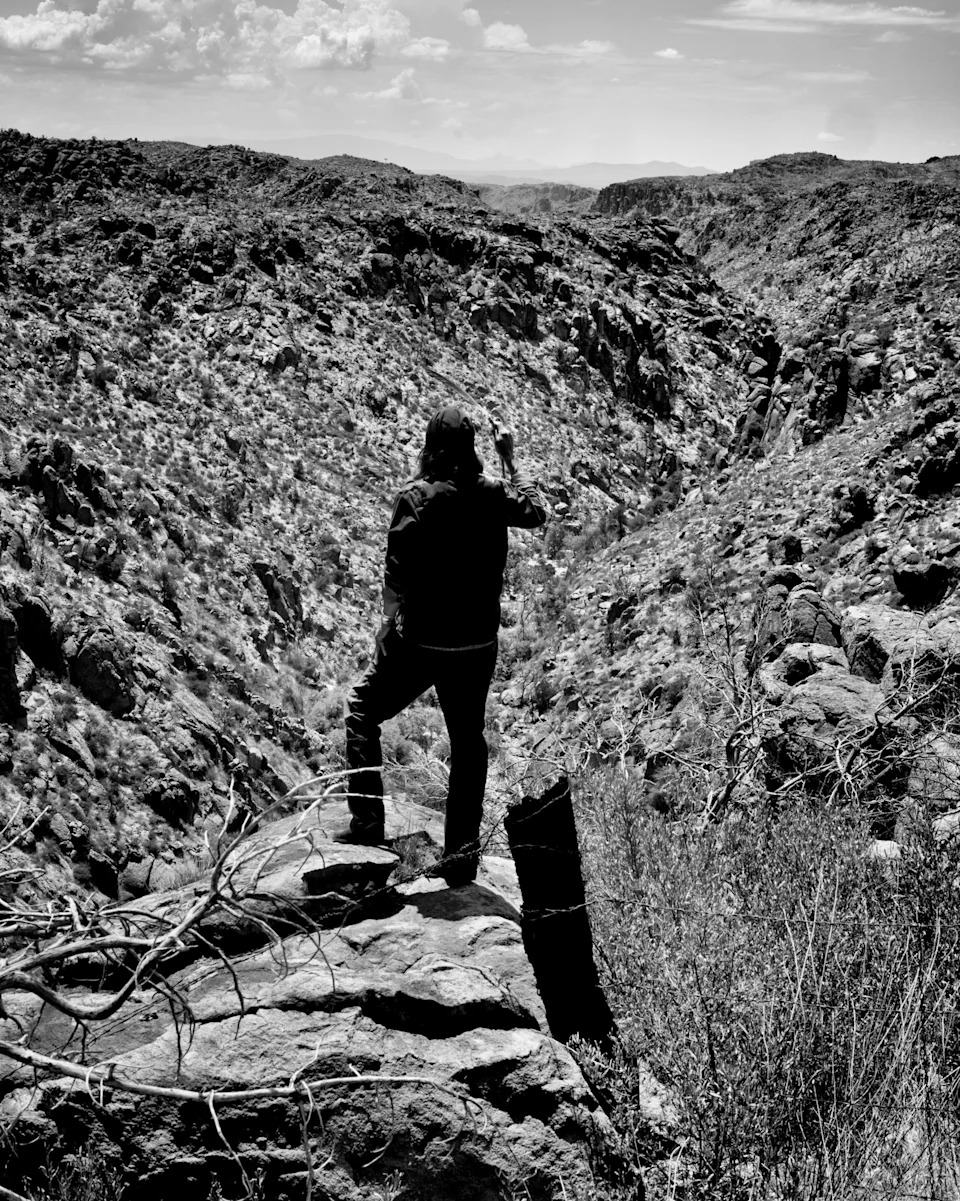
Dr. Wendsler Nosie, founder of Apache Stronghold, an Apache-led nonprofit opposing the proposed Resolution Copper mine, at Oak Flat in Arizona's Tonto National Forest, July 14, 2026. Resolution Copper could become one of the largest copper mines in North America, supplying copper for electric vehicles, power grids, and other infrastructure while transforming Oak Flat, a landscape sacred to the San Carlos Apache and other Tribal Nations.
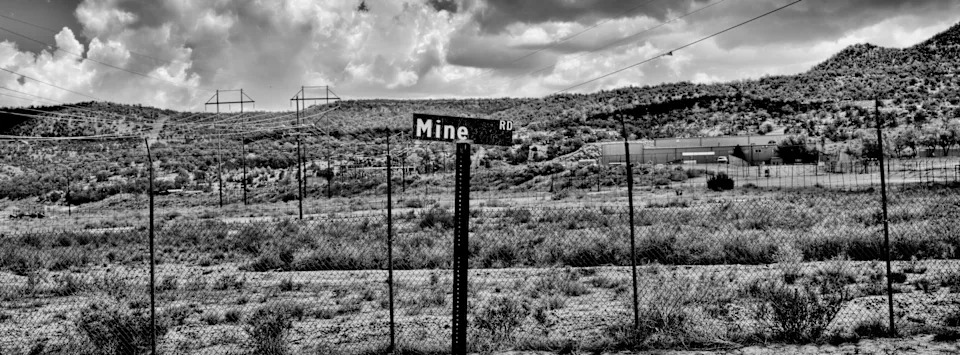
Near the historic Mount Taylor uranium mine outside Grants, N.M., July 19, 2026. The surrounding Mount Taylor region contains one of the country's largest known uranium reserves. Nearby, the proposed La Jara Mesa uranium mine is advancing through the federal permitting process as a FAST-41 project.
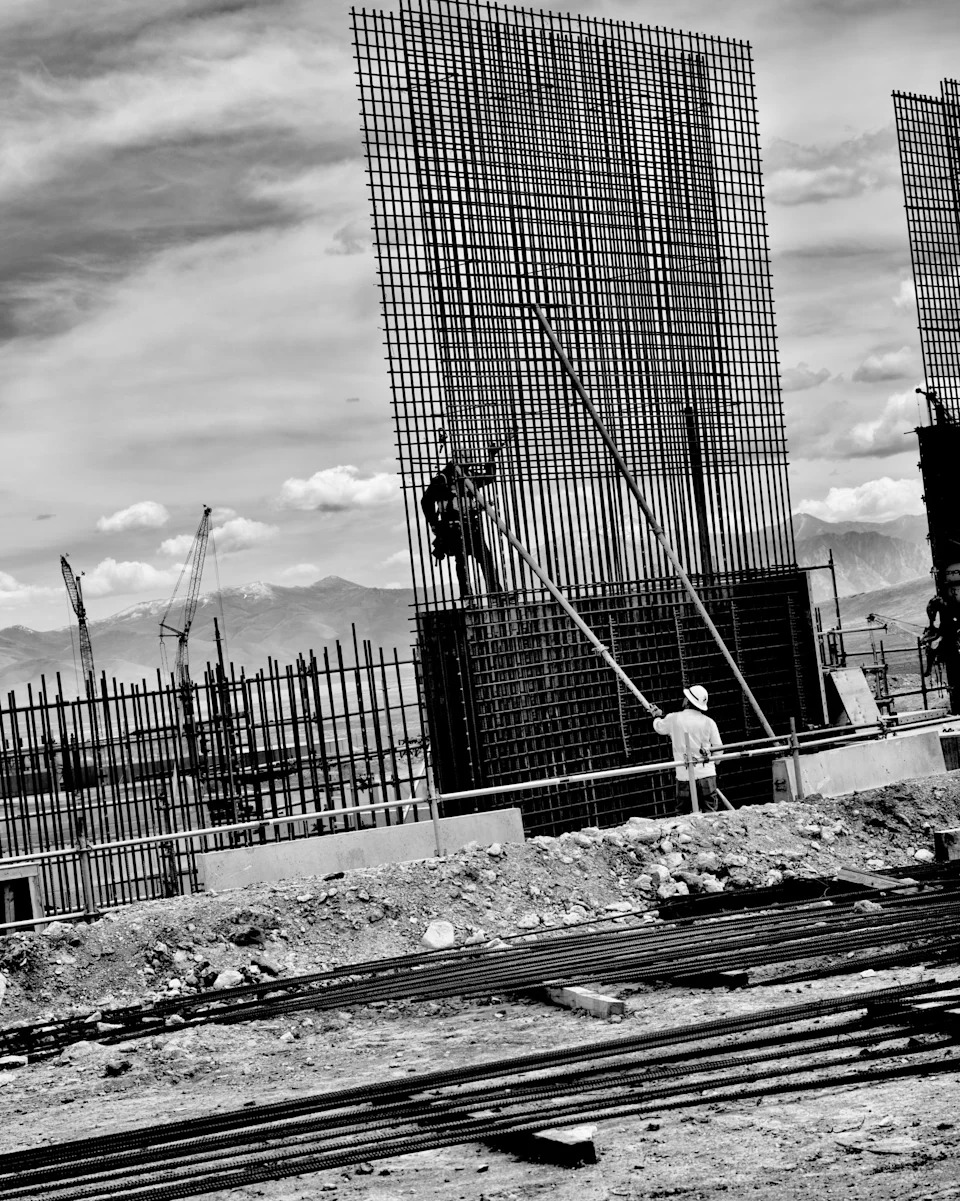
Construction workers install rebar for a wall that will contain ore for processing at the Thacker Pass lithium mine, Nevada, May 19, 2026.
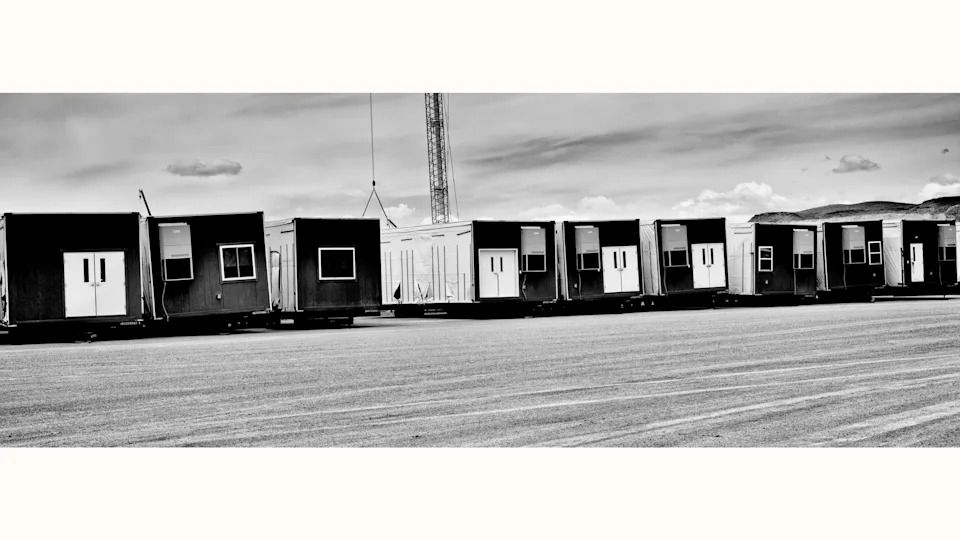
Administrative offices that will house operations staff, maintenance personnel, and plant operators, Orovada, Nev., May 19, 2026.
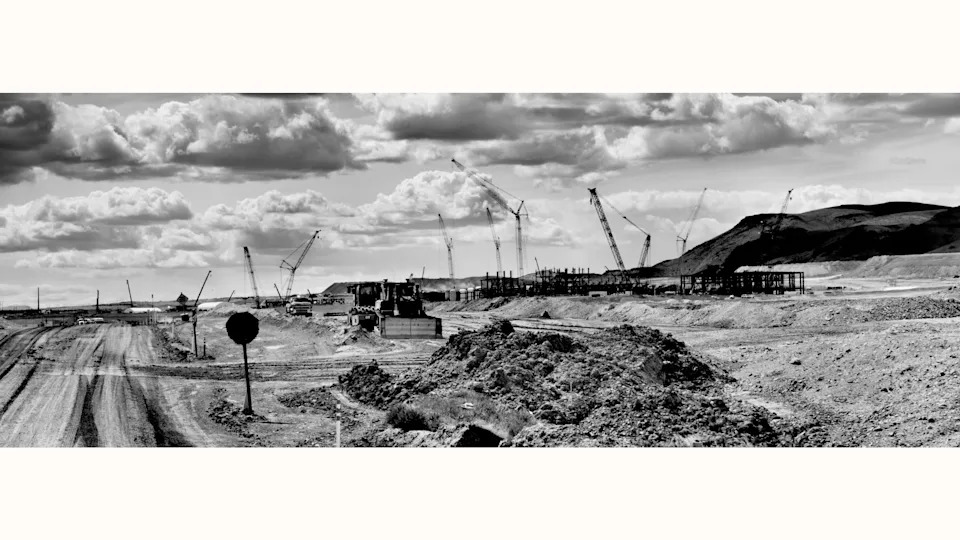
Lithium Americas, the company developing the Thacker Pass lithium mine, says it has spent more than a decade working with nearby communities and tribal governments. The company has funded a new K–8 school in Orovada and signed a Community Benefits Agreement with the Fort McDermitt Paiute and Shoshone Tribe, though the project continues to face opposition from other tribal nations and environmental organizations.
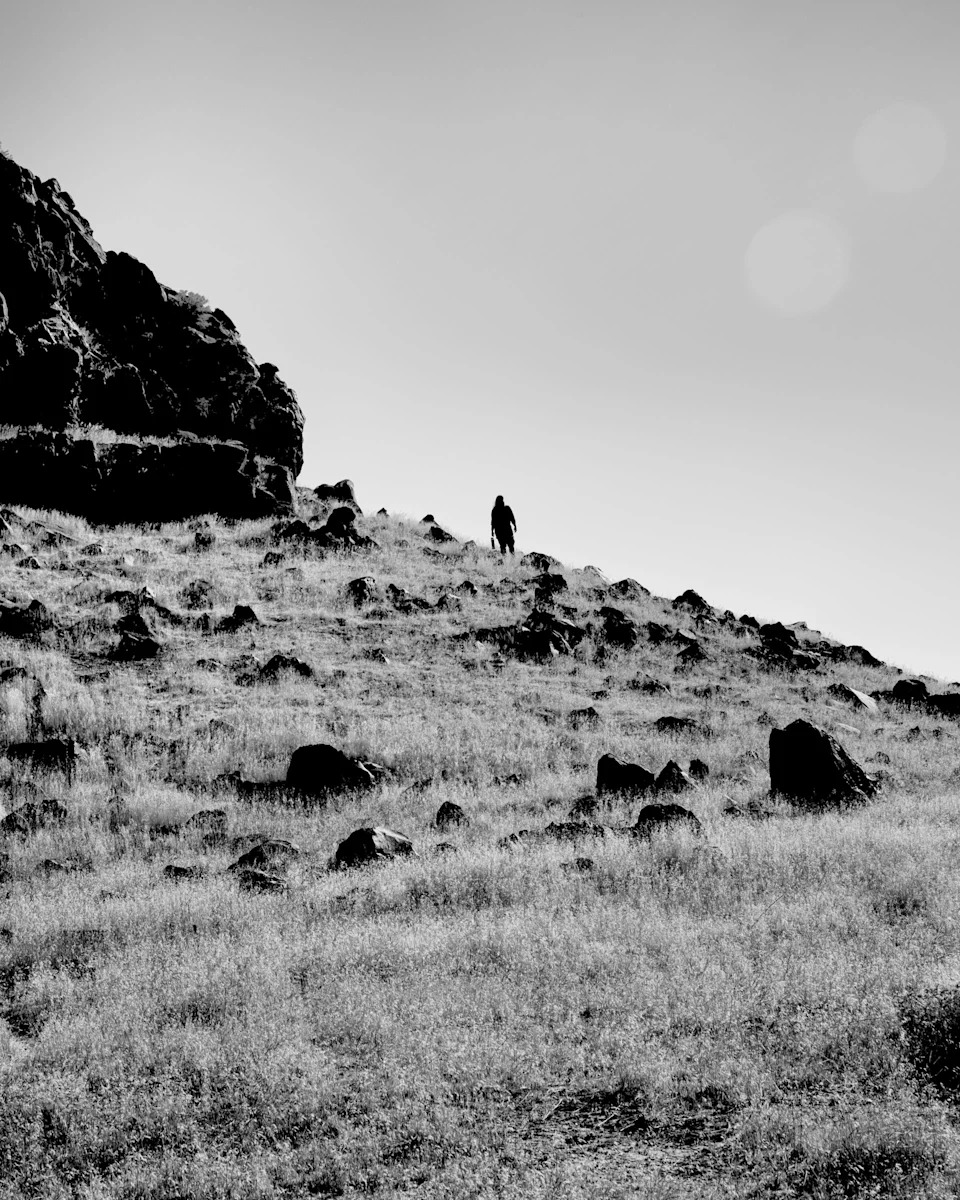
A member of People of Red Mountain, an Indigenous group working to protect ancestral lands from mining in the McDermitt Caldera, looks toward construction at the Thacker Pass lithium mine on Sept. 13, 2025. The group fears Thacker Pass and other proposed mining projects could turn the caldera into a mining district, further restricting access to ancestral lands and threatening water, wildlife and cultural traditions. Each September, members gather at Peehee Mu'huh (Thacker Pass), which Northern Paiute and Western Shoshone people identify as the site of an 1865 massacre of their ancestors by the First Nevada Cavalry.
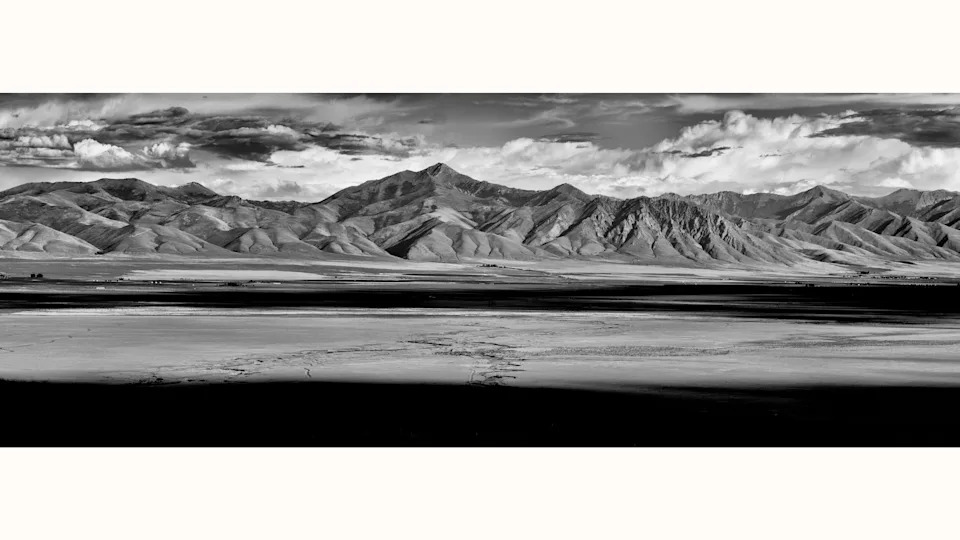
The McDermitt Caldera, an ancient volcanic basin surrounded by mountains and spanning northern Nevada and southern Oregon, contains one of the world's largest known lithium deposits. The Thacker Pass lithium mine is under construction at the caldera's southern end, on the Nevada side.
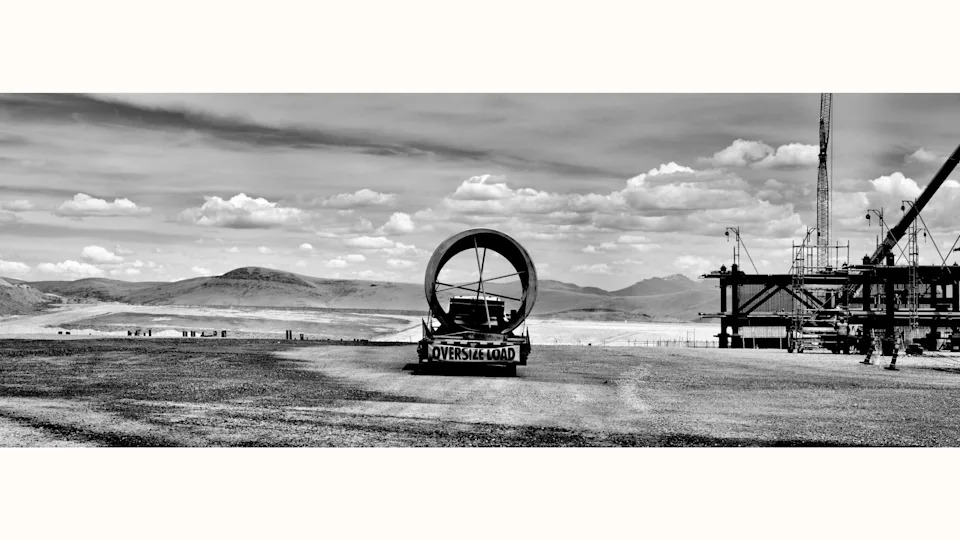
A large processing facility under construction at the Thacker Pass lithium project in northern Nevada on May 19, 2026.
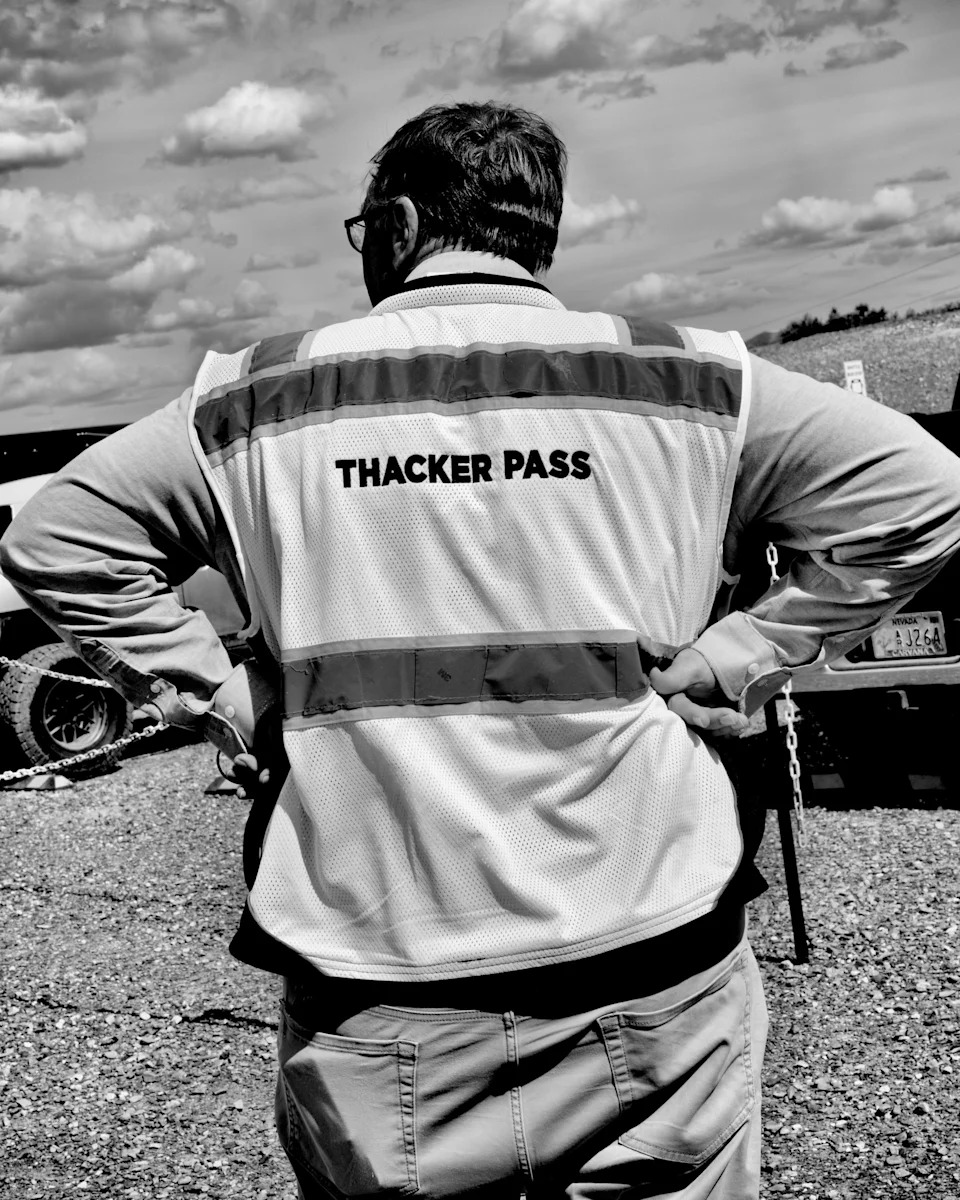
Tim Abel, Vice President of Project Construction for Lithium Americas, at Thacker Pass, Nevada, May 19, 2026. Abel joined Lithium Americas in 2022 after 17 years with engineering firm Fluor.
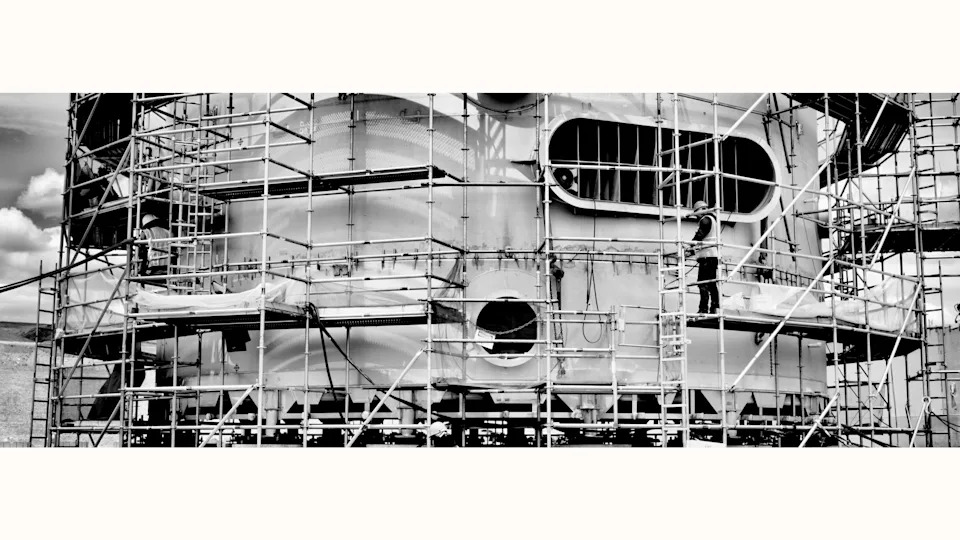
Construction at the stainless-steel converter for Thacker Pass's sulfuric acid plant, which will produce the acid needed to extract lithium from clay, May 19, 2026.
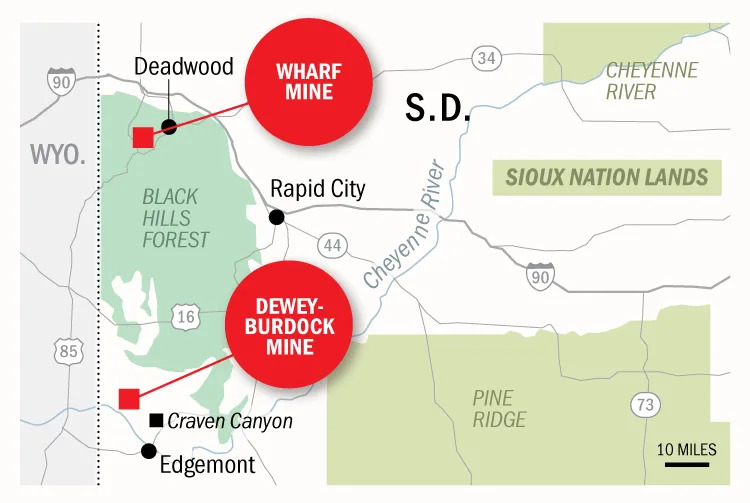
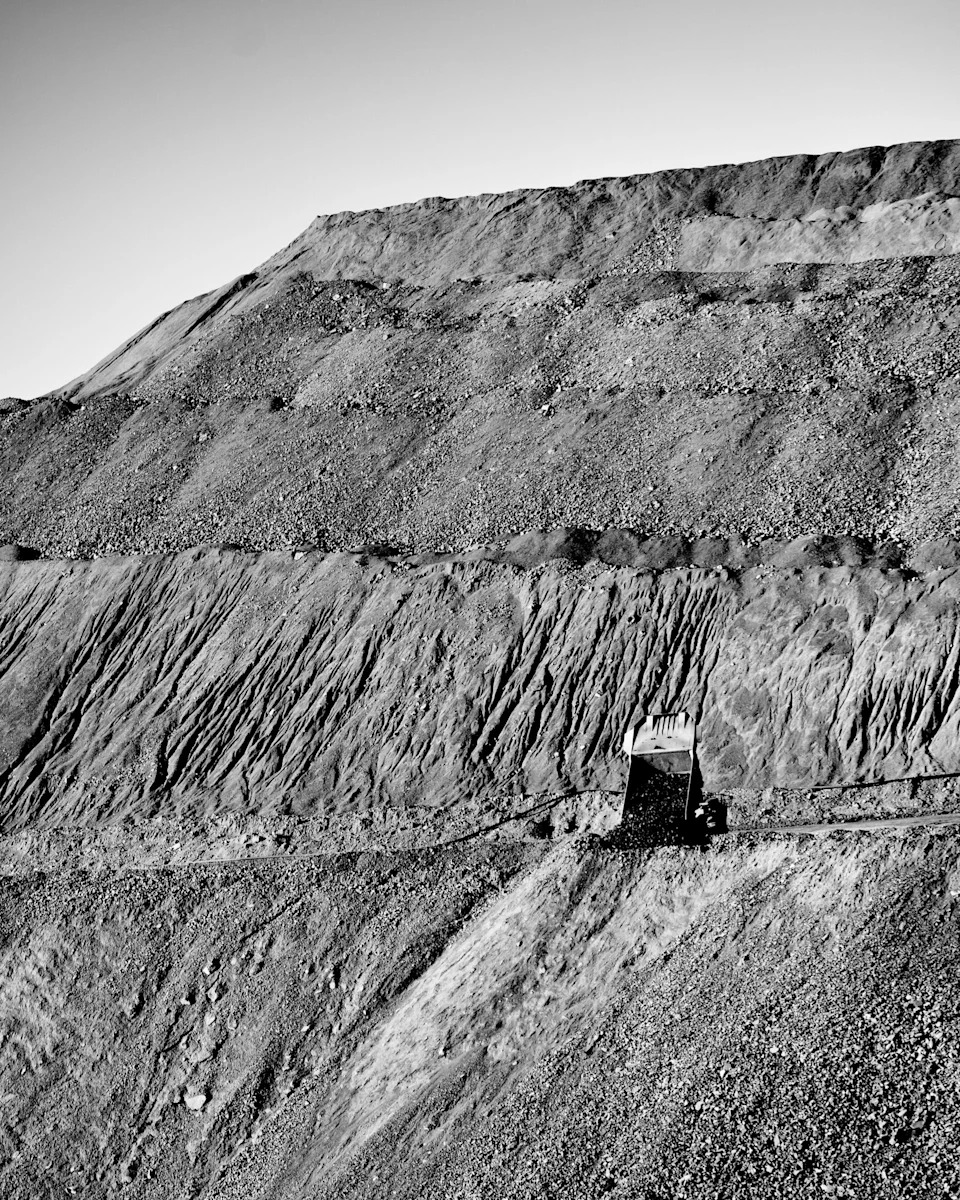
The Wharf Mine in Lead, S.D., photographed on Oct. 14, 2025, is the state's only active gold mine.
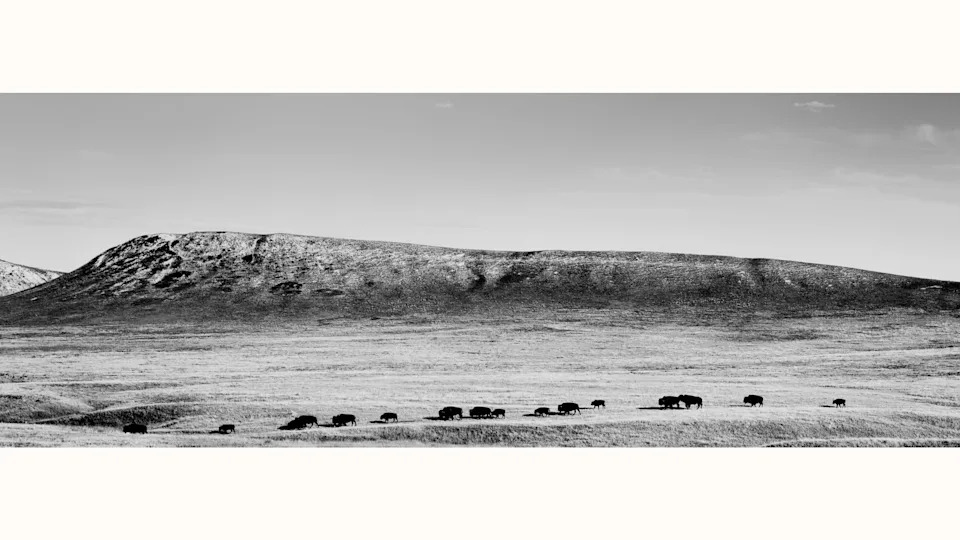
Buffalo Gap, historically known to the Lakota as the Buffalo Gate, is a natural passage from the Great Plains into the Black Hills. For centuries, it served as a migration route for bison and Indigenous peoples before the Black Hills gold rush transformed it into a boomtown in the 1880s.
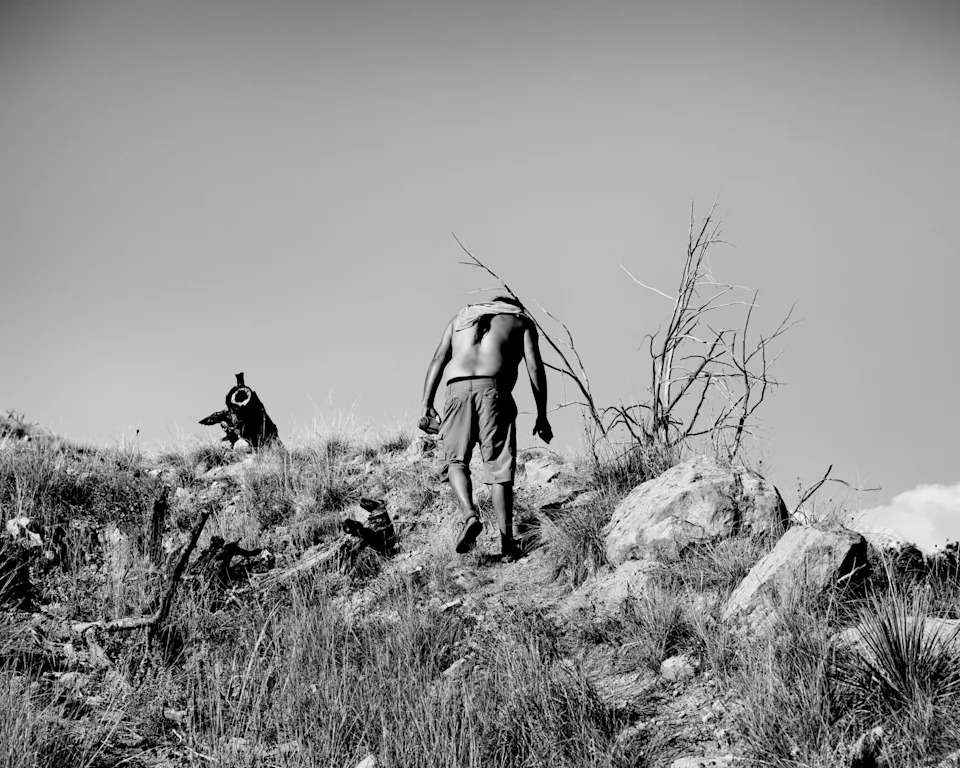
Ihúnkiya Opá (Craven Canyon), a sacred and culturally significant site near the Dewey-Burdock uranium project.
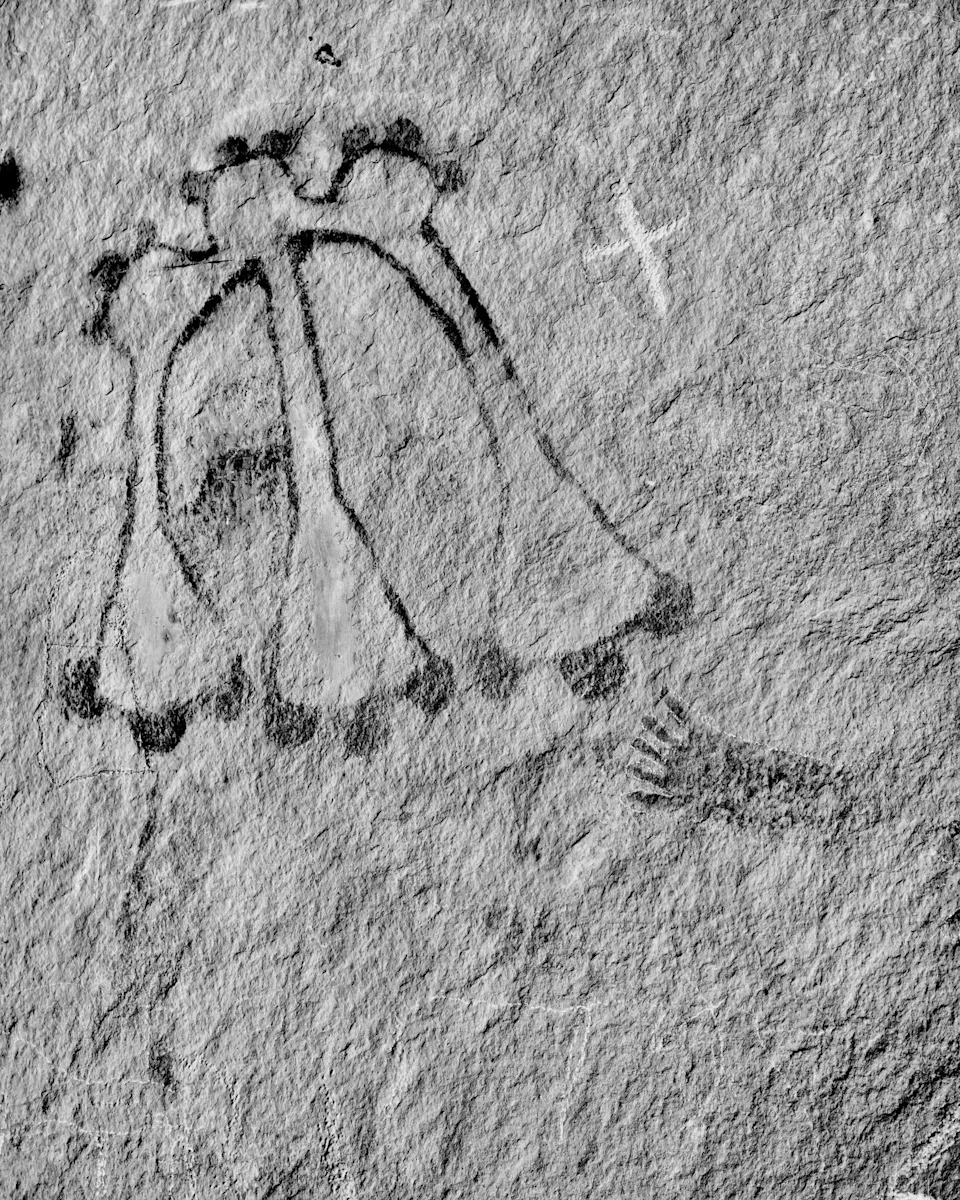
Pictographs in Ihúnkiya Opá, Fall River, South Dakota, Sept. 29, 2025.

Helen Red Feather at her home in Wounded Knee on the Pine Ridge Reservation, Oct. 10, 2025.
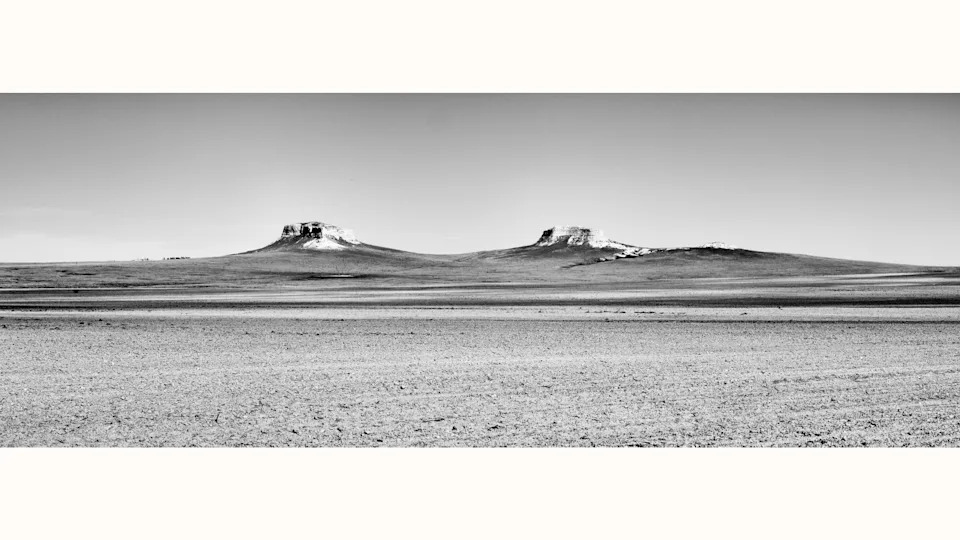
Sheridan Gates in Nebraska's northern Panhandle on Oct. 9, 2025. The rock formation lies near the Black Hills in a landscape considered vulnerable to mining impacts.
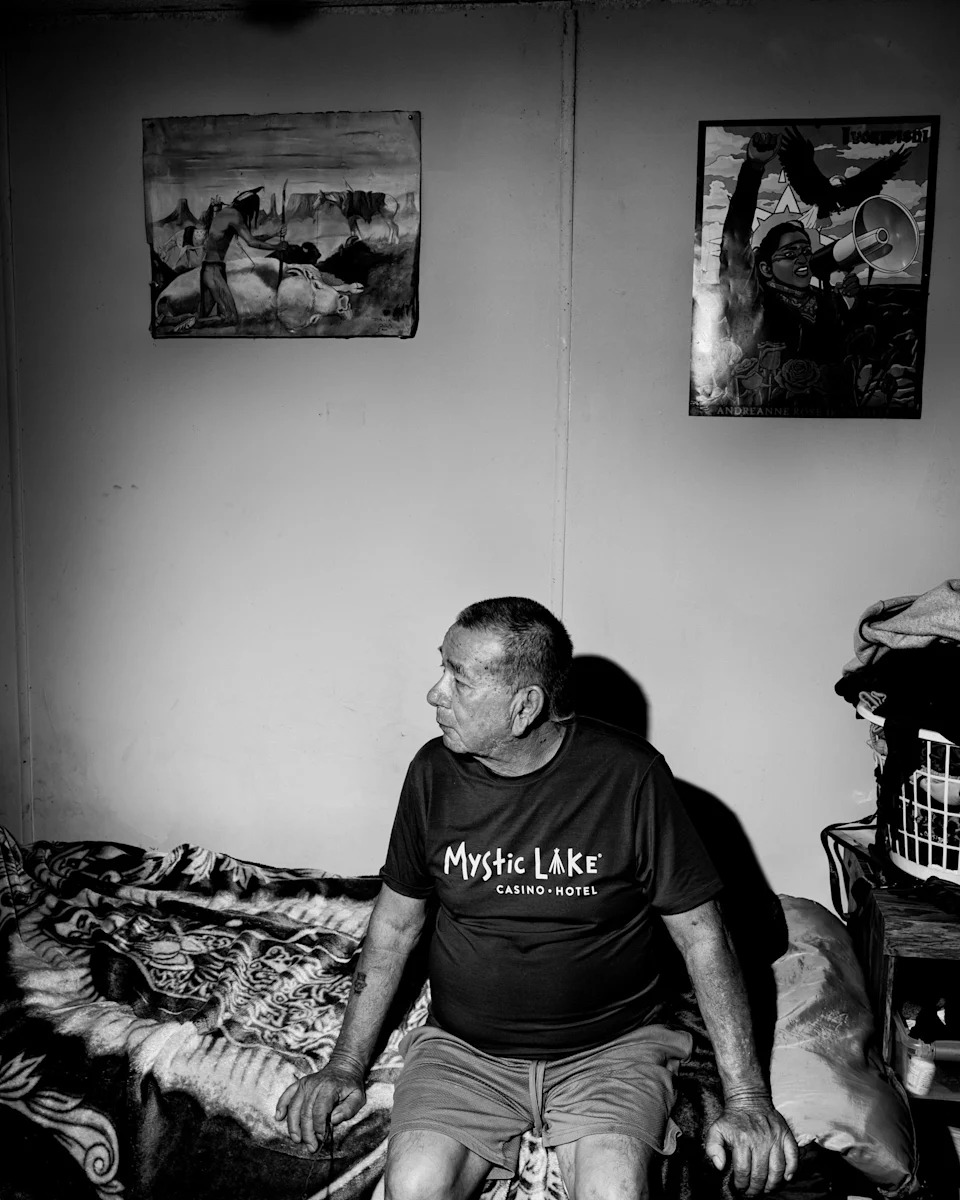
Marvin Goings at his home on the Pine Ridge Reservation on Oct. 9, 2025. He feared that elevated uranium levels associated with historic mining in the Black Hills had contributed to his brain cancer. After a long battle with the disease, he died on May 20, 2026.
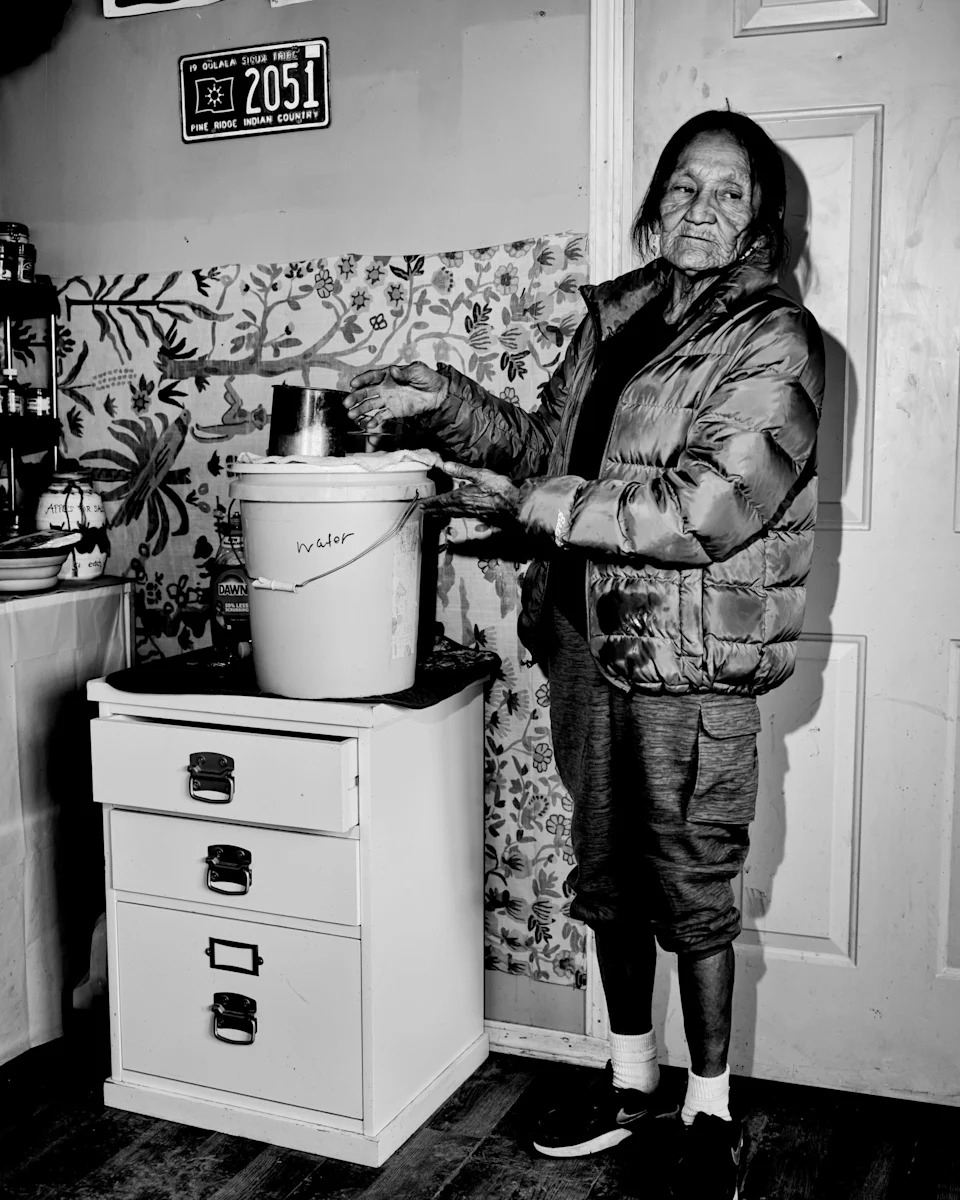
Helen Red Feather hauls water to her home on the Pine Ridge reservation from a nearby church on Oct. 10, 2025. Around 169 abandoned uranium mines and prospects lie upstream of the reservation, where radioactive contaminants have been detected in the drinking water.
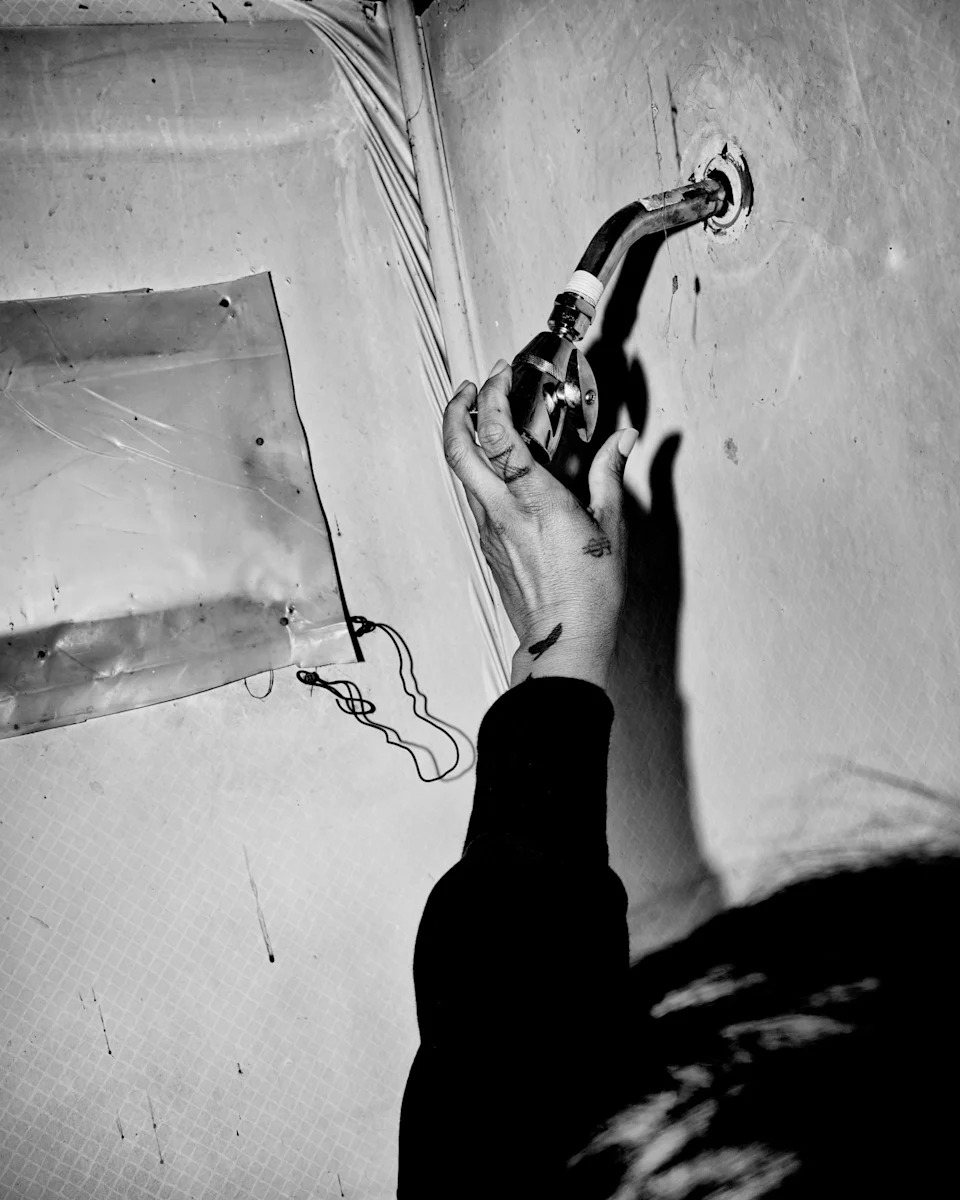
Francisca Tobacco examines a shower head at her home on the Pine Ridge Reservation; rocks and sand had collected in it after passing through aging water pipes.
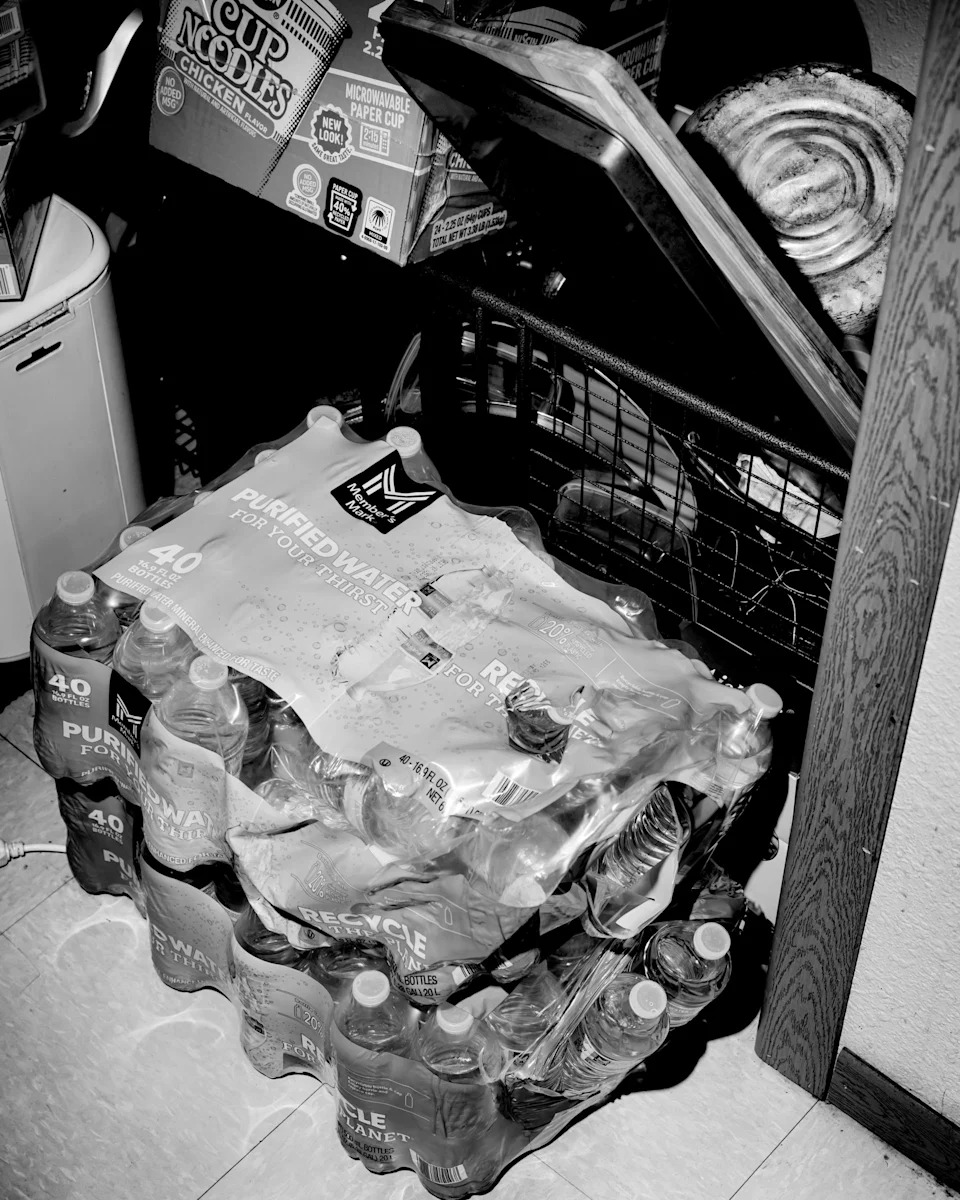
At the home of Francisca Tobacco, Red Shirt, South Dakota, Nov. 15, 2025. Red Shirt lies along the Cheyenne River on the northwestern edge of the Pine Ridge Reservation. The river has a history of mining-related pollution and continues to face other water-quality problems.
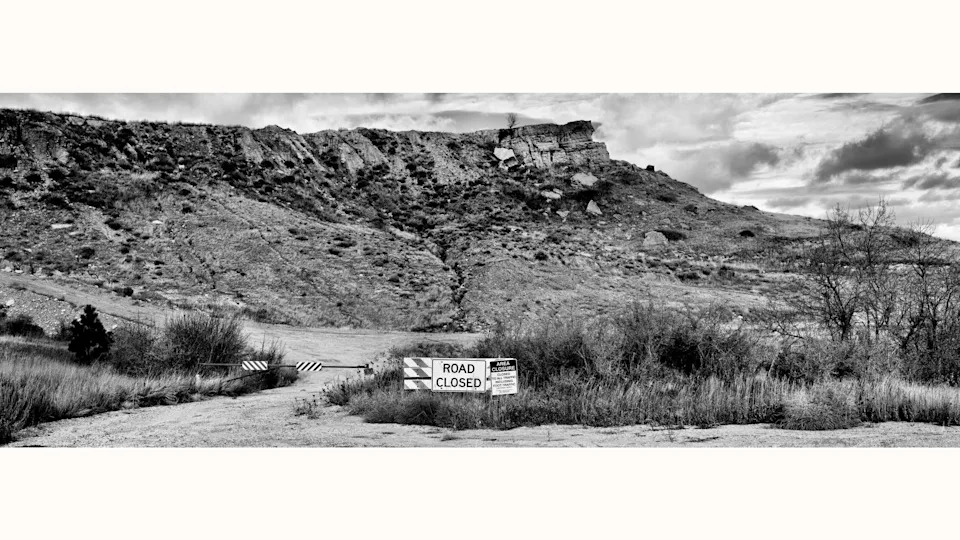
Riley Pass, an abandoned uranium mine in Harding County, South Dakota, Nov. 19, 2025.

Mud from the geothermal mud pots near the Salton Sea, Calipatria, Calif. The same geothermal system that feeds these bubbling pools contains lithium-rich brines.
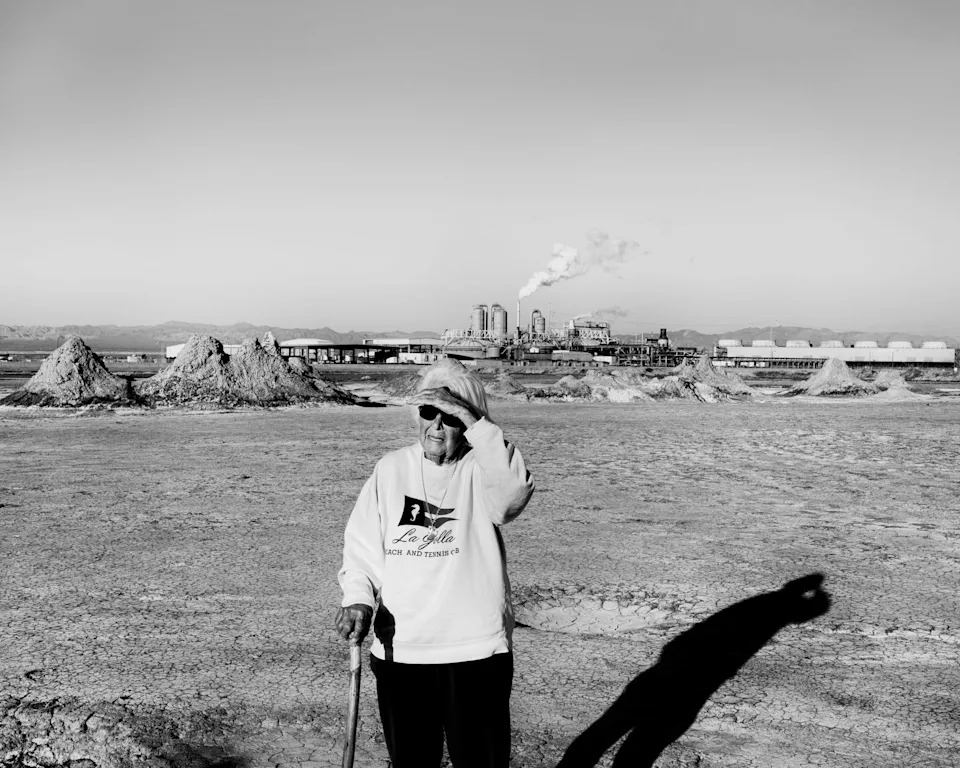
Kwayymii Laguna elder Carmen Lucas visits the mud pots on the edge of the Salton Sea, Calipatria, Calif., with with a geothermal plant visible in the background. A former U.S. Marine and longtime advocate for protecting tribal cultural landscapes, Lucas describes water as "one of the most, if not the most, sacred elements within this universe that we all share."
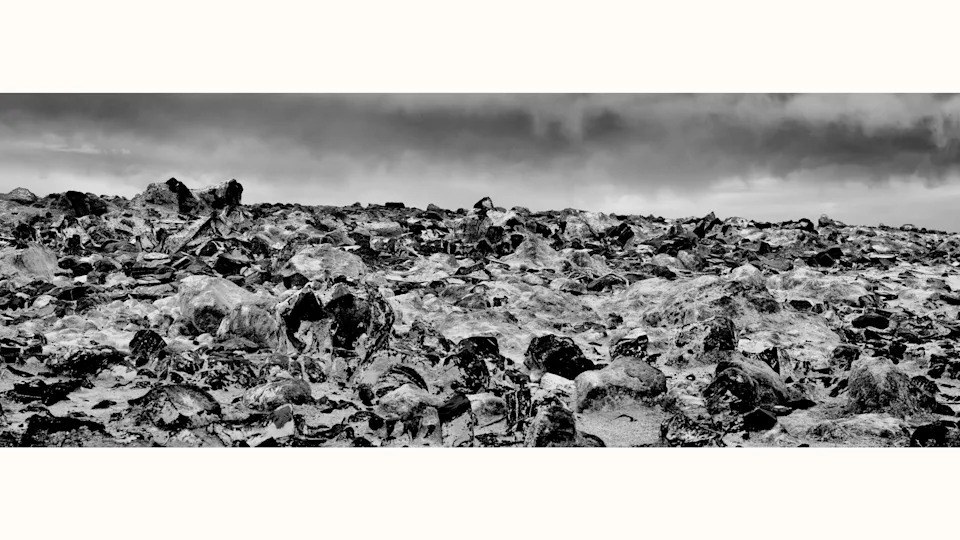
The drying Salton Sea, Calipatria, Calif., Feb 5, 2025.
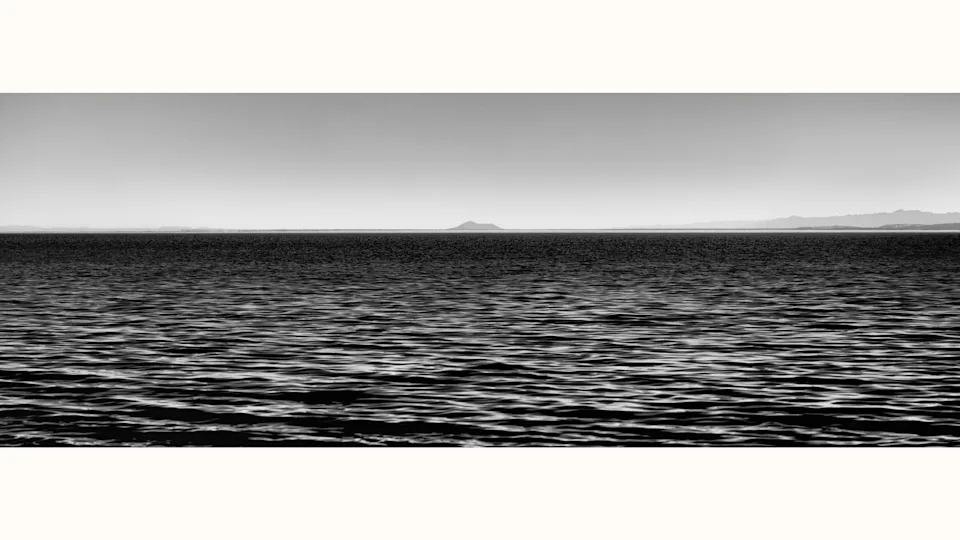
The Salton Sea, seen from Bombay Beach, Calif., March 3, 2026.

Esther Cañez at her daughter's home in Heber, Calif. She is being treated for severe persistent asthma, which she attributes to the region's poor air quality.
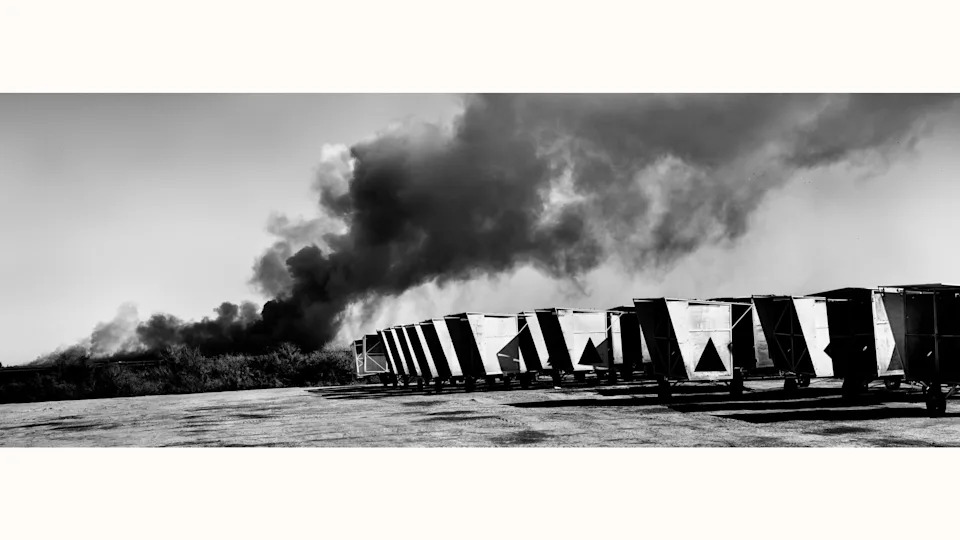
Smoke from agricultural burning fills the air in California's Imperial Valley, where residents contend with some of the nation's worst air quality.
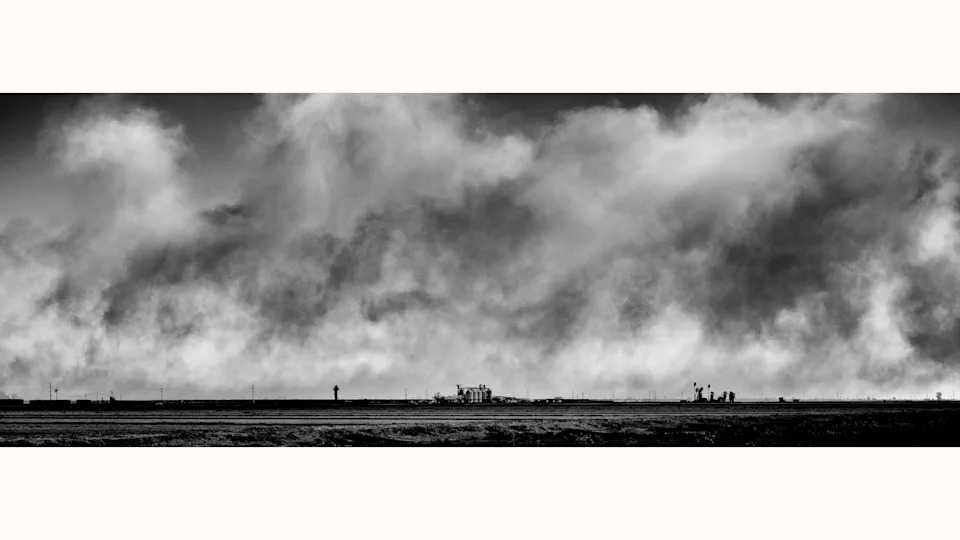
Smoke from agricultural burning in California's Imperial Valley, Feb. 4, 2026.
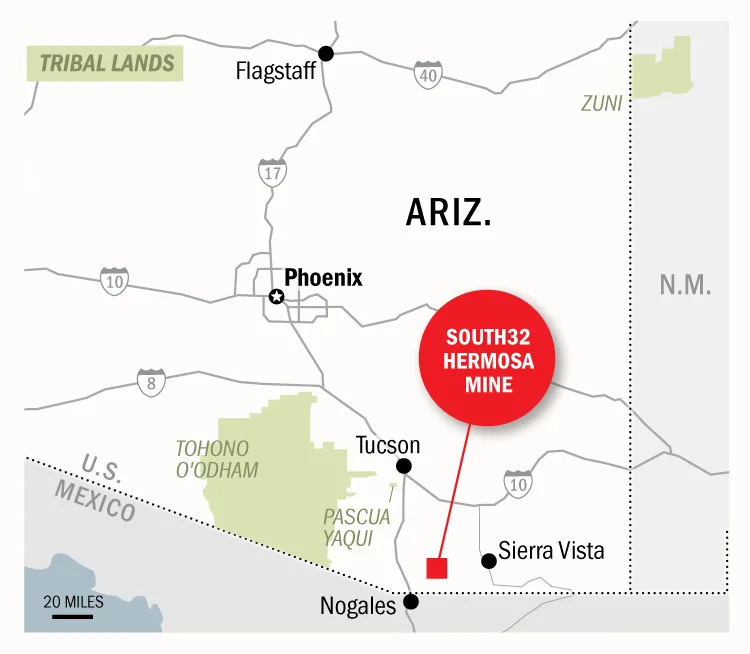
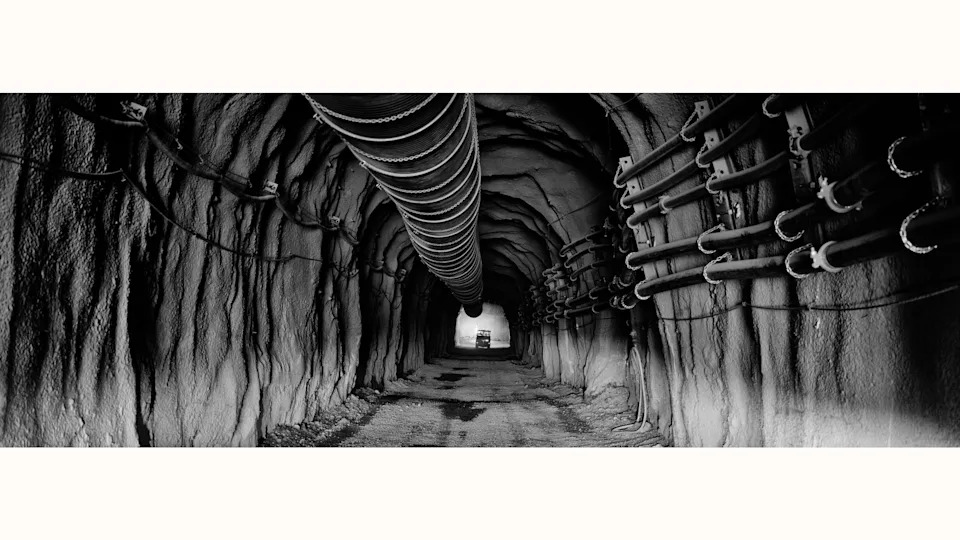
Inside the exploration decline at Hermosa, 600 ft. below the surface.
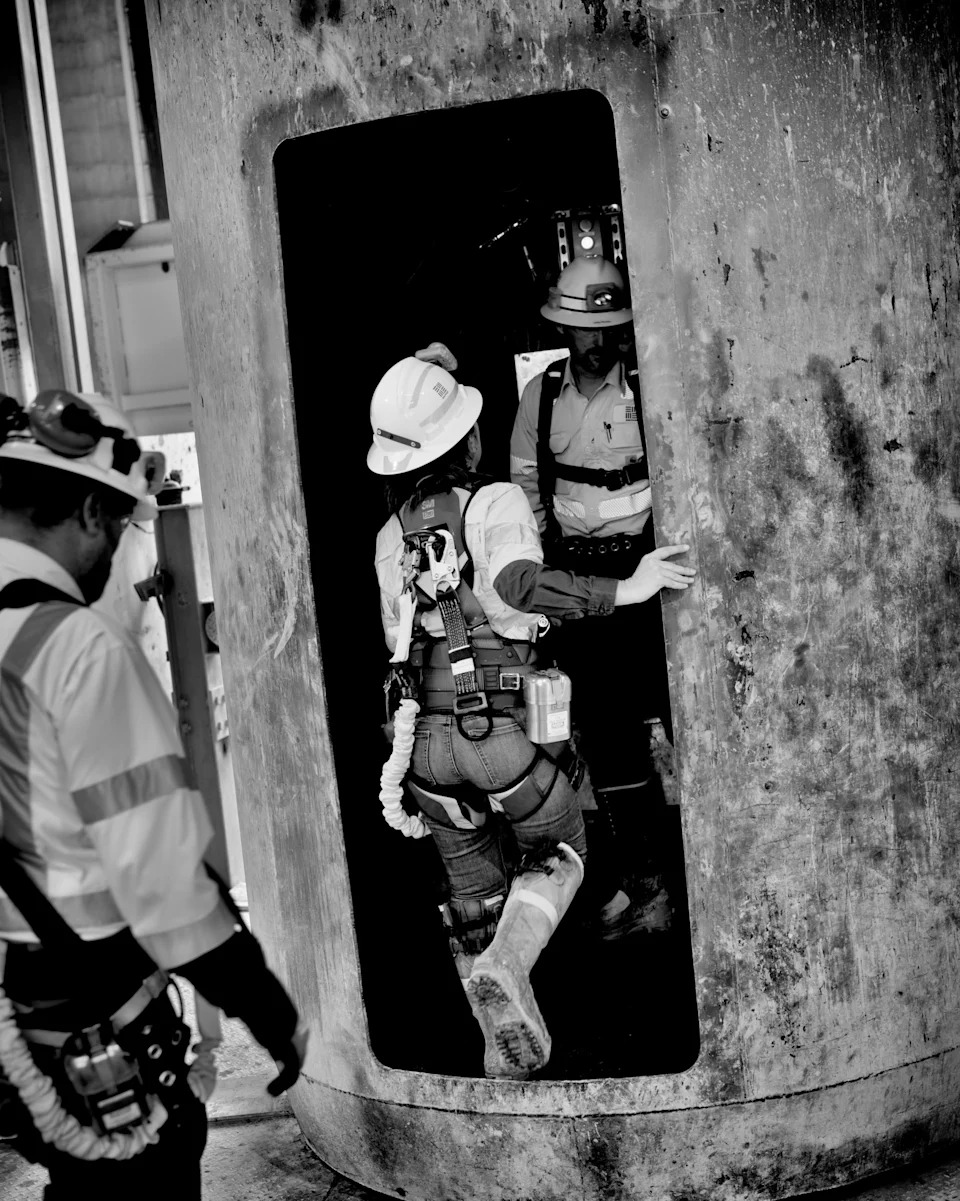
Miners enter the personnel conveyance at the main shaft, July 16, 2026.
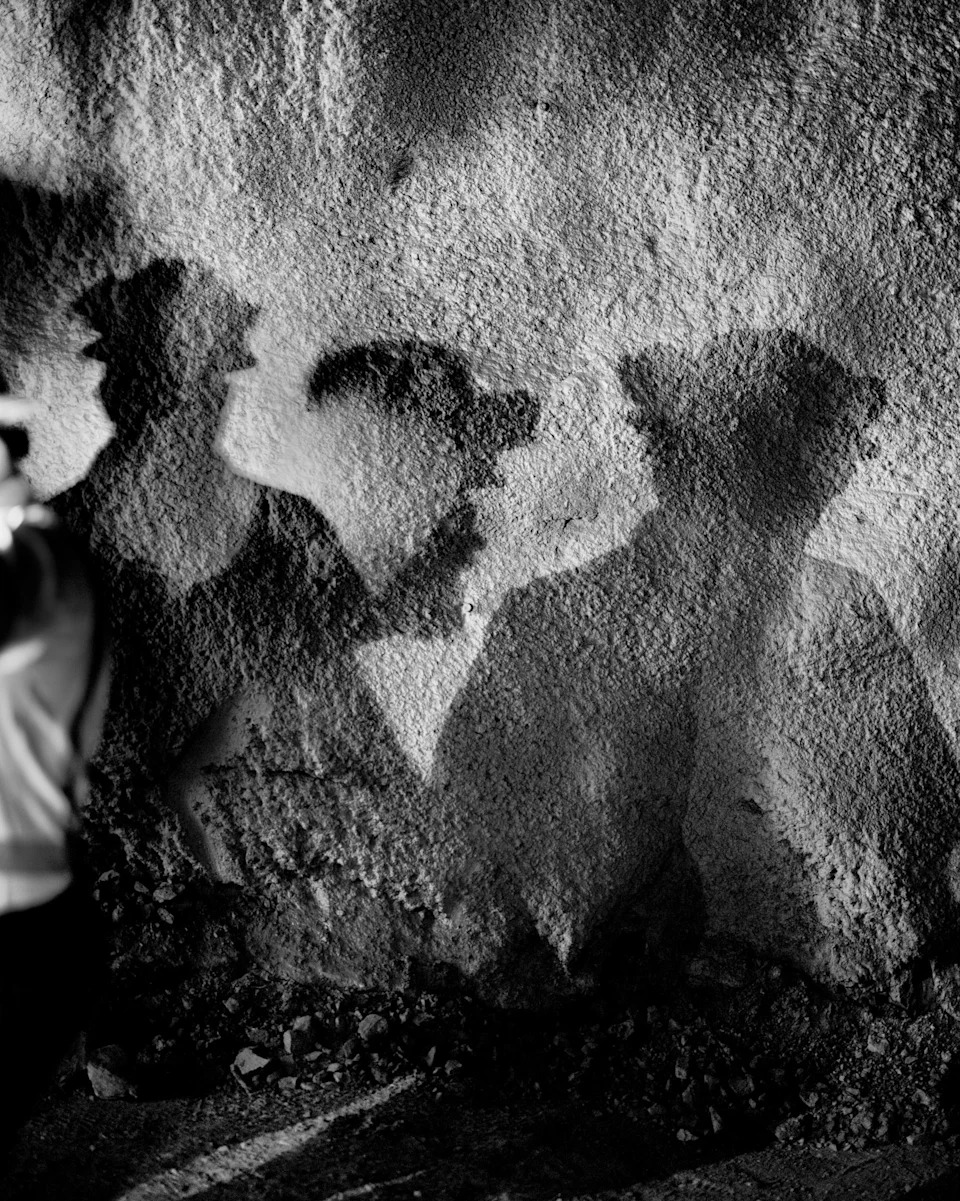
Shadows of miners at Hermosa on July 16, 2026.
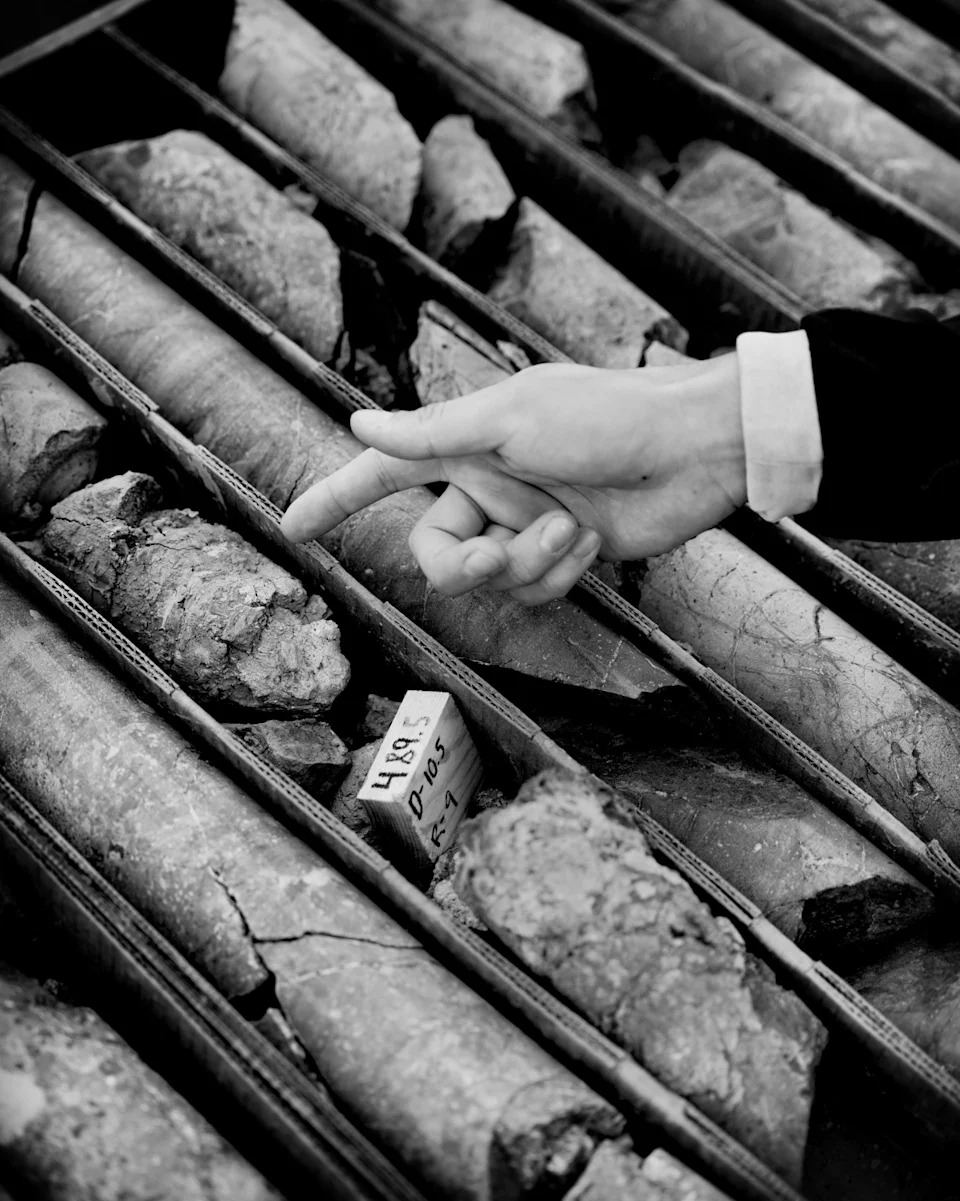
Core samples are used to map and evaluate the underground mineral deposit.
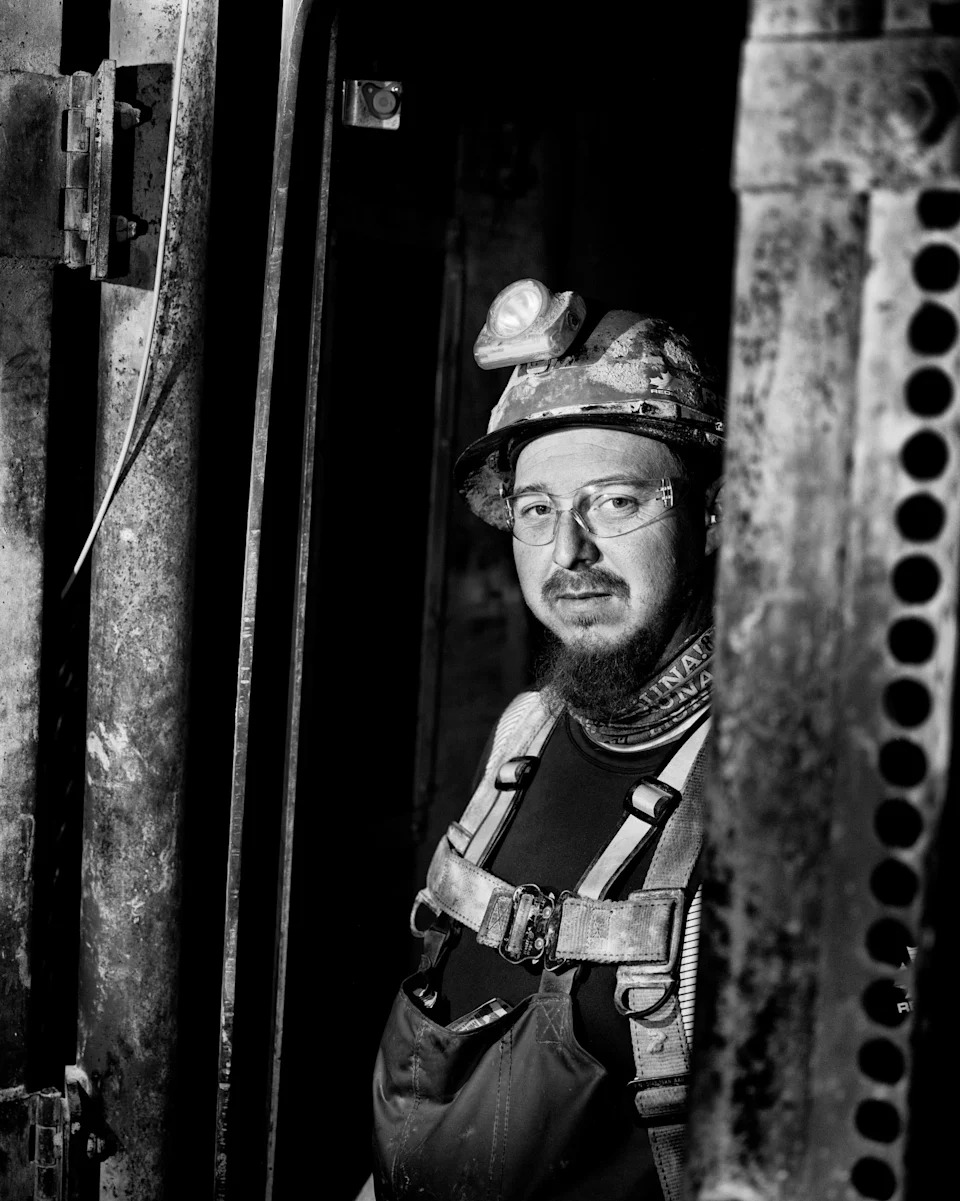
Tyrel Todd at Hermosa on July 16, 2025. Todd has worked in mining for 19 years and is currently a shaft-sinking contractor at the mine.
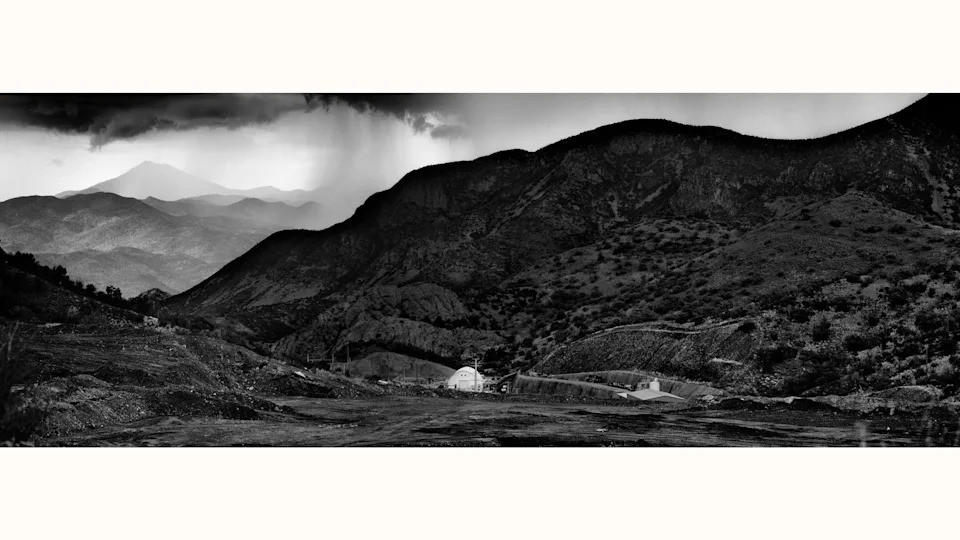
A storm rolls through Hermosa mine on July 16, 2026.
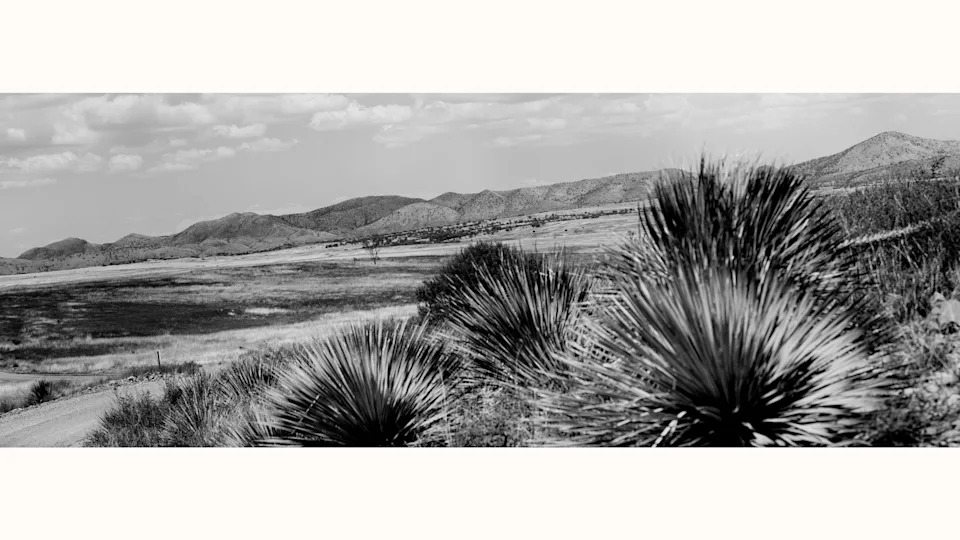
The San Rafael Valley, known for its abundant wildlife, lies adjacent to the Hermosa mine, whose development has raised concerns about impacts on the surrounding landscape.

Susan Wethington has lived without running water since contamination was detected in her well. She says she believes the problem is linked to activity upstream at the Hermosa project. South32 disputes Wethington's claim that its activities caused the problems with her well, telling TIME that the issues predate their mining and that their data "does not support her assertions."
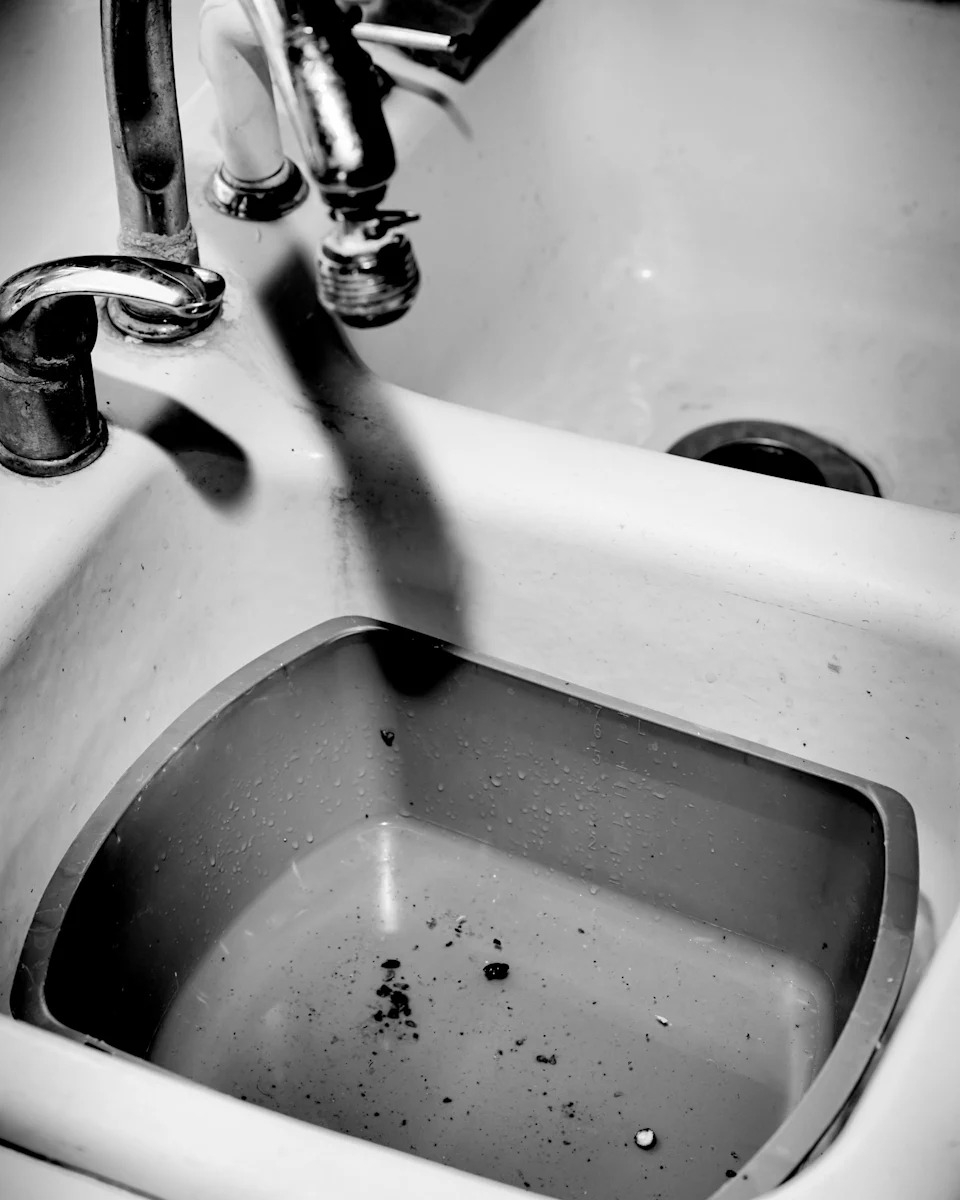
A sink in Susan Wethington's home along Harshaw Creek, just south of the Hermosa mine, July 11, 2025.
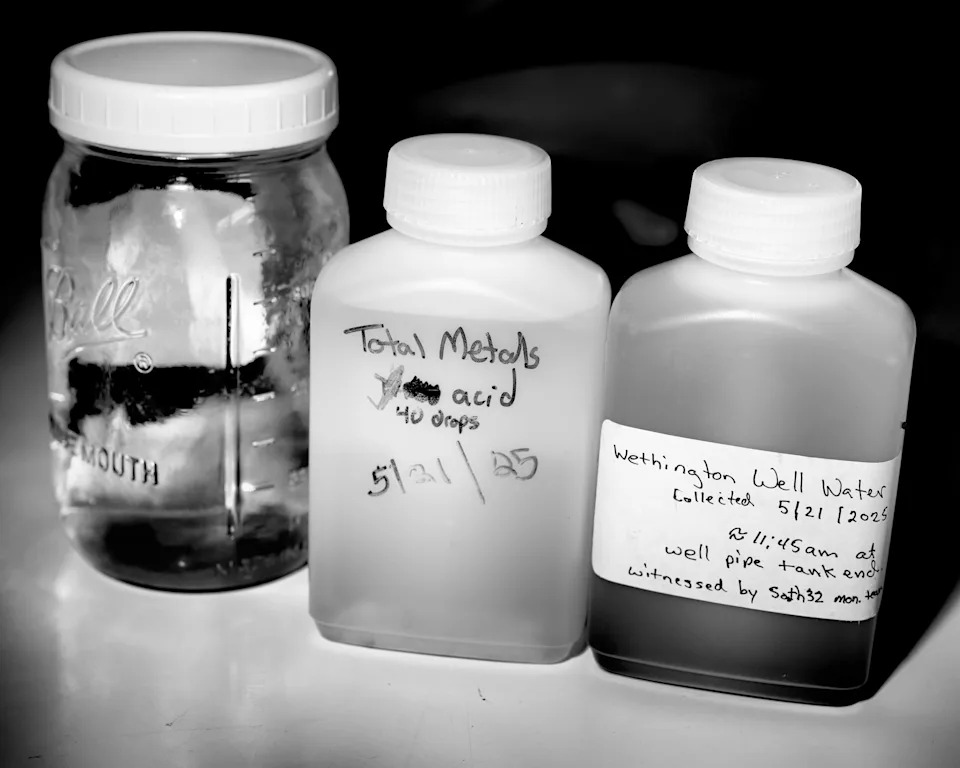
Water samples collected from Susan Wethington's well by Chris Gardner, a retired hydrogeologist and groundwater lead for Friends of Sonoita Creek, which monitors water quality near the Hermosa project.
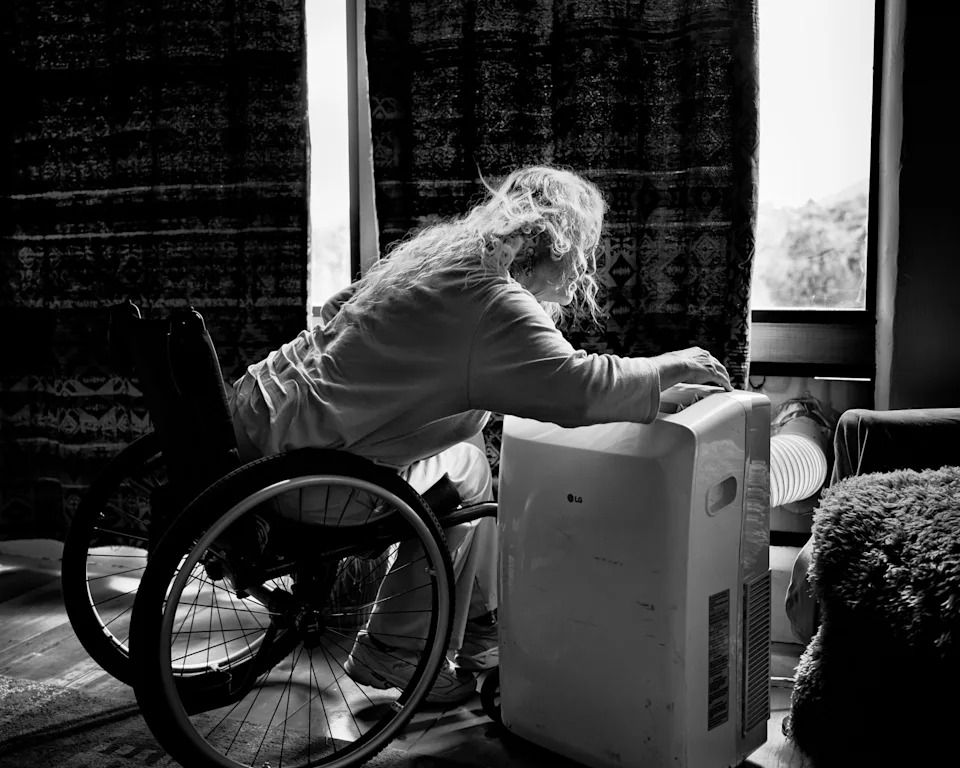
Nancy Coyote checks an air filter at her home in the Patagonia Mountains on July 9, 2025. A retired U.S. Forest Service employee, Coyote moved to the region in 2012 and now advocates for protecting its water and wildlife from the potential impacts of the nearby Hermosa mine.

Becky and John Ball at their home in Patagonia, Ariz., July 15, 2025. They received a proposed South32 agreement that would have required them to waive groundwater-related claims in exchange for well monitoring and mitigation.
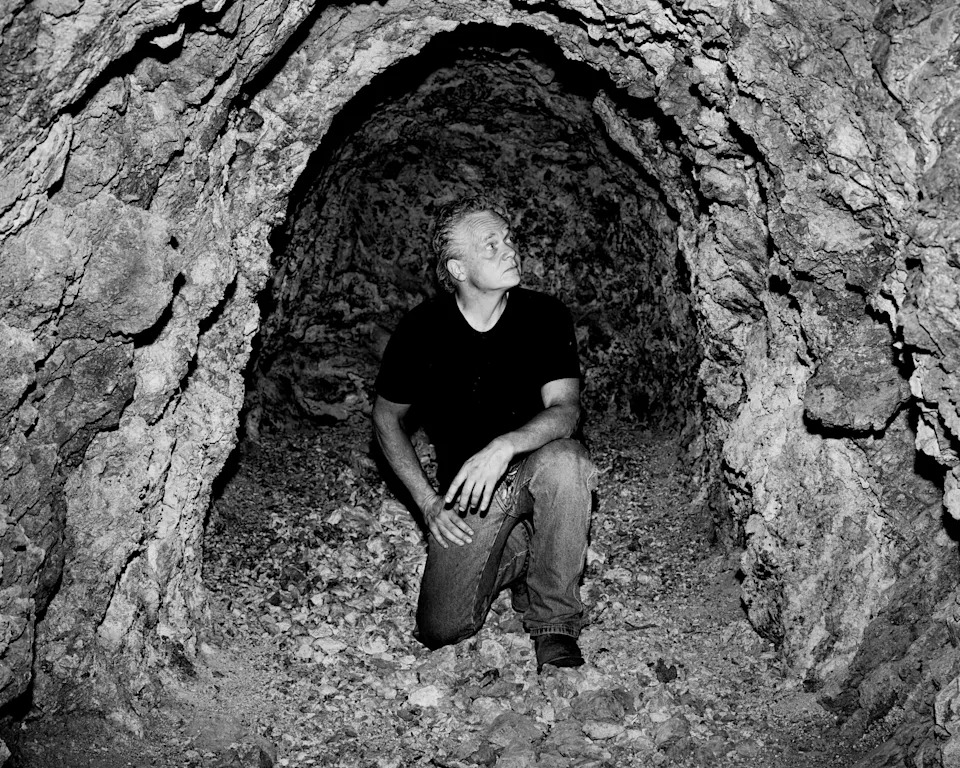
John Nordstrom in a historic abandoned mine near his home in southern Arizona, July 9, 2025.
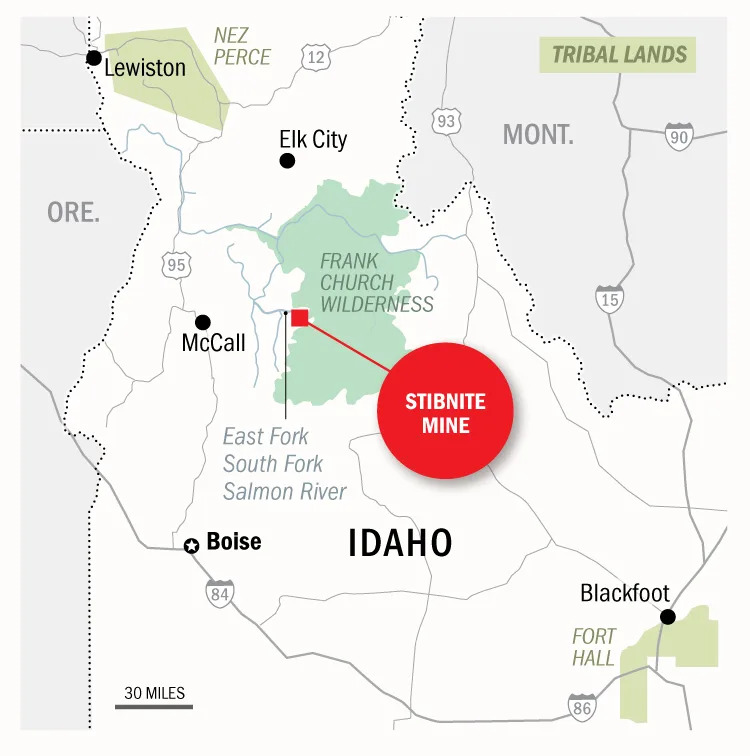
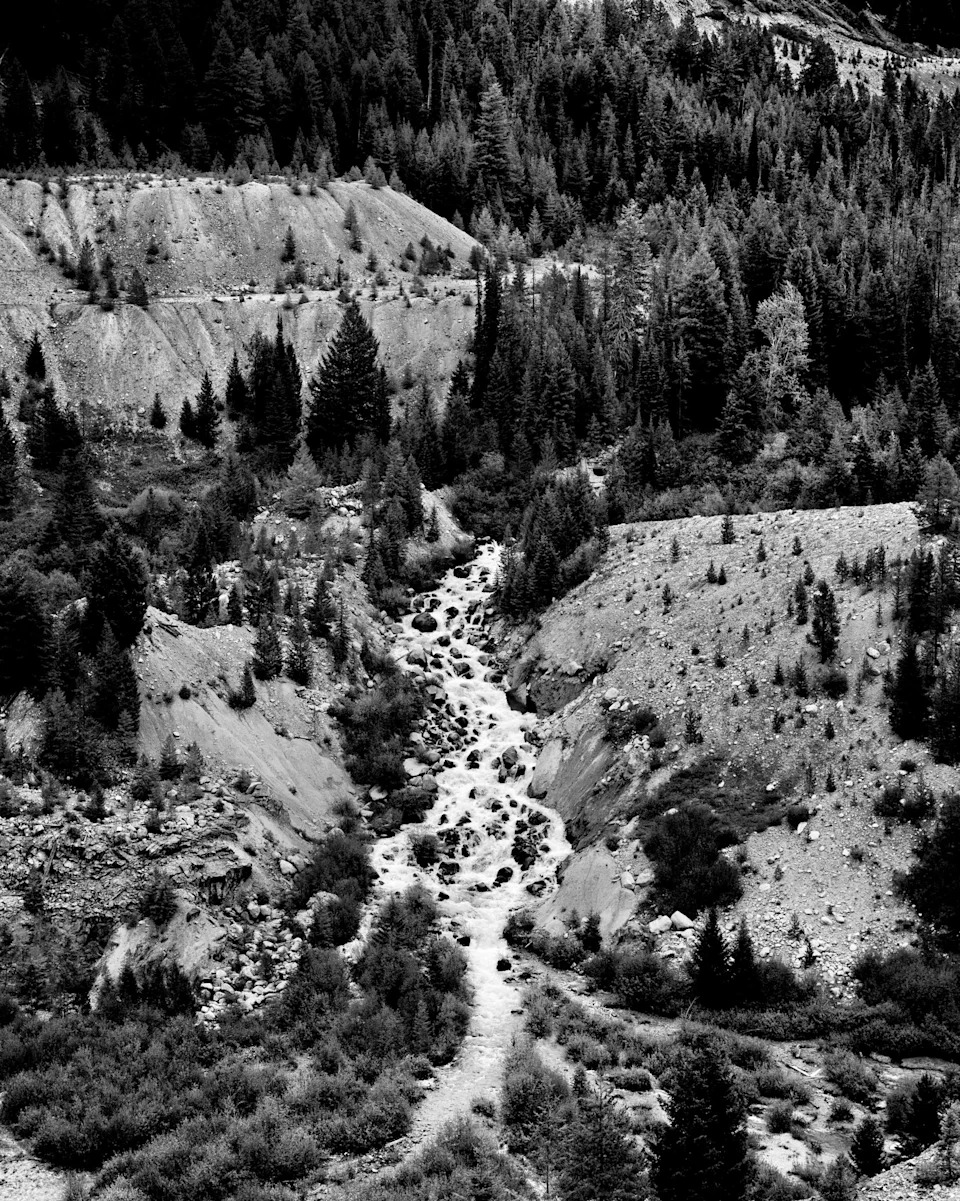
The Stibnite Gold Project site, an open pit gold and antimony mine in the Salmon River Mountains, June 6, 2026.
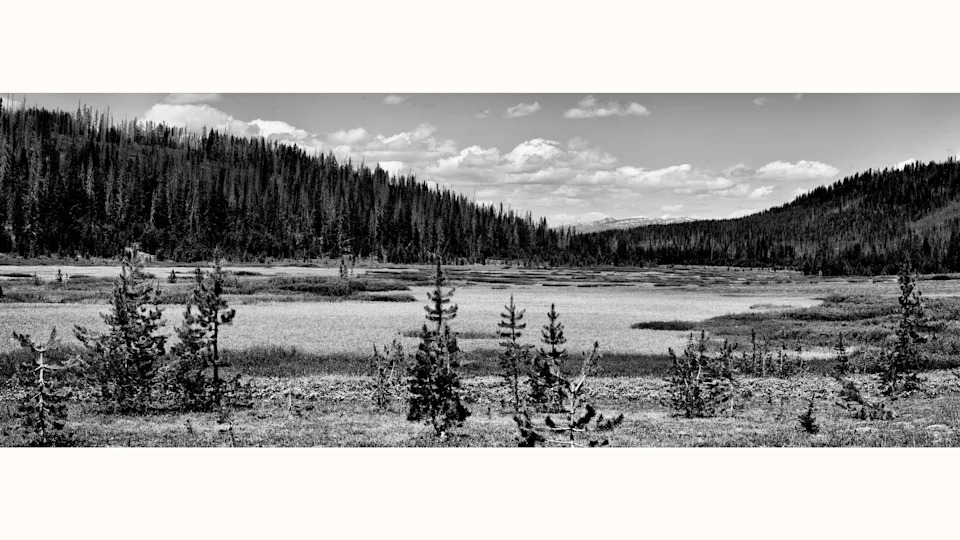
Tyndall Meadows in Idaho's Salmon River Mountains lie along the proposed mining truck access route for the Stibnite Gold Project, June 4, 2026.
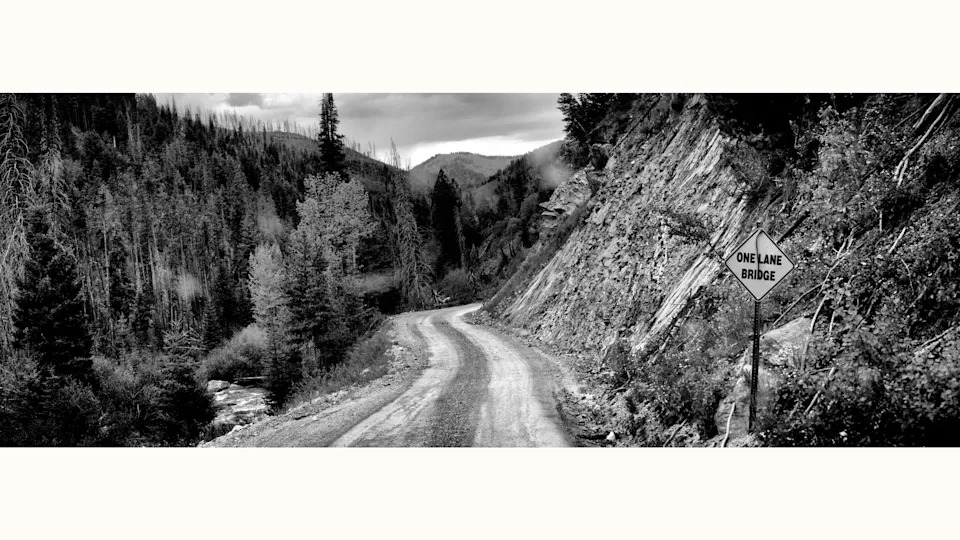
The one-lane Stibnite Road carries both mine and local traffic to the remote town of Yellow Pine, Idaho, where residents have raised concerns about road safety as mine traffic is expected to increase.

Lorinne Munn, a Yellow Pine resident since 2002, at the Yellow Pine General Store on June 6, 2026. The remote Idaho town, home to about 37 year-round residents, relies on tourism, but residents say much of its limited housing has been rented to mine workers and contractors.
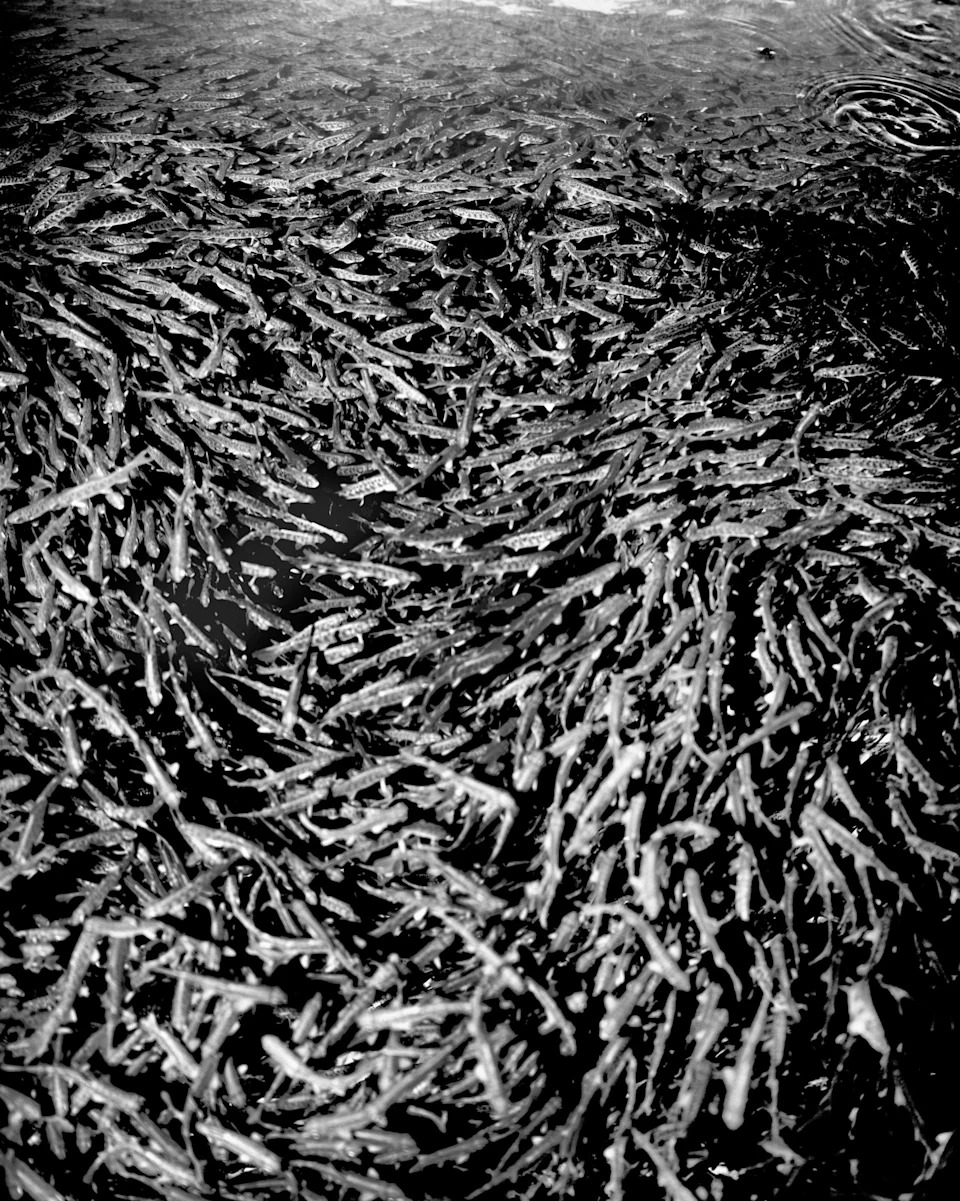
Summer Chinook salmon at the McCall Fish Hatchery in McCall, Idaho, June 8, 2026. The hatchery releases nearly one million smolts each spring into the South Fork Salmon River watershed.
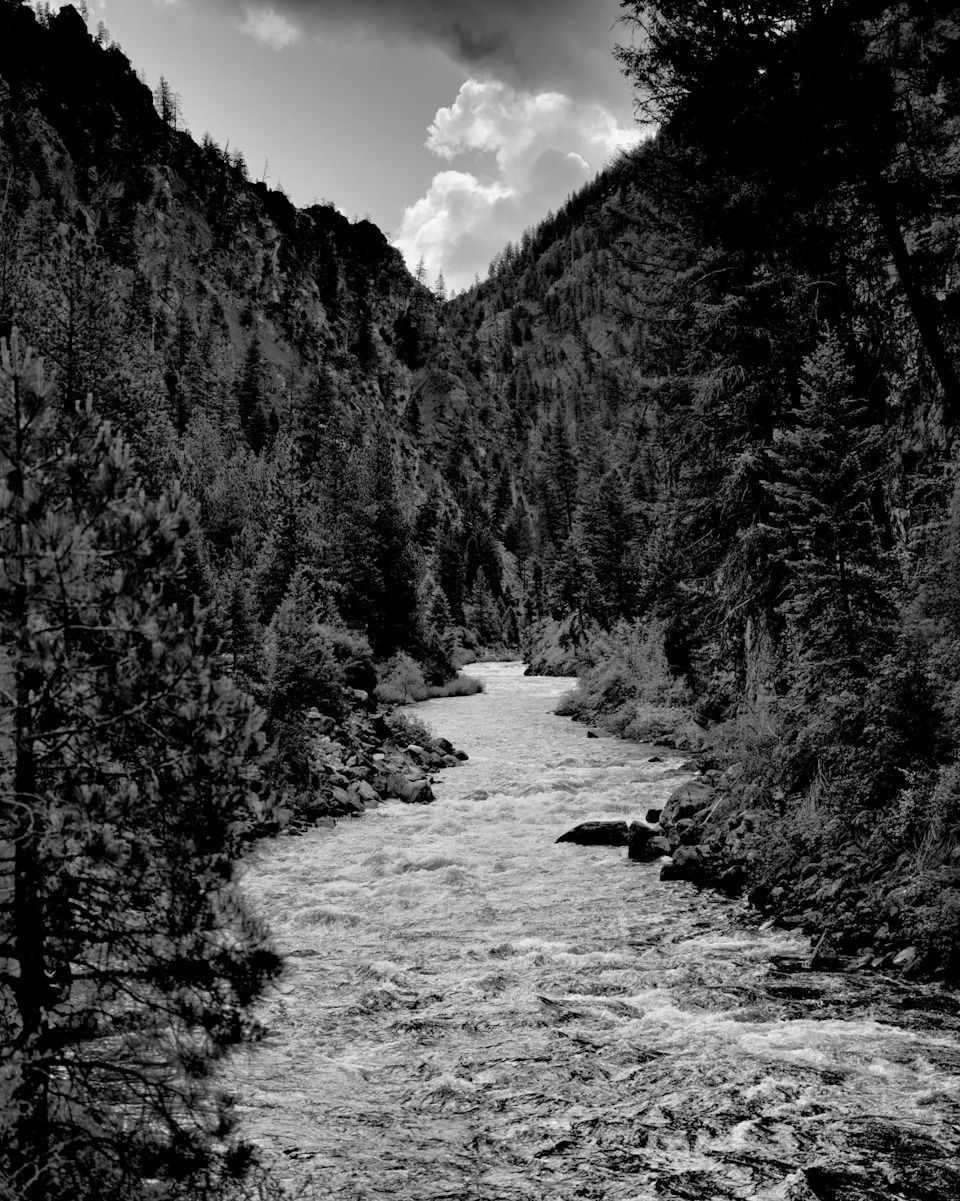
The Middle Fork of the Salmon River in central Idaho, June 7, 2026. Home to Chinook salmon, steelhead, and bull trout, the federally designated Wild and Scenic River flows through one of the largest contiguous roadless areas in the United States.
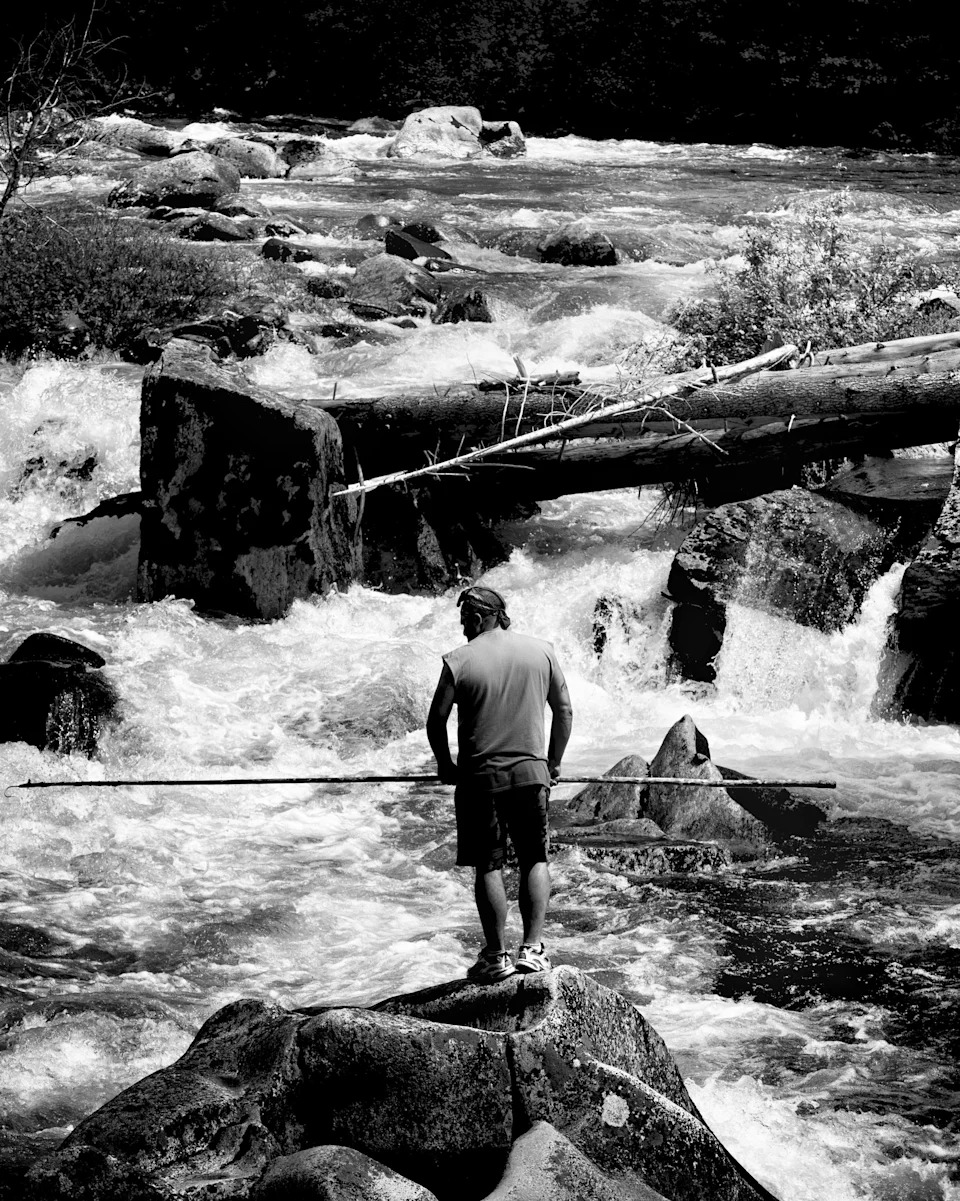
Nez Perce tribal member Aaron Penny fishes the East Fork of the South Fork Salmon River on June 30, 2026. He gave his sons middle names tied to the river: sist'óc, meaning "fish spear," and watáaspa, the place where the South Fork meets the Salmon River. Since the river was diverted for mining at the Yellow Pine Pit in 1938, salmon have been unable to reach their historic spawning grounds. Perpetua Resources has proposed restoring fish passage through a tunnel and fishway, though whether the system will successfully support salmon migration remains uncertain.
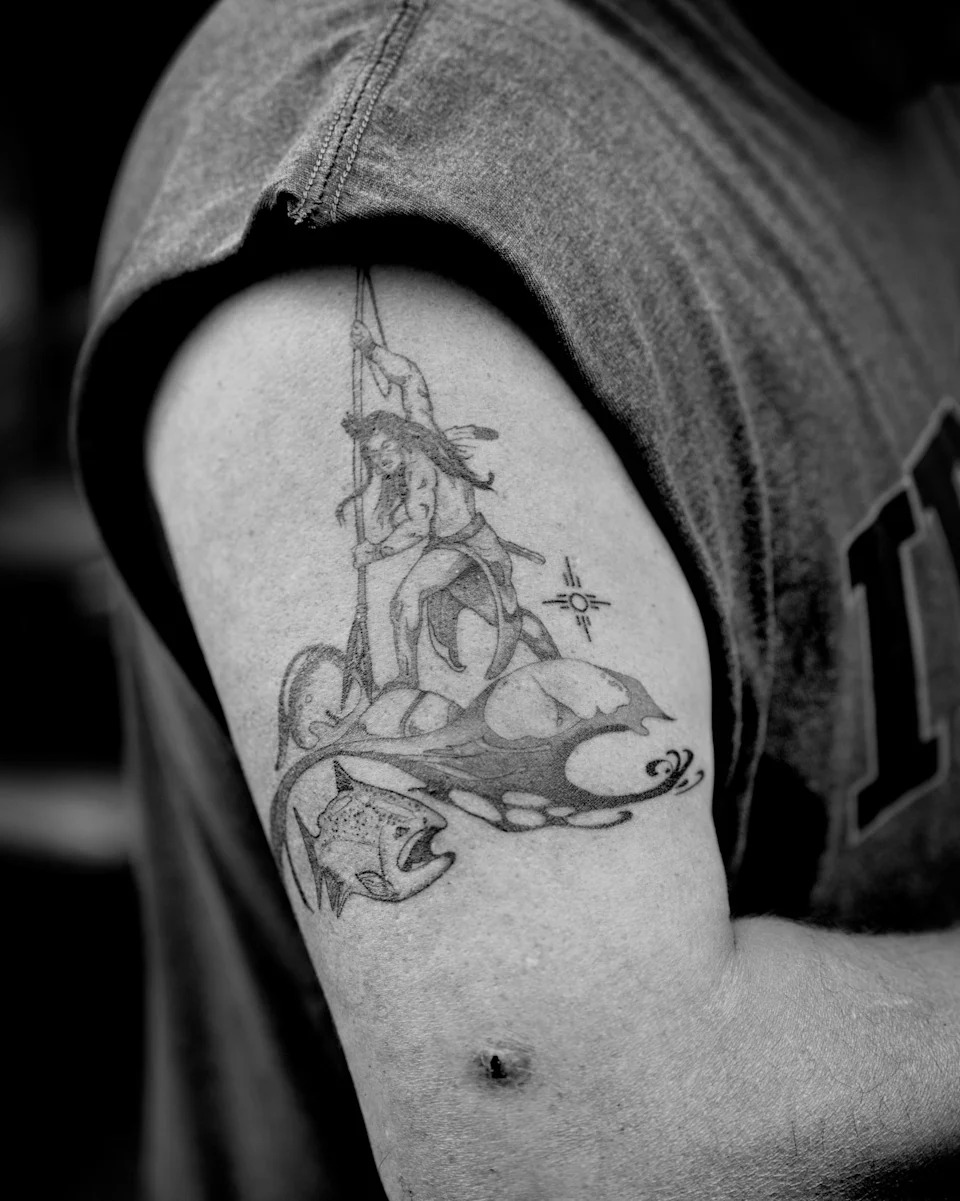
A tattoo on Nez Perce tribal member Aaron Penny depicts the traditional practice of spearing Chinook salmon, a technique used by his father and grandfather before him, June 30, 2026.
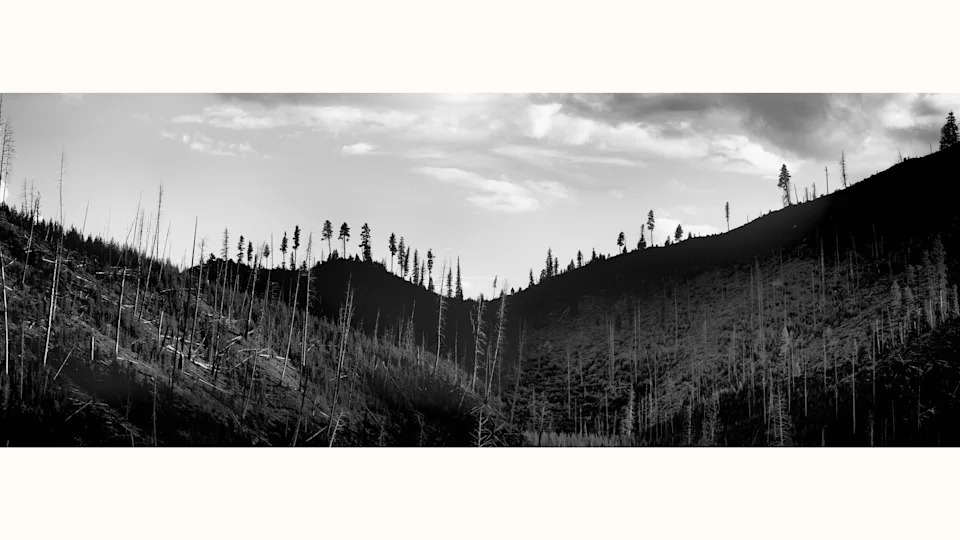
The watershed of the South Fork of the Salmon River, July 1, 2026.
Help us improve.