The article explains why cisplatin and carboplatin — two widely used, off‑patent chemotherapy drugs — have experienced persistent shortages since 2023. Low‑price procurement and lack of volume guarantees have concentrated production in a few, often overseas, facilities, creating a fragile supply chain; 41% of key starting materials are made only in China. Experts call for binding purchase contracts, domestic manufacturing and supplier diversification to secure reliable access to these essential cancer treatments.
Why Hospitals Are Running Out of Key Chemotherapy Drugs — And What Can Fix It
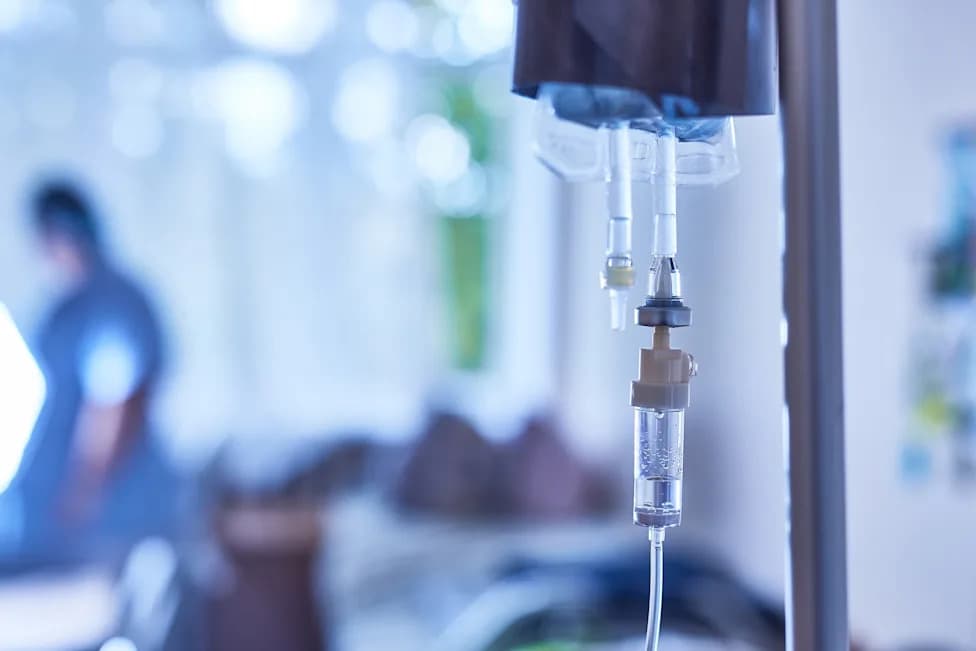
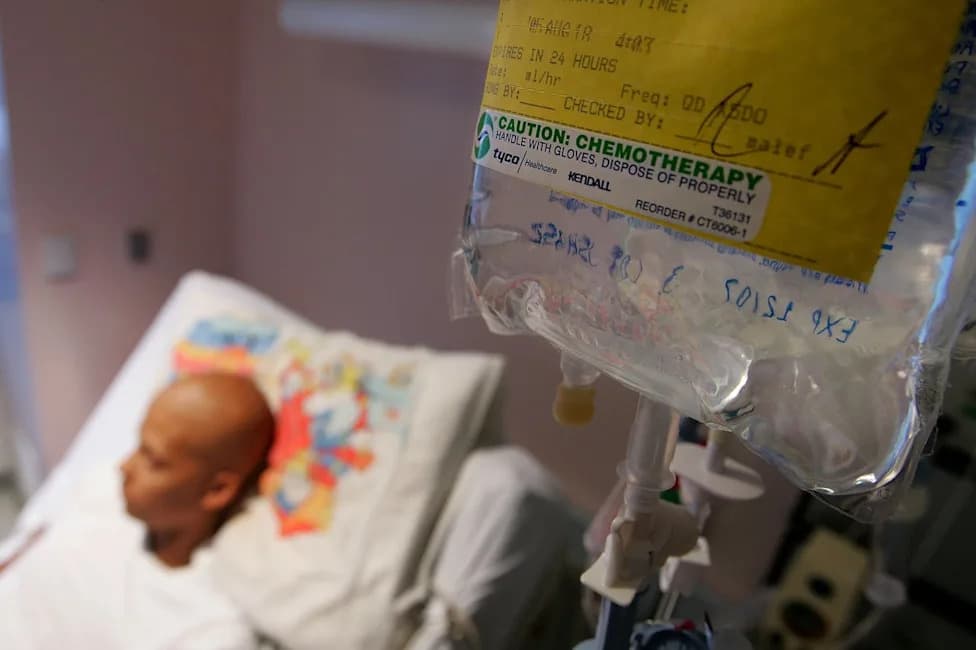
—Sergii Kolesnikov—Getty Images
When cisplatin arrived in 1978 it transformed cancer care; its cousin carboplatin, introduced in 1986 with fewer side effects, quickly became a mainstay. Together these platinum-based chemotherapies are used in roughly one in five cancer patients to treat ovarian, bladder, breast, lung and other cancers. Yet since 2023 hospitals have reported persistent shortages that force dose delays, substitutions with less‑optimal drugs, or difficult conversations between clinicians and patients.
How Economics Created Fragile Supply
The problem is largely economic. Cisplatin and carboplatin are off‑patent generics that require sterile injectable manufacturing — a specialized and capital‑intensive process. Hospitals and group purchasing organizations typically award contracts to the lowest bidder but do not guarantee purchase volumes. That pricing model drives factories to prioritize higher‑margin products or to exit production when margins shrink.
As Stefan Scholtes, Professor of Health Management at the University of Cambridge, explains: 'There are plenty of other drugs that can be made on the same lines. If capital runs low, companies repurpose the line for a higher‑margin product. Why would they carry on delivering [the chemo]?'
Concentrated, Overseas Supply Chains Make Things Worse
Seeking the cheapest suppliers has also concentrated production of ingredients and finished products in a few facilities — often overseas. U.S. Pharmacopeia supply‑chain monitoring found that about 41% of drugs' key starting materials are produced solely in China. When a single plant goes offline, fails a quality check, or is affected by geopolitical disruption, global supply can collapse.
Recent disruptions — including logistical complications related to the war in Iran — have made it harder for the few companies that still produce cisplatin and carboplatin to obtain necessary raw materials.
Patient Impact
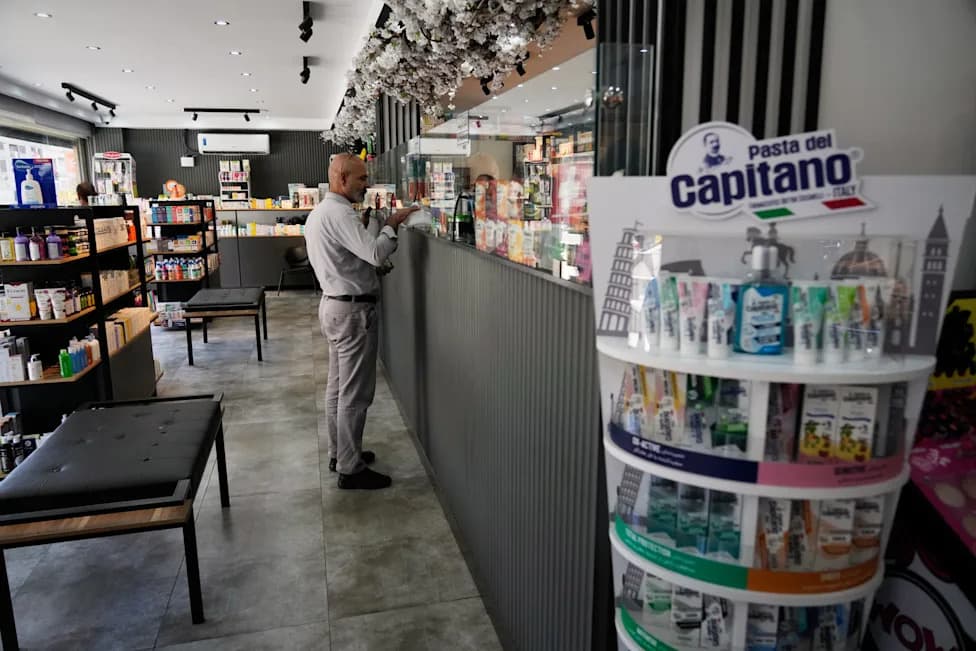
Pharmacists report calling other hospitals to borrow doses. Oncologists may space treatments out, substitute alternative regimens, or in worst cases limit access to standard therapy. Early analyses suggest short‑term survival for some patients has been maintained with alternative plans, but experts warn that long‑term outcomes and cure rates could suffer if shortages persist.
'In oncology, any shortage in a single medication, a delay in treatment, or substitution could impact cure rates or even survival. It is immensely important that we have access to all the therapies at our disposal,' says Dr. Jacob Reibel, medical oncologist at Dartmouth Cancer Center.
Possible Fixes and Ongoing Efforts
Experts recommend several changes to make supply more reliable:
- Use contracting mechanisms that guarantee purchase volumes so producers have predictable revenue.
- Diversify and add redundancy in suppliers and manufacturing sites, including reshoring critical production.
- Support nonprofit or public–private manufacturing models that prioritize supply resilience over lowest upfront cost.
Two U.S. initiatives point in this direction: Civica, a nonprofit of U.S. health systems founded in 2018, manufactures a select set of generic drugs domestically to stabilize supply (though it does not currently produce these platinum agents). Phlow Pharmaceuticals, founded in 2020, aims to rebuild U.S. capacity for active pharmaceutical ingredients.
Without changes to procurement and manufacturing strategies — from binding volume contracts to more domestic and diversified capacity —shortages of essential chemotherapy drugs are likely to continue, experts warn.
Help us improve.