Researchers report that a foliar spray of manganese oxide nanoparticles plus chitosan helped tomato plants better tolerate saline soils. Treated plants showed a 55% increase in root weight and 25–91% increases in photosynthetic pigments, along with reduced cellular damage and higher antioxidant levels. Published in the International Journal of Phytoremediation, the study suggests a potentially affordable way to protect yields on salt-affected farmland, though field trials and safety assessments are still needed.
Nanoparticle Spray Boosts Tomato Resilience to Salty Soils — 55% Bigger Roots and Stronger Photosynthesis
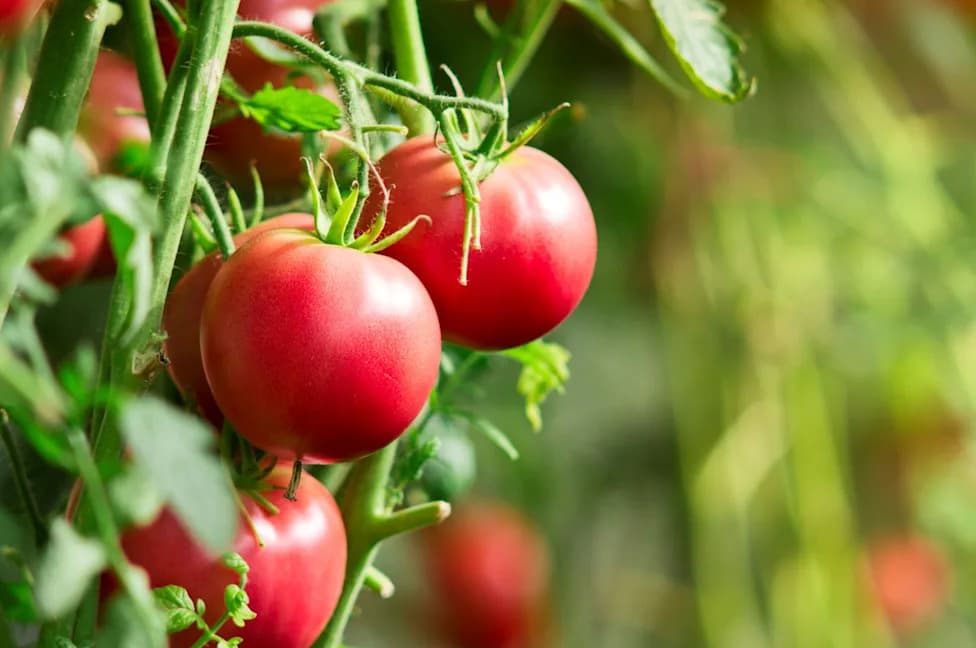
Photo Credit: iStock
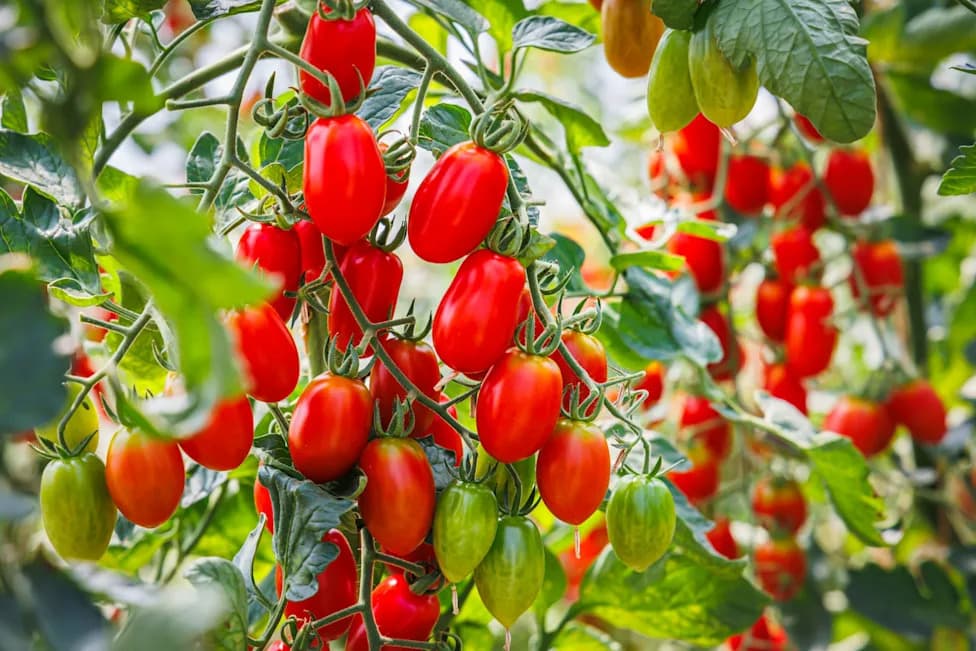
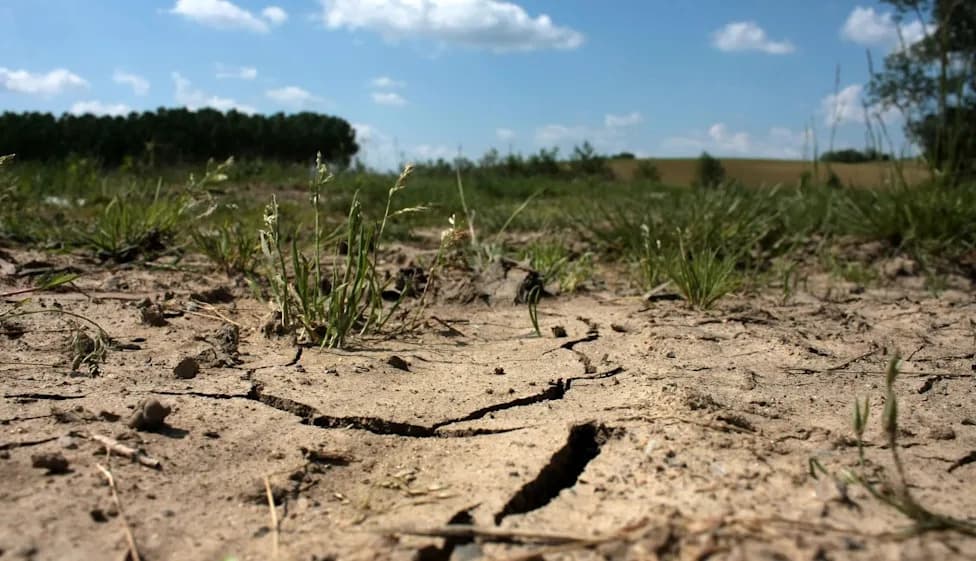
Tomato plants are highly sensitive to soil salinity, a problem that is increasing as drought, irrigation practices and rising seas leave more farmland saline. New research suggests a simple foliar spray combining manganese oxide nanoparticles with chitosan can help tomato plants tolerate salty soils and maintain growth.
Scientists at the University of Texas at El Paso reported the results in a paper published in the International Journal of Phytoremediation, a study highlighted by Anthropocene Magazine. The research compared tomato plants grown under two salt-stress regimes (medium and high salinity), with treated and untreated control groups at each stress level.
The treated plants showed substantial physiological improvements: root weight increased by about 55%, photosynthetic pigments rose between 25% and 91%, treated plants displayed fewer signs of cellular damage, and key antioxidant levels in tissues were higher — all indicating improved tolerance to salt stress.
The manganese nanoparticles help activate the plant's own antioxidant enzymes, which neutralize oxidative damage. Chitosan acts more like a protective coating, it helps the plant hold onto water, stabilizes cell membranes, and supports the plant's internal salt-water balance. Together, they work synergistically better than either one alone.
Mechanistically, the researchers say manganese nanoparticles appear to stimulate the plant's antioxidant defenses, while chitosan improves water retention, membrane stability and salt–water balance within tissues. Applied as a foliar spray, the combination improved photosynthetic function and overall plant resilience in saline conditions.
Why This Matters
Soil salinity reduces plants' ability to absorb water and nutrients, stunting growth and lowering yields. As salinity spreads — through repeated irrigation in dry regions or seawater intrusion in coastal areas — farmers face higher costs, lower production and pressure to abandon or clear more land. A practical, affordable treatment that helps crops tolerate saline soils could protect harvests, stabilize supplies and reduce economic strain on growers and consumers.
Caveats and Next Steps
While results are promising, the study appears to be a controlled experiment; additional field-scale trials are needed to confirm effectiveness across varieties, climates and farming systems. Important follow-ups include assessments of long-term safety, environmental fate and regulation of nanoparticles, cost and supply-chain feasibility, and efficacy on other salt-sensitive crops.
In short, the nanoparticle–chitosan spray is a promising climate-smart tool for improving crop resilience to salinity, but broader testing and safety evaluations are required before widespread agricultural use.
Help us improve.