The World Food Programme says Afghanistan's hunger crisis is intensifying, with cuts to donor aid limiting WFP support to only 1 in 9 malnourished children. Malnutrition hit 47% of children in Q1, while the UN estimates the population exceeds 48 million. The WFP has received just over 10% of its $900 million appeal, and about 6 million returnees in three years add pressure. Humanitarians warn that without urgent funding the crisis could drive migration, radicalization and regional instability.
WFP Warns Afghanistan Hunger Crisis Is Deepening — Only 1 In 9 Malnourished Children Can Be Reached
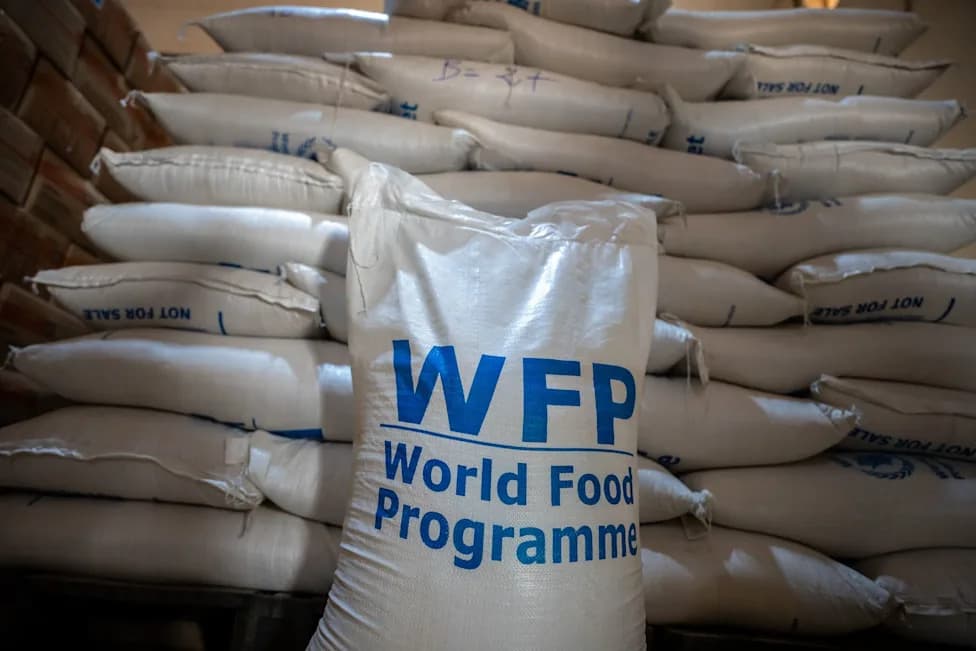
FILE PHOTO - A sack of flour stands in a warehouse of the UN World Food Program. The United Nation's World Food Programme (WFP) in Afghanistan is being forced to drop food assistance for another 2 million people in September due to massive funding shortfalls, the organization said in a statement on Tuesday. (is associated with: «World Food Programme warns hunger crisis in Afghanistan worsening») Michael Kappeler/dpa
The World Food Programme (WFP) has warned that Afghanistan's hunger crisis is worsening, with funding shortfalls forcing the agency to scale back life-saving assistance.
John Aylieff, the WFP's country representative for Afghanistan, said cuts to development aid from many donor countries mean the WFP can now support only one in nine malnourished children across the country.
According to Aylieff, malnutrition has reached unprecedented levels: 47% of children were recorded as malnourished in the first quarter of this year. The UN estimates Afghanistan's population at more than 48 million.
"Abject hunger drives migration, radicalization and ultimately brings instability. And instability, as history shows, has a tendency to spill over beyond Afghan borders," Aylieff warned.
He painted a stark human picture of the crisis: "Feeble cries of malnourished babies haunt the health clinics of Afghanistan as worried mothers—many themselves weakened by hunger—bring their children, desperate for treatment."
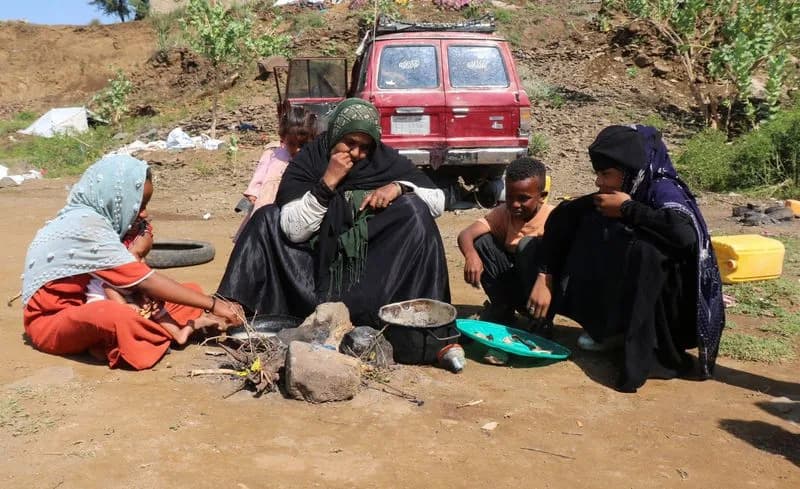
Aylieff described a family in Kandahar: a malnourished mother of three who can only give her baby weak tea instead of milk, and a six-year-old son too weak and ill to attend school. When she turned to a clinic for help, the WFP had no supplies to assist her.
The WFP has received just over a tenth of the $900 million it budgeted for Afghanistan this year, leaving large gaps in food, nutrition and health support. Although a good harvest is expected, millions remain food-insecure—especially after roughly 6 million Afghans returned to the country from neighboring states over the past three years.
Aylieff and humanitarian partners say immediate funding is critical to prevent further deterioration, protect the next generation, and reduce the risk that hunger-driven instability spreads beyond Afghanistan's borders.
Help us improve.