Andy Burnham’s opening weeks suggest he is an unusually effective political communicator among recent UK prime ministers. While it is too soon to judge his record on governing, his interventions — including urging Gianni Infantino to step down as FIFA chief — reveal an instinct for connecting with voters. Comparisons to David Cameron emphasise political craft rather than policy detail, and Burnham’s style appears to resonate particularly with younger, urban voters.
Andy Burnham’s Strong Start: Why His Early Weeks Suggest He Could Outlast Recent UK Prime Ministers
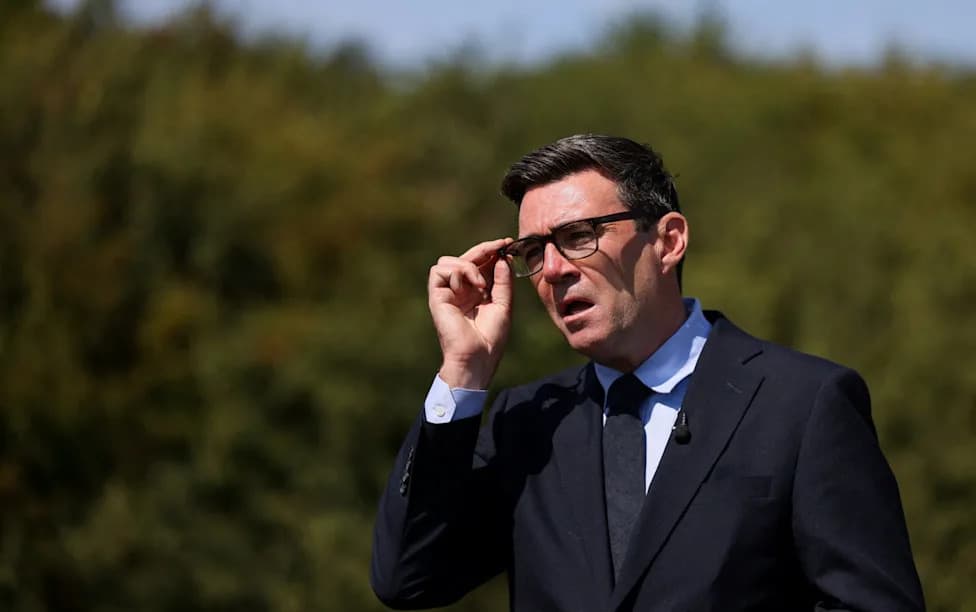
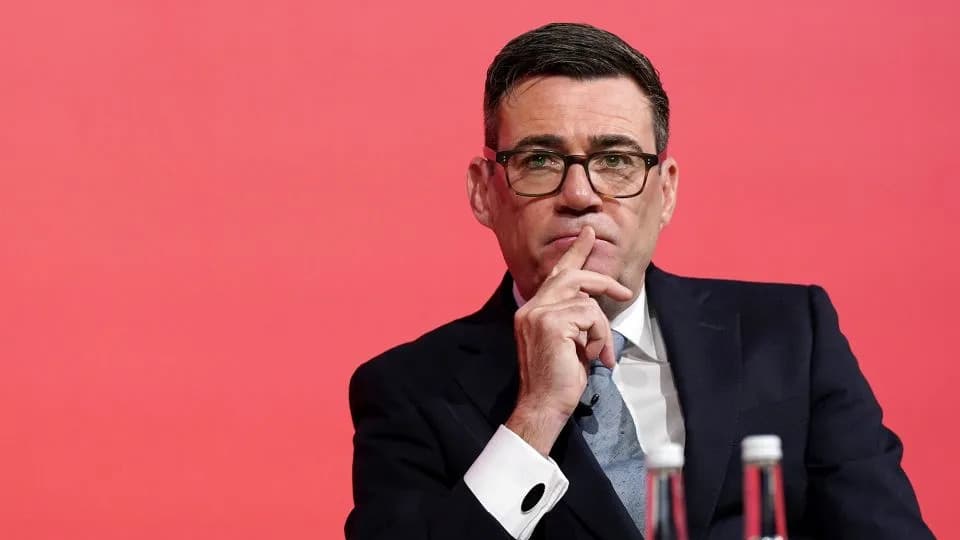
Burnham's call for the head of Fifa to resign proves that he knows what the country is thinking - Jack Taylor/Reuters
Andy Burnham’s first weeks as prime minister have drawn attention not for sweeping policy wins but for a clear demonstration of political skill. After a run of leaders who struggled to form an emotional bond with voters, Burnham has signalled that he understands how to capture attention and convert it into public affection — a quality that can be as decisive as managerial competence in modern politics.
Two Sides of the Premiership
The role of prime minister can be thought of as two complementary tasks. The first is government: setting priorities, delivering policy and running public administration. It is still too early to judge Burnham’s record on these measurable tasks.
The second is leadership in the broader, less tangible sense: building an emotional connection with the public, persuading people to listen and shaping the national mood. In an era of 24/7 media and social platforms, that kind of communication matters enormously.
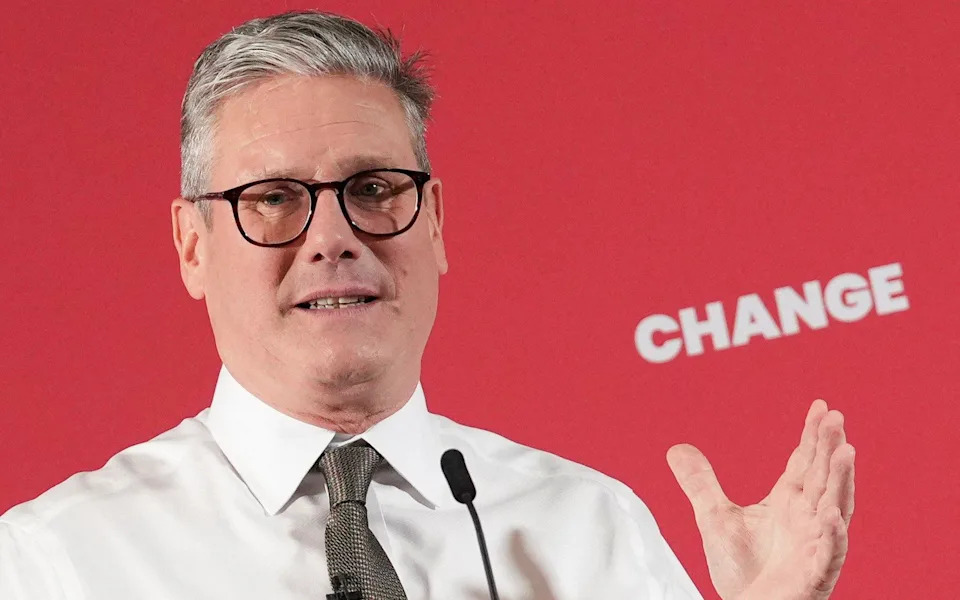
Keir Starmer's lack of charisma played into his downfall - Maja Smiejkowska/Reuters
Visible Moments Matter
Burnham’s public call for Gianni Infantino to resign as FIFA head was striking not because the prime minister has formal authority over international football governance, but because it showed an instinct for speaking to public sentiment. The intervention illustrates a central point of his approach: national leadership often means voicing what many people are already thinking.
"I get it." This has been the implied message of Burnham's early interventions — a deliberate effort to show empathy and cultural fluency rather than to announce a full policy programme.
Comparisons and Political Craft
Commentators have compared Burnham to both Boris Johnson and David Cameron. The Johnson comparison emphasises charisma and mayoral-style showmanship; the Cameron parallel highlights craftsmanship in finding relatable themes. For now, Burnham’s approach resembles Cameron’s ability to identify everyday concerns and present them in ways that resonate, even when the policy detail is not yet fleshed out.
That was evident when Cameron, early in his leadership, criticised the placement of cheap, large chocolates at checkouts — an apparently small complaint that signalled a connection with everyday worries. Such moments are political signalling: they show a leader is attuned to the concerns of ordinary people.
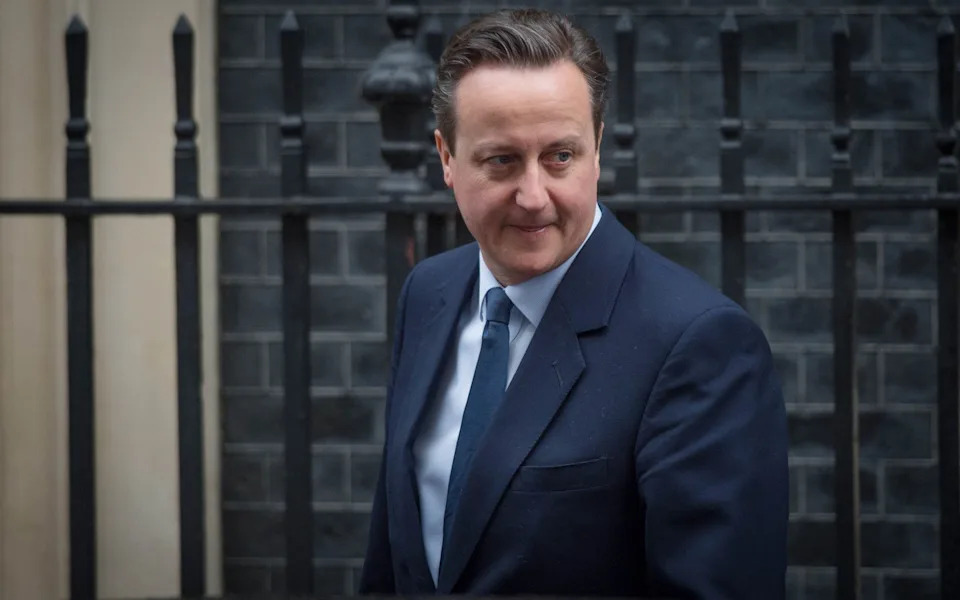
David Cameron's criticism of cut-price chocolate oranges at checkouts in 2006 resonated with the general public - Stefan Rousseau/PA Wire
Biography and Style
Charisma can’t be fully taught, but it can be honed. Burnham’s background — a long career in politics, like Cameron’s — helps him read audiences and tailor his messaging. His casual, media-savvy style (including informal social-media moments) appears designed to reach younger, urban voters who migrated from Labour to the Greens and to re-engage them with the party.
Why Charisma Still Matters
Some dismiss political charm as mere "spin," but history shows that the ability to communicate and inspire can be decisive. From Winston Churchill’s wartime rhetoric to Tony Blair’s skill in reading public mood, leaders who connect emotionally with voters often shape major national outcomes. In recent UK politics, figures like Nigel Farage succeeded in large part because they appealed directly to a segment of public sentiment that mainstream leaders failed to address.
Burnham’s evident desire to be liked is not a weakness so much as a political asset: it helps him compete for attention in an environment where being heard is a prerequisite for being trusted to govern.
Outlook
It is still early to evaluate Burnham’s ability to deliver complex policy. But his early weeks show a prime minister who understands the modern mechanics of political leadership: spotting cultural touchpoints, communicating with clarity and building a coalition of attention. If he can pair that craft with competent governance, he could break the recent pattern of short-lived premierships.
Note: This article focuses on communication and political style rather than a comprehensive assessment of policy performance, which requires more time to evaluate.
Help us improve.