The queen conch of the Florida Keys remains vulnerable after the National Marine Fisheries Service reportedly missed a Feb. 2025 deadline to designate critical habitat, prompting a July 2026 lawsuit by the Center for Biological Diversity. Conservationists warn that Broward County dredging projects, including the Sand Bypass and Port Everglades expansion, could threaten key breeding aggregations. Scientists emphasize that juvenile conchs depend on seagrass beds and that habitat protection is critical for recovery.
Missed Deadline Leaves Florida Keys' Queen Conch Habitat Exposed — Conservation Group Sues
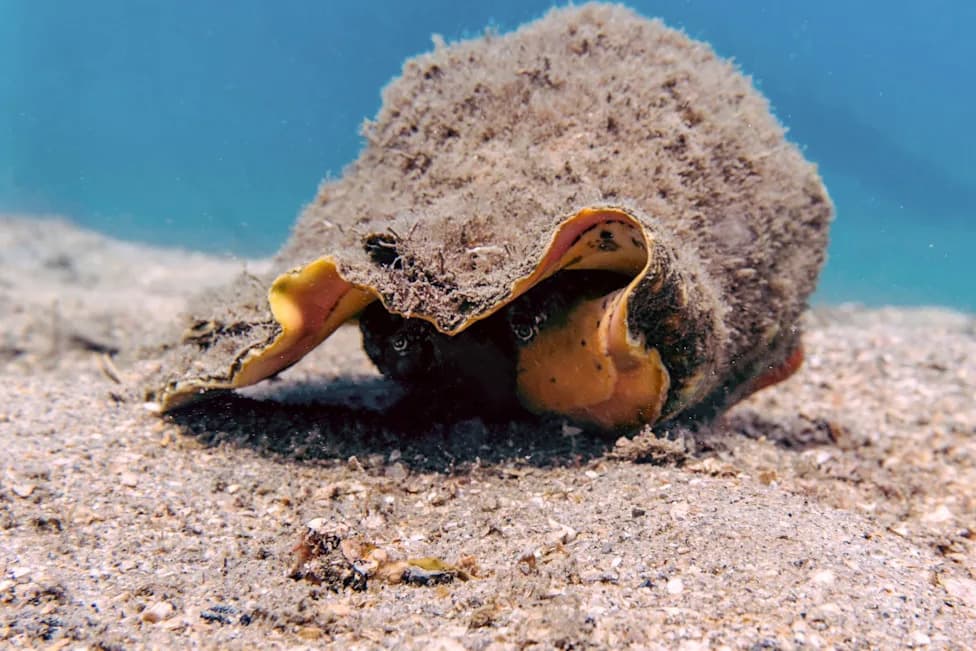
Photo Credit: iStock
The queen conch, an iconic mollusk of the Florida Keys and a key contributor to healthy seagrass ecosystems, faces renewed risk after federal officials reportedly missed a deadline to designate its critical habitat. Conservationists say that failure leaves important breeding grounds vulnerable to dredging and other development-related disturbances.
Lawsuit Says Deadline Was Missed
In July 2026 the Center for Biological Diversity filed suit against the National Marine Fisheries Service (NMFS), alleging the agency failed to meet a February 2025 statutory deadline to propose critical habitat for the queen conch. The species was listed as threatened under the Endangered Species Act on Feb. 14, 2024, and NMFS previously said available data were insufficient to map habitat — granting the agency one additional year to complete the designation.
Local Projects Under Scrutiny
Conservationists warn that two Broward County projects — the Sand Bypass project and the Port Everglades expansion — could affect nearby queen conch breeding aggregations. According to the lawsuit and conservation attorneys, without a formal habitat designation, environmental analyses for permitting may have been less comprehensive than required.
Why Habitat Protection Matters
Queen conchs are linked closely to seagrass beds. Juvenile conchs depend on seagrass for shelter and food, and adult grazing helps maintain and clean these underwater meadows, supporting fish, turtles, rays, octopus and other marine life.
"When they are young, they very much rely on the seagrass beds, and the seagrass beds very much rely on them," said Dr. Megan Davis, director of the Queen Conch Lab at Florida Atlantic University Harbor Branch Oceanographic Institute.
The species also faces overharvesting, polluted runoff, and increasingly strong, climate-driven storms — pressures that increase the urgency of legally protecting habitat.
What the Lawsuit Seeks
The Center for Biological Diversity is asking the court to require NMFS to adopt a concrete schedule for proposing and finalizing critical habitat for the queen conch. Center attorney Alex Muir said the goal is simple: secure specific proposal and finalization dates so that federal protections, and the public-review process that accompanies them, can proceed.
Scientists continue to map conch breeding sites and assess how habitat protections can support recovery. A 2024 survey near Port Everglades examined one of two known adult breeding aggregations in the area — sites that are especially important because queen conchs require sufficient local density to reproduce successfully.
The outcome of the lawsuit could determine whether these breeding grounds receive the legal safeguards advocates say are needed for the species to recover.
Help us improve.