The Seahorse Rescue Centre in Ravenna, established in 2019 by CESTHA, has rehabilitated more than 8,000 seahorses and cares for around 50 at a time. The centre treats injuries from fishing gear — especially deep tail lacerations and anoxia — before tagging animals with ultraviolet paint and releasing them into a protected brackish lagoon. Partnerships with local fishermen return an estimated 2,000 seahorses to the Adriatic each year. Major threats include illegal trade for traditional medicine, unregulated dried-seahorse markets, bycatch from trawling and warming seas.
Inside Ravenna’s Seahorse Hospital: How Fishermen and Scientists Save Thousands
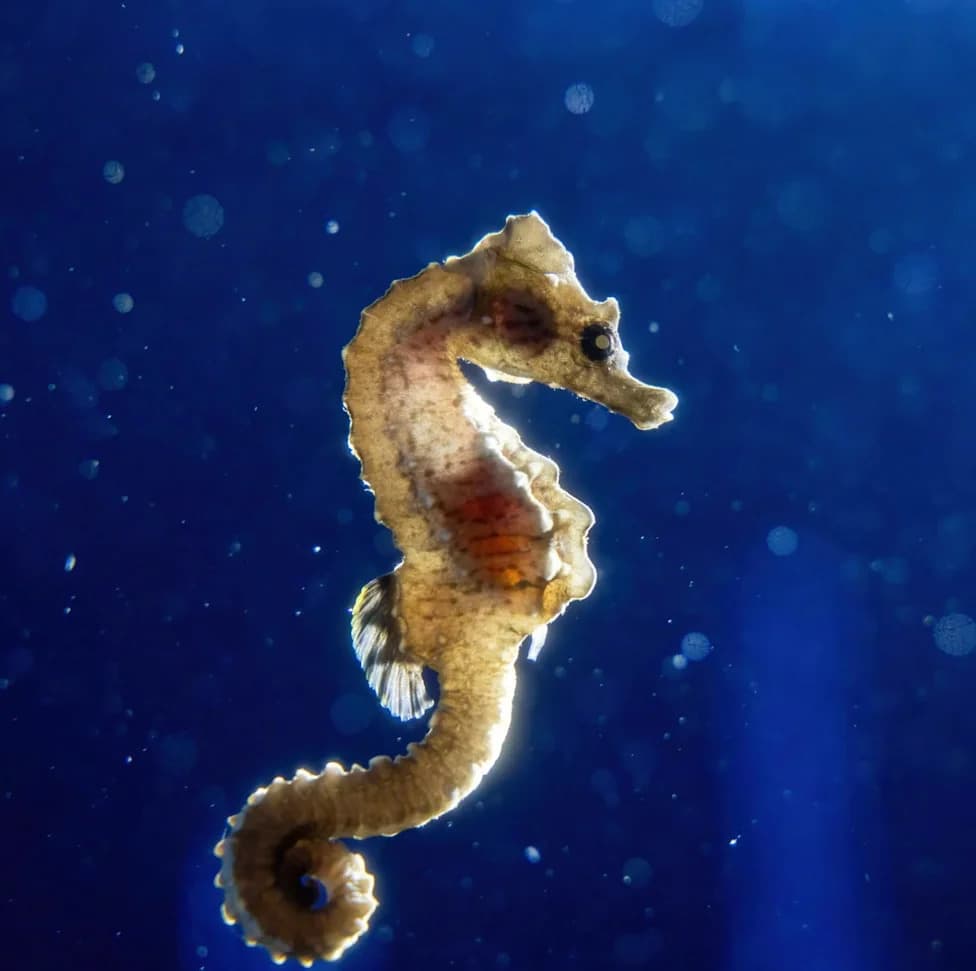
A seahorse in the aquarium at Ravenna's Seahorse Rescue Centre conservation project - Heiko Laschitzki/IFA
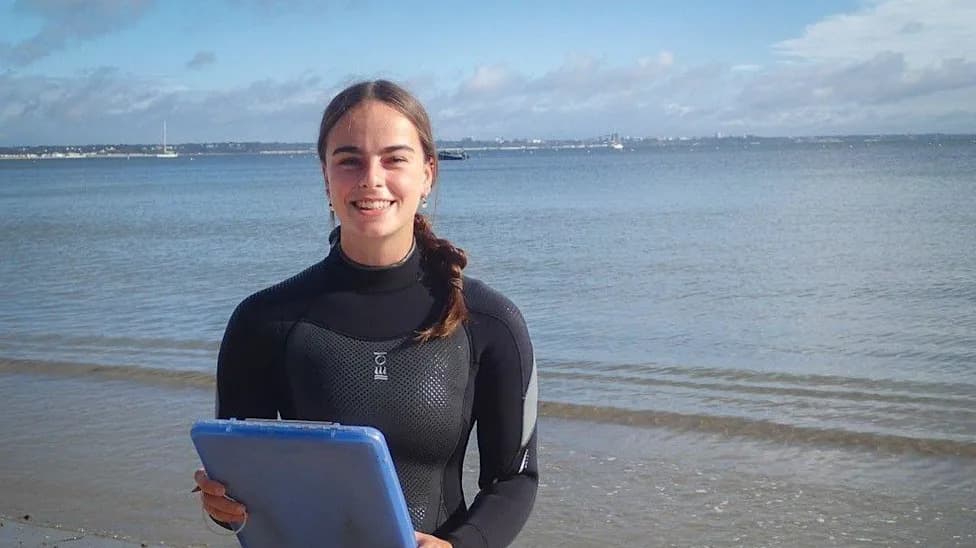
Marine biologist Linda Albonetti gently lifts a 10 cm injured seahorse — a heavily pregnant male — from an aquarium tank and applies a restorative ointment to a cut on its bony outer plates. At 29, Linda coordinates the world’s first specialist seahorse hospital in Ravenna, nursing about 50 animals at a time that local fishing crews bring in after the creatures become entangled in nets.
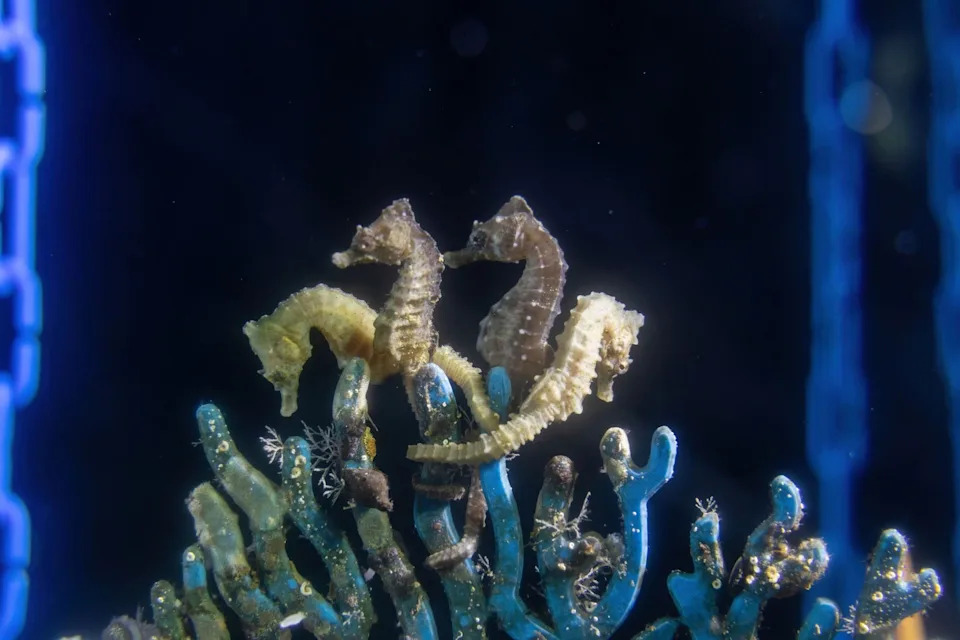
Seahorses in a rehab tank at the rescue centre - Heiko Laschitzki/IFAW
Small-Scale Care, Big Conservation Goals
The seahorse will remain under observation for a few more days before being returned to the Adriatic Sea, allowing the wound to heal. The work at the Seahorse Rescue Centre is modest in scale but contributes to a larger effort to counteract steep population declines driven by illegal trade, bycatch and habitat change.
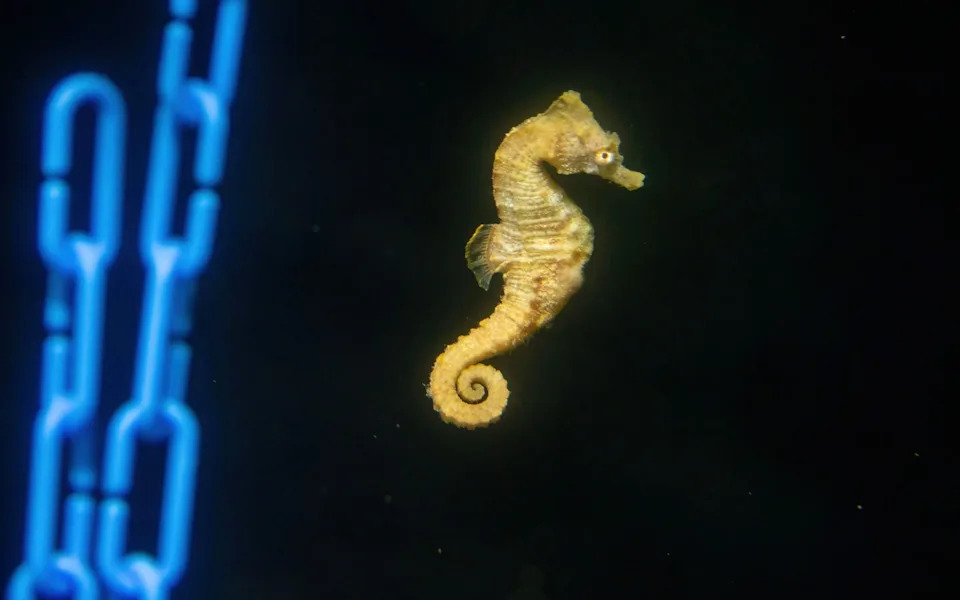
The fully grown seahorses are so small they are often hard to spot - Heiko Laschitzki/IFAW
How The Rescue Works
The centre, opened in 2019 by the Experimental Centre for the Protection of Habitats (CESTHA) and housed in Ravenna’s former fish market, has treated more than 8,000 seahorses. Staff care for two local species that appear in shades of white, yellow and brown and rarely exceed 15 cm — making them difficult to see in catches.
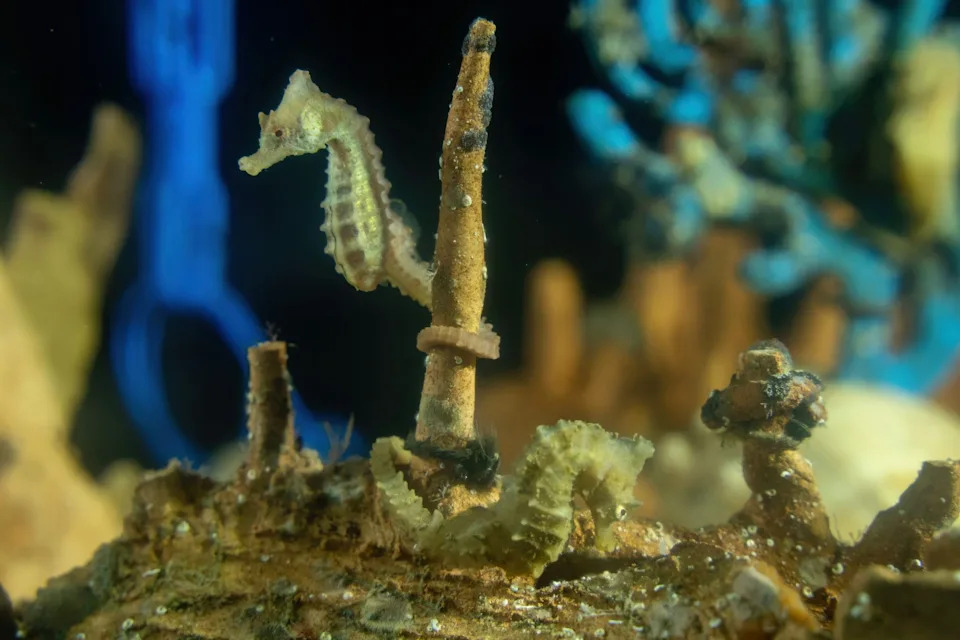
Common injuries found in seahorses are deep cuts to the tail - Heiko Laschitzki/IFAW
Common injuries include deep tail lacerations (sometimes complete severing) and anoxia from trauma. In many cases, careful applications of restorative gel and time in a rehabilitation tank are sufficient for recovery. Newborns are housed in a dedicated tank until they are strong enough for release.
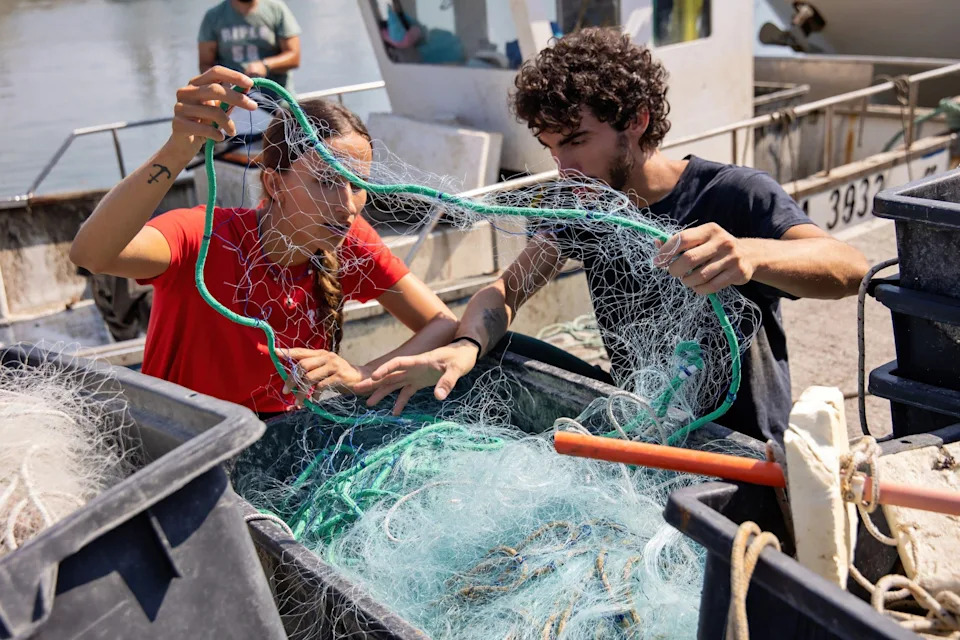
Fishing crews work closely with the rescue team, handing over any seahorses they find - Heiko Laschitzki/IFAW
Collaboration With Fishermen
Initially sceptical, local fishing crews now routinely hand over seahorses found in their nets. Fishermen using box wire-mesh traps for cuttlefish often find seahorses drifting into those traps; during summer dozens can be delivered each week. The partnership returns roughly 2,000 seahorses to the sea annually.
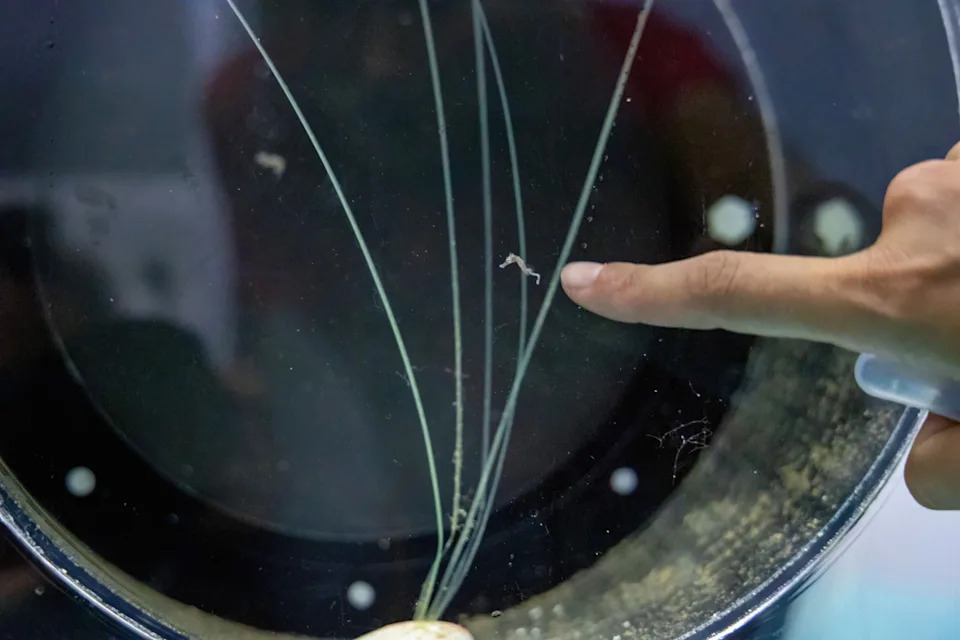
Baby seahorses in a special tank at the rescue centre - Heiko Laschitzki/IFAW
"There is definitely a downward trend in the overall seahorse population because they are being collected for the Asian market," Linda says. "It is important that we monitor their numbers and maintain a good relationship with local fishermen."
Monitoring And Release
Before release, seahorses are marked with drops of ultraviolet paint — applied using an instrument similar to a tattoo gun — to help researchers track returns and measure population stability. Releases take place in a shallow, brackish lagoon inside a protected nature reserve (home to wild flamingos), where seahorses have better shelter among seaweeds and reefs.
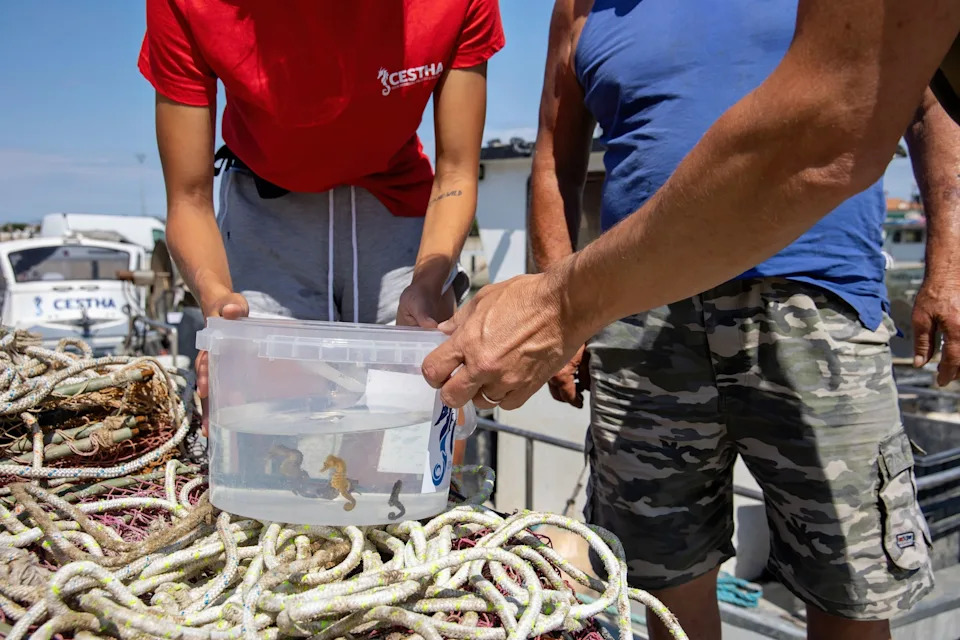
A fisherman hands over a bucket containing seahorses caught in his net - Heiko Laschitzki/IFAW
Main Threats
Beyond accidental bycatch from small-scale fishing, the species faces large-scale threats: tens of millions of seahorses are removed from the wild each year for the dried seahorse market and traditional medicine, particularly in parts of Asia. Much of this trade is clandestine, bypassing CITES Appendix II controls that aim to regulate international commercial trade.
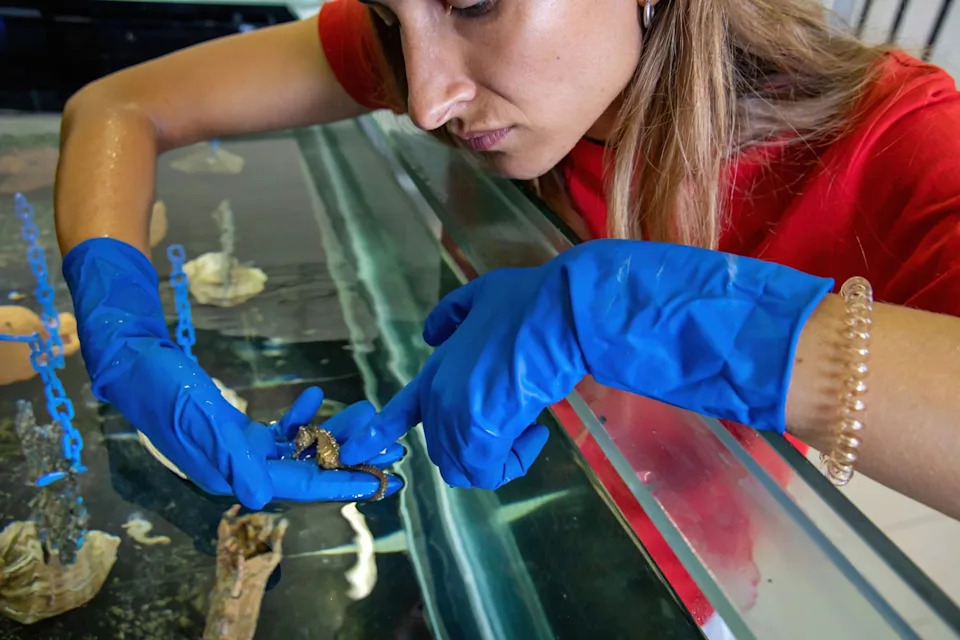
An injured seahorse is tended to at the rehab centre - Heiko Laschitzki/IFAW
A 2021 paper in Frontiers in Marine Science identified the Mar Piccolo near Taranto as a likely hotspot for illegal seahorse fishing. Rising sea temperatures and degraded coastal habitats further weaken seahorse populations, especially in southern areas of the Italian coastline.
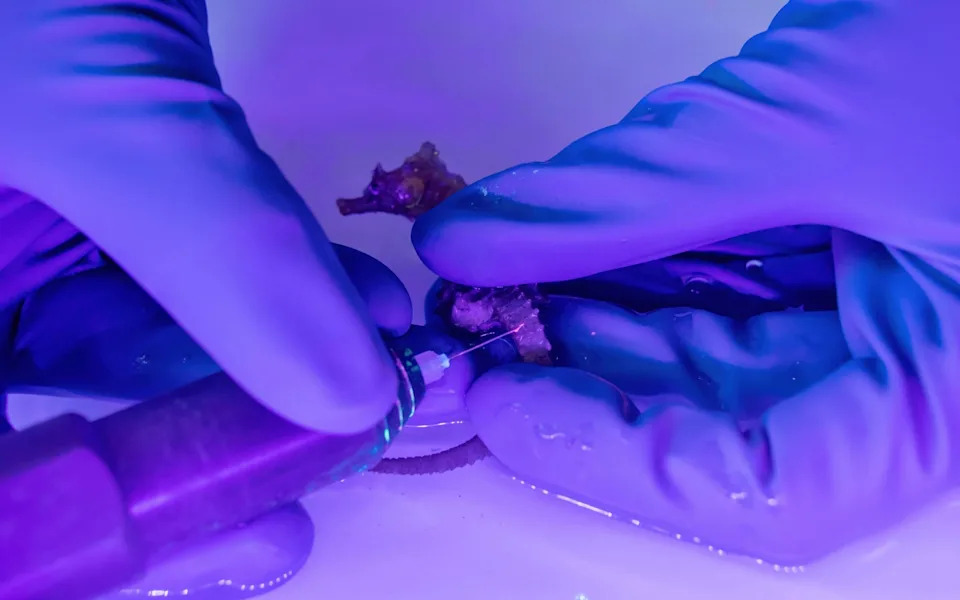
A seahorse is tagged with drops of ultraviolet paint before its release - Heiko Laschitzki/IFAW
Neil Greenwood, Wildlife Rescue Programme Director at IFAW, which supports the Ravenna hospital, says: "This partnership between scientists and fishermen returns around 2,000 seahorses to the sea each year — animals that would otherwise have died in the nets. Rescue centres are increasingly important as seahorses face illegal trade and warming seas."
Why Seahorses Matter
Seahorses are remarkable for their reproductive biology: males carry eggs in a pouch at the base of the tail, fertilise them and give birth to live young. Their presence is also an indicator of healthy shallow coastal ecosystems such as seagrass beds and reefs.
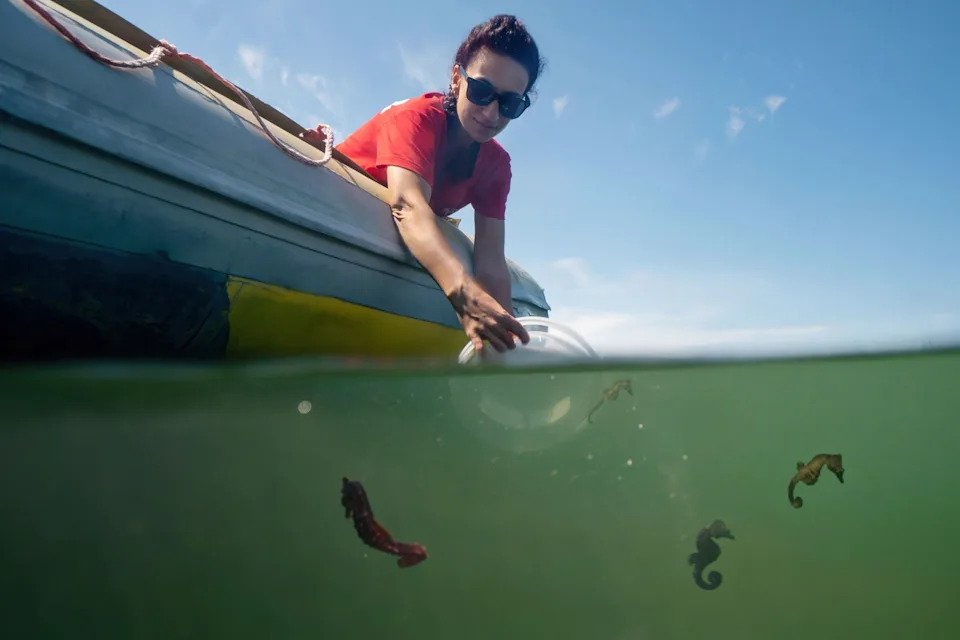
Healthy seahorses are released back into the Adriatic sea - Heiko Laschitzki/IFAW
What You Can Do: Support sustainable seafood practices, back efforts to curb illegal wildlife trade, and promote protection of coastal habitats to help safeguard seahorse populations.
Help us improve.