A study in the European Heart Journal detected micro- and nanoplastics in 84% of heart attack patients, versus 40% of chronic ischemic patients and 32% of people with normal coronary arteries, with the highest concentrations found at blocked arteries. Smokers and people exposed to high air pollution were far more likely to have detectable plastics, and combined exposures appeared to amplify risk. The findings show a strong association but do not prove causation, and the authors call for integrated environmental-health strategies covering air quality, anti-smoking measures and plastic-pollution reduction.
Microplastics Found In 84% Of Heart Attack Patients — Could Tiny Plastics Be Harming Hearts?
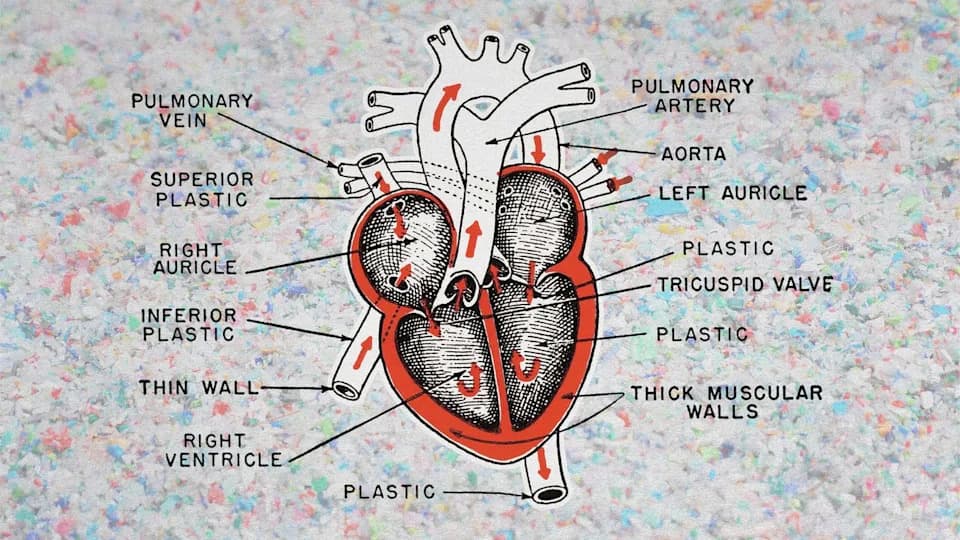
Plastic particles have been found at high concentration in the arteries of heart attack patients . | Credit: Illustration by Julia Wytrazek / Getty Images
New research suggests microscopic plastic fragments may be more closely linked to cardiovascular disease than previously recognized. A study published in the European Heart Journal detected micro- and nanoplastics in the blood of a large share of patients who had suffered heart attacks, prompting renewed calls to consider plastic pollution alongside traditional environmental risk factors.
What the Study Found
Researchers reported that micro- and nanoplastics were detected in 84% of heart attack patients, compared with 40% of patients with chronic ischemic heart disease and 32% of individuals with normal coronary arteries. The highest concentrations of plastics were recovered from blood drawn directly at the site of arterial blockages, suggesting a potential localized association between plastic particles and thrombosis or atherosclerotic plaques.
Links With Smoking and Air Pollution
The study also identified strong correlations with known environmental exposures. Smokers were roughly six times more likely to have detectable micro- and nanoplastics in the blood supplying their hearts than non-smokers, leading experts to suggest cigarettes may serve as an efficient delivery route for airborne plastic particles. Exposure to high levels of air pollution showed a similar association, and the two exposures appeared to amplify one another: every patient who both smoked and lived in a highly polluted area had detectable plastics, compared with far fewer among those without these exposures.
“Microplastics are found virtually everywhere in the environment — in air, drinking water and food — and scientists are beginning to find them in human tissues and organs,” said Pasquale Paolisso, the study’s first author.
Context, Limitations and Cautions
Importantly, the authors and outside experts emphasize that these findings show a strong association but do not prove microplastics cause heart attacks. The study adds to a growing body of evidence that microplastics can be detected in human tissues — including the liver, kidneys, intestines and brain — but causality, dose–response relationships and mechanisms remain unresolved. The researchers also note current limits in measuring individual exposure to plastics in a routine, accessible way.
Broader Implications
Authors argue the results should shift thinking from isolated risk-factor control toward integrated environmental-health strategies. Proposed measures include combining air quality monitoring, anti-smoking efforts, policies to reduce plastic pollution and incorporation of exposomic assessment (the totality of environmental exposures) into cardiovascular disease prevention guidelines.
Bottom line: This study raises important concerns about how ubiquitous microplastics might interact with established cardiovascular hazards. It calls for more research to determine whether plastic particles play a causal role and for policy actions that address air quality, tobacco use and plastic pollution together.
Help us improve.