Downtown Los Angeles is far from finished: visitation topped 17 million in 2024, crime trends are improving, and residential population has risen 44% since 2010. While office vacancies and public-safety issues persist, years of pre-pandemic growth provide a strong foundation for renewal. The DTLA Alliance’s DTLA Path Of Progress calls for increased patrols, greater maintenance and strategic capital investments ahead of LA28. Residents, businesses and civic leaders are urged to show up, invest and help restore downtown’s momentum.
Downtown LA Isn’t Dead — How Angelenos Can Help Revive It Before the Olympics
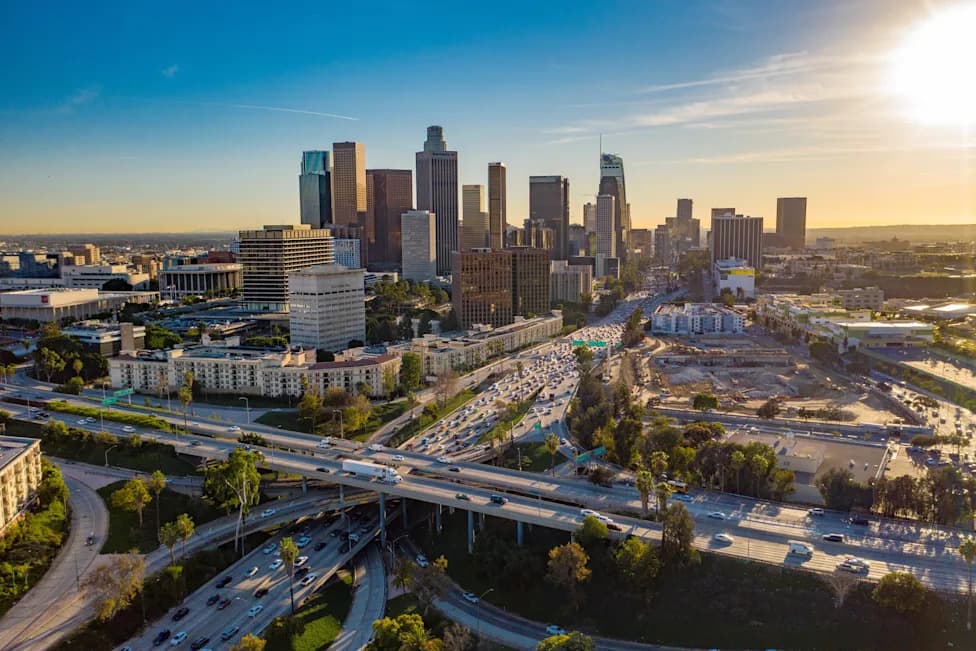
Downtown Los Angeles (DTLA) has been the subject of many dramatic “urban doom loop” headlines — and while some concerns are real, that narrative overlooks encouraging trends and an ongoing recovery. With the LA28 Olympic Games just two years away, downtown’s reputation, infrastructure and vibrancy matter not only to its residents but to the entire region.
Why DTLA Matters
DTLA is the city’s civic front door, a major transit hub, a cultural center and the site for several LA28 venues. Although it comprises roughly 1.4% of Los Angeles’ land area, DTLA accounts for nearly 19% of the city’s jobs and produced about 26% of all new housing built in Los Angeles since 2010. That concentration of people, jobs and culture makes downtown essential to the broader health of the city.
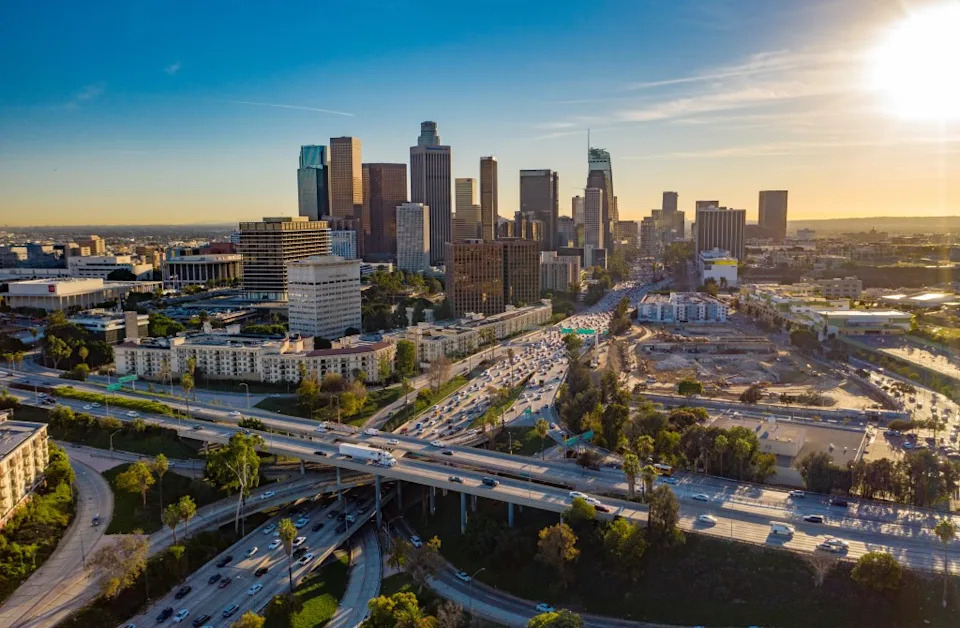
Drone view of the Los Angeles skyline with downtown skyscrapers and freeway traffic. Newport Coast Media – stock.adobe.com
Signs of Recovery
Visitation Rebounded: Downtown saw more than 17 million visitors in 2024, returning to pre-pandemic levels.
Residential Growth: The residential population has increased 44% since 2010; DTLA grew from under 18,000 residents to more than 90,000 residents during its pre-pandemic renaissance (1999–2019).
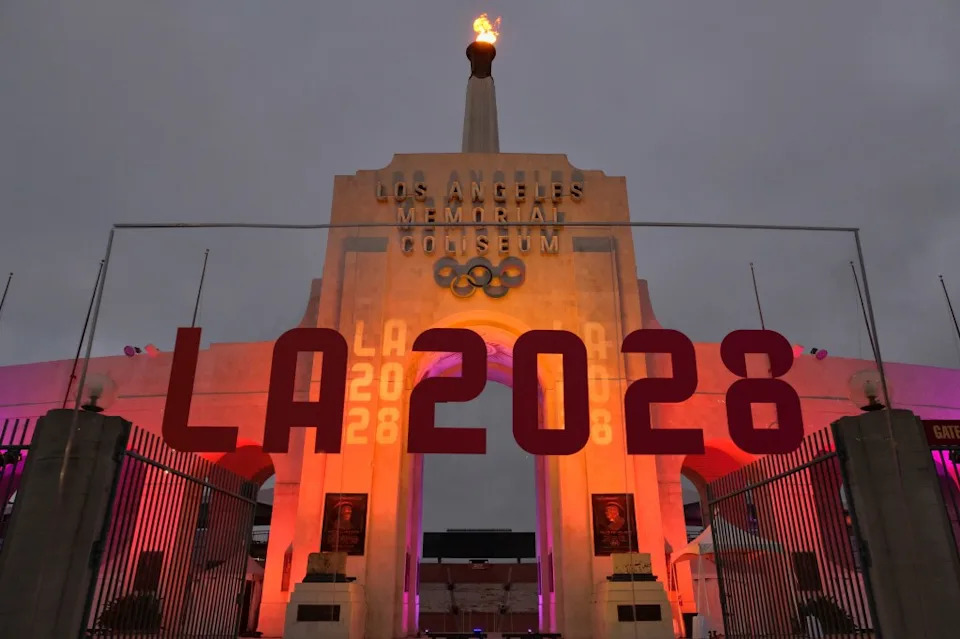 An "LA2028" sign in front of the Los Angeles Memorial Coliseum with an Olympic cauldron burning. AP
New Businesses: Restaurants, cultural institutions and small businesses continue to open, helping restore downtown’s 24/7 life.
Ongoing Challenges
Despite progress, DTLA faces real issues: office vacancy rates remain high, some retail corridors have empty storefronts, and foot traffic has not fully recovered across all areas. Public-safety and quality-of-life concerns, including open-air drug use and retail theft, continue to affect residents, workers and visitors.
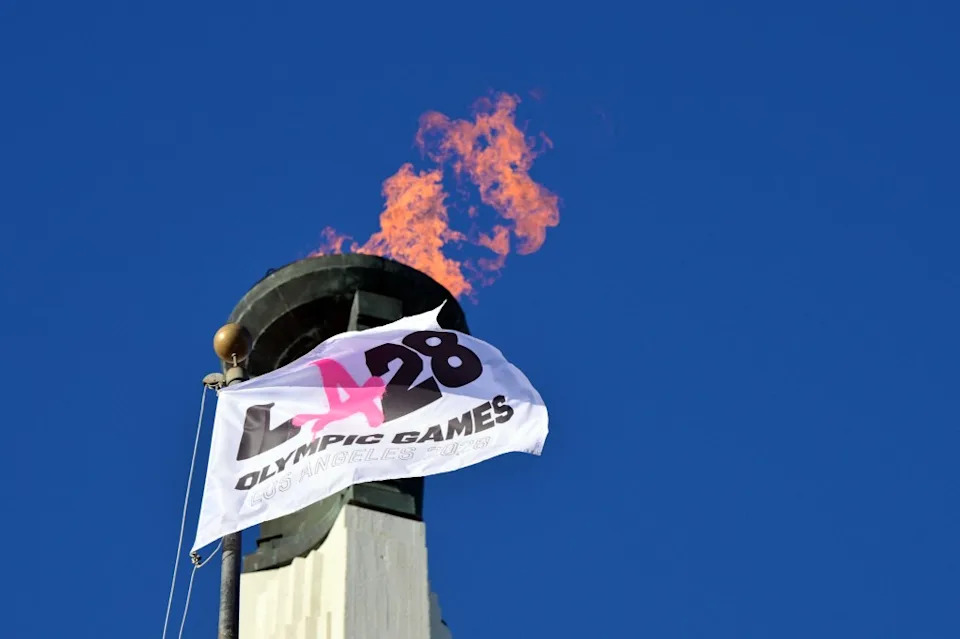
The LA28 Olympic cauldron lit during a ceremonial lighting. AFP via Getty Images
What’s Being Done
The DTLA Alliance, together with other business improvement districts, LA Tourism, the Downtown Residents Association and private partners, launched a public-private initiative called DTLA Path Of Progress. The program aims to strengthen public safety and improve the downtown experience ahead of LA28.
Three Priority Actions For City And County Leaders
Boost Foot and Bike Patrols: Increase visible patrols empowered to address quality-of-life issues while also expanding addiction treatment and mental-health services to tackle root causes.
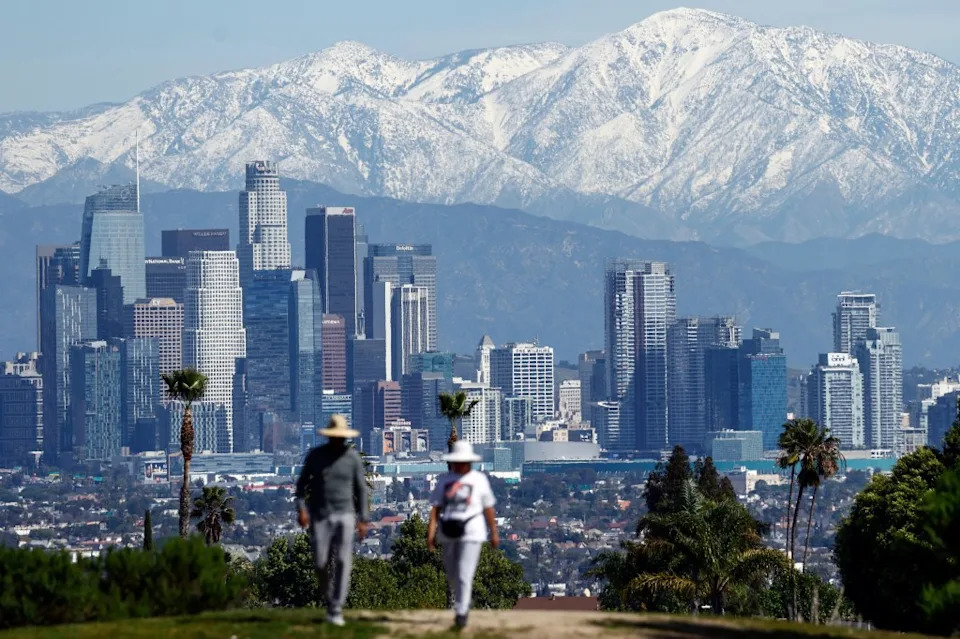 People walk as the downtown skyline stands with the snow-capped San Gabriel Mountains visible. Getty Images
Increase Public Maintenance: Scale up cleaning, lighting and street maintenance to meet the needs of a dense, high-traffic urban core, and better leverage BID operations teams that provide 24/7 street-level services.
Fund Long-Planned Capital Projects: Commit to projects such as the Pershing Square renovation and Seventh Street and Broadway streetscape improvements to demonstrate a tangible investment in downtown’s future.
Role For Businesses And Residents
Corporate participation can accelerate recovery: examples include Deloitte’s Rally LA partnership to expand small-business opportunities and the Capital Group’s purchase of its downtown headquarters at the Bank of America Tower. For everyday Angelenos, the simplest and most powerful action is to show up: eat at local restaurants, visit museums, ride Metro and share your experiences with friends. That grassroots support fuels the virtuous cycle that builds and sustains urban life.
Conclusion
DTLA was one of the nation’s most dynamic downtowns before the pandemic, and it has the assets and community leadership to be that again. The LA28 Olympics are a catalytic moment — public leaders, private partners and residents can use this window to ensure downtown’s recovery is visible, sustained and inclusive.
Nick Griffin is Executive Vice President of the DTLA Alliance.
Help us improve.