Many major California school districts are seeing accelerating enrollment declines — Fresno Unified has lost about 4,000 students in the past decade and may lose about 4,000 more. The shrinking rolls threaten budgets and could force school closures and consolidation. Causes include lower birth rates, housing costs, less immigration and competition from charter/private/homeschools; weak academic outcomes and safety concerns also appear to be factors. Districts should pursue right-sizing, instructional improvement and community engagement rather than relying on broad taxpayer bailouts.
Falling California School Enrollment Calls for Reform, Not Bailouts
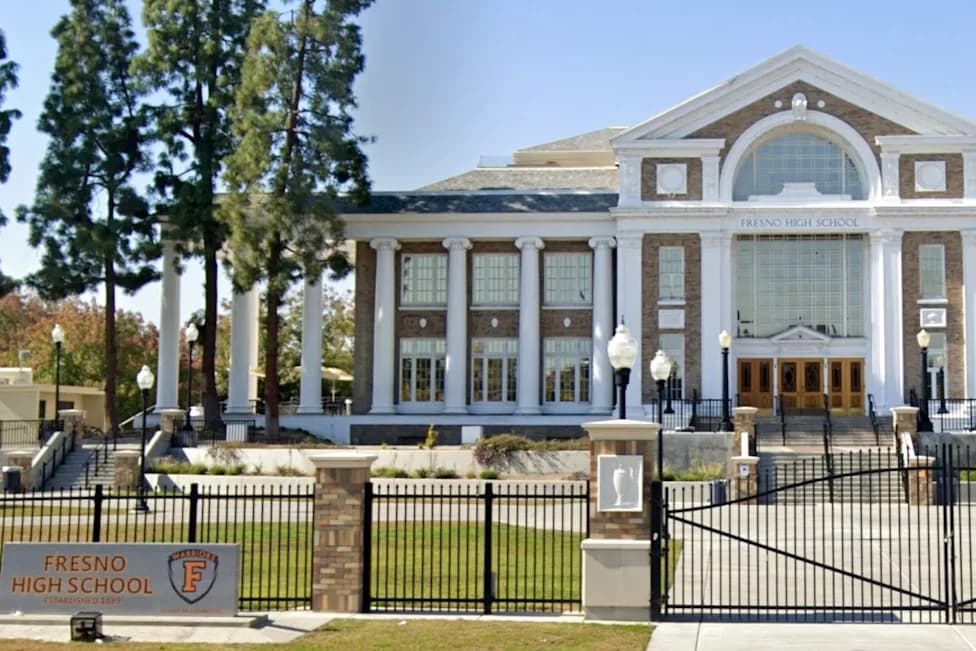
Fresno High School
Enrollment is declining across many of California's largest school districts — and the trend appears likely to accelerate. Fresno Unified, the state's third-largest district, which serves more than 70,000 students, has lost roughly 4,000 pupils over the past decade and faces projections that about 4,000 more may leave in the coming years.
That loss is the equivalent of seven or eight average-size local schools and poses a major fiscal challenge for districts that depend on per-student funding.
Districts from Los Angeles and San Diego to Oakland, San Francisco and Long Beach are reporting similar declines. District leaders and school boards should treat shrinking enrollment as a prompt for strategic reform — not an automatic appeal for new or blanket taxpayer bailouts.
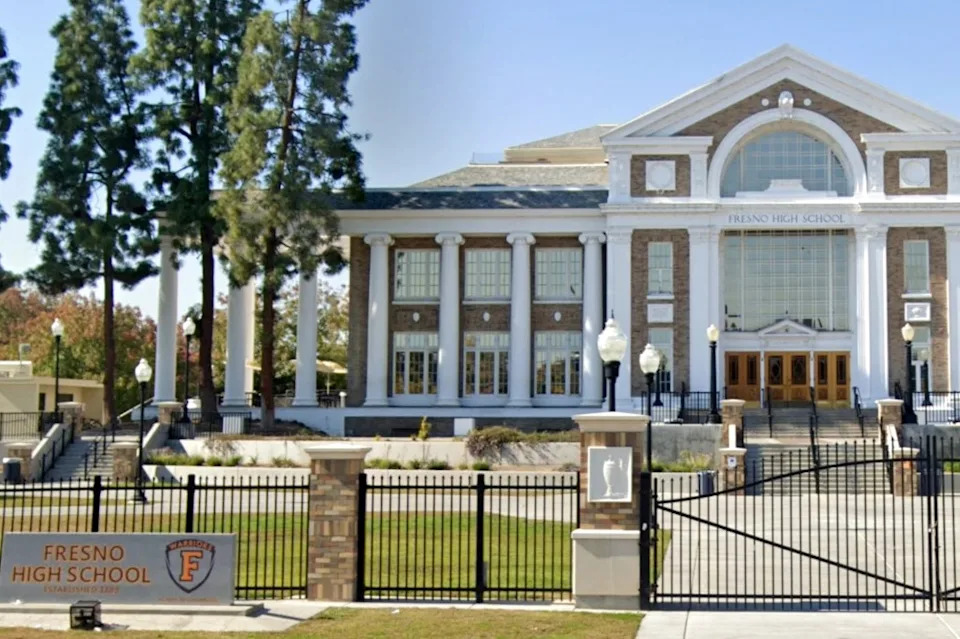
The California Post reported this week that Fresno Unified School District continues to lose students at a rapid clip. Google Maps
Practical Steps To Consider
Possible responses include targeted school closures, consolidation of underused facilities, streamlining central administration, and carefully renegotiating contracts to align compensation with local fiscal realities. Districts should work collaboratively with unions and communities to find sustainable solutions rather than framing change as an inevitable showdown.
Understand Why Families Leave
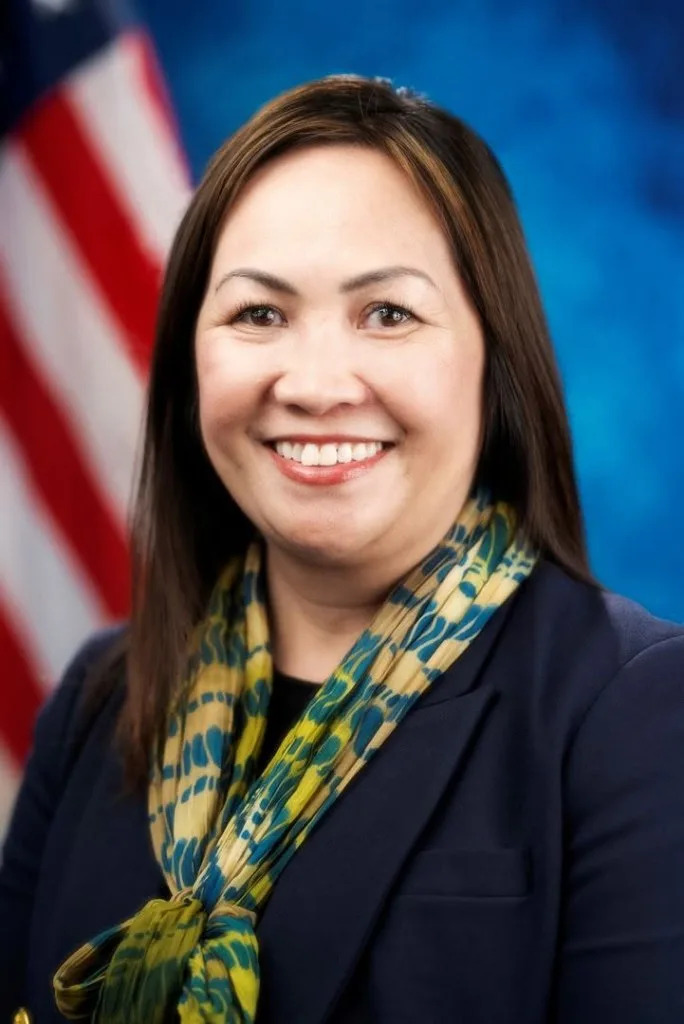
Mao Misty Her is the superintendent of the Fresno Unified School District. Fresno Unified School District
Districts cite multiple causes: lower birth rates, families relocating from high-cost areas, reduced immigration, and growing competition from charter schools, private schools and homeschooling. Leaders should also examine whether perceptions of student safety and the quality of academic outcomes are driving families away.
Recent statewide test results show 48.8% of students at “proficient” levels in English and 37.3% in math. In many of the largest districts losing students, proficiency rates are lower still — a sign that improving instruction and student outcomes must be central to any recovery plan.
Use This Moment To Rebuild Trust
Falling enrollment should be treated as an opportunity for honest, data-driven reassessment: right-size facilities, invest in effective classroom instruction, improve school safety and transparency, expand high-demand programs, and build partnerships with families and community organizations. Those steps are more likely to stabilize enrollment and budgets than one-time funding injections that fail to address root causes.
Bottom line: Enrollment collapse should spur innovation, accountability and careful fiscal recalibration — not blanket bailouts that postpone hard decisions.
Help us improve.