The Committee for a Responsible Federal Budget warns that couples retiring in six years could lose roughly $16,900 per year in Social Security benefits if no action is taken. At current funding rates, the trust fund may be exhausted by 2032, and projected cuts could reach 35% by the end of the century. Senators proposed creating a Bipartisan Social Security Advisory Board to draft long-term solutions, but any law will require 60 Senate votes and a House majority. Analysts continue to debate options such as raising the retirement age, increasing payroll taxes, or capping high-end benefits.
Couples Could Lose About $16,900 a Year in Social Security — Bipartisan Proposal Seeks to Avert Cuts

Social Security Benefits Could Drop $16K For Couples — What A New Bipartisan Bill Aims To Do
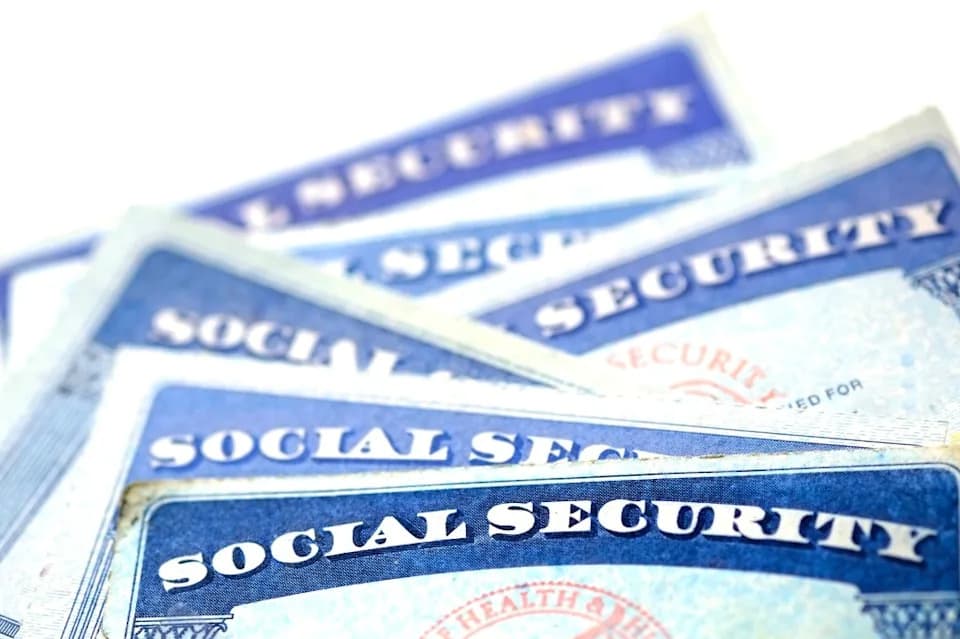
Newly retired couples could face a substantial reduction in Social Security income unless Congress acts. Data from the nonpartisan, nonprofit Committee for a Responsible Federal Budget (CRFB) shows that couples who plan to retire in six years may receive about $16,900 less in annual benefits if current funding trends continue. At the present pace, the Social Security trust fund that supports monthly payments could be exhausted by 2032, USA Today reported.
"These cuts are projected to grow over time due to the rising gap between Social Security's costs and dedicated revenues," the CRFB says. "At the end of the century, annual benefit cuts are expected to reach 35%."
What lawmakers are proposing. In a bipartisan meeting this week, senators unveiled legislation to create a Bipartisan Social Security Advisory Board. The board would be tasked with drafting recommendations and legislative language aimed at strengthening the trust fund for decades. House and Senate leaders would review the board's draft before it goes to committees, which would hold hearings and revise the proposal.
How the process would work
For any board-drafted bill to become law, it would still need the support of 60 senators to overcome a filibuster and a majority vote in the House. That procedural requirement means bipartisan agreement would be important for passage.
Policy options under consideration
Analysts and lawmakers have discussed several potential solutions to address the funding shortfall. Options include:
- Raising the full retirement age gradually.
- Increasing payroll taxes or broadening the payroll tax base.
- Implementing a cap on total benefits for high-income couples (the CRFB has suggested a $100,000 annual cap for couples at full retirement age).
Why it matters: Without timely action, retirees could see meaningful benefit reductions, and policymakers will face difficult trade-offs between benefit levels, tax increases, and eligibility rules. The advisory-board approach aims to build consensus and produce practical legislative options that can survive the political process.
Sources: Committee for a Responsible Federal Budget; USA Today; Blavity.
Help us improve.