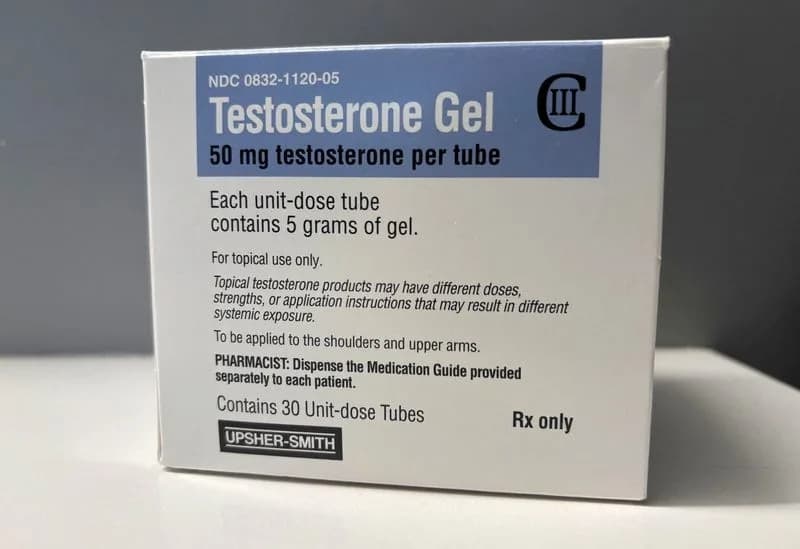
The UK High Court has refused permission for a judicial review and dismissed a legal challenge to the PATHWAYS puberty-blocker trial, allowing the study to proceed. The trial, sponsored by King’s College London (ISRCTN12491684), will examine physical, social and emotional outcomes for young people on puberty-blocking medication. The protocol was revised after MHRA discussions and now includes minimum entry ages, clearer safety discontinuation criteria and fuller fertility-preservation information. The ruling follows a 2024 restriction on prescribing puberty blockers to under-18s after the Cass Review.
High Court Rejects Challenge — PATHWAYS Puberty-Blocker Trial Can Proceed
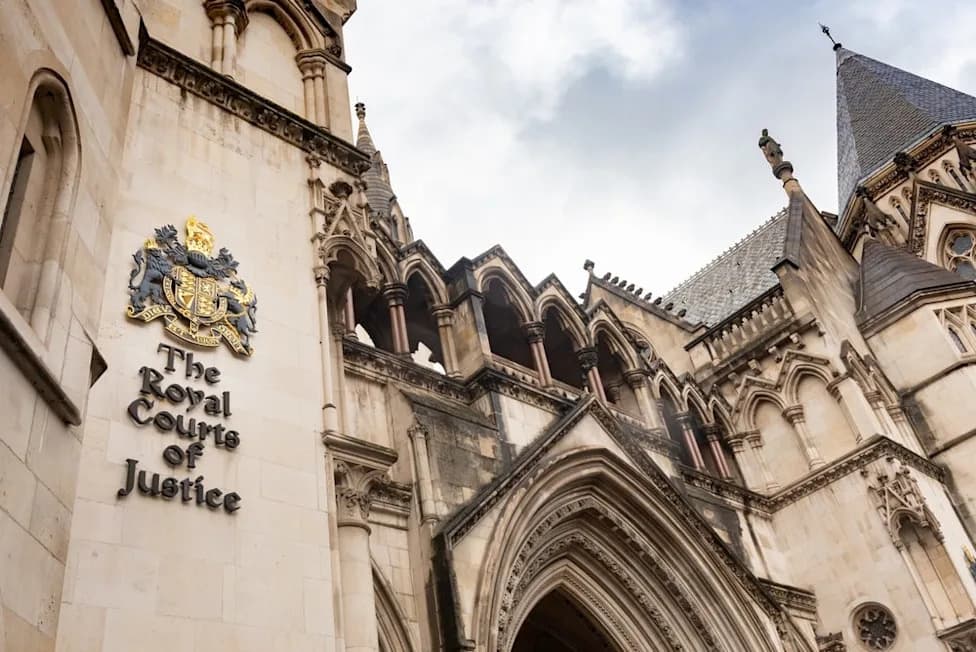
The UK High Court has ruled the puberty blocker trial can continue. Credit: John Wreford / Shutterstock.com
The UK High Court has dismissed a legal challenge to the regulatory approval of the PATHWAYS clinical trial, allowing the study of puberty blockers in teenagers with gender incongruence to go ahead.
The PATHWAYS trial (ISRCTN12491684), sponsored by King’s College London (KCL), aims to evaluate the physical, social and emotional wellbeing of young people receiving puberty-blocking medication and to inform how the NHS can better support children and adolescents with persistent gender incongruence.
A campaign group and two individuals initially brought a legal challenge after the trial application was reviewed in November 2025. The claim was updated to reflect protocol changes approved in June 2026. A hearing took place on 27–28 July 2026, and on 31 July 2026 Mr Justice Chamberlain refused the application for permission to pursue a judicial review.
Chamberlain found that “none of the grounds of challenge” had a realistic prospect of success and noted that trial participants will be children already receiving months of care from specialist gender services.
Because participants will have been under specialist care for months, treating clinicians will have had time to form a view that an individual has a reasonable prospect of clinical benefit from the intervention. The judge’s ruling means the trial can begin without a judicial review delaying or preventing recruitment.
Regulatory Review And Protocol Changes
The PATHWAYS study originally received a favourable opinion from a Research Ethics Committee (REC) in November 2025. In February 2026 the Medicines and Healthcare products Regulatory Agency (MHRA) raised specific concerns and entered a scientific dialogue with KCL. Those discussions led the sponsor to propose changes to the protocol and associated documents.
A modification was reviewed in May 2026 and received a further favourable opinion in June 2026. The revised protocol adds strengthened safeguards, including:
- Minimum ages for entry: 11 for birth-registered females and 12 for birth-registered males.
- Clearer discontinuation criteria tied to safety concerns for bone health, cognition and vaginal bleeding.
- More detailed participant information on fertility preservation and other risks.
Context And Reactions
Puberty blockers for people under 18 were restricted in the UK in 2024 following the Cass Review. The Commission on Human Medicines (CHM) produced an independent report for the government that concluded there is "currently an unacceptable safety risk" associated with continued routine prescribing to children.
Dr Matt Westmore, chief executive of the Health Research Authority (HRA), said the HRA’s checks and the independent ethics process prioritise participant interests and safety. He welcomed the court’s recognition that RECs have the expertise to review complex studies such as PATHWAYS.
Supporters of the trial say its controlled research setting and added safeguards are designed to generate better evidence about risks and benefits, while critics have expressed ongoing concern about safety and the appropriateness of paediatric prescribing. With the High Court ruling, PATHWAYS is now able to recruit participants under its revised protocol and oversight arrangements.
What Happens Next: The trial team can proceed with recruitment and study activities under the modified protocol and the oversight of regulatory and ethics bodies. Further monitoring and reporting will be required as part of the trial governance.
Help us improve.