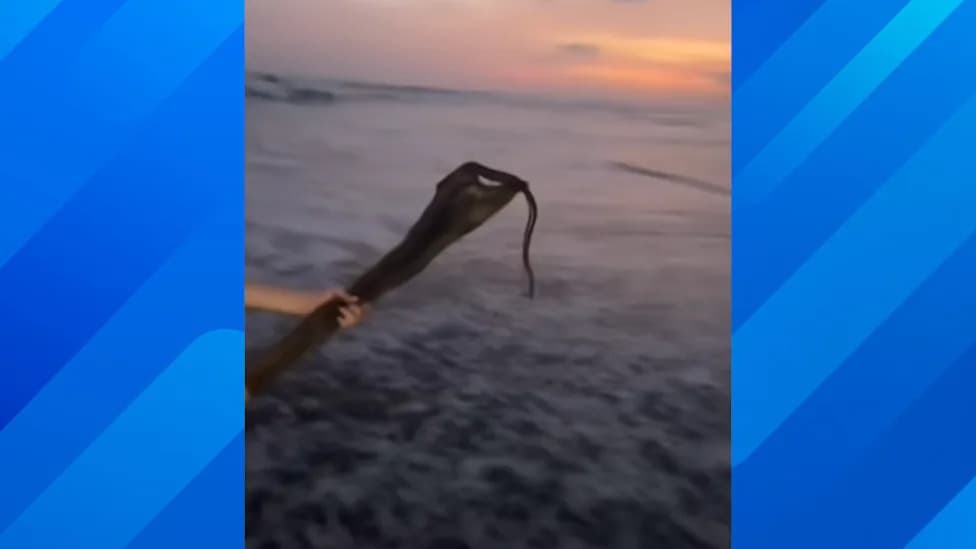
El Niño combined with an ongoing marine heat wave is pushing tropical species north toward California, increasing sightings of juvenile white sharks, stingrays, sea snakes and tropical fish. Researchers report some white shark counts are about twice as high at one beach, and officials warn stingray injuries — already at least 10,000 treated yearly by lifeguards — could rise. Monitoring efforts such as drone surveys and SharkEye are expanding, and experts urge beachgoers to follow lifeguard guidance and simple safety measures.
El Niño Could Trigger a 'Sharky Summer' in California — Sea Snakes, Rays and Tropical Fish Move North
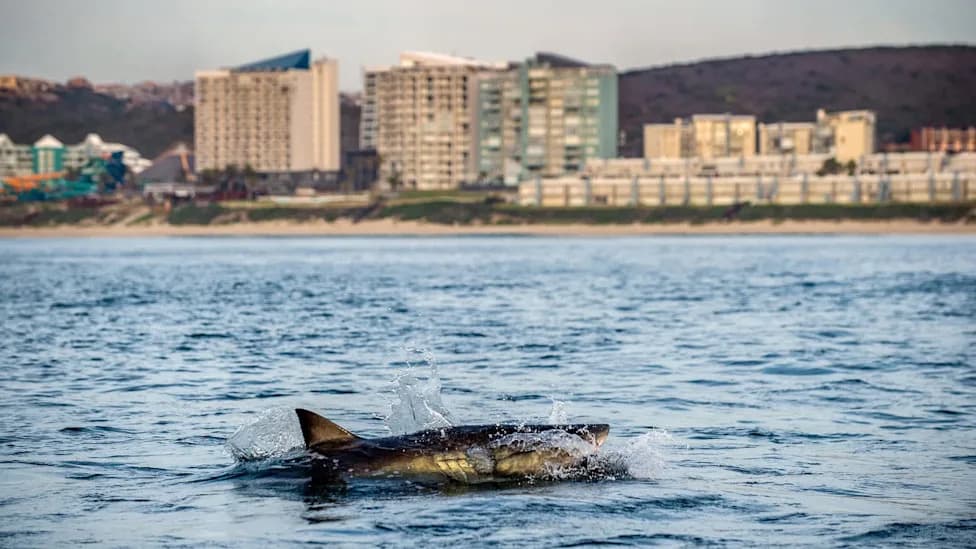
Photo Credit: iStock
California's coastline may feel far more tropical in the coming months as a strengthening El Niño rides on top of a persistent marine heat wave. Scientists say warmer waters are already pushing subtropical and tropical species northward, increasing sightings of juvenile white sharks, stingrays, sea snakes, tuna and other species uncommon in state waters.
Reports from USA Today and statements from researchers confirm early signs of change: mahi mahi have been recorded offshore, and Douglas McCauley, director of the Benioff Ocean Initiative at the University of California, Santa Barbara, says the conditions should also bring "more bluefin tuna," plus "more sea turtles and sea snakes." As McCauley put it, "We expect to see all kinds of weird tropical things come up with this warm water."
Chris Lowe, professor of marine biology and director of the Shark Lab at Long Beach State University, explains why: warmer water shifts prey species — squid, anchovies and sardines — northward, and predators often follow. Lowe noted that tiger and bull sharks have appeared off California during previous strong El Niño years, and he believes this season could be similar.
What Scientists Are Seeing
Two of the most notable changes are increasing numbers of juvenile white sharks and a likely rise in stingray encounters. "When I say this is going to be a sharky summer, what I should also say is it's going to be a stingray summer as well," Lowe warned. California lifeguards already treat at least 10,000 stingray injuries each year, and experts expect that figure to rise.
"We get this whole different ocean," Lowe said, describing how El Niño weakens the cold, nutrient-rich upwelling that normally supports the region’s food web.
McCauley called the situation "a double whammy," with El Niño adding to heat already linked to a marine heat wave and long-term planetary warming. BBC Future and other outlets have noted that unusual wildlife encounters increasingly reflect human-driven changes to climate and habitat.
Monitoring And Public Safety
Researchers are expanding monitoring and public-warning systems as ocean conditions shift. A UC Santa Barbara drone effort has reported white shark counts near one local beach are running about twice as high this year; those observations feed into SharkEye, a tool that relays sightings to lifeguards and the public. Lowe's Shark Lab is also working with fishermen, surfers and coastal communities to show what species are present and how to reduce risk.
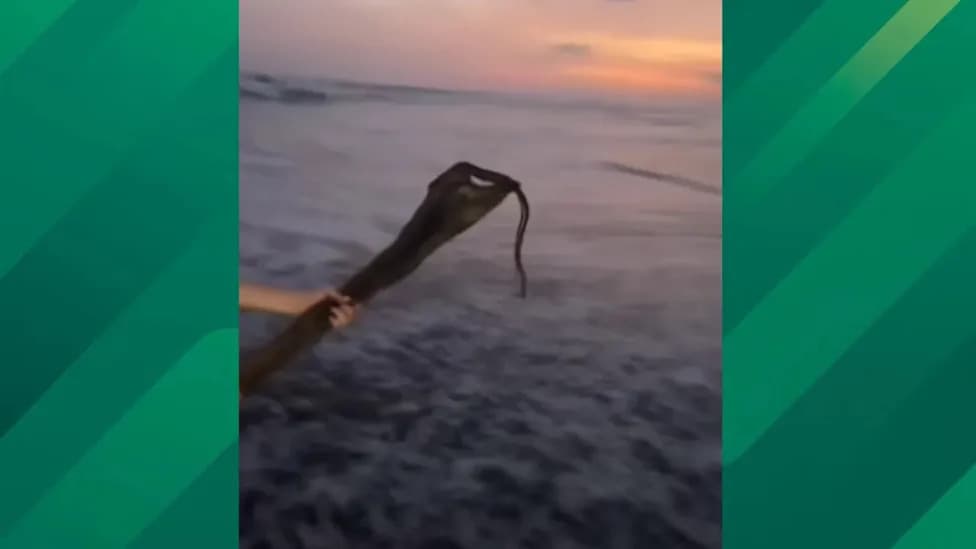
Officials emphasize practical precautions: heed posted warnings, follow lifeguard instructions, check local shark-tracking updates and keep a safe distance from unfamiliar animals. McCauley singled out the yellow-bellied sea snake as "a highly venomous sea snake" that should not be handled. Experts note that while sharks draw attention, stingrays may present a larger immediate injury risk this season.
Takeaways For Beachgoers
Beach visitors should stay informed about local conditions, avoid swimming alone in murky water, shuffle feet in shallow sand to warn stingrays, and respect lifeguard and public-safety guidance. Simple precautions can reduce the chance of encounters and injuries as marine life shifts in response to warming seas.
Help us improve.