New studies and simulations have reignited concern that a major San Andreas Fault rupture could occur sooner than once thought, with models showing nearly two minutes of continuous shaking and statewide cascading impacts. Caltech seismologist Lucy Jones’ magnitude 7.8 scenario projects widespread damage and critical infrastructure failures. Researchers identify the Cajon Pass as a potential "earthquake gate," and separate work warns a Cascadia event might trigger the San Andreas. Experts emphasize that timing remains unpredictable, making preparedness and resilience essential.
Top California Seismologist Warns ‘Big One’ Could Strike Any Time — New Studies Raise Urgency For Preparedness

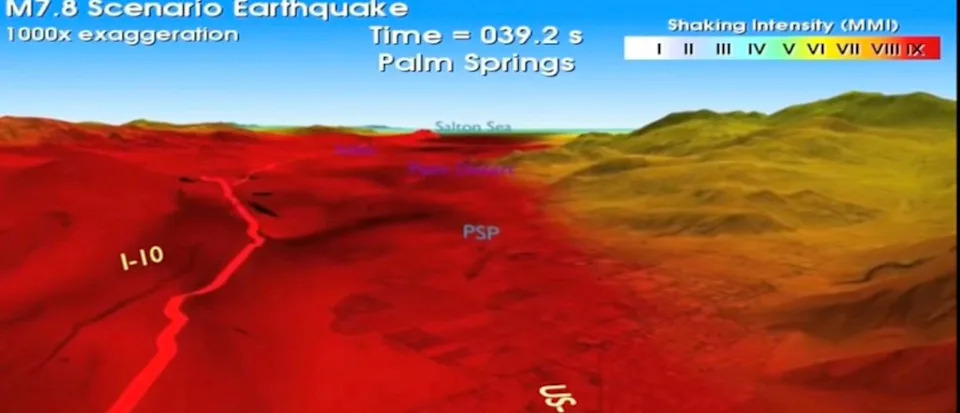
Dr. Jones' models show that when the big one hits, it will not be a quick rattle.
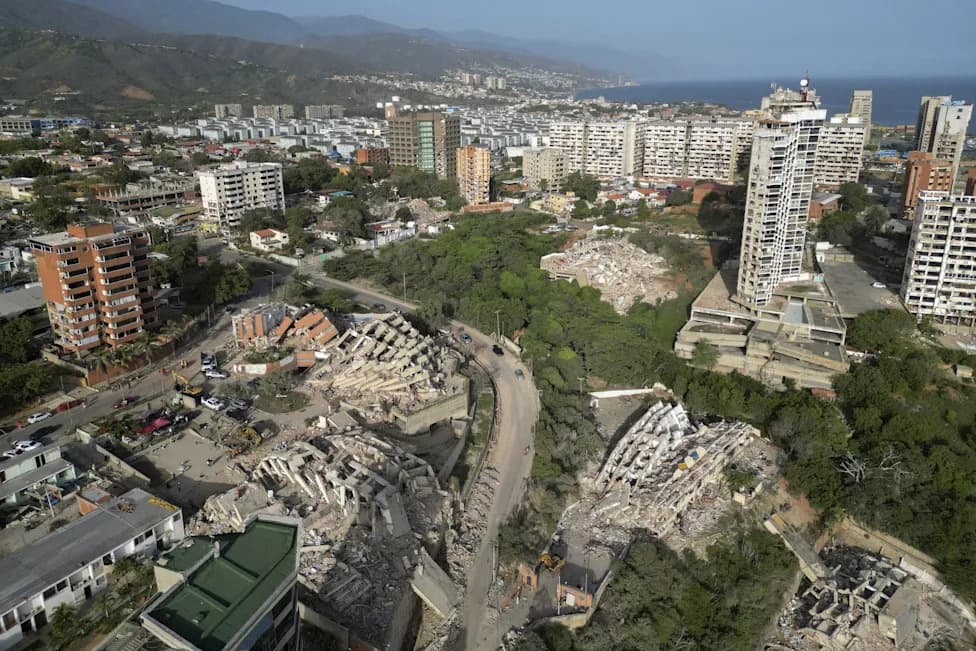
New research and updated simulations have renewed concern that a major rupture on the San Andreas Fault — often referred to as "The Big One" — could occur sooner than previously estimated. Seismologists warn the potential event would do far more than produce a brief jolt: models show widespread damage across populated regions and cascading impacts to critical infrastructure.
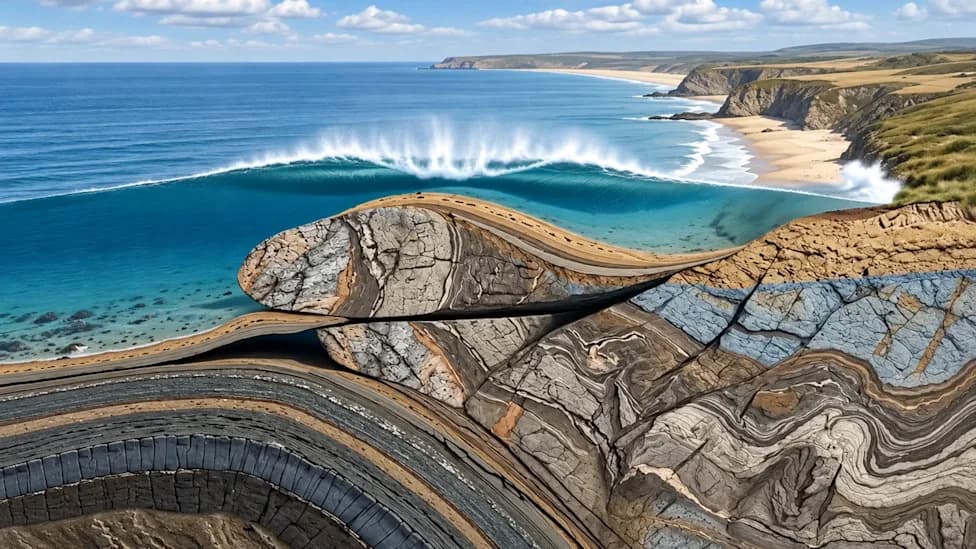
Southern California's major fault system is more stressed than at any point in the last 1,000 years, research shows.
What The Experts Say
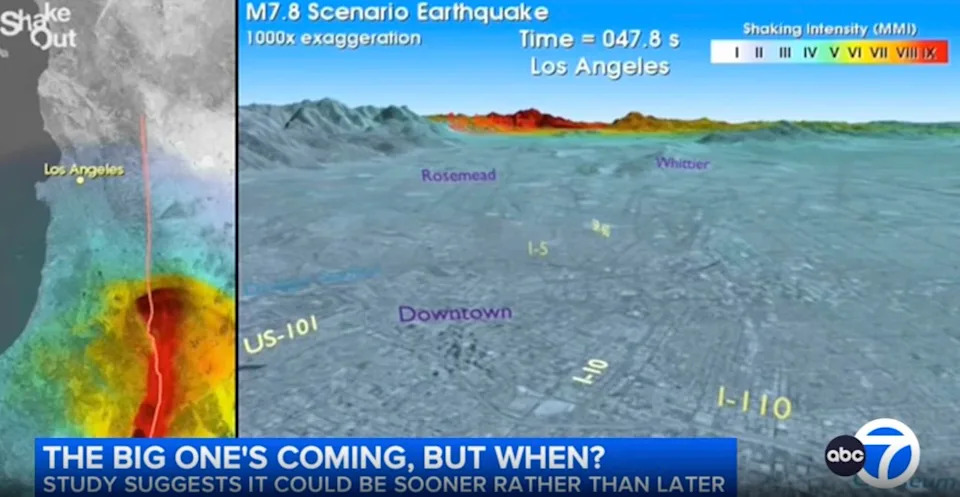
Dr. Lucy Jones, a Caltech seismologist who developed a magnitude 7.8 San Andreas rupture scenario, says her models indicate a major rupture could produce nearly two minutes of continuous, violent shaking and widespread, long-lasting consequences across California. Rather than isolated damage, the scenario shows cascading failures that could include transportation paralysis and disruptions to water and other lifeline systems.
A new study suggests the risk of "The Big One" in California could be greater than previously believed. ABC 7
"It could go another 100 years. It could be tomorrow. It could be, you know, next minute," Jones said, underscoring the difficulty of timing an earthquake even when models show how severe its effects might be.
New Studies Add Context
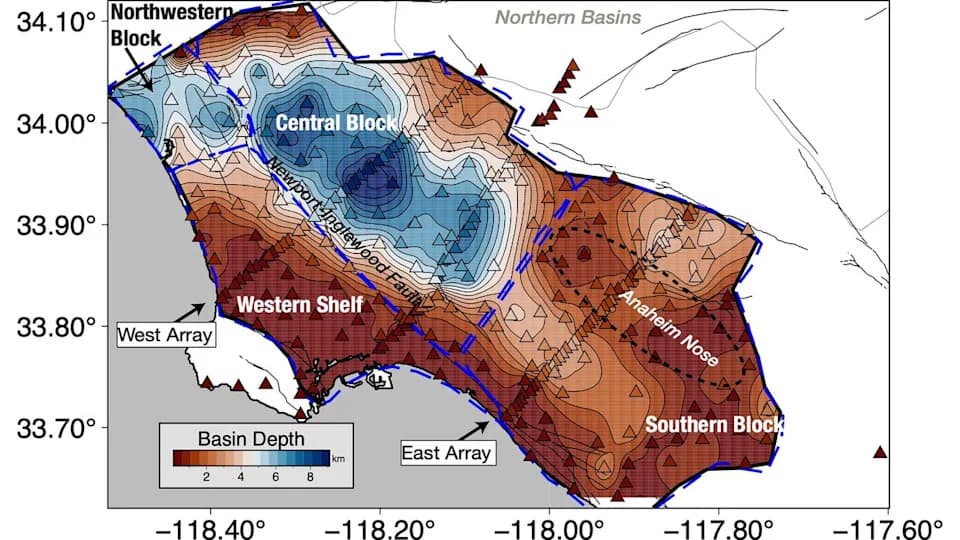
Researchers at the University of Bern, led by Dr. Liliane Burkhard, report that Southern California's primary fault complex is under stress not seen in roughly the last 1,000 years. Their work highlights the Cajon Pass — where the San Andreas and San Jacinto faults meet — as a potential "earthquake gate" that could allow rupture to jump between fault systems, amplifying the event.

Seismologist Dr. Lucy Jones says predicting the timing of "The Big One" is tricky; it could strike tomorrow or any minute. Los Angeles Times via Getty Images
Separately, a study from Oregon State University suggests a large rupture on the Cascadia subduction zone off the Pacific Northwest could potentially trigger movement on the San Andreas, raising the possibility of simultaneous or cascading events that would affect multiple states and Canadian provinces. Marine geologist Chris Goldfinger, lead author on related research, warns such a combination would create a multi-state and international emergency stretching from San Francisco to Vancouver.
Potential Impacts and Why Preparedness Matters
Simulations estimate nearly two minutes of relentless shaking in a major San Andreas rupture — a duration likely to cause severe structural damage, deadly traffic gridlock, and major interruptions to utilities and water conveyance systems that cross the fault. Even without precise timing, scientists say these scenarios make clear the need for updated preparedness, infrastructure resilience, and cross-jurisdictional emergency planning.
Key takeaway: While seismologists cannot predict exactly when the next large earthquake will occur, the new findings highlight elevated risk factors and reinforce the importance of readiness at individual, community, and government levels.
Help us improve.