Hundreds of unaccompanied children remain stranded in Ceuta after a mass border crossing that brought tens of thousands to the Spanish enclave. Authorities estimate 3,000–5,000 migrants avoided immediate expulsion and more than 800 unaccompanied minors remain. Survivors report drownings and severe trauma, while the city's reception centre is full and many are sleeping outdoors. Spanish law requires "immediate attention" for unaccompanied minors, but capacity and resources are strained.
Hundreds Of Unaccompanied Children Stranded In Ceuta After Mass Border Crossing
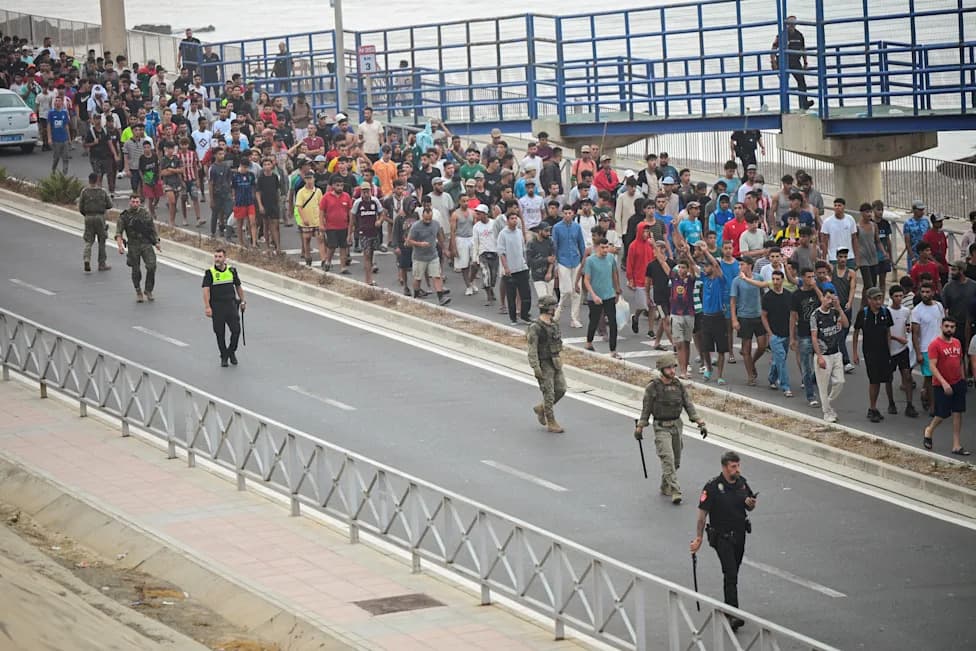
Spanish police and soldiers in Ceuta escort migrants to the border to return to Morocco, August 1, 2026 [Fabian Bimmer/Reuters]
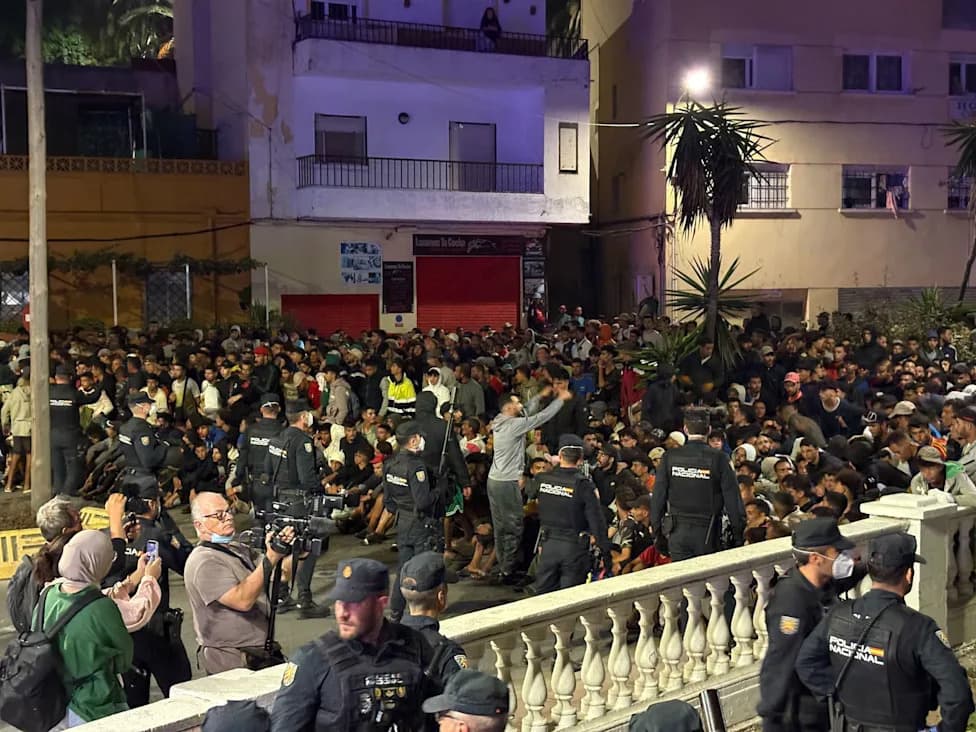
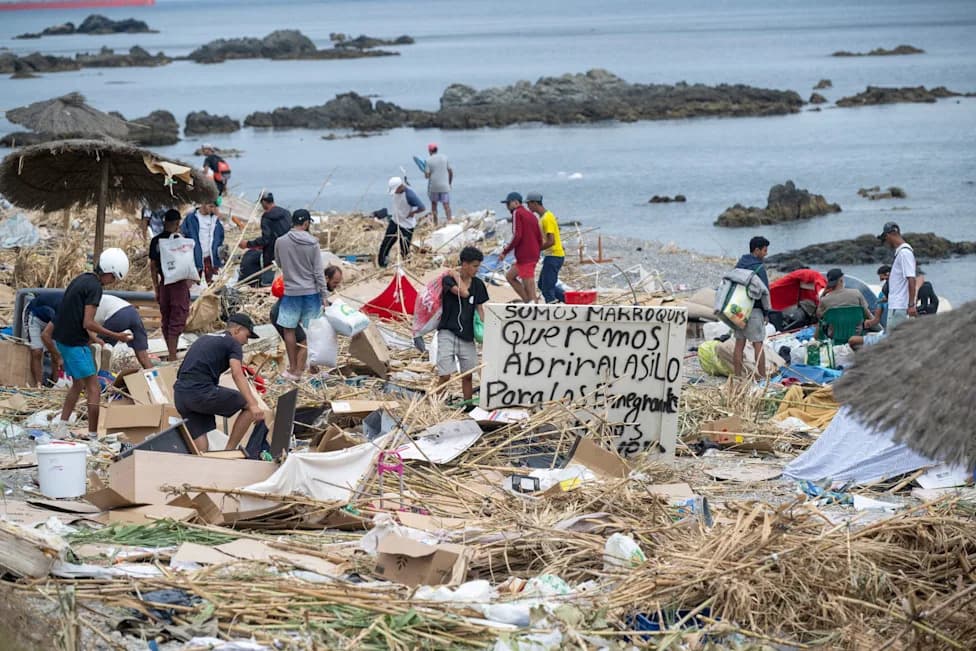
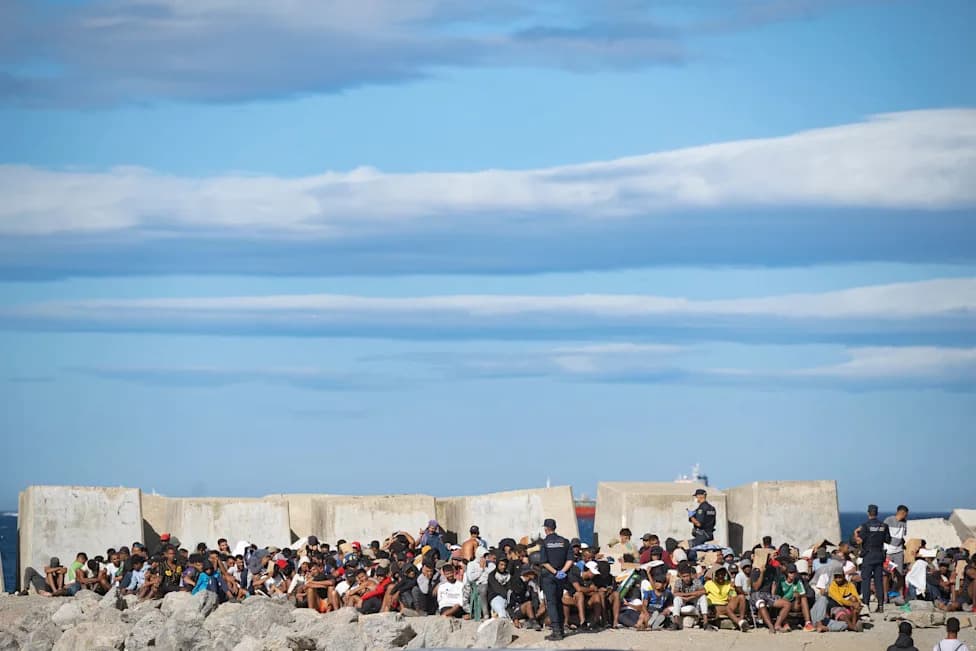
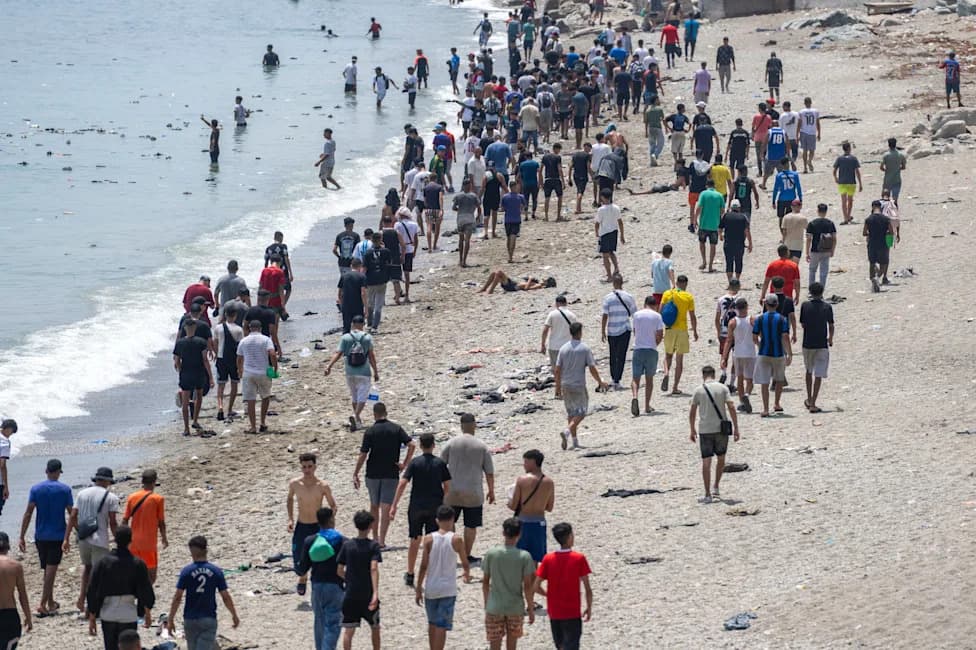
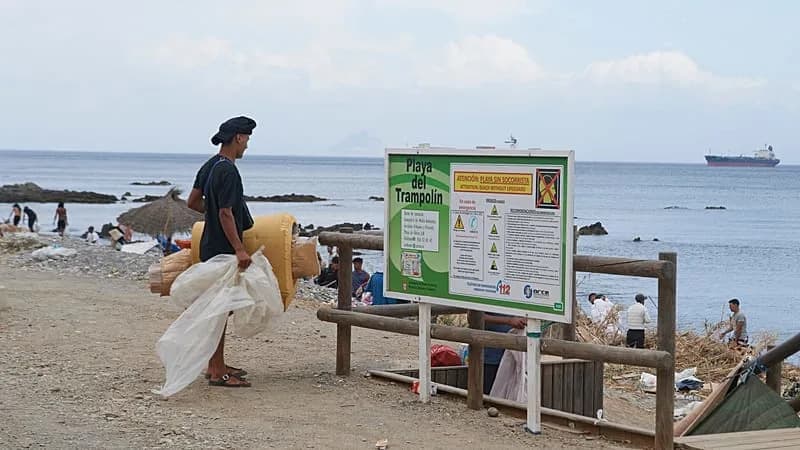
Hundreds of unaccompanied minors remain stranded in Ceuta, the Spanish enclave on Morocco's North African coast, after a mass crossing in which tens of thousands of people reached the territory by swimming around the border fence.
Authorities estimate that roughly 3,000–5,000 migrants avoided immediate expulsion from the roughly 60,000 arrivals, and more than 800 of those still in the city are unaccompanied children and teenagers. Many survivors describe traumatic scenes, including drownings, and some children are now dependent on local residents for food and shelter.
Witness Accounts and Trauma
A 17-year-old girl from Tangier told the Associated Press she saw Spanish police pull the body of her eight-year-old brother from the sea when she reached shore. Separated from her mother in the chaos, she said:
"I saw people stepping on the dead. Now we are children begging on the street."After finding youth reception centres full, she said she is relying on locals for basic needs.
Legal Protections and Procedures
Spanish law allows adult migrants to apply for asylum, but Moroccans typically face very high hurdles to obtain humanitarian protection; rejected applicants may be subject to expulsion. Crucially, Article 35 of Spain's 2000 foreigners law requires that police who identify unaccompanied children must grant them protection and provide "immediate attention" from child protection services.
An Associated Press journalist also reported seeing Spanish soldiers escort an unaccompanied Moroccan boy who was crying and begging not to be returned; after pressure from local residents who insisted he was a minor, officials transferred him to the Spanish Civil Guard rather than repatriating him immediately.
Living Conditions and Humanitarian Concerns
Ceuta's main migrant reception centre — with capacity for around 600 people — is full. Many migrants are sleeping outdoors, on the beach or on nearby hills, and reporting from AFP and AP indicates food is scarce. While most Moroccan adults who arrived left voluntarily or were pushed back, the remaining population includes significant numbers of people from other countries, including Sudanese fleeing conflict, Palestinians from Gaza, Afghans, and migrants from several African nations.
The situation raises urgent child protection and humanitarian questions: authorities must reconcile legal obligations to protect unaccompanied minors with the logistical reality of an overwhelmed reception system and limited resources.
What’s at Stake
Immediate concerns include shelter, medical and psychological care for traumatised children, access to durable solutions for asylum-seekers, and coordination between Spanish authorities, local civil society and international agencies to avoid further harm to vulnerable minors.
Help us improve.