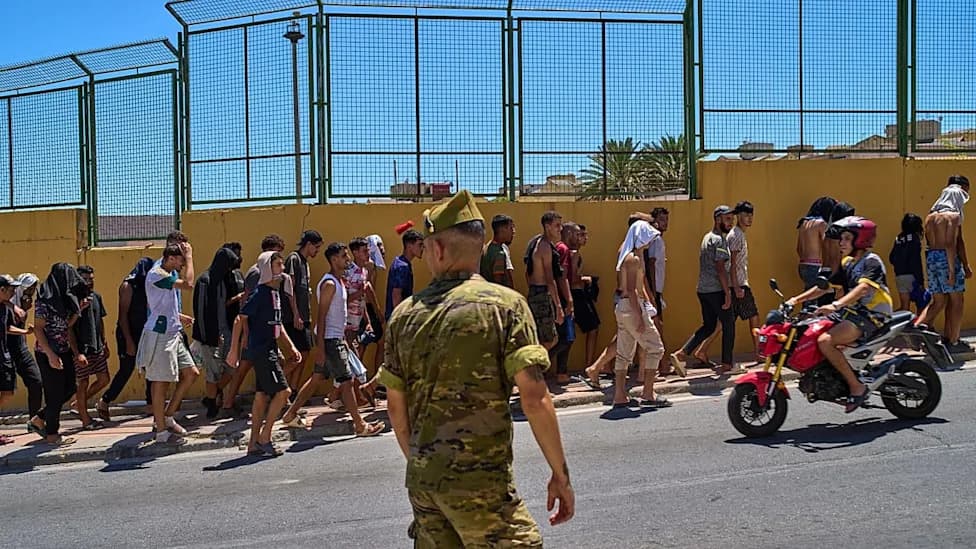
Ceuta is struggling to cope after a sudden mass border crossing left thousands in the enclave and hundreds camping on beaches. Around 69,500 people were returned to Morocco over four days, and the death toll is reported at 72 on the Spanish side and 11 in Morocco. Local officials say reception centres have collapsed and 3,000–5,000 people still remain, including 862 minors. The crisis has sparked EU-level diplomatic tensions and scrutiny of both Moroccan border controls and Spanish intelligence handling.
Ceuta Overwhelmed After Mass Border Rush as Thousands Remain and Reception Centres Collapse
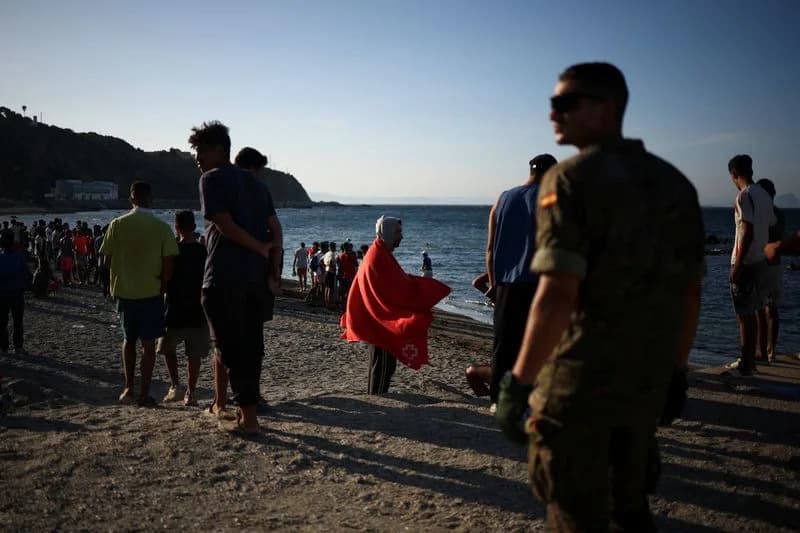
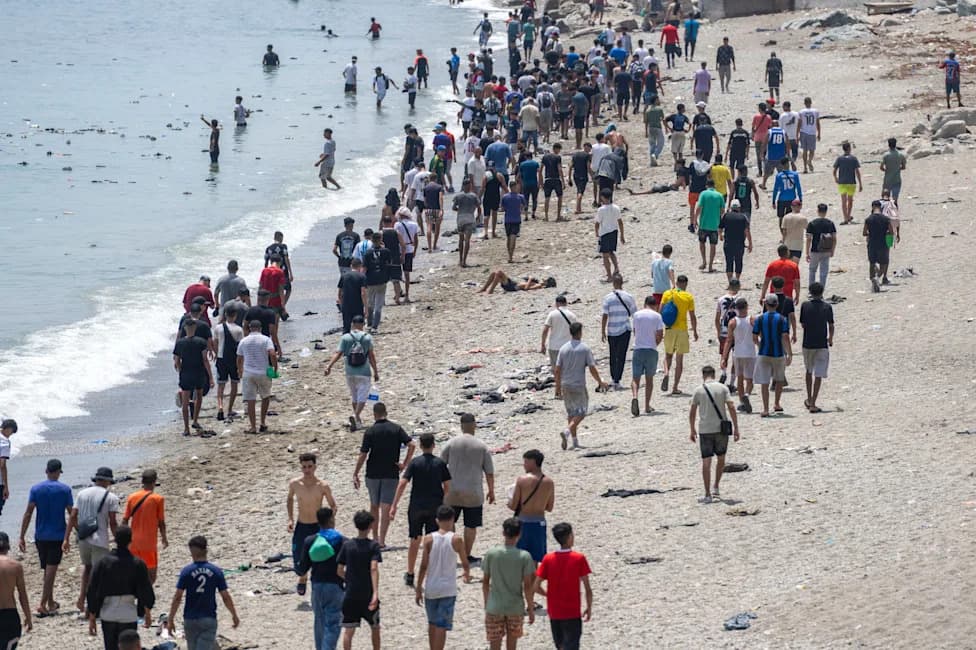
Migrants stand on a beach in Ceuta, following mass crossings of migrants on foot and by sea from Morocco into Spanish territory, in Ceuta, Spain, August 2, 2026. REUTERS/Pedro Nunes
Hundreds of migrants have set up makeshift camps on the sand in Spain's North African enclave of Ceuta as local authorities struggle to cope with the thousands who remain following a sudden mass border surge last week.
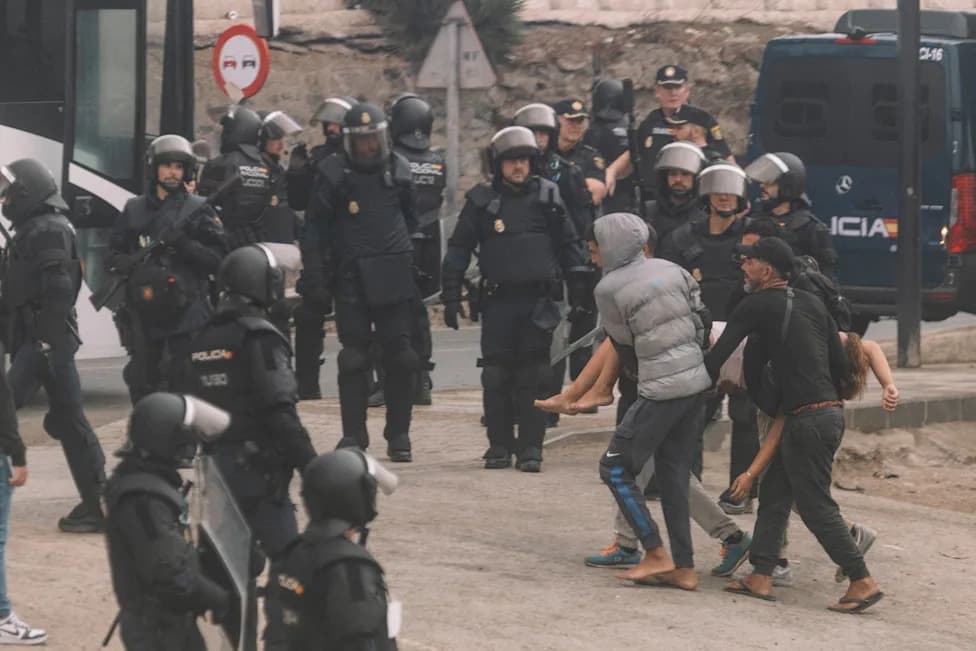
Spanish officials say roughly 69,500 people were returned to Morocco over four days — a figure that exceeds earlier estimates of about 50,000 arrivals in Ceuta on Thursday. The official death toll stands at 72 on the Spanish side of the border and 11 on the Moroccan side.
Many migrants said they left informal reception points after shops closed, they faced hostility from some locals, and they were unable to continue on to the Spanish mainland.
Ceuta, like Spain's other North African enclave Melilla, sits on Morocco's Mediterranean coast and periodically faces attempts by people seeking to reach Europe to cross the border. Video footage released by Reuters showed dozens of migrants, most appearing to be from sub‑Saharan Africa, lying on El Trampolín beach wrapped in towels against the wind while army and police vehicles patrolled nearby roads.
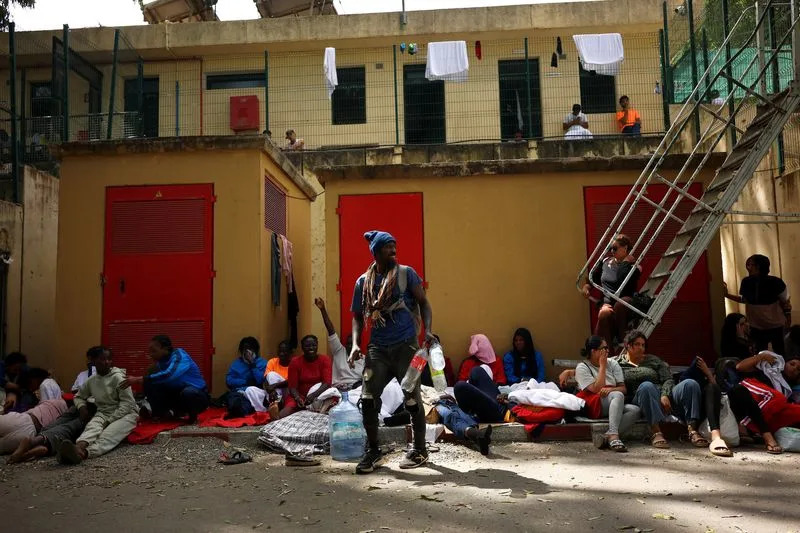
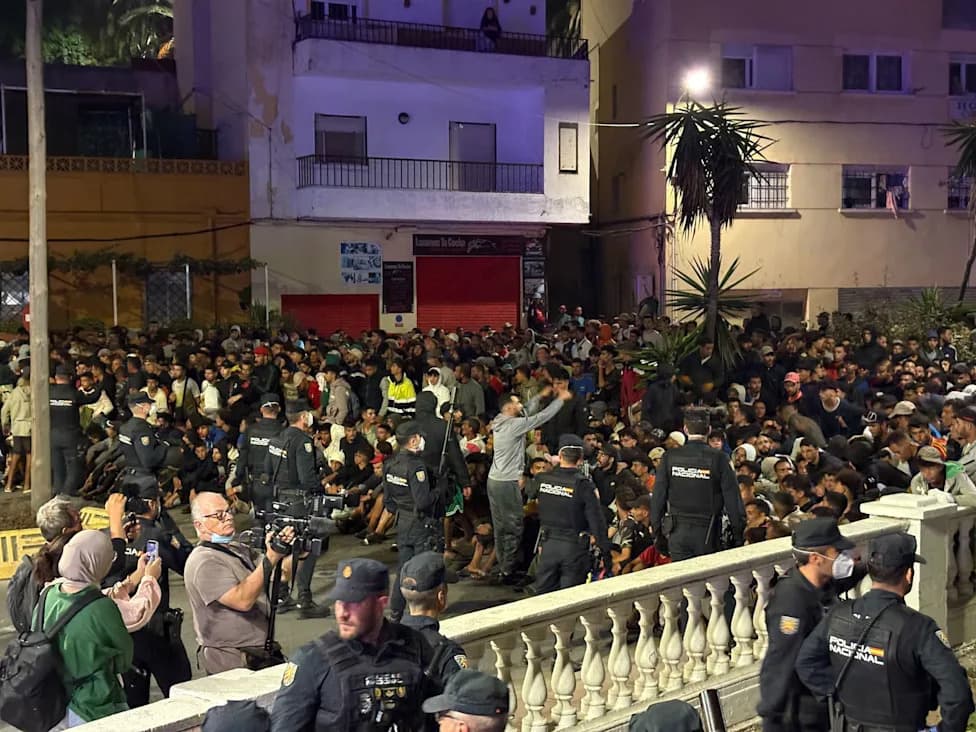
Migrants wait outside Ceuta's temporary migrant center (CETI), which is currently at full capacity, following mass crossings of migrants on foot and by sea from Morocco into Spanish territory, in Ceuta, Spain, August 3, 2026. REUTERS/Pedro Nunes
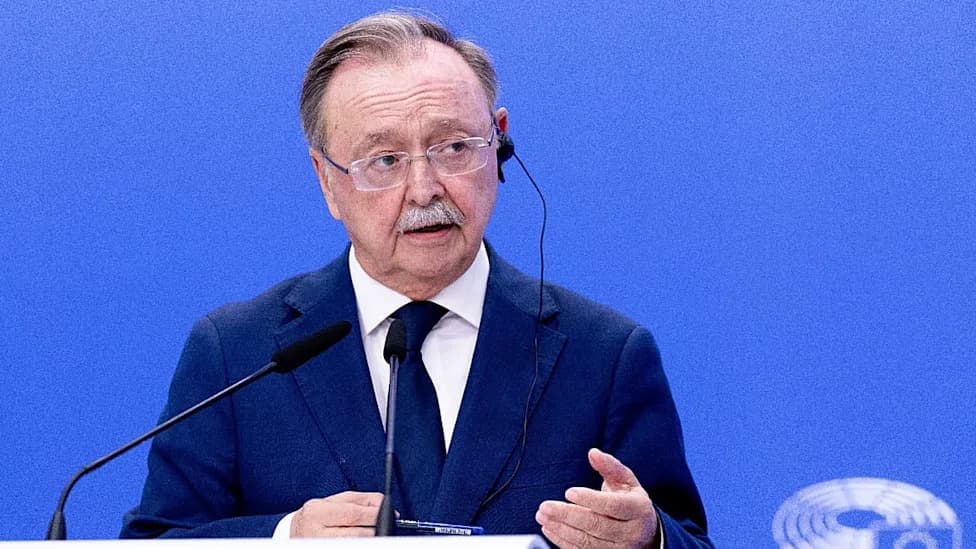
Ceuta's regional leader, Juan Jesús Vivas, told broadcaster Telecinco that between 3,000 and 5,000 migrants remained in the enclave and warned that the city's two migrant reception centres — one for adults and another for minors — had "collapsed" under the pressure.
Local official Alberto Gaitán said the city was processing 862 migrant minors, who are entitled to special legal protections against deportation.
Diplomatic Fallout
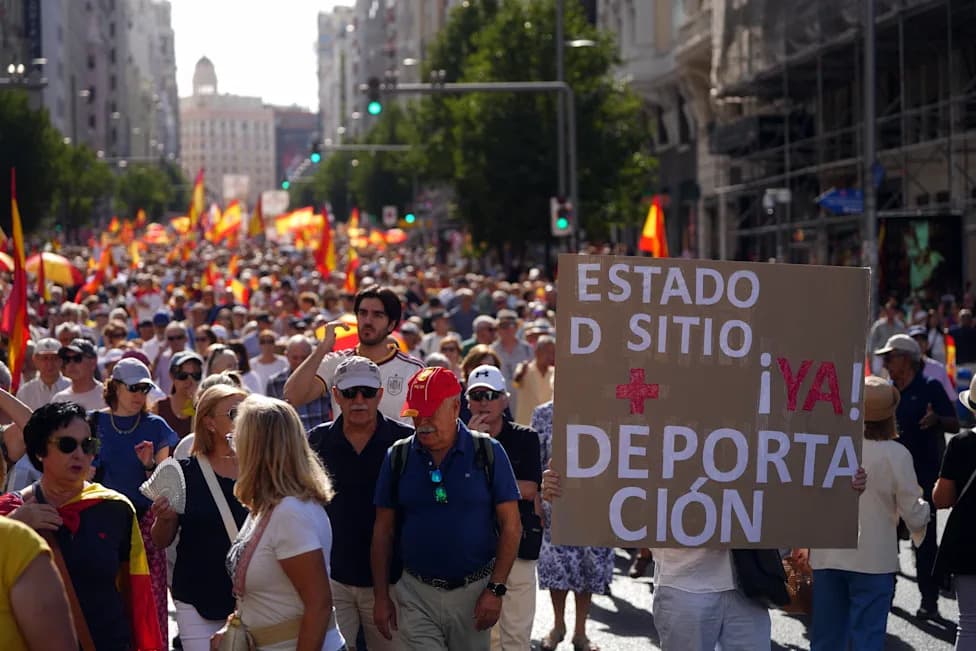
The episode has intensified anti-immigration rhetoric across Europe and triggered diplomatic tensions within the European Union over border policy. Spain has criticised some partners for what it described as unhelpful and polarising responses.
"Spain has helped other EU countries during migration crises and now expects reciprocal backing," Foreign Minister José Manuel Albares said, adding that Morocco had promptly offered police assistance without attaching conditions, which helped facilitate returns.
Albares also sharply criticised Italy's government for what he said amounted to amplifying misinformation about the events.
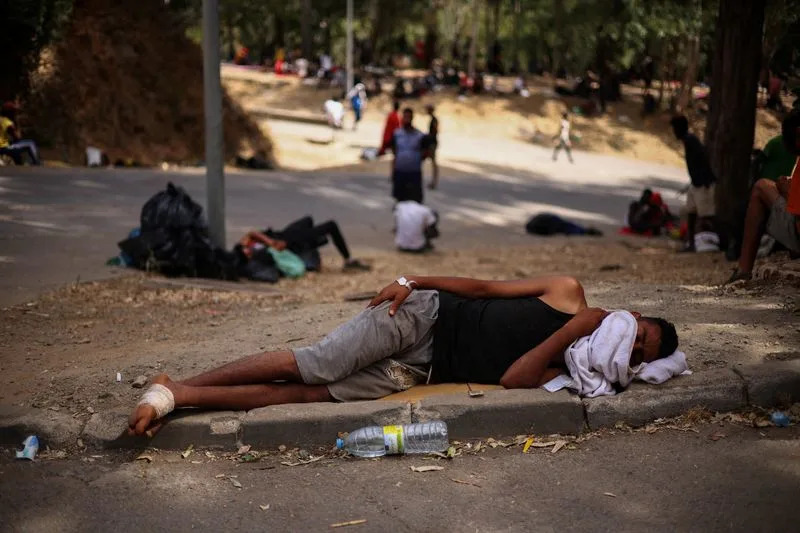
Migrants wait outside Ceuta's temporary migrant center (CETI), which is currently at full capacity, following mass crossings of migrants on foot and by sea from Morocco into Spanish territory, in Ceuta, Spain, August 3, 2026. REUTERS/Pedro Nunes
Questions Over Border Controls And Intelligence
Spanish media citing officials familiar with intelligence assessments reported that Spain's intelligence services concluded Morocco did not plan the mass crossing, but allowed it to happen by relaxing border controls in July — a claim linked to crowds surging toward the Tarajal crossing during Morocco's Throne Day holiday. Morocco's Interior Ministry blamed the surge on social media misinformation, human trafficking networks and misinterpretation of a Spanish court ruling restricting immediate returns of migrants intercepted at sea.
Spain's Interior Minister Fernando Grande-Marlaska said the foreign intelligence agency CNI, overseen by the Defence Ministry, did not warn him of an imminent surge. Reports suggested this apparent lack of warning caused tensions between ministries, though an Interior Ministry spokesperson downplayed those accounts. Defence Minister Margarita Robles declined to comment on whether CNI had prior intelligence, praising the "exceptional" work of Spain's security personnel instead.
Morocco's Interior Ministry said it is committed to strengthening international cooperation to combat irregular migration and human trafficking, but it did not immediately respond to further requests for comment.
Reporting by Reuters and other news agencies; figures and statements as provided by officials and local reporting.
Help us improve.