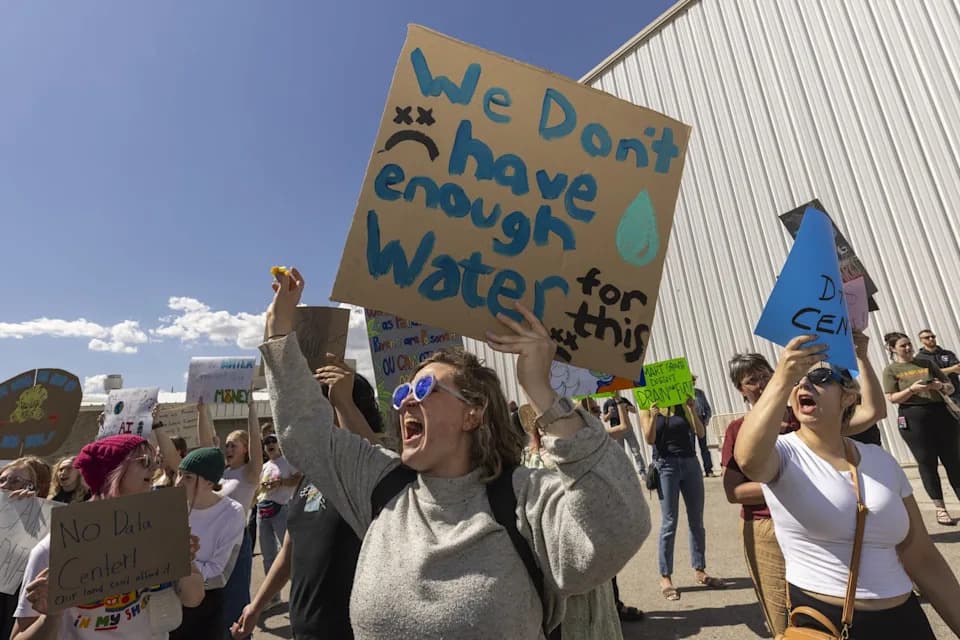
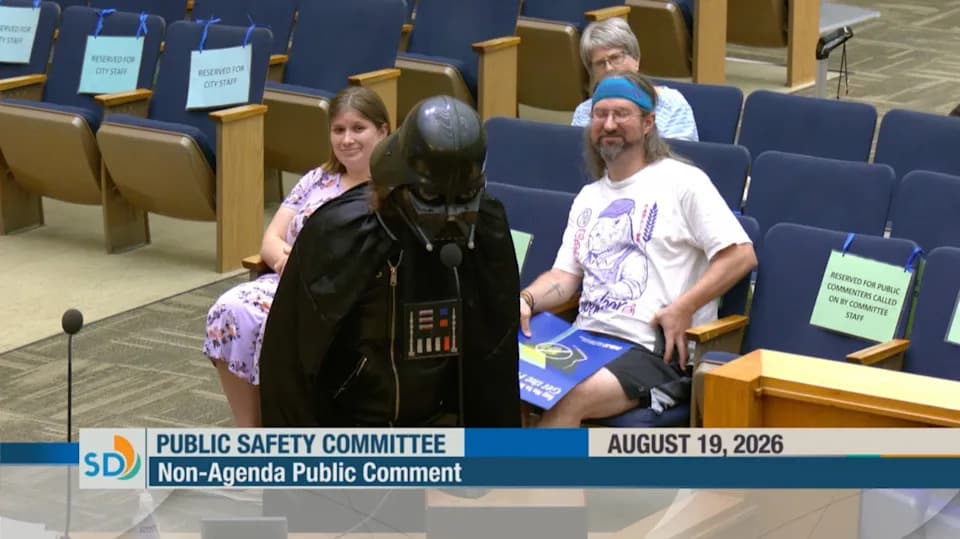
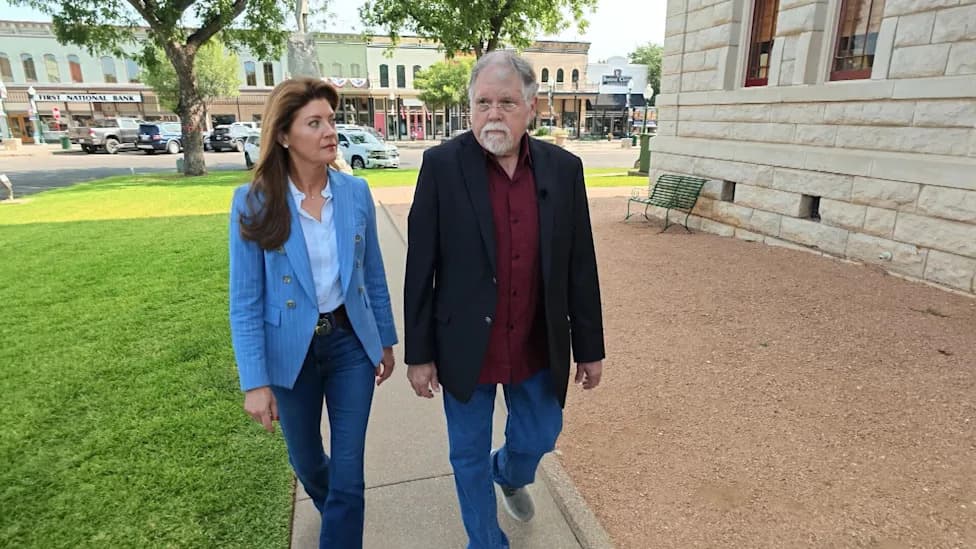
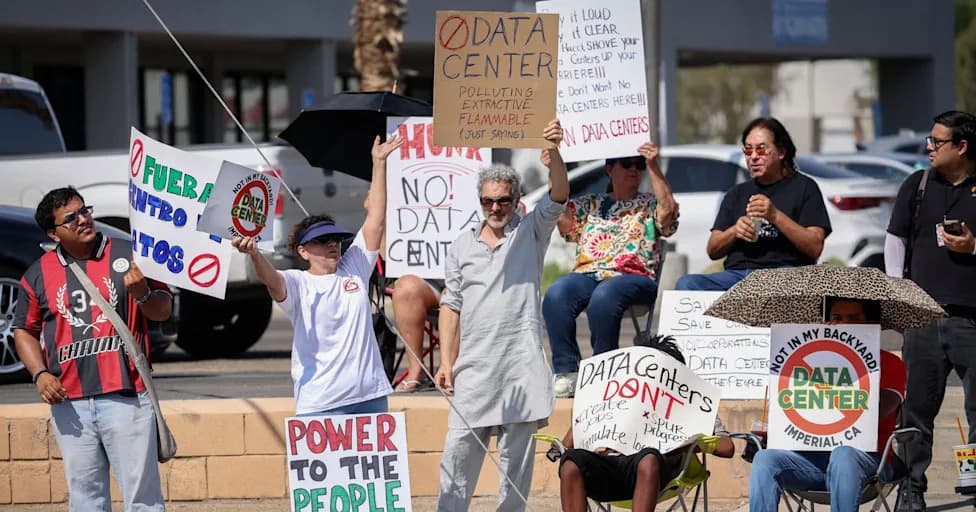
Protests over planned data centers have prompted at least 37 arrests and a further 12 recorded police interventions in the U.S. so far in 2026. Demonstrators — from farmers to teachers and from Gen Z to boomers — say elected officials favor large tech firms over community concerns. Most demonstrations are peaceful; arrests often result from minor procedural violations or physical removals by police.
Why Ordinary Americans Are Getting Arrested Over Data Center Protests — 37 Arrests and Counting
SANDY HUFFAKER / AFP via Getty Images
It usually takes a lot to push an average, law‑abiding American to risk jail. Arrests bring court dates, fines and records that can affect employment and housing for years. Yet in 2026, proposals for large data centers have become one of the rare issues driving growing numbers of people to protest — and sometimes to be arrested.
The Scope Of The Trend
So far this year in the U.S., Futurism has documented at least 37 arrests tied to protests over data‑center projects, plus at least 12 additional incidents in which police intervened to keep demonstrators or speakers from confronting public officials. Those figures are likely undercounts, since many local interventions go unreported.
Who Is Protesting — And Why
These activists defy a single stereotype. Protesters include farmers, teachers, young people and older residents from small towns and suburbs. While motivations vary, common complaints include concerns about land use, water and energy demands, local environmental impacts, opaque decision‑making, and the perception that elected officials prioritize large technology companies over community interests.
Notable Cases
Pablo Payan, a 42‑year‑old maintenance manager from Indiana, was arrested at a May public meeting in Hobart after refusing to identify himself for the record before speaking. When officers attempted to escort him out and he asked why he was being removed, Payan says he was charged with criminal trespass and disorderly conduct. Afterward he told Fox32 he believed the removal was meant to intimidate dissent:
"So I think it was a flex of power."
Lux Claridge, a physics teacher from Emporia, Kansas, was arrested at a hearing earlier this month after clapping in support of another resident opposing a proposed 1,000‑acre data‑center campus. The arrest was made under a commission rule banning "snapping" and "clapping." Claridge told 404 Media:
"I am fully of the notion that clapping is a First Amendment right that I have... I have a right to clap, and if you want me out, you're going to have to drag me out."
How Arrests Often Occur
Many demonstrations remain peaceful and escalate only when officers physically move to remove participants. Numerous arrests stem from technical or procedural violations — for example, exceeding a brief public comment time limit or breaking meeting decorum rules. In some towns, narrowly worded rules are being enforced in ways critics say silence dissent.
What This Means
The trend highlights a growing willingness among everyday residents to take public risks to oppose projects they see as harmful or unaccountable. It also raises questions about how local governments balance order and free expression during public hearings and whether existing procedures adequately protect citizens' voices.
Help us improve.