Detroit’s 139-square-mile footprint has relatively few national retail chains outside downtown and midtown, forcing residents to shop in nearby suburbs and sending about US$3 billion in spending out of the city. High property taxes, elevated commercial and vehicle insurance (25%–40% above state averages) and a median household income of $39,938 deter national retailers. Proposed solutions include targeted local revenue (entertainment or downtown surcharges), grants to fund safety upgrades that lower insurance costs, and wage-linked tax credits modeled on Toledo to boost local purchasing power.
How Detroit Can Lure Big-Box Retailers Back: Taxes, Safety Grants and Wage Incentives
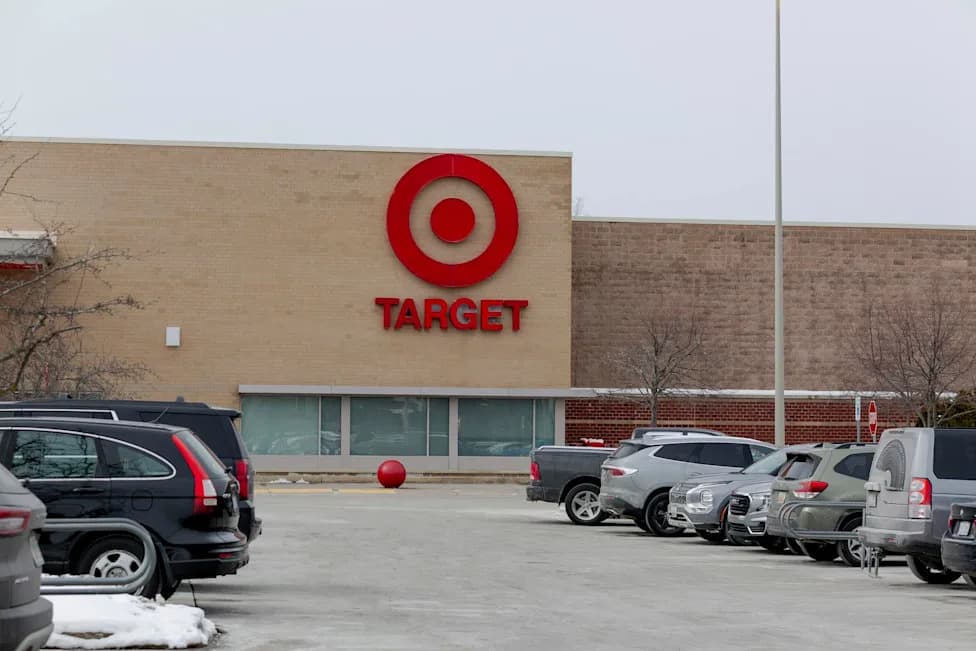
High property taxes in Detroit deter national retailers from opening stores in the city.Sylvia Jarrus for The Washington Post via Getty Images
Detroit covers roughly 139 square miles — a footprint large enough to contain Manhattan, Boston and San Francisco combined — yet the city has far fewer national "big-box" retailers outside of downtown and midtown. Residents regularly drive to suburbs for home goods, electronics and apparel, an outflow estimated at about US$3 billion annually.
“I shouldn't have to drive to the suburbs,”a Detroit resident told researchers in a Wayne State University food access and retail study — a complaint echoed across many neighborhoods.
Why National Chains Are Reluctant
Several interlocking constraints make Detroit a difficult market for national and regional retailers:
- High operating costs: Detroit has some of the highest property tax rates in Michigan, and commercial vehicle insurance can be 25%–40% above the state average, raising the cost of transporting goods and stocking stores.
- Perceived low consumer spending power: The city’s median household income is $39,938, which often leads corporate analysts to project lower profit margins for new stores.
- Geography and population shifts: Detroit’s large geographic footprint and historical population loss after 1950 dispersed customers and hollowed the retail market.
Local Leadership And A New Push
In March 2026 Mayor Mary Sheffield unveiled a retail-attraction strategy aimed at recapturing the roughly $3 billion Detroiters spend in neighboring suburbs. In July 2026 the city hired Addofio Addo, a former Bedrock executive, as its first director of retail attraction to lead recruitment of national and regional chains.
Policy Tools To Consider
Because Michigan law limits some municipal taxing authority, many proposals would require action at the state level. Key options include:
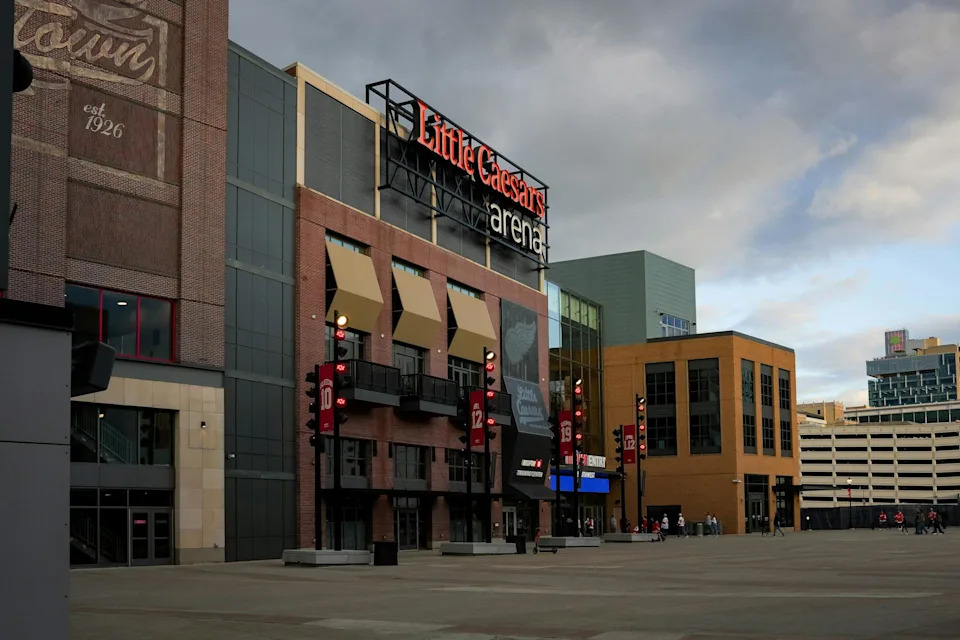
A targeted sales tax for Detroit's downtown and midtown business districts could replace a portion of the revenue collected from property taxes.Nic Antaya/Getty Images
Targeted Revenue Measures
- Entertainment Tax: Legislative proposals since 2017 would permit Detroit to levy a fee on tickets for sporting events, concerts and theaters. Analysis suggests a 3%–10% levy could generate roughly $14 million–$47 million annually.
- Local-Option Sales Tax: A citywide 1% sales tax on tangible goods is projected to yield $71 million–$82 million a year and could reduce property taxes by an estimated 12%–14%. However, general sales taxes are regressive and could push shoppers to suburbs; changing the state constitution may be required.
- Targeted Downtown/Midtown Surcharges: A narrowly applied food-and-beverage or downtown surcharge could capture spending from commuters and visitors without a citywide burden, but adoption may require repealing the 2017 statewide ban on taxing food and beverage sales.
Lowering Insurance and Operating Costs
Insurance premiums reflect a property’s risk profile (fire vulnerability, structural condition, security measures). Detroit can reduce long-term premiums by subsidizing safety and resilience upgrades. For example:
- The Detroit Economic Growth Corporation could establish a dedicated "risk and safety" track within Motor City Match to fund fire-suppression systems, reinforced storefronts, wind-resistant roofing and other physical improvements.
- Public-private partnerships could subsidize advanced safety tech for delivery fleets and supply-chain vehicles, lowering vehicle insurance and logistics costs for retailers.
Boosting Local Wages To Raise Consumer Demand
Raising household incomes would improve retailer revenue prospects. Detroit could adopt performance-based tax credits that reward employers for hiring locally and paying higher wages. Toledo’s Municipal Jobs Creation Tax Credit is a model: it provides credits when firms pay at least $20.63 per hour and pairs the credit with grant programs that entice businesses to locate inside city limits.
Implementation Considerations
These policies are complementary: targeted revenue measures can reduce property-tax burdens; grants for safety and resilience can lower insurance premiums and operating costs; and wage-tied incentives can increase local purchasing power. However, each option has trade-offs — from political feasibility in Lansing to concerns about tax regressivity and potential shopping leakage to suburbs.
Conclusion
Attracting national retail chains will require a package of reforms that both lower the cost of doing business in Detroit and raise the spending power of residents. Combining targeted local revenue tools, investments in property resilience and performance-based wage incentives can create a more favorable business case for big-box and national retailers while improving economic outcomes for Detroiters.
Authors: Keion Harris (Ph.D. candidate, University of Michigan; affiliated with the Citizens Research Council of Michigan) and Stephanie Leiser (Director, Center for Local, State, and Urban Policy, University of Michigan). This analysis was originally published by The Conversation. Stephanie Leiser reports no conflicts of interest; Keion Harris discloses affiliation with the CRC.
Help us improve.