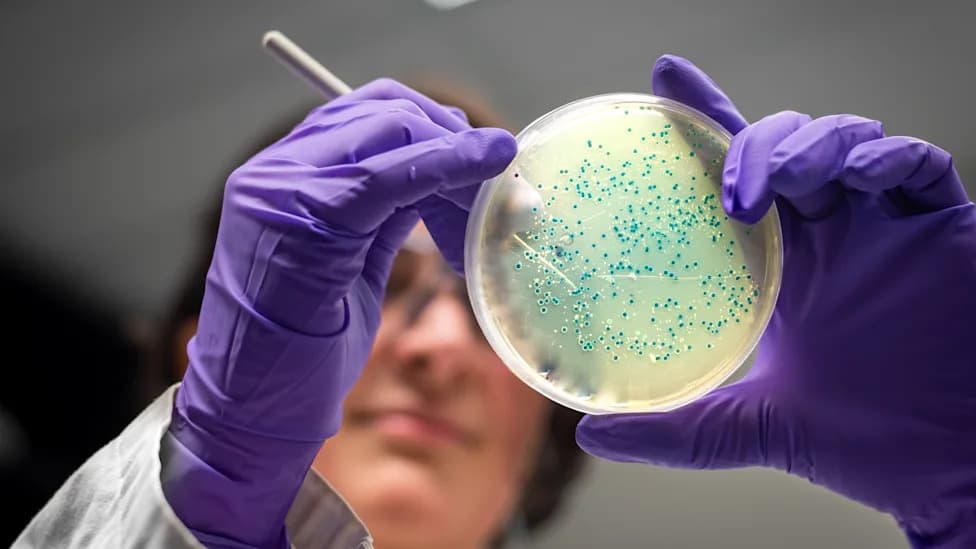
A novel "living" plastic embeds dormant spores of engineered Bacillus subtilis within polycaprolactone (PCL). When activated in a warm nutrient bath (~122°F), two engineered enzymes act in sequence to cut polymer chains and reduce fragments to original monomers, reportedly degrading the material almost completely within six days without producing microplastics. The work, published in ACS Applied Polymer Materials, is a proof of concept that still faces significant technical, safety, and real-world activation challenges.
Engineered 'Living Plastic' Self-Destructs in Six Days — Reportedly Leaves No Microplastics
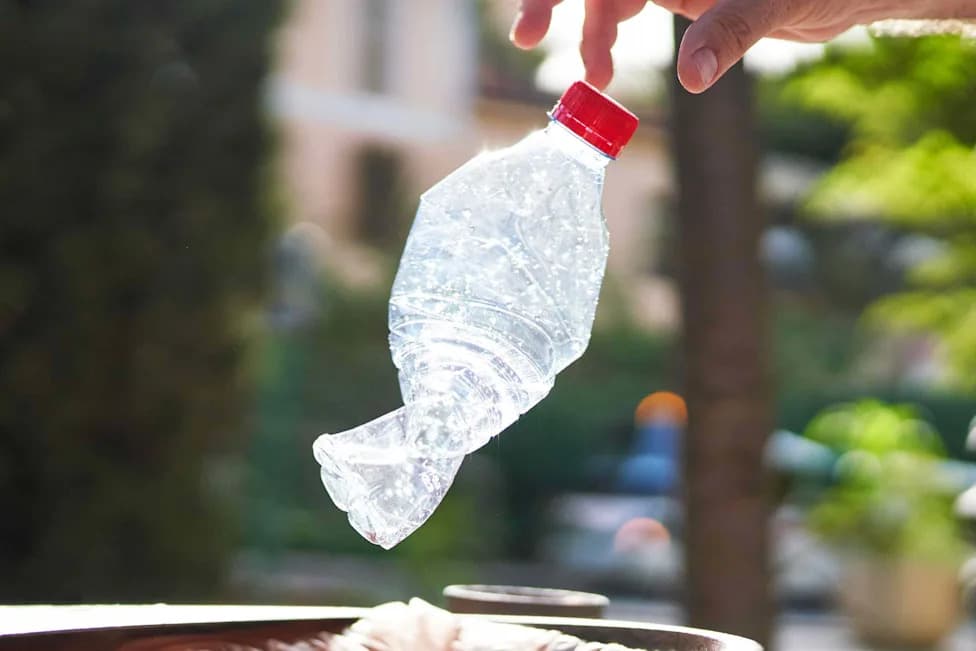
Credit: aire images / Getty Images
A team of researchers has engineered a novel "living" plastic that contains dormant bacterial spores which can be triggered to produce enzymes that almost completely degrade the material in about six days, with the authors reporting no leftover microplastic fragments.
How It Works
The material is a composite of polycaprolactone (PCL), a biodegradable polyester, and dormant spores of two engineered strains of Bacillus subtilis. The spores remain inactive while the plastic is in use but can be awakened under controlled conditions to secrete two complementary enzymes.
Two-Step Enzymatic Breakdown
According to the published study in ACS Applied Polymer Materials (July), one enzyme makes random cuts along the long polymer chains, creating shorter fragments. The second enzyme further digests the fragment ends into the original molecular building blocks (monomers), the same components used to synthesize the plastic.
Laboratory Demonstration
In laboratory tests the researchers activated the spores by immersing the PCL composite in a warm nutrient broth at approximately 122°F (50°C). Once activated, both enzymes were produced and the material was reported to have been broken down nearly completely within six days, leaving no detectable microplastic residues in the experimental setup.
"By embedding these microbes, plastics could effectively 'come alive' and self-destruct on command, turning durability from a problem into a programmable feature," said corresponding author Zhuojun Dai.
Potential And Practical Challenges
The work is a proof of concept demonstrated with a biodegradable polymer (PCL), not with common commodity plastics such as polyethylene (PE) or polyethylene terephthalate (PET). The authors note important challenges for real-world use, including:
- Adapting the approach to diverse polymer chemistries.
- Finding safe, practical activation methods outside the lab (for example, in industrial composting or controlled recycling facilities rather than open aquatic environments).
- Regulatory, biosafety, and containment considerations related to embedding engineered spores in consumer materials.
Why This Matters
Traditional plastics can persist for centuries and fragment into microplastics that accumulate in ecosystems. Embedding programmable degradation into material lifecycles—if implemented safely and at scale—could help reduce long-term pollution from short-lived applications such as single-use packaging.
Bottom Line: The study demonstrates a promising laboratory method for enzyme-driven, programmable degradation of a biodegradable polymer. Substantial engineering, safety testing, and policy work remain before this approach could be applied to common plastics or used outside controlled settings.
Help us improve.