KAIST researchers engineered E. coli to convert glucose into biodegradable PHA copolymers that act as hot‑melt adhesives, reporting the results in Nature Communications. One polymer achieved 4.58 MPa lap‑shear strength versus 4.20 MPa for a commercial EVA adhesive and retained strength after repeated melting cycles. Enzymatic lipase tests showed surface erosion and reductions in molecular weight, suggesting biodegradability potential. Fed‑batch production reached 10.2 g/L and 52.8 g/L for the two copolymers, but the work is still at an early laboratory scale.
KAIST Engineers E. coli To Produce Biodegradable Hot‑Melt Glue From Glucose
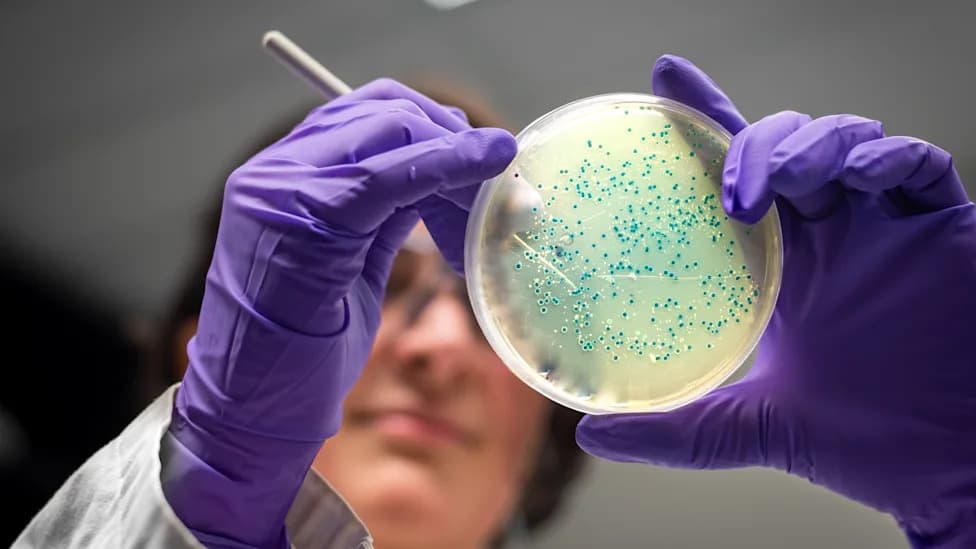
Photo Credit: iStock
Researchers at the Korea Advanced Institute of Science and Technology (KAIST) have reprogrammed a common microbe to produce biodegradable hot‑melt adhesive materials from simple sugar. Led by Professor Sang Yup Lee in the Department of Chemical and Biomolecular Engineering, the team reported the work in Nature Communications.
Greener Hot‑Melt Adhesives From Microbes
Hot‑melt adhesives are widely used in packaging, furniture, electronics, automotive components and construction because they bond quickly as they cool. Many commercial formulations are derived from petroleum‑based plastics such as ethylene‑vinyl acetate (EVA), which can limit recyclability or biodegradability of otherwise sustainable products when the adhesive does not break down.
What the Team Did
The KAIST group engineered Escherichia coli to convert glucose into polyhydroxyalkanoate (PHA) copolymers that function as hot‑melt adhesives. They produced two biodegradable copolymers: poly(4HB‑co‑PhLA) and poly(3HB‑co‑4HB‑co‑PhLA). The researchers used systems metabolic engineering to reconfigure cellular pathways, tuned gene expression, introduced a CoA transferase to enable key reactions, and used a genome‑scale metabolic model to identify and relieve production bottlenecks.
Performance and Durability
In lap‑shear tests on stainless steel, one engineered PHA achieved a bond strength of 4.58 MPa, slightly higher than a tested commercial EVA adhesive at 4.20 MPa. Adhesive performance was strongest when the material contained roughly 24%–34% 4‑hydroxybutyrate (4HB). The polymers retained much of their bonding strength after repeated melting and rebonding cycles, an important property for hot‑melt applications.
Biodegradability Tests
Enzymatic treatment with lipase produced visible surface damage and measurable reductions in molecular weight and total mass for the aromatic PHA, suggesting a potential pathway for biodegradation and a reduced risk of persistent plastic residues or microplastics. These results are preliminary and indicate biodegradability potential rather than confirmed environmental fate.
Production Yields
In fed‑batch fermentation, engineered strains produced 10.2 g/L (about 1.36 oz/gal) of poly(4HB‑co‑PhLA). When a biosynthetic pathway for 3HB was added, yields increased to 52.8 g/L (about 7.05 oz/gal) of poly(3HB‑co‑4HB‑co‑PhLA), demonstrating meaningful laboratory‑scale titers.
"By engineering microbial metabolism, it is possible to go beyond simply producing polymers and directly produce functional materials," said Professor Sang Yup Lee. "This approach could be expanded into biomanufacturing technologies for the sustainable production of adhesive alternatives and a wide range of functional polymers."
Outlook and Limitations
The research demonstrates a promising route to sustainable, microbially produced hot‑melt adhesives, but it remains at an early, laboratory scale. Key next steps include process scale‑up, comprehensive life‑cycle and cost analyses, performance testing across diverse substrates, and environmental degradation studies under real‑world conditions before commercial deployment.
Context: The work contributes to broader efforts to replace fossil‑based materials with biologically produced or more readily degradable alternatives, and complements other innovations such as bacteria‑derived plastics and chemical routes to recyclable adhesives.
Help us improve.