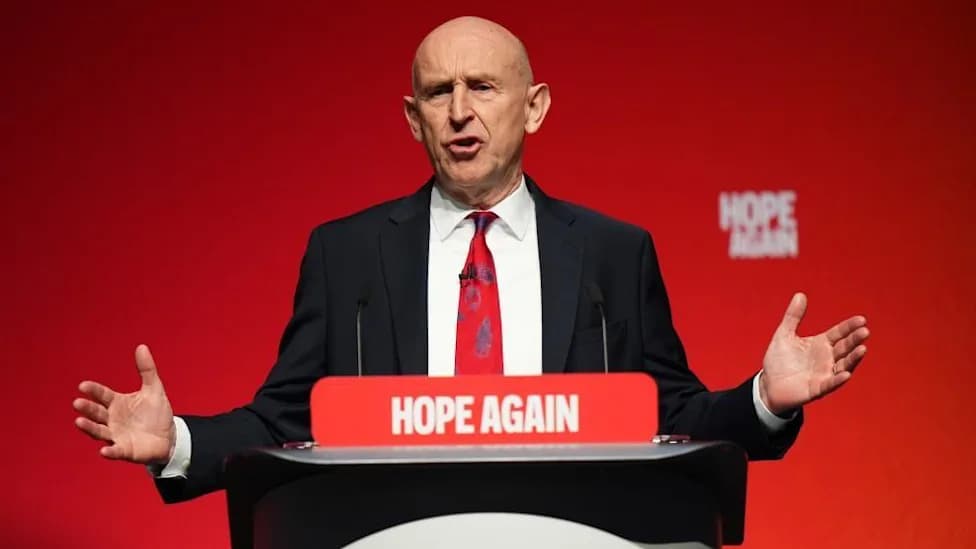
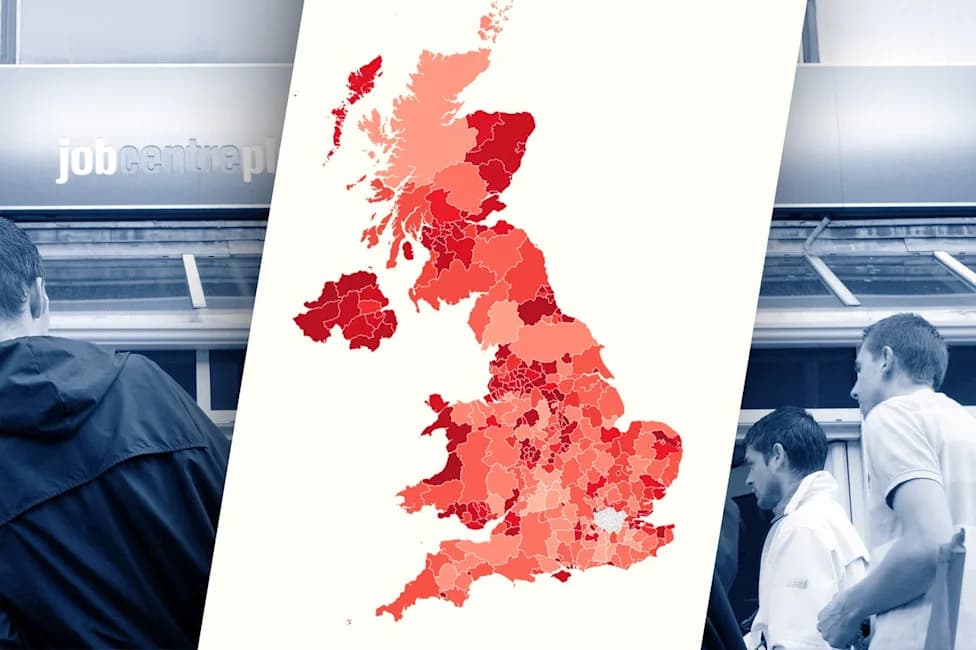
Education Secretary Lucy Powell says reforms introduced under Michael Gove have contributed to a youth worklessness crisis, leaving about one million young people NEET. She proposes rebalancing the curriculum to put technical and practical routes on a par with academic study, echoing recommendations from a recent review. The government plans to allow 14+ pupils to take technical qualifications alongside exams from September 2028, but critics warn changes could risk reversing improvements in academic performance.
Education Secretary Says Michael Gove's Reforms Left One Million Young People NEET — Plans Curriculum Overhaul

Lucy Powell, the Education Secretary, said young people had been 'let down' by her Tory predecessor - Aaron Chown
The new Education Secretary, Lucy Powell, has blamed school reforms introduced under Michael Gove for leaving around one million young people 'outside education, not in employment and not in training' (NEET). While she acknowledged that previous reforms were credited with raising academic standards, she argues they also narrowed routes into work and training for many pupils, particularly those from poorer backgrounds and those with special educational needs.
Powell's Case for Reform
In an article for The Times, Ms Powell wrote that the figure of one million NEET young people 'is not a coincidence — it is a consequence. It is his legacy.' She said the system has become 'too single-minded' and that a one-size-fits-all approach has left some children repeatedly branded failures instead of being helped to realise their potential.

Andy Burnham installed Lucy Powell as his new Education Secretary - WPA Pool
'One million. That's how many young people from the education system Michael Gove presided over who are now left outside education, not in employment and not in training. That's not a coincidence – it's a consequence. It's his legacy.'
Planned Changes and Government Agenda
The government, led by Prime Minister Andy Burnham, is considering a curriculum overhaul that would reduce the emphasis on purely academic routes and place greater parity on technical and practical qualifications. From September 2028, pupils aged 14 and older are expected to be able to take technical qualifications alongside academic exams and participate in work experience with local businesses, modelled on the Greater Manchester Baccalaureate.
Why Supporters Back the Move
Advocates of the proposals — including employers and engineering bodies — say stronger technical pathways and closer links between schools and local jobs could help tackle skills shortages and reduce the number of young people not learning or earning. Dame Tamara Finkelstein of the Royal Academy of Engineering described more technical education as 'vital' to developing the workforce employers need.

Mr Gove has accused Ms Powell of a 'poverty of ambition' - Eddie Mulholland
Critics' Concerns
Critics argue the shift risks reversing gains in academic performance. International comparisons show England improved among 15-year-olds in maths (from 27th to 11th place between 2009 and 2023) and in science (from 16th to 13th). Supporters of Michael Gove's knowledge-focused curriculum say those improvements were not seen in parts of the UK that did not adopt similar reforms.
Responses From Across the Political Spectrum
Not all ministers endorsed Ms Powell's attribution of blame. Energy Secretary Miatta Fahnbulleh declined to single out Mr Gove and said the problem of limited pathways stretches across successive governments. Mr Gove, who served as education secretary from 2010 to 2014, accused Ms Powell of showing a 'poverty of ambition', arguing that strong academic provision can and does succeed for disadvantaged pupils.
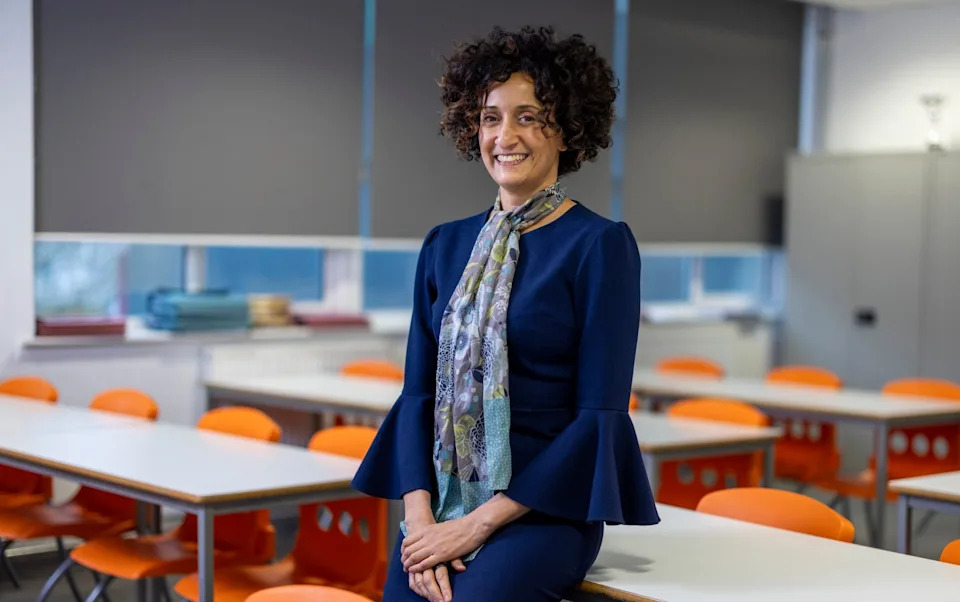
Katharine Birbalsingh said Labour 'needs to listen' to teachers on its attack on academic standards - Heathcliff O'Malley
Prominent educators also weighed in. Katharine Birbalsingh of Michaela Community School warned that lowering academic expectations would be harmful, noting many pupils still struggle to reach basic GCSE pass marks. Baroness Spielman, former head of Ofsted, cautioned that admired vocational systems abroad do not abandon academic study, and that trimming the academic offer at 14 could be 'fundamentally misconceived.'
Data And Context
Official figures cited by the government show more than one million 16–24-year-olds were classified as NEET in the first quarter of 2026, and more than 430,000 people aged 16–24 were claiming sickness benefits amid a rise in mental health-related claims. Ministers say these statistics underscore the urgency of expanding meaningful, vocational and technical pathways alongside academic routes.
What Comes Next
The government is expected to consult further on curriculum changes and the mechanics of introducing technical qualifications for 14+ pupils. Education unions, school leaders and employers are likely to press for clarity on standards, funding, and how new pathways will be assessed to avoid unintended consequences for academic attainment.
The debate highlights a central choice for policymakers: how to balance high academic expectations with broader, more flexible routes that better serve pupils with different strengths and life circumstances.
Help us improve.