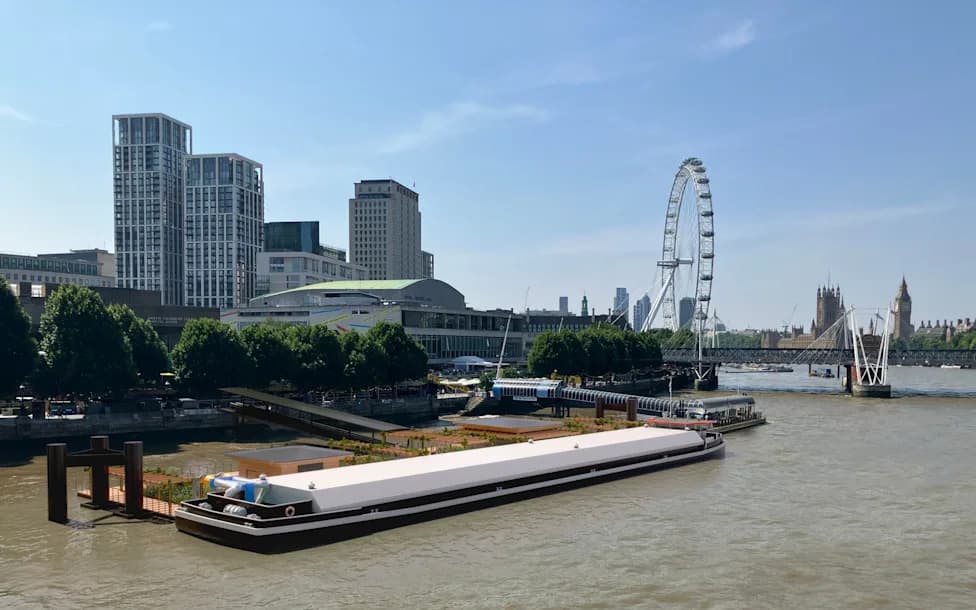
Brittany Ferries has begun using Portsmouth International Port's shore power system, starting with the hybrid vessel Guillaume de Normandie before its 8am departure, despite electricity being several times more expensive than marine fuel. The agreement runs for at least 12 months after months of negotiation and a delayed grid connection due to cost. The Sea Change project was funded with £19.8m from the Department for Transport and £4.6m from Portsmouth City Council. Executives say shore power will cut emissions and improve air quality but are urging government incentives to offset higher operating costs.
Brittany Ferries Begins Using Shore Power at Portsmouth — Despite Higher Electricity Costs
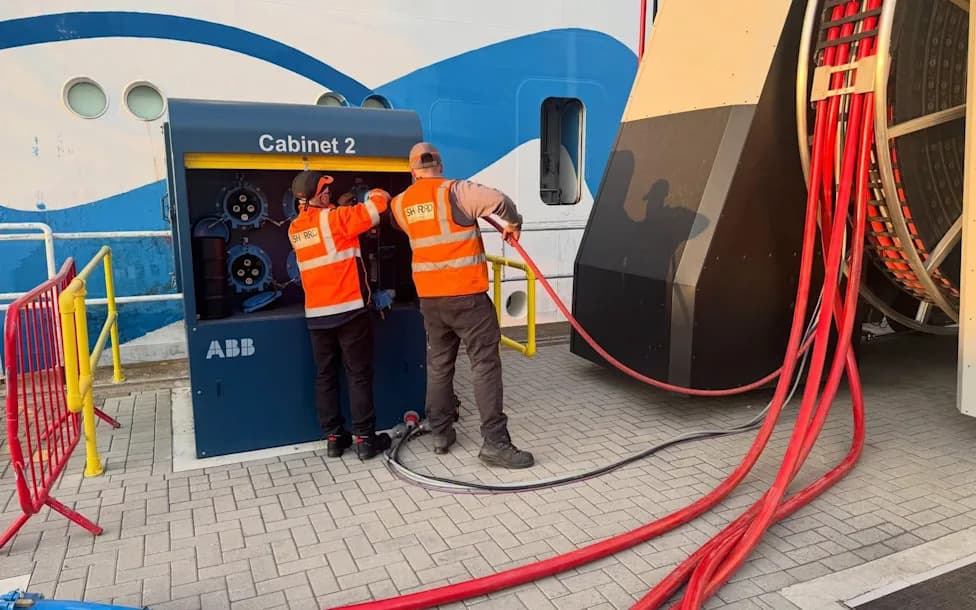
Portsmouth International Port is the first to offer multi-berth, multi-user shore power
Brittany Ferries has started connecting its hybrid vessels to the shore power supply at Portsmouth International Port, even though electricity at the port is several times more expensive than conventional marine fuel. The move follows months of negotiation between the operator and the port and marks the first operational use of the Sea Change shore power installation.
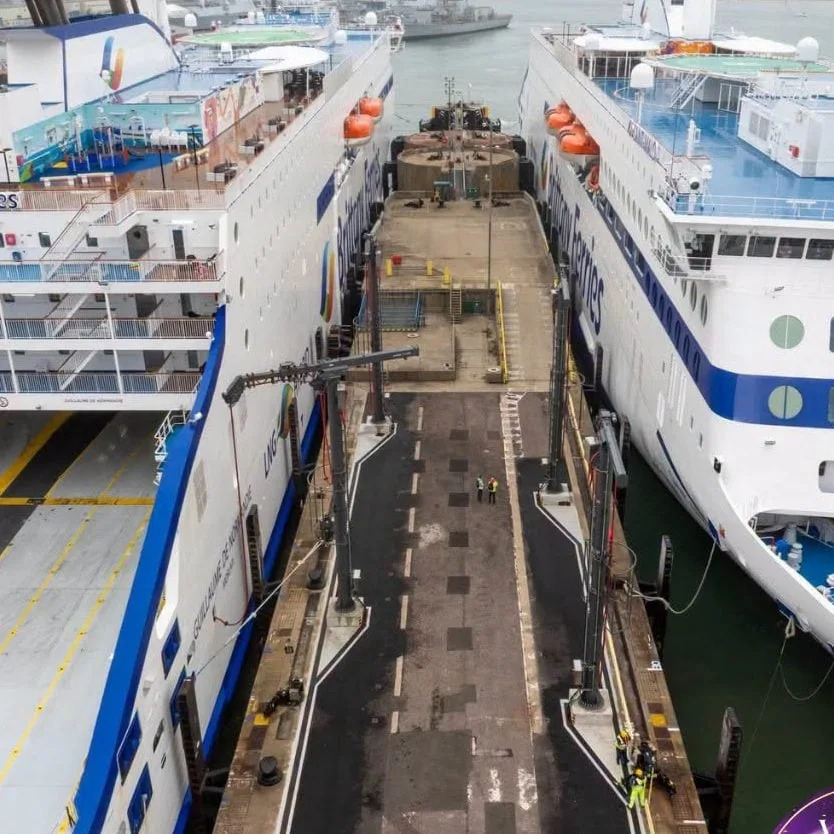
The ferry electric charging system aims to promote the port's green credentials
What Happened
From Monday, Brittany Ferries will plug two hybrid ships into the port's electricity grid, beginning with the Guillaume de Normandie before its 8am departure. The commercial agreement to use the shore power runs for at least 12 months. Final connection to the grid had been delayed while partners agreed commercial terms and managed the costs of completing the infrastructure.
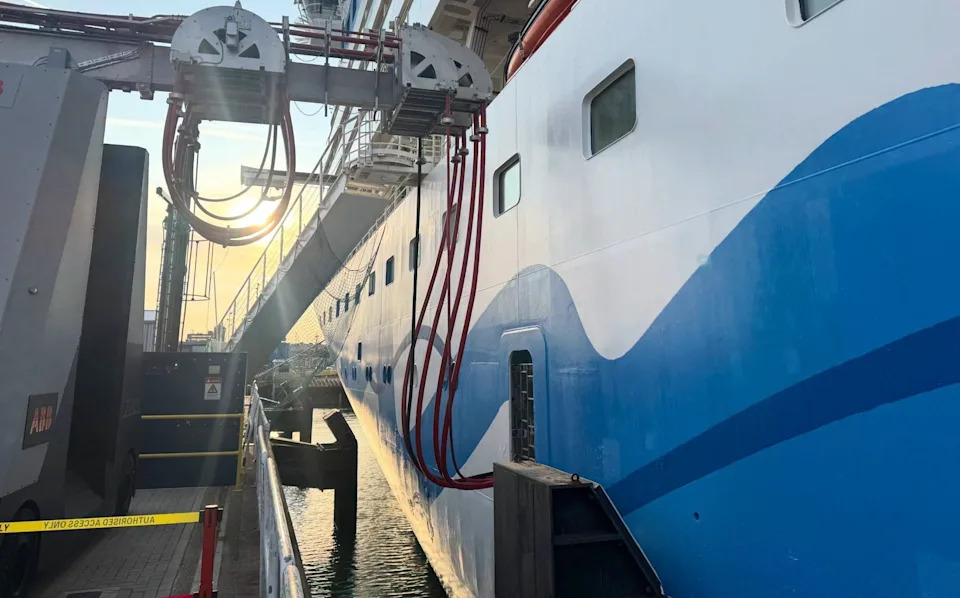
Completing the connection to the grid was delayed because of expense, but is operating from Monday
Why It Matters
The shore power system allows ferries and cruise ships to switch off their engines while berthed and draw electricity from the grid. That reduces carbon emissions and improves local air quality by cutting engine idling and exhaust emissions in port areas. Portsmouth says the installation makes it the UKs first multi-berth, multi-user shore power facility, helping to future-proof the port as shipping trends toward electrification.
Christophe Mathieu, Chief Executive of Brittany Ferries, described the milestone as the result of close partnership work and said it allows the company to realise the potential of its greenest vessels on the Channel and to be better neighbours to Portsmouth residents. He also warned that using shore power currently carries a financial penalty because electricity costs more than marine fuel and urged the government to consider tax incentives or other support to offset that expense.
Mike Sellers, Director of Portsmouth International Port, said the port is proud to offer multi-berth, multi-user shore power and that clean electricity will bring tangible air quality benefits to the city while aligning the port with international electrification trends.
Funding and Background
The Sea Change project received £19.8m from the Department for Transport in September 2023 and £4.6m from Portsmouth City Council, which owns the port. Earlier this year the port warned the system could become a redundant asset while it remained unused, underlining the importance of securing commercial terms to make the installation operational.
Next Steps
Brittany Ferries and Portsmouth International Port will monitor operations and costs during the initial 12-month agreement. The operator is pressing the incoming government to consider tax relief or incentives so other ports and ferry operators are encouraged to adopt shore power without bearing disproportionate operating costs.
Help us improve.