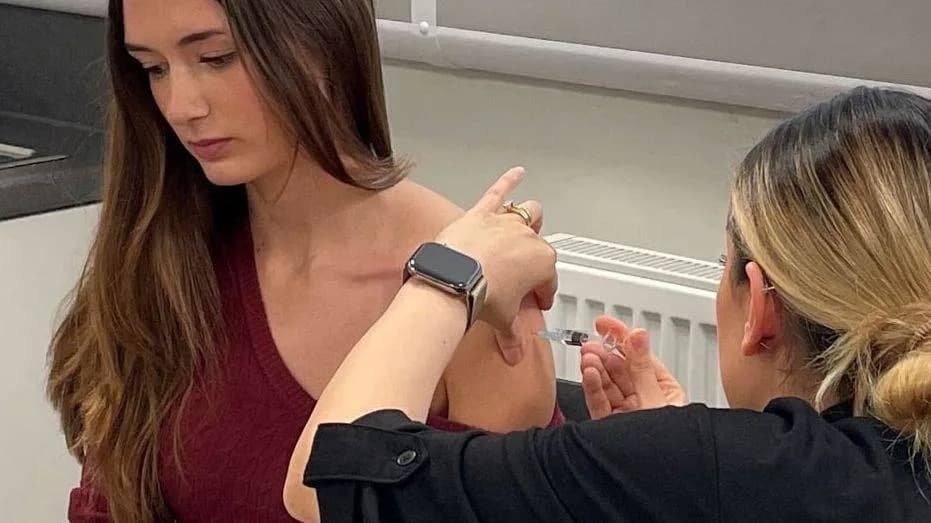
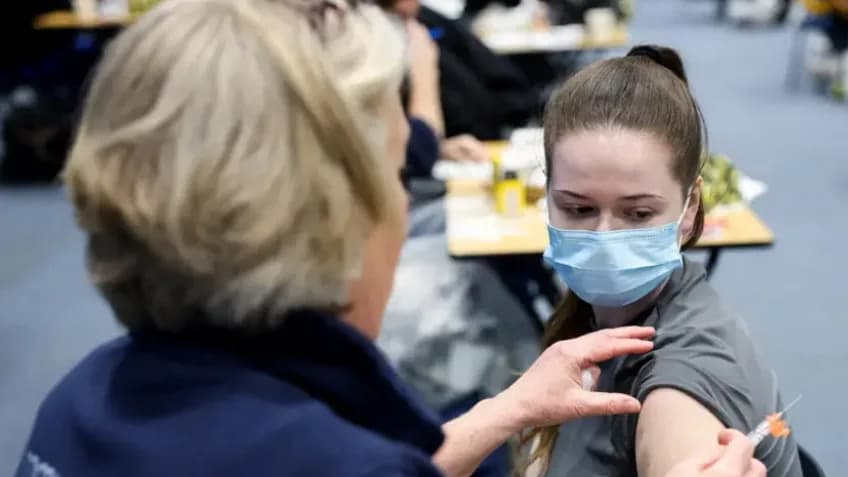
The NHS is offering a free two-dose MenB vaccine to around one million young people in England after a significant outbreak in Kent. The vaccine is not live and cannot cause meningitis; both doses (given at least 28 days apart) are recommended. Eligibility covers most 17–18-year-olds and first-time university or residential further-education students under 25, including international students. Appointments are available at participating pharmacies and via the NHS booking service for eligible GP-registered 17–18-year-olds.
Starting Uni? What You Need To Know About England’s Free Meningitis B (MenB) Vaccine

[Getty Images]
Around one million young people in England are being offered a free two-dose vaccine against meningococcal B (MenB) after a large outbreak in Kent earlier this year. The campaign aims to protect those at highest risk — particularly students starting university or moving into residential further education for the first time.
What The Vaccine Protects Against
The MenB vaccine targets the strain responsible for the Kent outbreak. It is not a live vaccine and cannot cause meningitis. Both doses are recommended for maximum protection; they should be given at least 28 days apart.
Common Side Effects
Side effects are generally mild and short lived. You may notice swelling, redness or tenderness at the injection site, a mild fever, headache, nausea or muscle aches. These usually resolve within one to two days. Serious reactions are rare.

[Getty Images]
Who Is Eligible And How To Get It
Eligibility includes:
- Most 17- and 18-year-olds (including those finishing Year 13 or S6).
- Students under 25 who are starting university or residential further education for the first time this autumn (including international students and those from other UK nations).
- Specific birth-date groups cited by NHS guidance (for this campaign: people born between 1 September 2007 and 31 August 2008, and those born on or after 21 July 2001 who are first-time residential students this autumn).
Appointments can be booked at participating high-street pharmacies across England. Seventeen- and 18-year-olds registered with a GP can also use the NHS National Booking Service. Walk-in appointments are available at many pharmacies and GP registration is not required for the pharmacy walk-in service. Find a participating pharmacy via the NHS website or your local NHS communications.
Why Students Are Being Targeted
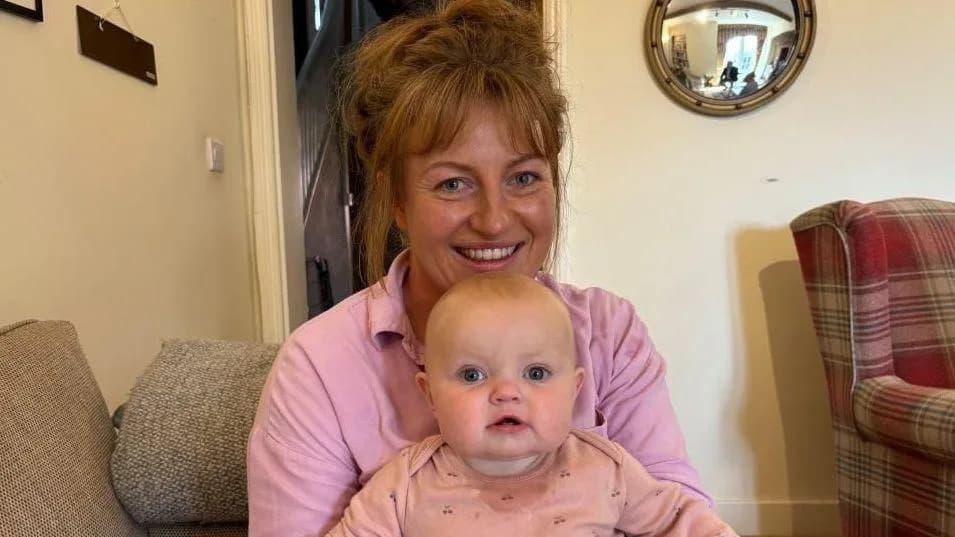
NHS England says first-year university students face a higher risk of MenB infection — about seven times higher than peers not living in university settings — largely due to close social mixing and shared accommodation. The Kent outbreak in March was described as unprecedented and saw 29 confirmed or suspected cases and two deaths within weeks, prompting this urgent vaccination campaign.
[BBC]
Limitations And Future Plans
The MenB vaccine was added to the routine childhood immunisation programme for babies born on or after 1 July 2015, so most teenagers today will not have received it as infants. Research indicates the vaccine may not prevent all transmission, does not cover every MenB strain, and may not provide long-term immunity. Vaccine experts have recommended that governments consider a routine adolescent MenB dose (around age 15); decisions on routine rollout will be taken by ministers in each nation.
Symptoms And When To Seek Help
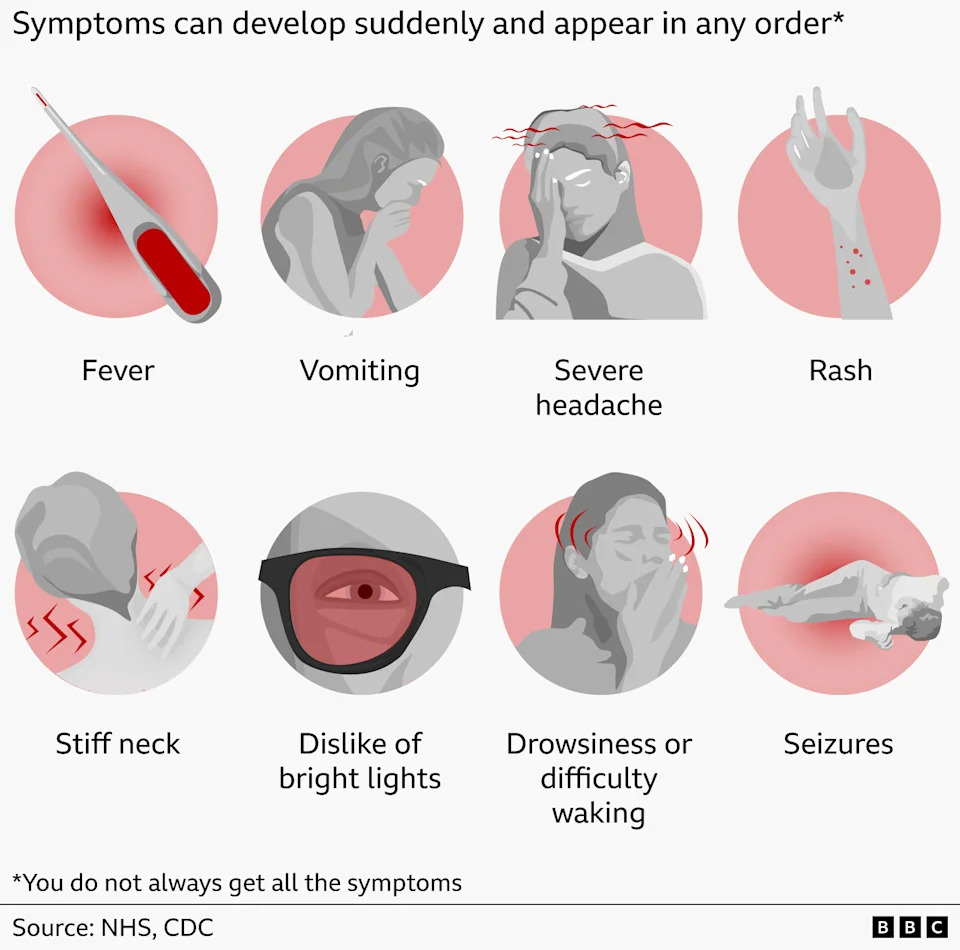
MenB infection can cause meningitis (inflammation of the brain lining) and sepsis (blood poisoning). Symptoms may include sudden fever, severe headache, neck stiffness, vomiting, sensitivity to light, rash, drowsiness or confusion. Meningitis and sepsis are medical emergencies — seek urgent medical help or call emergency services if you or someone else has these signs.
Other Practical Notes
The MenACWY vaccine, which protects against different meningococcal strains, is already given routinely to 14-year-olds in the UK. Outbreaks remain rare, but vaccination is an important and effective way to reduce the risk of severe illness.
Help us improve.