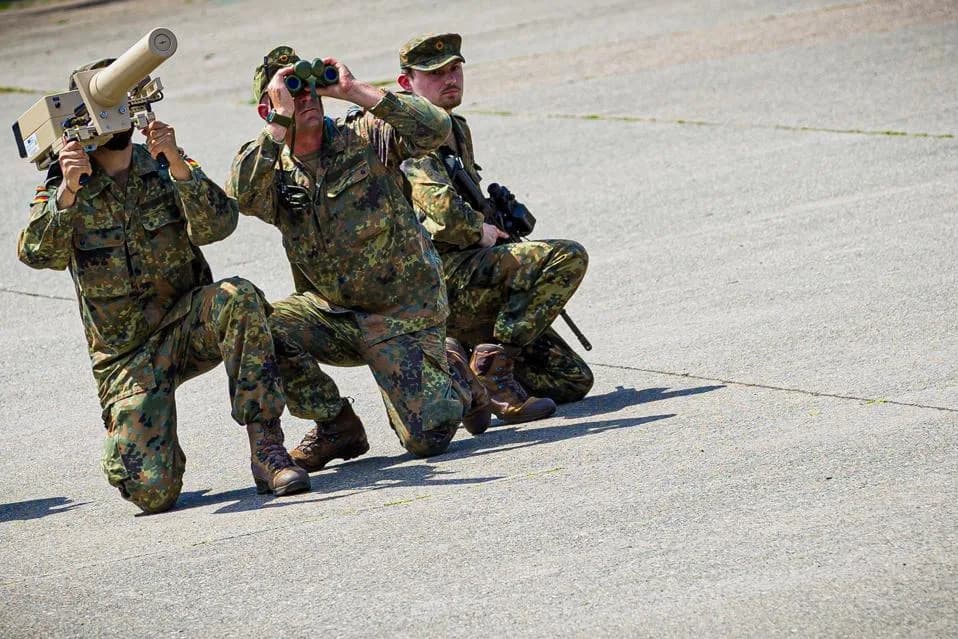
Project Convergence is a 10-day multinational wargame at Fort Irwin where about 10,000 troops from the US, Britain, Canada, Australia and New Zealand rehearse drone-dominated combat and autonomous logistics in temperatures above 50°C. Trials included Altius-600 loitering munitions, OM Defence’s Shadow drone resisting jamming, and autonomous transport prototypes; some systems failed due to extreme heat and electronic warfare. Commanders say the exercise refines tactics, exposes vulnerabilities in communications and batteries, and strengthens interoperability between allied forces.
Project Convergence: Allies Test Drone Warfare and Autonomous Logistics in 50°C Mojave Wargame
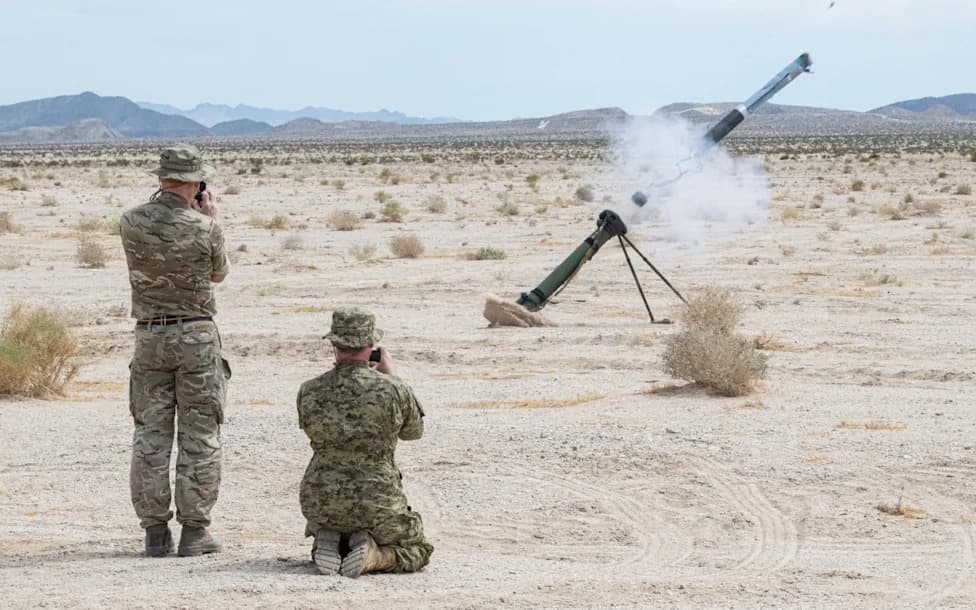
Canadian soldiers observe a test shot of the Altius-600 unmanned aerial system at Fort Irwin's training base - Jon Putman
For long stretches there was only heat and silence as soldiers waited beneath the blistering California sun for a weapon to launch. A launch tube, balanced on two thin supports and aimed skyward, became the sole focus across the barren terrain. Beyond it lay rocks, parched scrub and, miles away in the Mojave mountains, the exercise target.
After a short countdown the tube disgorged an Altius-600 loitering munition into the desert. An acrid tang drifted over observers as the unmanned aircraft hummed away to search for designated targets. For safety during the exercise the drone carried no warhead; in combat it would be equipped for a strike.
What Is Project Convergence?
Project Convergence is a 10-day multinational wargame at Fort Irwin that brings together roughly 10,000 troops from the United States, Britain, Canada, Australia and New Zealand. Its purpose is to rehearse "the warfare of the future" by stress-testing unmanned aircraft, autonomous ground vehicles, electronic warfare and the logistics needed to sustain high-intensity operations in extreme conditions.
Key Trials In The Mojave
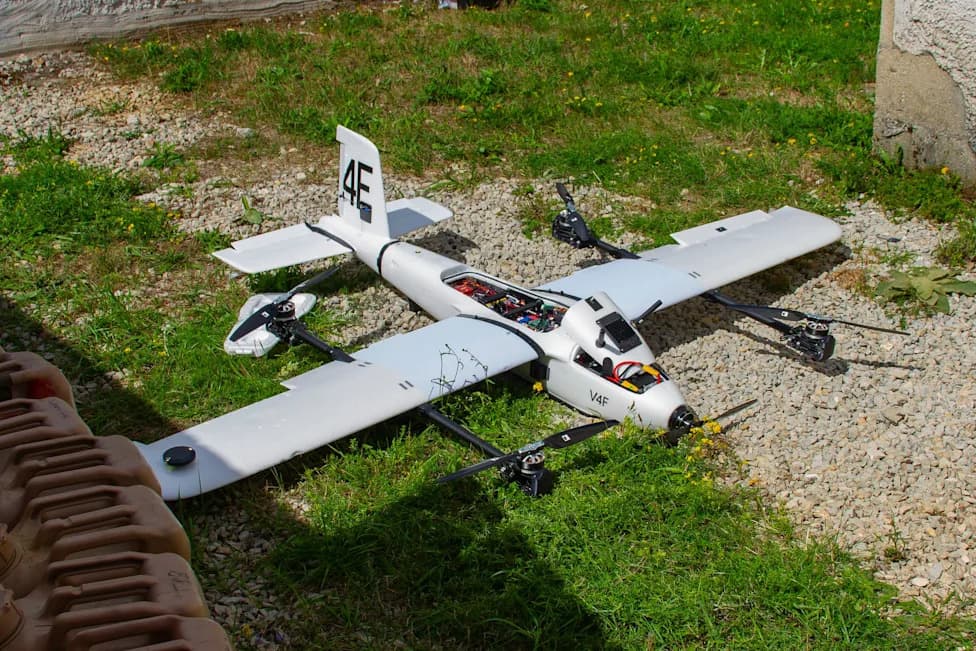
Teams launched the Altius-600 and tracked its flight with an autonomous Canadian aircraft. A Shadow tactical drone from OM Defence successfully resisted electronic jamming attempts thanks to frequency-hopping communications. Armies also trialled autonomous logistics platforms from large self-driving Rheinmetall 20-ton trucks to smaller rovers such as the Gereon, which has seen wartime use in Ukraine.
Not all experiments succeeded: lithium-ion batteries and other electronics struggled in sustained 50C-plus heat and at least one unnamed drone reportedly failed during launch. Commanders also subjected systems to deep, realistic jamming to probe vulnerabilities.
Training People As Well As Machines
Brought together under the US 4th Infantry during the exercise were British, Canadian, Australian and New Zealand units, set against the US 11th Armoured Cavalry (the Blackhorse Regiment). Organisers emphasise that the opposing force is "free-thinking" and live, providing an un-simulated test of tactics and decision-making.
“When we develop new equipment in a battle lab it’s only a start. We want to stress-test them here, and do it with our allied partners,” said Lt Col Andrew Straatsma of the Canadian Army.
Senior officers say political friction within NATO since the return of President Donald Trump has not eroded soldier-level cooperation: patch swapping, shared hardships and battlefield camaraderie remain strong, they report.
Consequences And Lessons
Exercises like Project Convergence force commanders to confront hard questions: how to exploit drone lethality while protecting troops, how to operate when communications are degraded, and how to maintain the supply chain under extreme conditions. As Col Jim Howard of the British Army put it, jamming not only reveals equipment limits but also forces commanders to rethink how they operate when connections fail.
Organisers will pore over collected data when the exercise ends to determine what worked, what didn’t, and which technologies should be accelerated for fielding. Some battlefield realities—reported vehicle rollovers and heat-related equipment failures—underscore the difference between a wargame and the high stakes of actual combat.
The Mojave’s punishing environment provides a harsh but revealing backdrop: systems and soldiers that perform here are likelier to survive and operate effectively in future conflicts where unmanned systems and electronic warfare dominate.
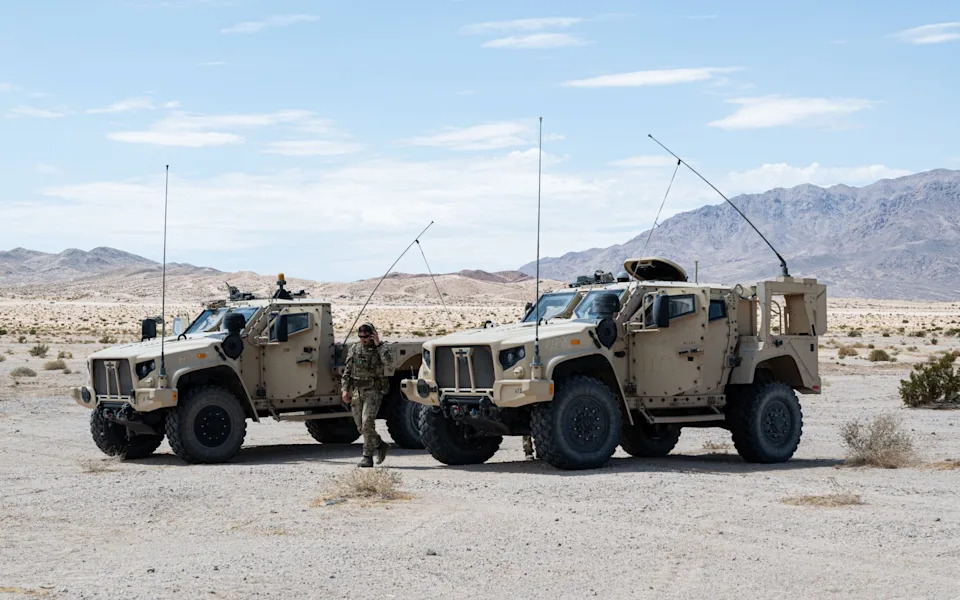
About 10,000 troops from five allied nations brave 50C heat in a vast Mojave wargame - Jon Putman
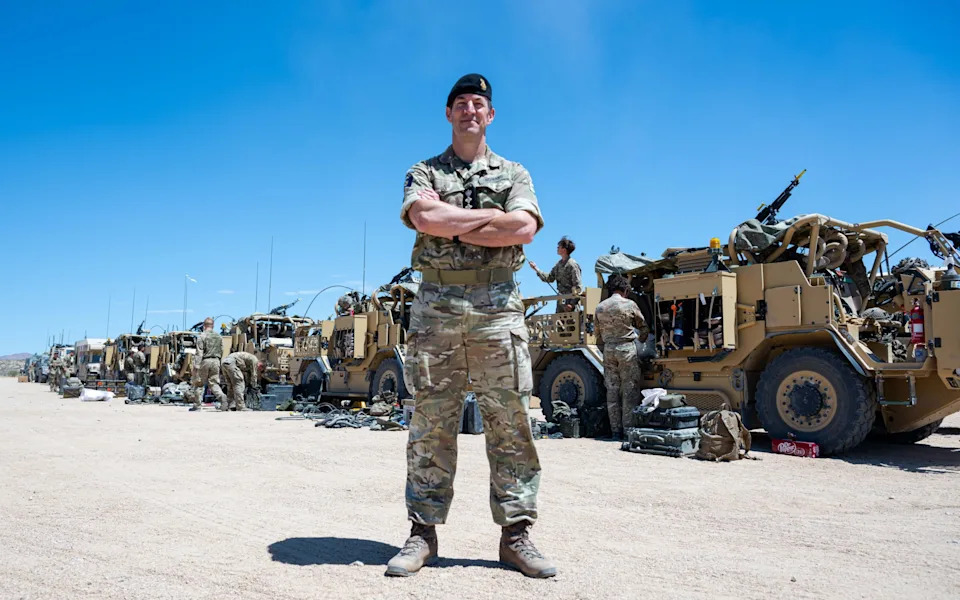
Col Jim Howard of the British Army in front of the Brigade he commanded on the joint training base at Fort Irwin - Jon Putman
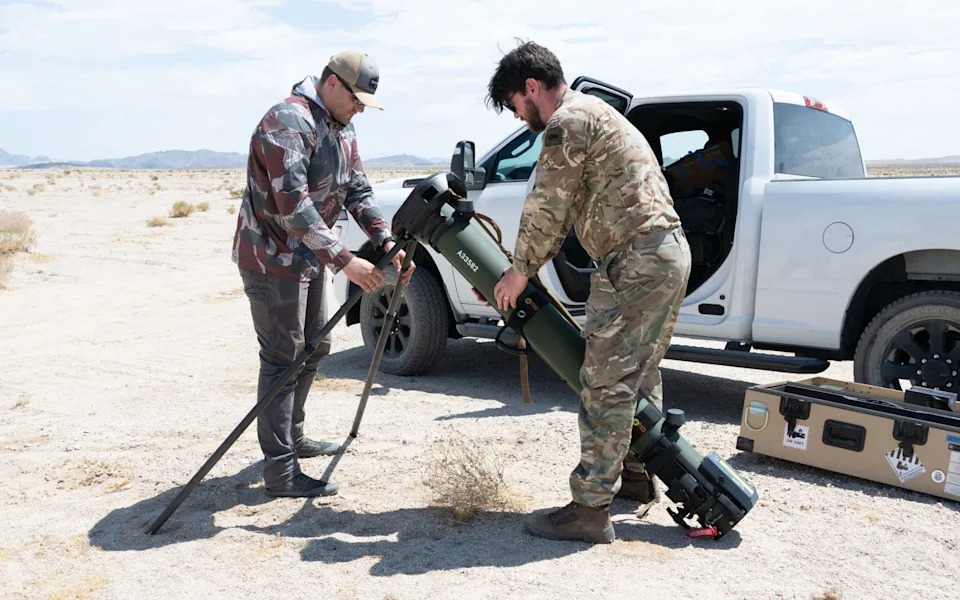
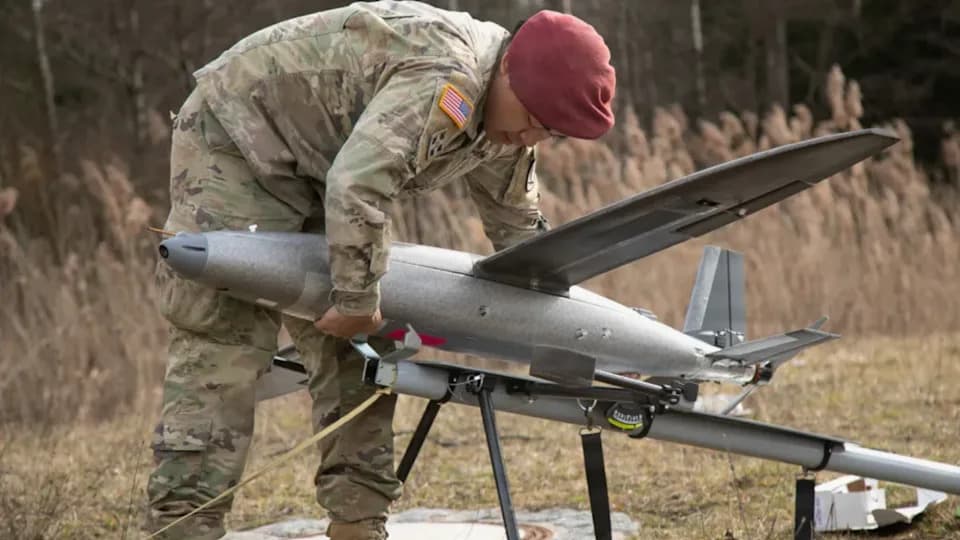
Contractors set up the Altius-600 unmanned aerial system ahead of testing at Fort Irwin - Jon Putman
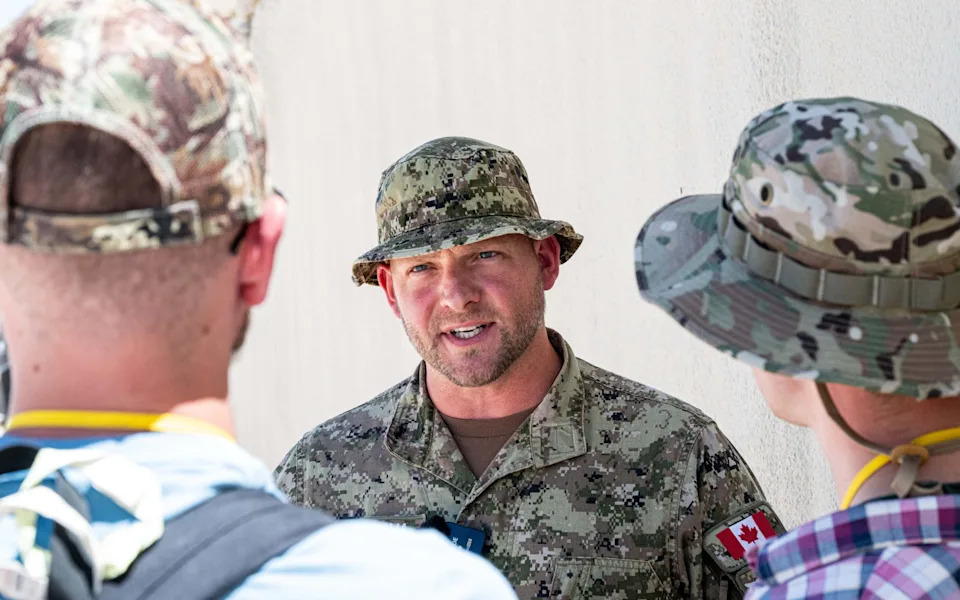
'We want to stress-test [new equipment] in environments just like this': Lt Col Andrew Straatsma of the Canadian army - Jon Putman
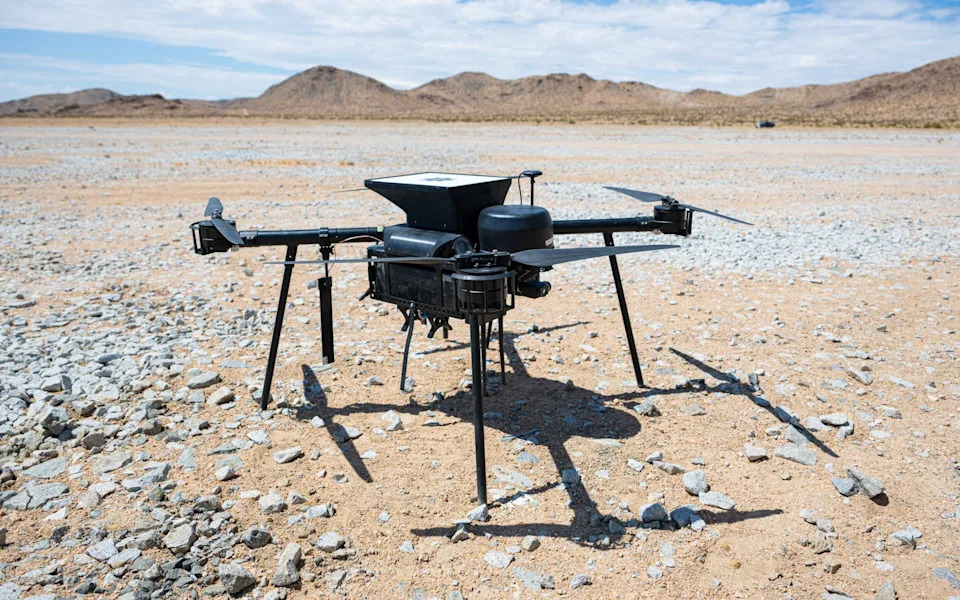
Commanders seek to master drone-dominated battlefields in Project Convergence's Mojave wargame - Jon Putman
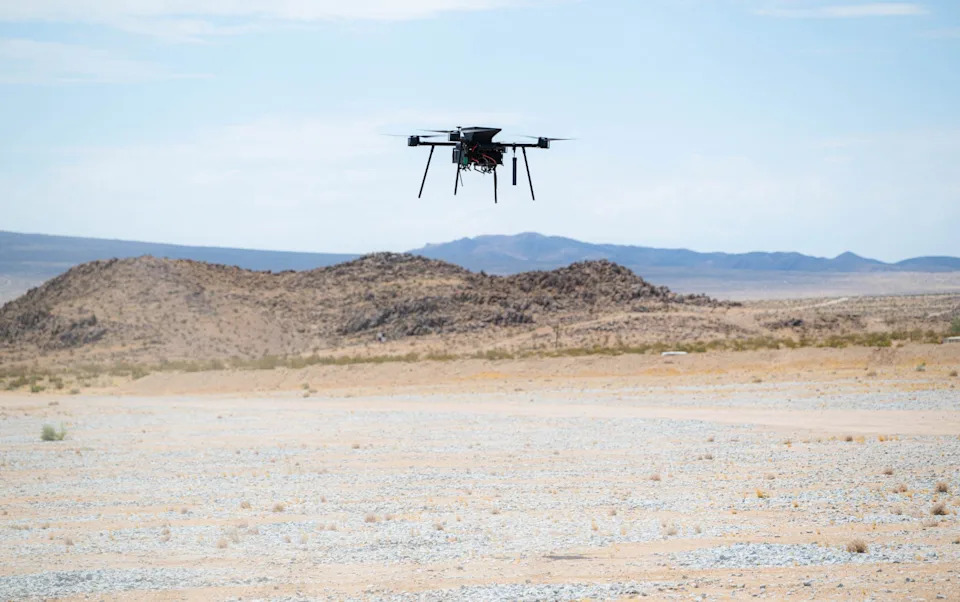
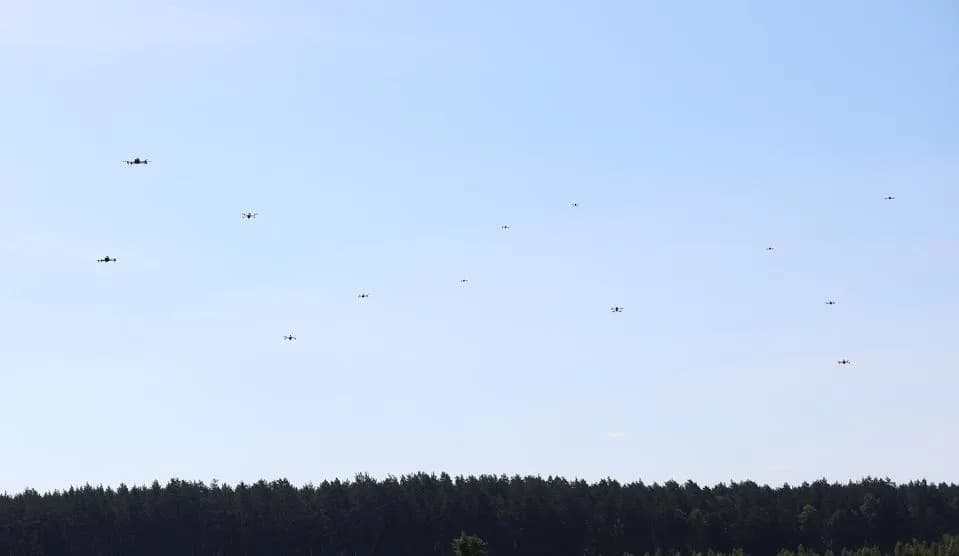
OM Defence's Shadow drone hovers above the field at Fort Irwin - Jon Putman
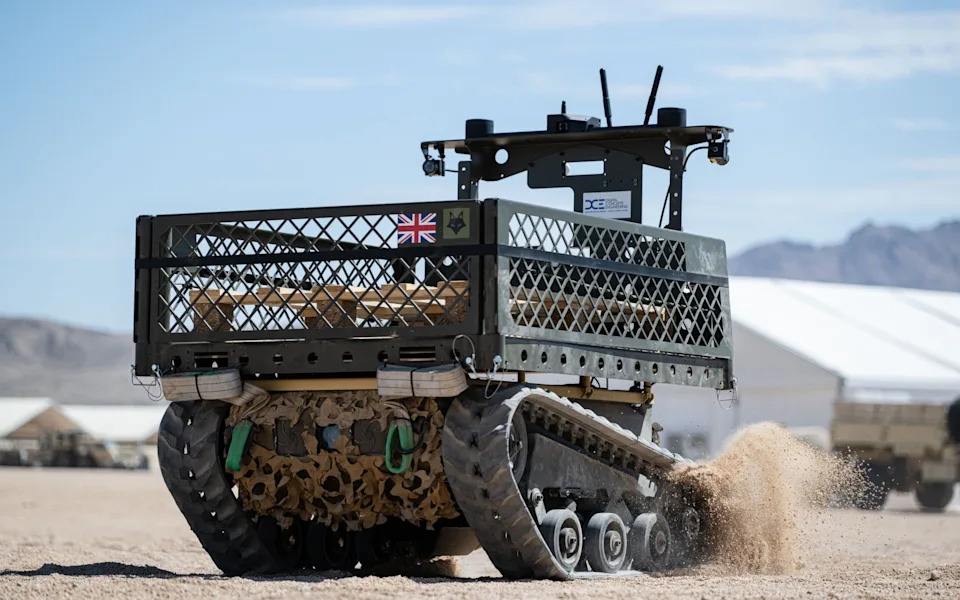
One of Digital Concepts Engineering's remotely operated carriers... - Jon Putman
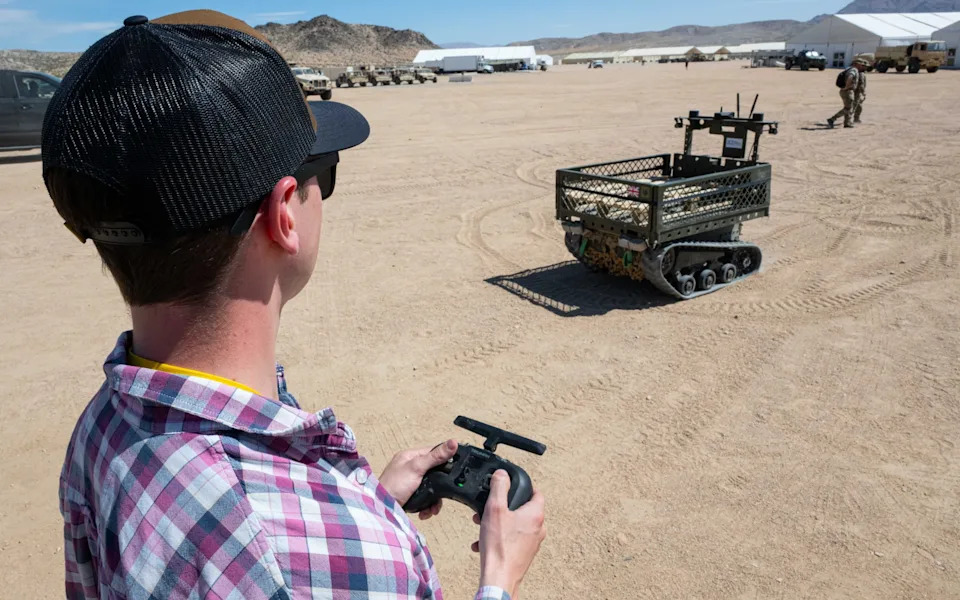
... is controlled by Ben Smith on his visit to Fort Irwin - Jon Putman
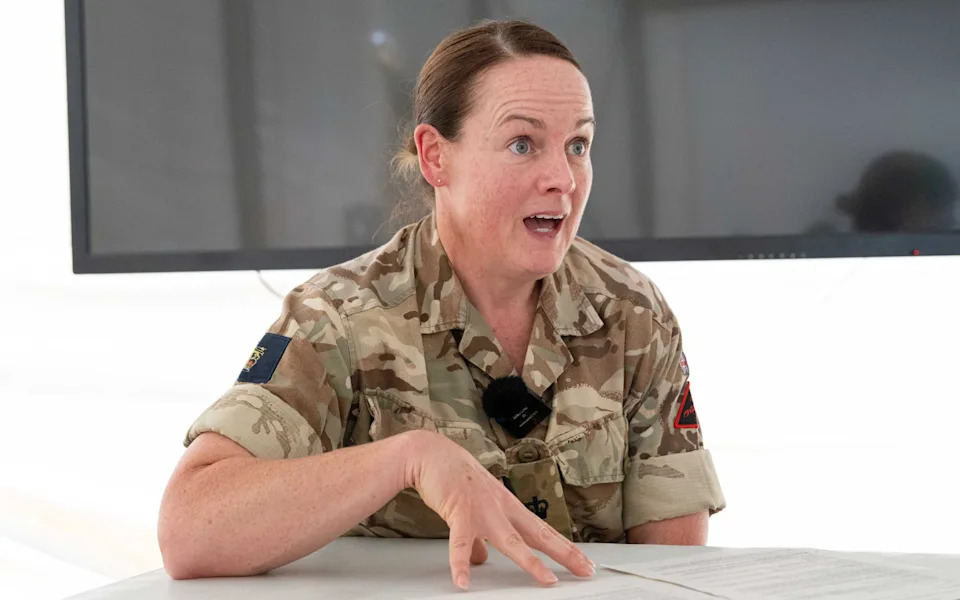
'You are pitting your brains against that of your exceptionally well-trained and well-resourced enemy': Brig Karen Peek of the British Army - Jon Putman
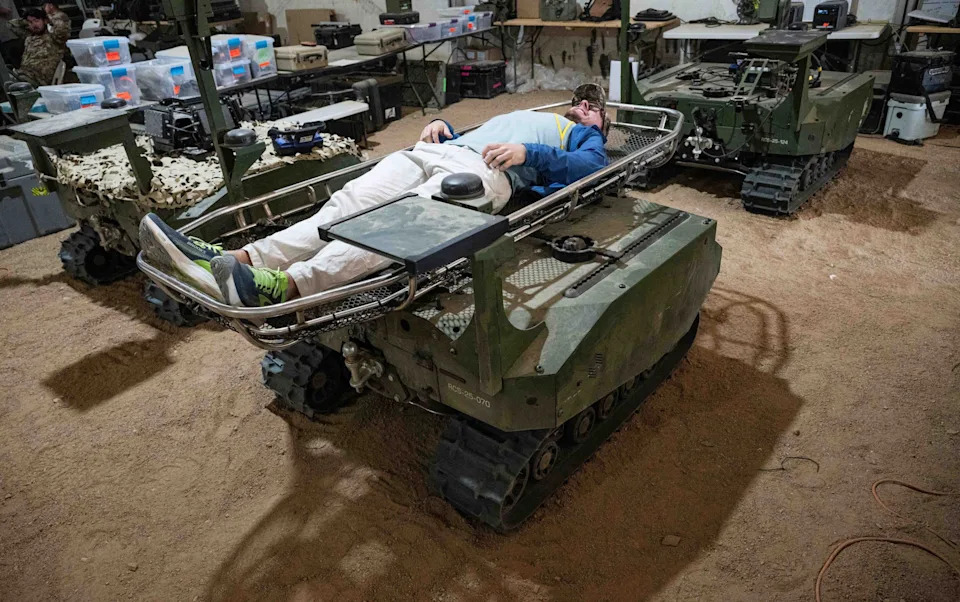
The Gereon UGV's gurney attachment is put to the test - Jon Putman

Help us improve.